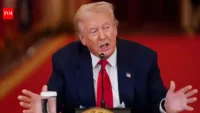
















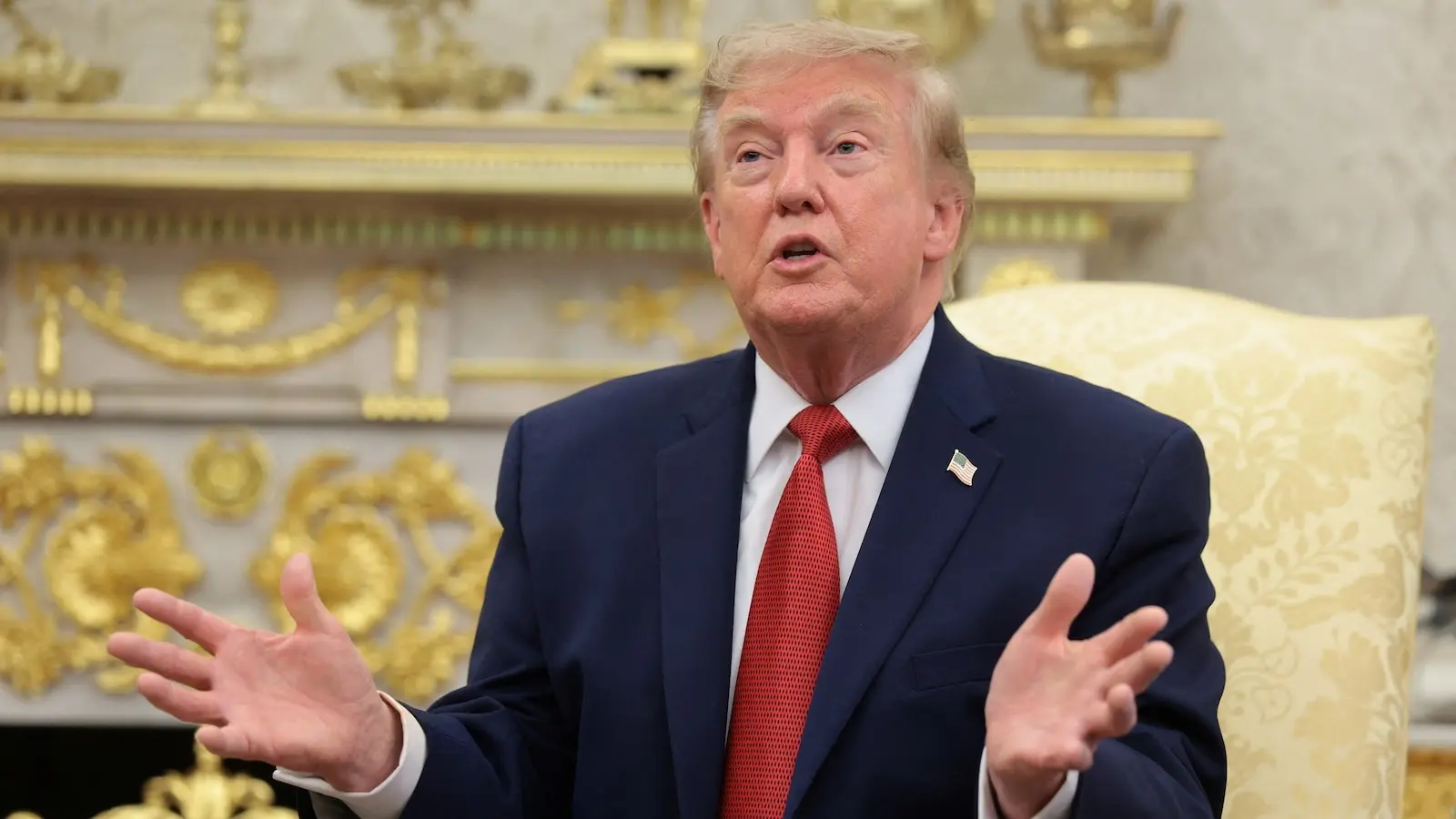
US President Donald Trump has threatened what he called an “Economic D-Day” against Iran, warning that countries, companies and financial institutions providing Tehran with economic support could face major consequences. The August 19 warning intensifies Washington’s pressure campaign but did not specify what new sanctions, tariffs or other penalties would be imposed beyond measures already targeting Iranian oil, finance and sanctions-evasion networks.
Key Overview
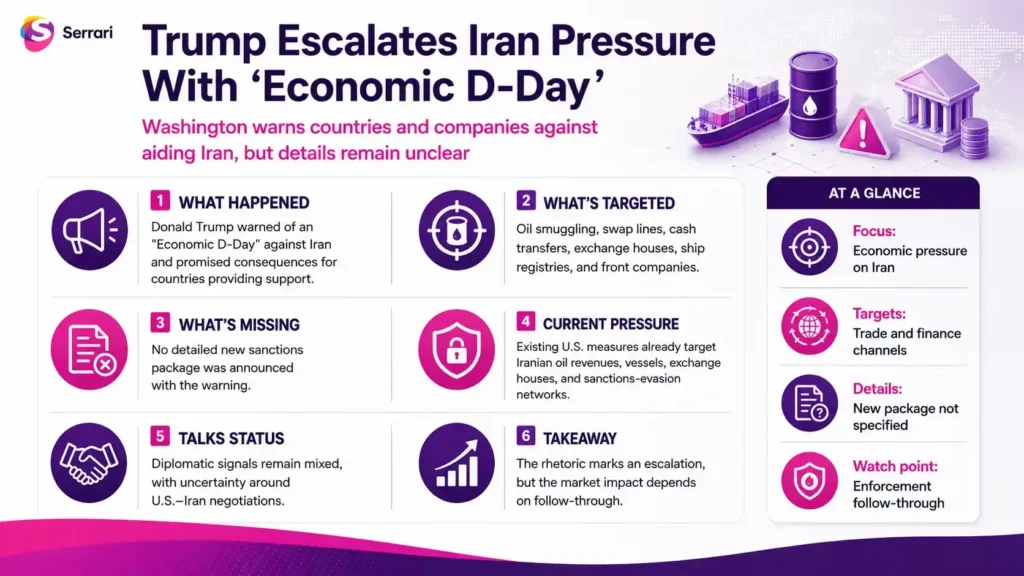
- Trump promised economic warfare and isolation against Iran on what he described as an unprecedented scale.
- He warned that countries allowing banks, businesses, airports or government entities to provide Iran with a “lifeline” could face economic consequences.
- No detailed package of new sanctions or penalties was announced alongside the warning.
- Existing US measures already target Iranian oil shipments, exchange houses, front companies, vessels and foreign financial institutions linked to sanctions evasion.
- Diplomatic signals remain mixed, with Trump saying no talks are underway while envoy Jared Kushner has described communications with Iranian officials as unusually active.
Trump Widens the Threat Beyond Iranian Entities
Trump’s latest statement broadens the political focus of Washington’s pressure campaign from Iranian institutions to governments and businesses outside Iran that continue providing commercial or financial links.
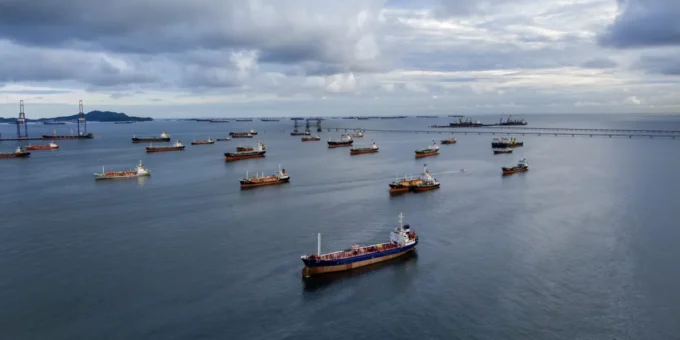
He specifically highlighted oil smuggling, swap arrangements, cash transfers, exchange houses, ship registries and front companies as channels Washington wants shut down. The warning potentially raises exposure for businesses and financial institutions in countries that remain economically connected to Tehran, although the administration has not yet detailed how broadly any new measures would be applied.
The distinction is important because Trump’s announcement was a threat of further action rather than a completed sanctions package. As of August 20, specific additional measures had not been disclosed, leaving governments and markets to assess whether the administration could expand secondary sanctions, impose new trade restrictions or target more companies involved in Iranian commerce.
Existing Sanctions Already Target Iran’s Revenue Networks
The United States has already been intensifying enforcement against Iran through its “Economic Fury” campaign. In May, authorities designated more than 50 companies, individuals and vessels linked to networks moving revenue for Iran, including a foreign-currency exchange house, associated front companies and vessels involved in petroleum and petrochemical shipments.
That action also warned that foreign companies and financial institutions supporting illicit Iranian commerce could face secondary sanctions. The measures are designed to restrict Tehran’s ability to generate, move and repatriate funds from energy exports and other overseas transactions.
Trump’s new statement therefore signals a possible escalation of an existing framework rather than the creation of economic pressure from scratch. The practical impact will depend on whether Washington introduces new legal measures and how aggressively it targets third-country banks, shipping companies, oil buyers and other intermediaries.
China is particularly important to the oil dimension. Data cited in current reporting indicate that China purchased more than 80% of Iran’s shipped oil in 2025, meaning any effort to further restrict those flows could create additional tension between Washington and Beijing.
Context is everything. Stay ahead of shifting trends with today’s market updates, and uncover emerging opportunities using the Serrari Group Market Index and Marketplace. Then, take control of your own financial future by exploring our Money & Life Reset Transformation Blueprint ™ to build stronger habits, create better systems, and design a path toward lasting wealth.
Diplomatic Signals Remain Contradictory
The escalation comes as the status of negotiations between Washington and Tehran remains unclear. On August 18, Trump said no talks or conversations were taking place or scheduled, even though Kushner had said a day earlier that communication between parts of the US and Iranian governments was more robust than it had been previously.
The conflicting messages follow the breakdown of efforts to build on a June memorandum of understanding that was intended to address hostilities, navigation through the Strait of Hormuz and Iran’s nuclear programme.
Iranian officials have maintained that the country remains open to dialogue but will not accept negotiations under what they describe as coercion. Tehran has also continued to insist that sanctions relief and other economic measures must form part of any sustainable agreement.
Economic Pressure Now Becomes the Main Test
Trump’s “Economic D-Day” language represents a significant escalation in rhetoric, but its economic importance will depend on what follows. Secondary sanctions can have powerful effects because international banks, shipping companies and multinational firms may reduce dealings with sanctioned markets to protect access to the US financial system.
A broader campaign could therefore increase pressure on Iran’s oil revenues, international payments and trade connections. It could also create diplomatic and commercial friction with countries that continue to maintain economic ties with Tehran.
For now, the central question is whether the administration converts the warning into a new enforcement package. Until detailed measures are announced, the declaration marks a sharper phase of economic pressure, but not yet a fully defined new sanctions regime.
Sources: Reuters / U.S. Department of the Treasury / White House / The Wall Street Journal
Your financial future isn’t something you wait for—it’s something you build.
The real question is: when do you begin?
Move beyond simply staying informed.
Navigate the markets with clarity—track trends through the Serrari Group Market Index, uncover opportunities in the Serrari Marketplace, and build practical knowledge with our Curated Wealth Builder Platform.
Stay connected to what truly matters.
Get daily insights on macro trends and financial movements across Kenya, Africa, and global markets—delivered through the Serrari Newsletter.
Growth opens doors.
Advance your career through professional programs including ACCA, HESI A2, ATI TEAS 7 , HESI EXIT , NCLEX – RN and NCLEX – PN, Financial Literacy!🌟—designed to move you forward with confidence.
See where money is flowing—clearly and in real time.
Track Money Market Funds, Treasury Bills, Treasury Bonds, Green Bonds, and Fixed Deposits, alongside global and African indexes, key economic indicators, and the evolving Crypto and stablecoin landscape—all within Serrari’s Market Index.