TotalEnergies has completed the sale of its 170-megawatt distributed solar portfolio across seven European countries, marking its exit from the small-scale rooftop solar market. The French energy company will instead focus on expanding utility-scale solar and wind projects as it pursues its target of more than 75 GW of renewable capacity by 2030.
Key Overview
- TotalEnergies has sold 170 MW of distributed solar assets across Europe.
- The portfolio includes rooftop solar installations in seven countries.
- Amarenco and AMPYR Distributed Energy acquired the assets.
- The company is shifting its focus to utility-scale renewable projects.
- TotalEnergies targets more than 75 GW of renewable capacity by 2030.
TotalEnergies Completes Exit from Distributed Solar
TotalEnergies has completed the divestment of its distributed solar portfolio across seven European countries, marking a strategic shift away from small-scale rooftop solar installations toward larger utility-scale renewable energy developments.
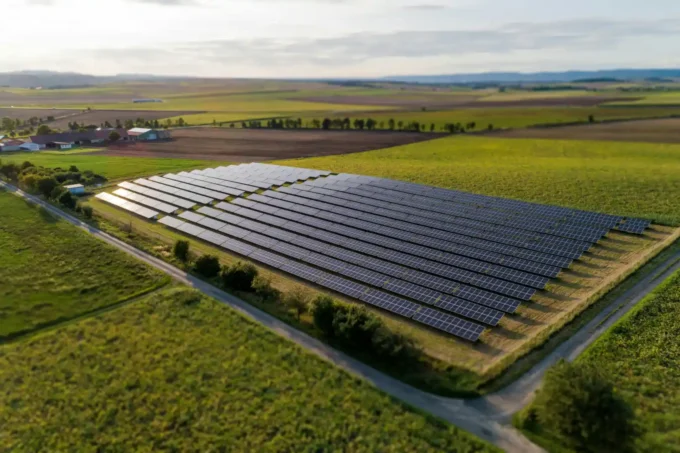
The transaction covers approximately 170 megawatts of distributed solar assets, primarily rooftop installations located across France, Belgium, the Netherlands, Spain, Portugal, the United Kingdom, and Luxembourg.
The portfolio has been acquired by renewable energy companies Amarenco and AMPYR Distributed Energy, which will continue operating the assets and supplying electricity to existing customers.
With the completion of the transaction, TotalEnergies has officially ended its distributed generation activities in these seven European markets.
Strategy Prioritizes Large-Scale Renewable Projects
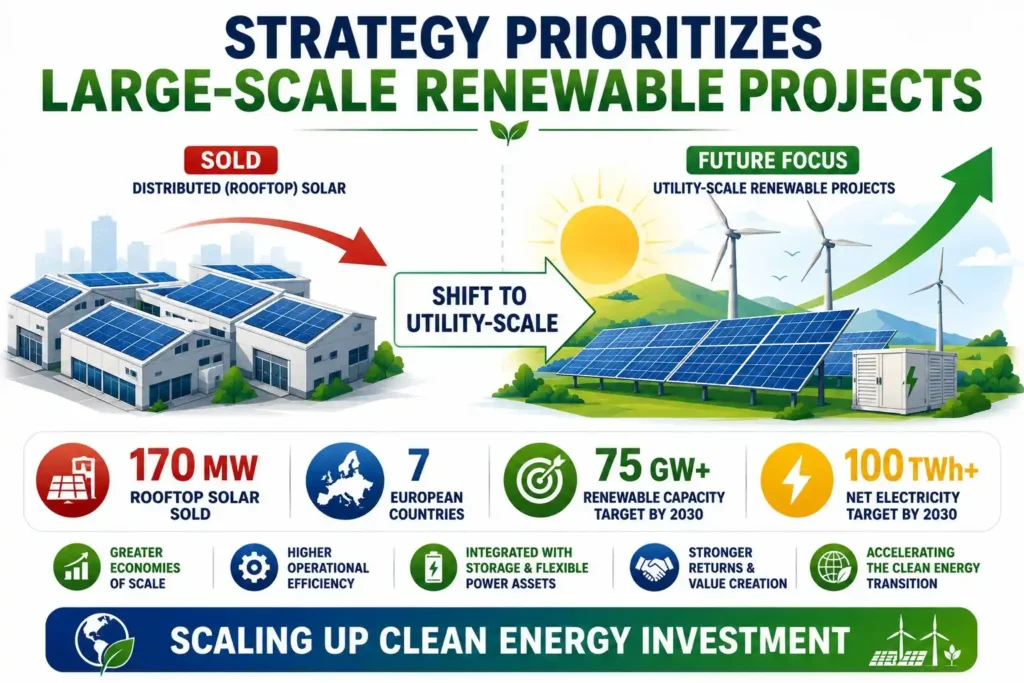
The divestment aligns with TotalEnergies’ broader renewable energy strategy, which prioritizes large utility-scale solar and wind projects capable of delivering stronger economies of scale and higher operational efficiency.
Distributed generation typically consists of renewable energy projects under 3 MW, most commonly rooftop solar installations serving commercial and industrial customers.
According to the company, this segment is less suited to its long-term business model than gigawatt-scale renewable projects, where centralized development, construction, and operations allow for greater efficiency and improved returns.
By concentrating investment on larger projects, TotalEnergies aims to strengthen its integrated electricity business while optimizing capital allocation across its expanding renewable energy portfolio.
Renewable Growth Continues Despite Portfolio Sale
The sale is not expected to slow TotalEnergies’ renewable energy expansion.
The company installed approximately 8 GW of gross renewable capacity during the previous 12 months, bringing its installed renewable portfolio to 35 GW at the end of March 2026 and nearly 36 GW by the end of April 2026.
TotalEnergies plans to maintain this pace of renewable deployment through 2030 as it works toward its goal of exceeding 75 gigawatts of renewables worldwide.
The company also aims to produce more than 100 terawatt-hours (TWh) of net electricity annually by the end of the decade as it expands its integrated power business.
Context is everything. Stay ahead of shifting trends with today’s market updates, and uncover emerging opportunities using the Serrari Group Market Index and Marketplace. Then, take control of your own financial future by exploring our Money & Life Reset Transformation Blueprint ™ to build stronger habits, create better systems, and design a path toward lasting wealth.
Renewable Portfolio Becomes More Integrated
The latest portfolio reshaping reflects TotalEnergies’ broader strategy of combining large-scale renewable generation with flexible power assets to build a more resilient electricity business.
In recent years, the company has increasingly paired utility-scale solar and wind farms with:
- Battery energy storage systems
- Combined-cycle gas-fired power plants
- Flexible electricity generation assets
- Energy trading and power marketing operations
This integrated approach enables renewable generation to be complemented by dispatchable electricity sources, helping improve grid reliability while supporting higher renewable penetration.
The strategy also allows TotalEnergies to capture value across the full electricity value chain rather than focusing solely on renewable asset ownership.
Industry Trend Favors Scale
The transaction reflects a wider trend among global energy companies that are increasingly optimizing renewable portfolios by concentrating investment in segments where operational scale delivers stronger financial returns.
As renewable markets mature, many large energy companies are prioritizing utility-scale developments that benefit from lower construction costs per megawatt, simplified operations, and stronger integration with wholesale electricity markets.
Meanwhile, specialized distributed energy companies such as Amarenco and AMPYR Distributed Energy continue to expand their presence in rooftop solar and commercial distributed generation, where dedicated operating models are often better suited to managing smaller, decentralized assets.
The transaction illustrates how the renewable energy sector is becoming increasingly specialized as different market participants focus on their respective competitive strengths.
Outlook
TotalEnergies’ exit from the distributed solar segment highlights the company’s continued focus on building one of the world’s largest utility-scale renewable energy portfolios. By concentrating investment on larger solar and wind developments, the company aims to benefit from greater economies of scale while strengthening its integrated electricity business through storage, flexible generation, and power trading capabilities. With nearly 36 GW of renewable capacity already installed and a target of more than 75 GW by 2030, TotalEnergies is expected to remain one of the leading global investors in large-scale renewable energy as demand for clean electricity continues to grow.
FAQs
1. What solar assets did TotalEnergies sell?
TotalEnergies sold approximately 170 MW of distributed solar assets, mainly rooftop installations, across seven European countries.
2. Which companies acquired the portfolio?
The assets were acquired by Amarenco and AMPYR Distributed Energy, which will continue operating the installations and serving existing customers.
3. Why is TotalEnergies exiting distributed solar?
The company is focusing on large utility-scale solar and wind projects, where it believes economies of scale and operational efficiency provide stronger long-term returns than smaller distributed generation projects.
4. What are TotalEnergies’ renewable energy targets?
TotalEnergies aims to exceed 75 GW of installed renewable generation capacity by 2030 while producing more than 100 TWh of net electricity annually.
Sources: Yahoo Finance, Euronext Markets, Investing News Network, AOL
Your financial future isn’t something you wait for—it’s something you build.
The real question is: when do you begin?
Move beyond simply staying informed.
Navigate the markets with clarity—track trends through the Serrari Group Market Index, uncover opportunities in the Serrari Marketplace, and build practical knowledge with our Curated Wealth Builder Platform.
Stay connected to what truly matters.
Get daily insights on macro trends and financial movements across Kenya, Africa, and global markets—delivered through the Serrari Newsletter.
Growth opens doors.
Advance your career through professional programs including ACCA, HESI A2, ATI TEAS 7 , HESI EXIT , NCLEX – RN and NCLEX – PN, Financial Literacy!🌟—designed to move you forward with confidence.
See where money is flowing—clearly and in real time.
Track Money Market Funds, Treasury Bills, Treasury Bonds, Green Bonds, and Fixed Deposits, alongside global and African indexes, key economic indicators, and the evolving Crypto and stablecoin landscape—all within Serrari’s Market Index.