Kenya’s National Assembly has begun the second reading of the Fisheries Management and Development Bill, 2023, a comprehensive piece of legislation designed to overhaul the country’s legal framework for managing its fisheries and blue economy. The Bill proposes the creation of three new institutional bodies — the Kenya Fisheries Service, a Monitoring, Control and Surveillance (MCS) Unit, and a Fish Marketing Authority — alongside two dedicated funds: the Fish Levy Trust Fund and the Fisheries Research Fund. Tabled by Majority Leader Kimani Ichung’wah, the Bill replaces the Fisheries Management and Development Act of 2016, which was nullified by the High Court in Malindi for failing to meet constitutional requirements around public participation. The new legislation arrives against a backdrop of declining fish production — Lake Victoria catches fell from 86,400 tonnes in 2022 to 67,575 tonnes in 2024 — rising conflicts among fishing communities, rampant illegal fishing, and a national fish consumption deficit estimated at 365,000 tonnes annually. While lawmakers say the Bill addresses critical gaps in surveillance, licensing, and resource management, it has faced sharp criticism from aquaculture stakeholders who have described it as an outdated replication of the struck-down 2016 law that fails to account for the sector’s evolution over the past decade.
Key Overview
- Bill: Fisheries Management and Development Bill, 2023 (National Assembly Bill No. 29 of 2023)
- Status: Second reading stage in the National Assembly
- Tabled by: Majority Leader Kimani Ichung’wah
- Replaces: Fisheries Management and Development Act, 2016 (nullified by High Court, Malindi, December 2024)
- Proposed new agencies: Kenya Fisheries Service; Monitoring, Control and Surveillance (MCS) Unit; Fish Marketing Authority
- Proposed new funds: Fish Levy Trust Fund; Fisheries Research Fund
- Community governance: Formal recognition of Beach Management Units (BMUs)
- Key focus areas: Lake Victoria, Indian Ocean coastline, aquaculture, cage fish farming
- Public participation: Consultations held in Kisumu, Homa Bay, Turkana, Mombasa, and Kilifi counties
- Fish production (2024): Lake Victoria catch at 67,575 tonnes (declining); aquaculture at 33,423 tonnes (growing 5% YoY)
- National fish deficit: ~365,000 tonnes against annual demand of ~500,000–600,000 tonnes
- AGM/Approval: Subject to further parliamentary debate and committee review
Markets move fast; don’t get left behind. We’ve paired the Serrari Group Market Index with a curated Marketplace and a comprehensive Wealth Builder Platform to ensure you have the data—and the skills—to act on it.
Why Kenya Needs a New Fisheries Law
The Bill’s origins lie in a constitutional crisis. The Fisheries Management and Development Act of 2016 — which had been the primary legislation governing Kenya’s fisheries sector for nearly a decade — was nullified by the High Court in Malindi after judges ruled that it had been passed without adequate public participation, violating Kenya’s constitutional requirements. Justice Stephen Githinji faulted the National Assembly, ruling that public participation is not a cosmetic exercise and that lawmakers must demonstrate how public views were incorporated into the final legislation.
The ruling left Kenya’s fisheries sector in a regulatory limbo. Subsequent attempts to implement subsidiary regulations under the struck-down Act also ran into legal trouble: in December 2024, the High Court issued conservatory orders suspending the implementation of new aquaculture regulations gazetted by Mining, Blue Economy, and Maritime Affairs Cabinet Secretary Ali Hassan Joho, after the Lake Victoria Aquaculture Association (LVA) challenged them for lacking public participation and imposing discriminatory licensing fees.
The new Bill, first drafted in 2023, was originally intended as an amendment to the existing law but has since become the primary replacement legislation. Parliament’s Departmental Committee on Blue Economy, Water and Irrigation has conducted public consultations across key fishing counties including Kisumu, Homa Bay, Turkana, Mombasa, and Kilifi. Additional forums are planned for Siaya, Migori, Homa Bay, Naivasha, and the coastal region before the committee finalises its report.
Three New Agencies: Structure or Bureaucracy?
At the institutional level, the Bill proposes the establishment of the Kenya Fisheries Service, a new agency that would manage and regulate the sector in collaboration with an advisory council and a director-general responsible for day-to-day operations. This replaces the existing Kenya Fisheries Service (KeFS) and is designed to provide a more robust regulatory structure with clearer mandates and enforcement powers.
The second major institutional innovation is the Monitoring, Control and Surveillance (MCS) Unit, specifically created to curtail illegal fishing and improve oversight of Kenya’s water bodies, with a particular focus on Lake Victoria and the Indian Ocean coastline. Majority Leader Ichung’wah emphasised the scale of the problem, warning that foreign vessels have exploited Kenya’s marine resources due to weak enforcement: “You cannot manage any resource without knowing what you have,” he told the House.
The third body is the Fish Marketing Authority, tasked with streamlining the sale of fish and fish products. However, critics have warned that this could duplicate roles already performed by existing agencies, potentially adding another layer of bureaucracy to a sector already burdened by complex administrative requirements. During public participation sessions, fishermen reported needing up to eight different licences from various agencies to operate — a licensing burden the Bill explicitly seeks to address by harmonising national and county government roles.
Context is everything. While you follow today’s updates, use the Serrari Group Market Index and Marketplace to spot emerging shifts. Need to sharpen your edge? Our Wealth Builder Platform turns these insights into a professional-grade strategy.
Two Funds and the Question of Finance
The Bill also establishes two financing mechanisms. The Fish Levy Trust Fund would channel revenues collected from the fisheries sector back into supporting growth, capacity building, and infrastructure development. The Fisheries Research Fund would finance scientific research into fish stocks, breeding patterns, and sustainable management practices — an area where Kenya has historically been under-resourced.
These funds are intended to address a persistent gap: while the fisheries sub-sector contributes modestly to GDP, it supports the livelihoods of more than 700,000 people directly and many more through downstream processing, trade, and related activities. The Bill mandates agencies to map fish stocks across lakes, rivers, and the Indian Ocean — a foundational step that lawmakers argue is essential before any credible management plan can be implemented.
Lake Victoria: A Fishery in Crisis
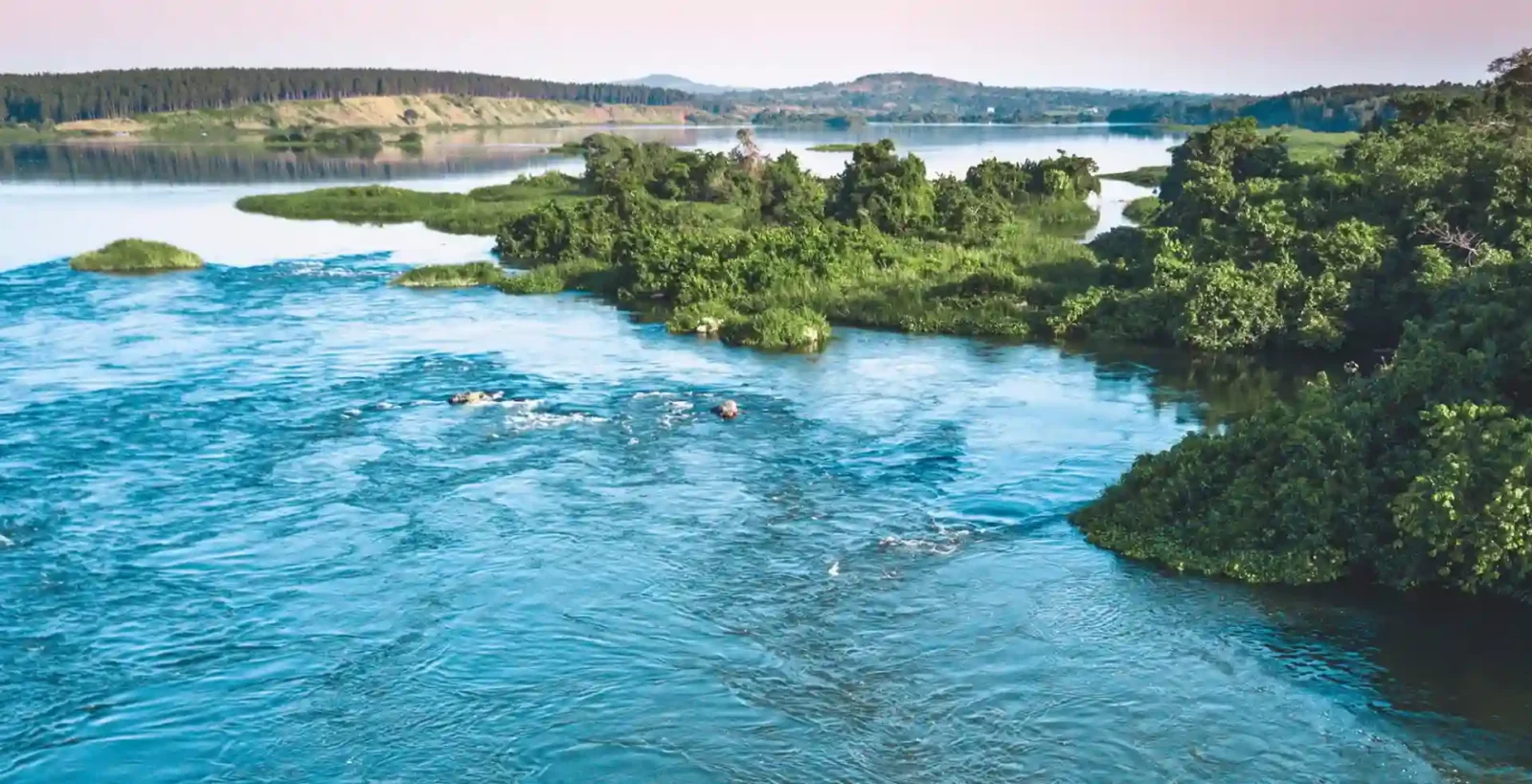
The urgency behind the legislation is underscored by the alarming trajectory of Kenya’s most important freshwater fishery. Lake Victoria — the second-largest freshwater body in the world, shared by Kenya, Tanzania, and Uganda — has seen its Kenyan fish production decline steadily. According to the Kenya National Bureau of Statistics, production from the lake fell from 86,400 tonnes in 2022 to 70,300 tonnes in 2023. Data from the Kenya Fisheries Service shows that the decline continued in 2024, with catches dropping further to 67,575 tonnes valued at Ksh 10.8 billion.
The drivers of this decline are well documented. The 2023 Fisheries Statistical Bulletin noted that overfishing and illegal fishing gear have significantly contributed to the decline, with practices such as fine-mesh nets and seine fishing causing severe harm to fish populations. The International Union for Conservation of Nature has warned that 76% of fish species in the lake currently face extinction, driven by overfishing, pollution, agricultural runoff, and invasive species.
The problem is compounded by organised criminal networks. ENACT Africa, the organised crime observatory, found that the volume of undeclared and illegally caught fish is almost double the declared tonnage, with large crime syndicates shipping out undeclared fish across the region. Law enforcement complicity has been documented, with reports of police receiving bribes of up to $3,000 per shipment as protection fees. The ISS Africa noted that these networks are also involved in wildlife crime, including poaching of hippos, pangolins, and snakes.
The human consequences are visible in rising conflicts among fishing communities. The Pulitzer Center documented at least 19 conflicts tracked on the shorelines and islands of Kenya’s Lake Victoria, most relating to cross-border disputes between Ugandan and Kenyan fishermen and the contested Migingo Island. As fish stocks shrink, competition for remaining catches intensifies, creating conditions for violence and displacement.
Aquaculture: The Bright Spot Under Threat
While wild capture fisheries are declining, Kenya’s aquaculture sector is growing — but stakeholders fear the Bill could jeopardise this progress. Overall aquaculture output increased by 5% in 2024, reaching 33,423 tonnes, with cage culture on Lake Victoria accounting for approximately 76.4% of production. The Bill formally recognises Beach Management Units (BMUs) — grassroots organisations expected to play a central governance role at landing sites — at a time when Kenya is actively expanding cage fish farming.
However, the legislation has faced fierce opposition from aquaculture industry players. During public participation forums in Kisumu, the Lake Victoria Aquaculture Association called for the Bill’s immediate withdrawal, terming it a “copy-and-paste” of the nullified 2016 Act. LVA Board Secretary Pete Ondeng argued that the draft law ignores key developments in the sector, including advances in technology and global best practices. He told the committee that the Bill does not properly recognise aquaculture, “which is where the biggest opportunities lie.”
Ondeng also raised procedural concerns, questioning why Parliament was driving the legislation instead of the Ministry of Mining, Blue Economy, and Maritime Affairs. The Eyes Watch Media reported his plea was categorical: “Our plea is not for amendments. This bill needs to be withdrawn.”
Kenya’s fish consumption deficit adds urgency to the debate. The country consumes an estimated 500,000–600,000 metric tonnes of fish annually but produces less than half, relying on imports — primarily from China — to bridge a gap of approximately 365,000 tonnes. If aquaculture is the most realistic pathway to closing that deficit, the regulatory framework governing it will be decisive.
Cross-Border Cooperation and the Indian Ocean
Beyond Lake Victoria, the Bill addresses Kenya’s marine fisheries in the Indian Ocean, where weak surveillance has allowed foreign vessels to operate with limited oversight. The proposed MCS Unit is designed to change this dynamic by establishing a dedicated enforcement capability.
The Bill also encourages cooperation with neighbouring countries that share water bodies — a critical provision given that Lake Victoria is shared by three nations, Lake Turkana straddles Kenya and Ethiopia, and Kenya’s Indian Ocean exclusive economic zone borders Somalia and Tanzania. Cross-border tensions have been a recurring issue, with Kenyan and Ugandan fishermen frequently clashing over access to Lake Victoria fishing grounds.
Marakwet East MP Kangogo Bowen, who seconded the Bill, highlighted the broader governance challenges the legislation seeks to address: streamlining the licensing system, harmonising the roles of national and county governments, and tackling the illegal use of destructive fishing gear that accelerates stock depletion.
What Comes Next
The Bill remains at the second reading stage, with additional public participation forums planned before the committee compiles stakeholder views into a final draft. The committee’s Vice Chairperson, Marwa Kitayama (Kuria East MP), assured stakeholders that their recommendations will be considered.
The central tension is clear: lawmakers argue the Bill provides the robust legal framework Kenya urgently needs to manage declining fisheries, combat illegal fishing, and support livelihoods. Industry stakeholders counter that the legislation is a backward-looking replication of a failed Act that does not account for the sector’s evolution — particularly the rise of aquaculture — and risks creating additional bureaucratic complexity rather than resolving existing problems.
How Parliament reconciles these positions will determine whether Kenya’s fisheries sector gets the modern regulatory foundation it needs, or whether the country’s blue economy ambitions remain caught in a cycle of outdated legislation, legal challenges, and declining stocks.
Your financial future isn’t something you wait for—it’s something you build.
The real question is: when do you begin?
Move beyond simply staying informed.
Navigate the markets with clarity—track trends through the Serrari Group Market Index, uncover opportunities in the Serrari Marketplace, and build practical knowledge with our Curated Wealth Builder Platform.
Stay connected to what truly matters.
Get daily insights on macro trends and financial movements across Kenya, Africa, and global markets—delivered through the Serrari Newsletter.
Growth opens doors.
Advance your career through professional programs including ACCA,HESI A2,ATI TEAS 7,HESI EXIT ,NCLEX – RNandNCLEX – PN, Financial Literacy!🌟—designed to move you forward with confidence.
See where money is flowing—clearly and in real time.
Track Money Market Funds, Treasury Bills, Treasury Bonds, Green Bonds, and Fixed Deposits, alongside global and African indexes, key economic indicators, and the evolving Crypto and stablecoin landscape—all withinSerrari’s Market Index.