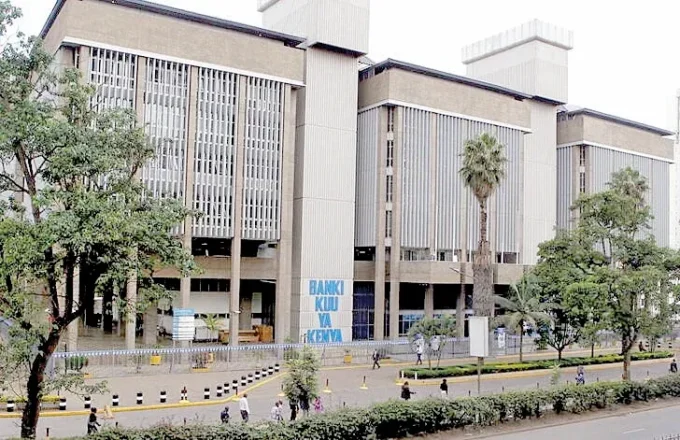

















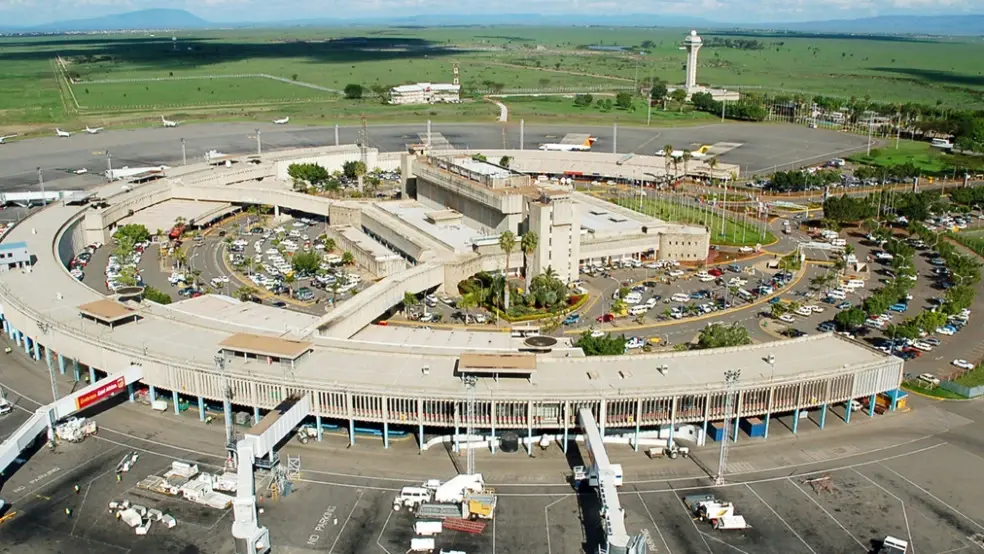
Kenya has signed a Sh154.2 billion contract with China Road and Bridge Corporation to modernise Jomo Kenyatta International Airport, advancing one of the country’s largest aviation infrastructure projects.
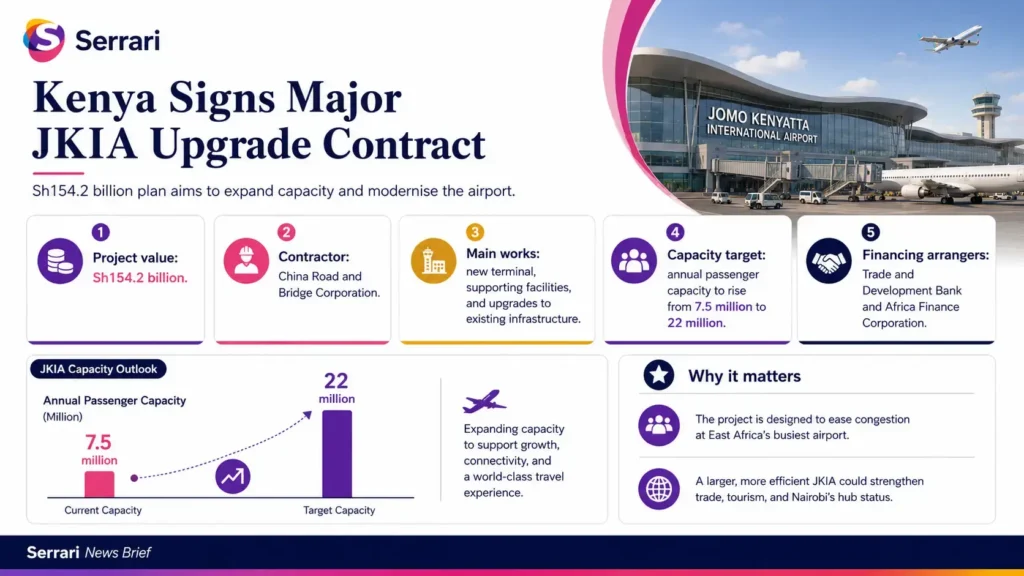
The programme will add a new terminal and supporting facilities, upgrade existing infrastructure and improve airside and landside operations. The government expects the investment to increase JKIA’s annual passenger capacity from about 7.5 million to 22 million while strengthening Nairobi’s role as a regional aviation hub.
Key Overview
- The government signed a Sh154.2 billion modernisation contract with China Road and Bridge Corporation.
- Aviation and Aerospace Development Principal Secretary Teresia Mbaika signed for the government, while General Manager Yu Xiaodong represented CRBC.
- The project includes a new terminal, supporting facilities, upgrades to existing infrastructure and improvements to airside and landside operations.
- JKIA’s annual passenger capacity is expected to rise from 7.5 million to 22 million.
- The Trade and Development Bank and Africa Finance Corporation have been appointed to arrange financing.
Contract Moves JKIA Expansion Into Delivery Phase
The contract signing follows years of debate over how Kenya should expand its main international gateway. JKIA is a critical hub for Kenya Airways and connects East Africa with destinations across Africa, Europe, Asia and the Middle East.
Under the agreement, CRBC will construct a new terminal building and associated facilities while modernising existing airport infrastructure. The works are also expected to improve passenger processing, cargo handling, safety, operational efficiency and service delivery.
The government said the upgrade would help JKIA respond to increasing passenger and cargo demand. The airport currently experiences congestion during peak periods across its terminals, aprons and runway system.
Once completed, the project is expected to nearly triple annual passenger capacity to 22 million. That expansion would give JKIA greater room to support airline growth and compete with other major African hubs.
Master Plan Identified Immediate Capacity Constraints
The procurement followed the completion of an integrated master plan and feasibility study in February 2026. According to the government’s March tender brief, the study recommended a phased approach to address short-term congestion while preparing for longer-term traffic growth.
The immediate strategy focused on enhancing existing terminal and runway infrastructure. At the same time, the government sought a larger expansion capable of accommodating future passenger and cargo volumes.
The modernisation tender was issued in March. Mandatory pre-bid meetings and site visits were scheduled for April 8 and 9, with bids closing later that month.
More than 40 companies attended the April pre-bid conference, where prospective contractors received details on the technical scope and implementation requirements. The ministry said submissions were evaluated on technical and financial merit under applicable procurement laws.
Context is everything. Stay ahead of shifting trends with today’s market updates, and uncover emerging opportunities using the Serrari Group Market Index and Marketplace. Then, take control of your own financial future by exploring our Money & Life Reset Transformation Blueprint ™ to build stronger habits, create better systems, and design a path toward lasting wealth.
Financing Will Shape the Project’s Execution
The government has appointed the Trade and Development Bank and Africa Finance Corporation to arrange financing for the programme.
Their involvement could help Kenya structure long-term funding for a project valued at approximately US$1.2 billion. However, the final financing mix, borrowing terms and repayment structure will be important because Kenya is already managing significant public debt and infrastructure commitments.
The government has described the project as a strategic investment expected to support trade, tourism, logistics and foreign investment. Improved airport capacity could also benefit Kenya’s flower, horticulture and fresh-produce exports, which depend heavily on reliable air cargo connections.
Clear disclosure of financing terms and implementation milestones will be important as construction progresses. Large airport projects can face risks from cost escalation, delays, design changes and disruptions to existing operations.
Project Revives Kenya’s Airport Expansion Ambitions
The new agreement revives Kenya’s long-running effort to deliver a major expansion at JKIA. An earlier proposal involving India’s Adani Group was cancelled in 2024 after facing legal and public scrutiny.
The CRBC contract gives the government a new route to expand the airport through a competitively procured construction programme. It also comes as Ethiopia and Rwanda invest in airport capacity to strengthen their own regional aviation positions.
Addis Ababa has become a major connecting hub through Ethiopian Airlines, while Rwanda is developing Bugesera International Airport. Kenya therefore faces pressure to improve JKIA’s capacity, passenger experience and operational reliability if Nairobi is to preserve its competitive position.
The government says the modernisation will enhance Kenya’s role as a gateway into Africa. Delivering that ambition will require construction to proceed without major disruption to current airport operations.
Economic Benefits Depend on Transparent Delivery
A larger and more efficient JKIA could reduce congestion, improve airline turnaround times and support growth in tourism, trade and logistics. It could also attract new routes by giving airlines access to better terminal and operational capacity.
The project may create construction jobs and generate demand for local suppliers, although the scale of domestic participation will depend on CRBC’s subcontracting and procurement arrangements.
Longer-term gains will depend on more than the physical infrastructure. Kenya will also need efficient immigration processes, reliable baggage handling, strong security systems, competitive airport charges and improved ground transport connections.
The Sh154.2 billion contract is therefore a major step, but the project’s success will ultimately be judged by whether it is delivered on budget, meets the capacity target and produces a measurable improvement in passenger and cargo services.
Sources: Ministry of Roads and Transport Kenya / Reuters / Kenya Broadcasting Corporation / The Star
Your financial future isn’t something you wait for—it’s something you build.
The real question is: when do you begin?
Move beyond simply staying informed.
Navigate the markets with clarity—track trends through the Serrari Group Market Index, uncover opportunities in the Serrari Marketplace, and build practical knowledge with our Curated Wealth Builder Platform.
Stay connected to what truly matters.
Get daily insights on macro trends and financial movements across Kenya, Africa, and global markets—delivered through the Serrari Newsletter.
Growth opens doors.
Advance your career through professional programs including ACCA, HESI A2, ATI TEAS 7 , HESI EXIT , NCLEX – RN and NCLEX – PN, Financial Literacy!🌟—designed to move you forward with confidence.
See where money is flowing—clearly and in real time.
Track Money Market Funds, Treasury Bills, Treasury Bonds, Green Bonds, and Fixed Deposits, alongside global and African indexes, key economic indicators, and the evolving Crypto and stablecoin landscape—all within Serrari’s Market Index.