
















Kazakhstan has launched a $20B climate investment platform to accelerate its energy transition, targeting large-scale renewable deployment, emissions reduction, and increased private capital participation. The initiative is designed to mobilize international financing, strengthen energy security, and support long-term economic resilience while advancing the country’s decarbonization goals.
Key Overview
- Kazakhstan launches QaJET climate investment platform
- Targets 10 GW of renewable capacity by 2035
- Requires $20 billion in public and private investment
- Aims to cut 20 million tonnes of emissions annually (~7%)
- Backed by European Bank for Reconstruction and Development (EBRD
A Strategic Climate Investment Platform
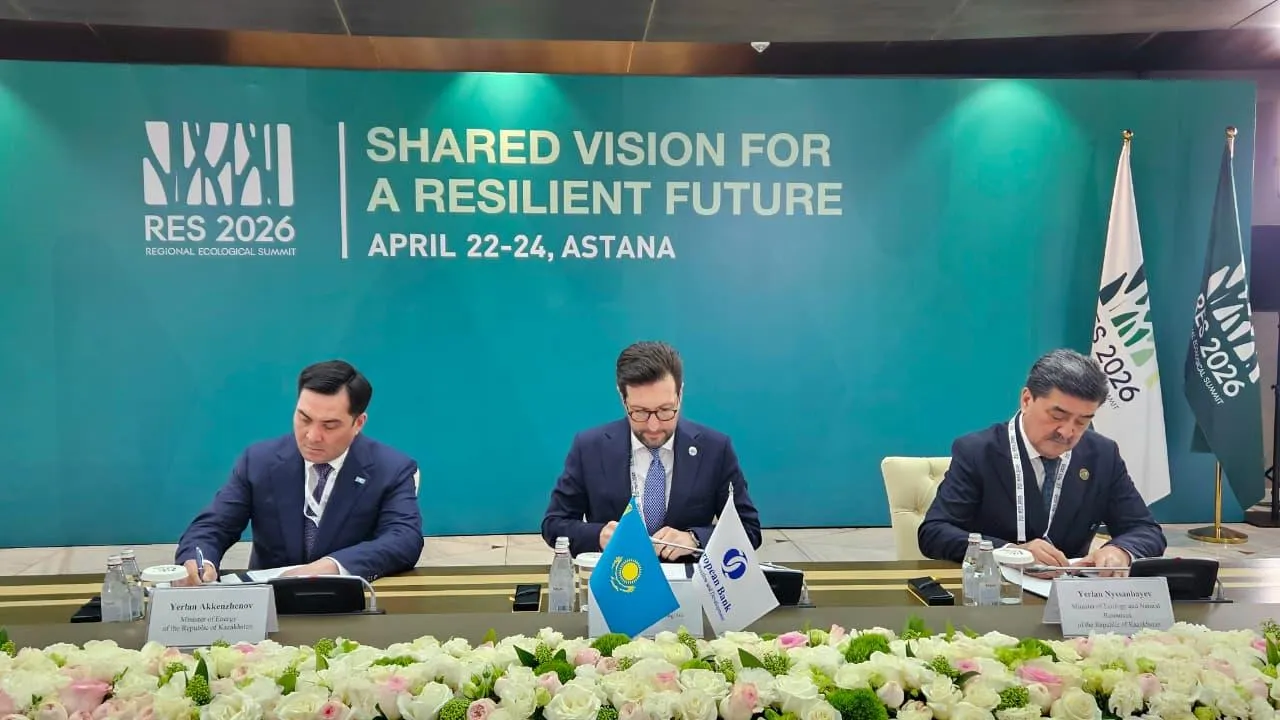
Kazakhstan has unveiled its Just Energy Transition Investment Platform (QaJET), marking a pivotal step toward transforming its energy system and accelerating the country’s transition to a low-carbon economy. The announcement, made at the Regional Ecological Summit 2026 in Astana, signals a clear shift from high-level policy ambition toward structured, execution-focused climate investment strategies designed to deliver measurable outcomes.
QaJET is conceived as a long-term, programmatic investment platform aimed at mobilizing capital at scale. Unlike traditional project-by-project financing approaches, the platform is designed to create a coordinated pipeline of investable opportunities, aligning policy frameworks, financing mechanisms, and implementation strategies under a unified structure. This reflects a broader evolution in climate finance, where countries are increasingly adopting platform-based models to accelerate deployment and improve efficiency.
The initiative is closely aligned with Kazakhstan’s broader economic and environmental objectives. These include enhancing economic resilience, reducing exposure to fossil fuel volatility, improving environmental performance, and strengthening alignment with international climate commitments. By integrating these priorities, QaJET is positioned not only as an energy transition tool but also as a driver of long-term economic transformation.
At its core, QaJET represents a shift toward coordinated, large-scale climate financing. It brings together government institutions, international financial organizations, development banks, and private investors into a single ecosystem designed to accelerate project development and execution. This integrated approach is critical in addressing the complexity of energy transitions, where success depends on aligning multiple stakeholders, funding sources, and technical capabilities.
Moreover, the platform underscores Kazakhstan’s intent to position itself as a regional leader in climate investment. By establishing a structured mechanism for attracting international capital, the country is seeking to enhance its visibility in global climate finance markets and create a more predictable environment for investors.
Markets move fast; don’t get left behind. We’ve paired the Serrari Group Market Index with a curated Marketplace and a comprehensive Wealth Builder Platform to ensure you have the data—and the skills—to act on it.
Scaling Renewable Energy Capacity
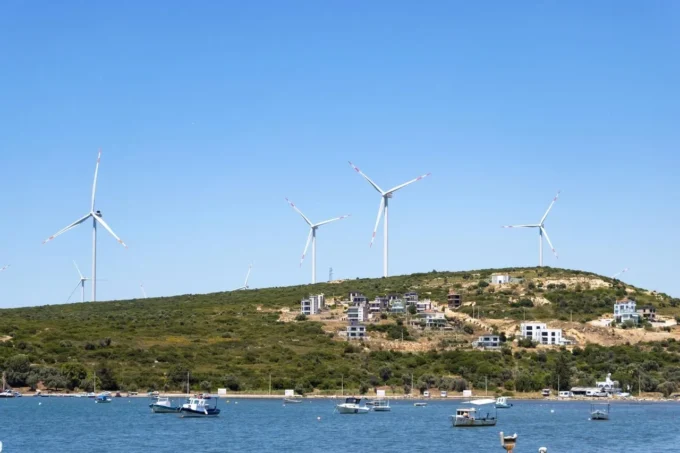
A central pillar of the QaJET platform is the large-scale expansion of renewable energy capacity, with a target of deploying 10 gigawatts of new capacity by 2035. Achieving this ambitious goal will require approximately $20 billion (€17.4 billion) in investment, sourced from a combination of public funding, private capital, and international financial institutions.
This planned expansion represents a significant transformation of Kazakhstan’s energy landscape, which has historically been dominated by coal-fired power generation. By scaling up renewable energy, the country aims to diversify its energy mix, reduce carbon intensity, and enhance long-term sustainability.
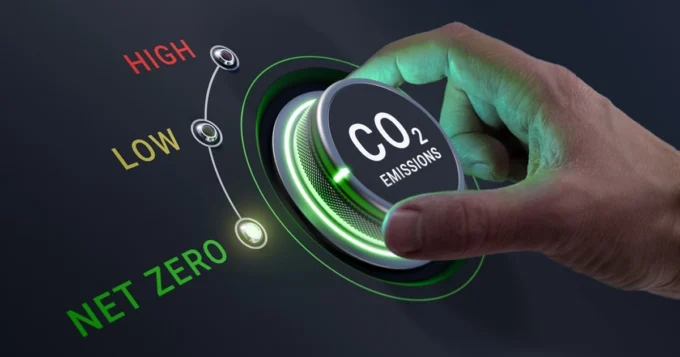
The impact of this capacity build-out is expected to be substantial. Once operational, the new renewable assets are projected to reduce greenhouse gas emissions by more than 20 million tonnes annually—equivalent to roughly 7% of Kazakhstan’s energy-related emissions. This contribution is particularly significant in the context of the country’s broader climate targets, including its commitment to carbon neutrality by 2060.
Beyond emissions reduction, the initiative also addresses growing energy demand. As Kazakhstan’s economy continues to develop, electricity consumption is expected to rise, driven by industrial activity, urbanization, and increased electrification. Expanding renewable capacity provides a pathway to meet this demand sustainably, without increasing reliance on carbon-intensive fuels.
The scale of the initiative highlights the critical role of infrastructure investment in the energy transition. Utility-scale renewable projects, supported by modern grid systems and storage solutions, form the backbone of this transformation. By prioritizing large, bankable projects, QaJET aims to create a stable investment environment capable of attracting long-term capital.
In addition, the expansion of renewable energy is expected to stimulate the development of local industries, including manufacturing, services, and technology. This creates a multiplier effect, where investment in clean energy not only reduces emissions but also drives economic growth and job creation.
International Partnerships and Financing Structure
The launch of QaJET is underpinned by a memorandum of understanding signed between key government ministries and the European Bank for Reconstruction and Development (EBRD), establishing a formal framework for collaboration with international financial institutions, donors, philanthropic organizations, and private sector partners.
The EBRD has played a central role in shaping the platform, leveraging its extensive experience in financing energy transition projects and developing country-level investment frameworks. Its continued involvement will be critical in coordinating implementation, ensuring alignment with international best practices, and facilitating access to global capital markets.
Importantly, QaJET builds on lessons learned from similar initiatives supported by the EBRD in other regions, including Egypt’s Nexus for Water, Food and Energy (NWFE), North Macedonia’s Just Energy Transition Investment Platform, and Türkiye’s Industrial Decarbonisation Investment Platform. These precedents provide valuable insights into how integrated investment platforms can accelerate project deployment and improve financing efficiency.
A key feature of QaJET is its reliance on a blended finance model, which combines public and private capital to optimize risk and return. By using public funds and development finance to de-risk investments, the platform aims to attract private investors who might otherwise be hesitant to enter emerging markets.
This approach is particularly important in addressing common barriers to investment, such as regulatory uncertainty, currency risk, and long project development timelines. By mitigating these risks, QaJET enhances the overall bankability of projects and creates a more attractive investment environment.
Furthermore, the platform is designed to act as a central coordination mechanism for climate finance in Kazakhstan. By bringing together multiple stakeholders under a single framework, it reduces fragmentation, improves efficiency, and ensures that investments are aligned with national priorities.
Ultimately, the financing structure of QaJET reflects a broader shift in climate investment—from isolated transactions to integrated, large-scale platforms capable of mobilizing capital at the level required to drive systemic change.
Addressing a Carbon-Intensive Economy
Kazakhstan’s economy remains heavily dependent on fossil fuels, particularly coal, which continues to account for a significant share of electricity generation. This reliance has positioned the country among the more carbon-intensive economies in Central Asia, with emissions closely tied to its industrial base and energy production systems.
Coal has historically played a central role in supporting Kazakhstan’s economic growth, providing a stable and affordable source of energy for heavy industries and households alike. However, this dependence also creates structural challenges as global energy systems shift toward low-carbon alternatives and international pressure to reduce emissions intensifies.
The transition to cleaner energy therefore presents both a complex challenge and a significant opportunity. On one hand, it requires large-scale investment in new infrastructure, technologies, and institutional capacity. Retrofitting existing systems, managing legacy assets, and ensuring reliability during the transition all add layers of complexity.
On the other hand, the transition offers the potential to modernize Kazakhstan’s energy system, improve efficiency, and significantly reduce environmental impact. It opens the door to adopting advanced technologies, enhancing productivity, and aligning the country’s energy sector with global sustainability trends.
QaJET is specifically designed to address these challenges by providing a structured and coordinated pathway for transitioning away from fossil fuels. By integrating policy support, financing mechanisms, and implementation strategies, the platform enables a gradual yet decisive shift toward cleaner energy while maintaining energy security and economic stability.
Key Investment Areas and System Transformation
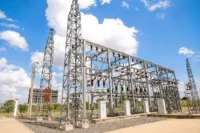
The QaJET platform will focus on several critical investment areas to drive a comprehensive transformation of Kazakhstan’s energy system. These include the large-scale deployment of renewable electricity generation, modernization of transmission and distribution networks, and the integration of battery energy storage systems to enhance grid flexibility and stability.
Renewable energy development will form the backbone of this transformation, with investments directed toward utility-scale solar, wind, and other clean energy technologies. These projects will not only reduce emissions but also diversify the country’s energy mix and reduce reliance on fossil fuels.
At the same time, significant upgrades to grid infrastructure will be required to accommodate higher shares of renewable energy. This includes expanding transmission capacity, improving distribution networks, and implementing smart grid technologies that enable real-time monitoring and efficient energy management.
The integration of battery storage systems is another key component, helping to address the intermittency of renewable energy sources. By storing excess generation and releasing it during periods of high demand, these systems enhance reliability and ensure a stable supply of electricity.
Beyond infrastructure, the platform also emphasizes the electrification of businesses, small and medium-sized enterprises, and households. This shift toward electrification is essential for reducing emissions across multiple sectors, including industry, transport, and residential energy use.
A defining feature of QaJET is its focus on a “just transition.” Recognizing the social implications of moving away from fossil fuels, the platform includes measures to support workers and communities affected by the transition. This includes skills development, retraining programs, knowledge transfer, and the creation of new economic opportunities in emerging sectors.
This comprehensive approach reflects an understanding that the energy transition is not solely a technical challenge—it is a broad economic and social transformation that requires coordinated action across multiple dimensions.
Context is everything. While you follow today’s updates, use the Serrari Group Market Index and Marketplace to spot emerging shifts. Need to sharpen your edge? Our Wealth Builder Platform turns these insights into a professional-grade strategy.
Strengthening Energy Security and Economic Resilience
Beyond its environmental objectives, QaJET is expected to play a critical role in strengthening Kazakhstan’s energy security. By diversifying the energy mix and increasing the share of domestically generated renewable energy, the country can reduce its dependence on fossil fuels and mitigate exposure to global price volatility.
This diversification is particularly important in an increasingly uncertain global energy landscape, where geopolitical tensions and market fluctuations can have significant impacts on fuel supply and pricing. Renewable energy, by contrast, offers a more stable and predictable source of power once infrastructure is in place.
The platform also aims to enhance economic resilience by fostering the development of local renewable energy industries. This includes encouraging investment in the production of advanced technologies, components, and related services, thereby creating new industrial capabilities within the country.
By stimulating domestic manufacturing, innovation, and skills development, Kazakhstan can create new growth opportunities and reduce reliance on imported technologies. This not only strengthens the local economy but also positions the country as a competitive player in the regional clean energy market.
In the long term, these efforts are expected to contribute to a more diversified and resilient economic structure—one that is better equipped to adapt to global energy transitions and changing market conditions.
Regional Implications and Investment Opportunities
Kazakhstan’s launch of QaJET carries broader implications for the Central Asian region, which remains in the early stages of its energy transition. Many neighboring countries face similar structural challenges, including heavy reliance on fossil fuels, aging infrastructure, and limited access to climate finance.
By establishing a structured investment platform, Kazakhstan is setting a precedent for how countries in the region can approach decarbonization. If successful, QaJET could serve as a replicable model for attracting international investment and accelerating the transition to cleaner energy systems.
The platform’s integrated approach—combining policy alignment, financing mechanisms, and project development—offers a scalable framework that can be adapted to different national contexts. This is particularly valuable in regions where fragmented approaches have historically limited the effectiveness of energy transition efforts.
For investors, QaJET opens up new opportunities in a market that has been relatively underrepresented in global energy transition portfolios. The scale of planned investment, combined with the involvement of international financial institutions, enhances the attractiveness of the market and reduces perceived risks.
As global demand for climate-aligned investments continues to grow, Central Asia is likely to attract increasing attention from capital markets. Kazakhstan, through QaJET, is positioning itself at the forefront of this shift, offering a gateway for investment into the region’s emerging clean energy sector.
Outlook: A Long-Term Energy Transition Strategy
The launch of QaJET marks the beginning of a long-term transformation rather than a one-time policy milestone. Its success will depend on consistent implementation, regulatory stability, and sustained collaboration with international partners.
In the near term, the focus will be on translating strategic commitments into actionable projects. This includes securing financing, advancing project development, and building a robust pipeline of investable opportunities that can attract both domestic and international capital.
Over time, the effectiveness of the platform will be measured by its ability to deliver tangible outcomes—both in terms of emissions reduction and broader economic impact. Achieving these results will require strong governance, transparent processes, and continuous engagement with stakeholders.
What sets QaJET apart is its structured, platform-based approach, which integrates financing, technology, and policy into a cohesive framework. This level of coordination is essential for managing the complexity of large-scale energy transitions and ensuring that investments deliver maximum impact.
As global demand for climate-aligned investment continues to grow, initiatives like QaJET are likely to play an increasingly important role in shaping the future of energy systems. They provide a blueprint for how emerging markets can mobilize capital, accelerate decarbonization, and build resilient, sustainable economies.
Ultimately, Kazakhstan’s approach reflects a broader shift in climate finance—from fragmented, project-level efforts to integrated, system-wide strategies capable of driving meaningful and lasting change.
Your financial future isn’t something you wait for—it’s something you build.
The real question is: when do you begin?
Move beyond simply staying informed.
Navigate the markets with clarity—track trends through the Serrari Group Market Index, uncover opportunities in the Serrari Marketplace, and build practical knowledge with our Curated Wealth Builder Platform.
Stay connected to what truly matters.
Get daily insights on macro trends and financial movements across Kenya, Africa, and global markets—delivered through the Serrari Newsletter.
Growth opens doors.
Advance your career through professional programs including ACCA,HESI A2,ATI TEAS 7,HESI EXIT ,NCLEX – RNandNCLEX – PN, Financial Literacy!🌟—designed to move you forward with confidence.
See where money is flowing—clearly and in real time.
Track Money Market Funds, Treasury Bills, Treasury Bonds, Green Bonds, and Fixed Deposits, alongside global and African indexes, key economic indicators, and the evolving Crypto and stablecoin landscape—all withinSerrari’s Market Index.