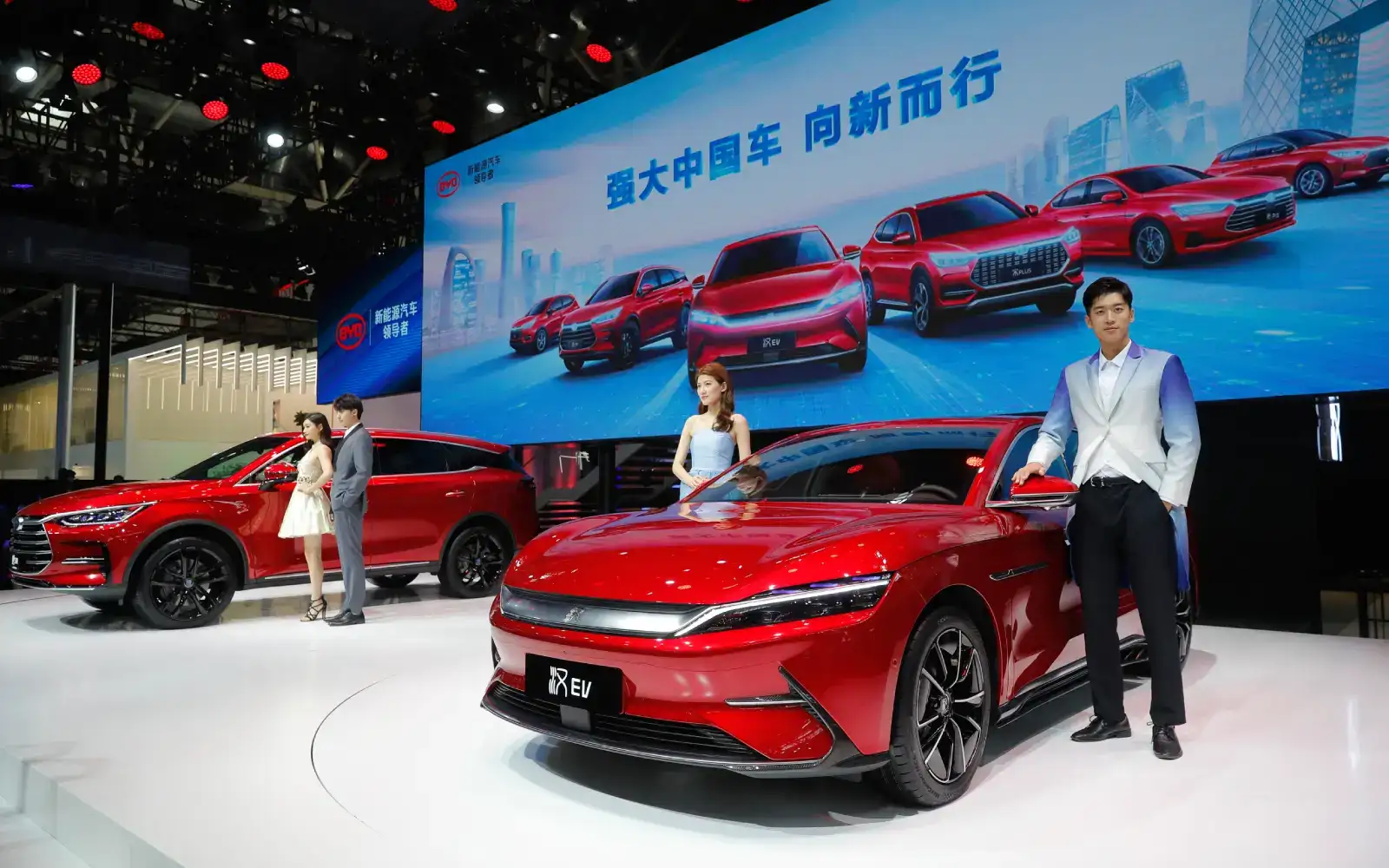
A Global Auto Industry Showcase in Beijing
The world’s largest automotive exhibition, Auto China 2026, has opened in Beijing, drawing hundreds of thousands of industry professionals, media representatives, and consumers eager to explore the latest advancements shaping the future of mobility. The event has evolved far beyond a traditional car show—it now serves as a global platform where automakers, technology companies, and investors converge to unveil innovations and signal strategic direction.
Spanning an expansive 380,000 square meters—equivalent to more than 50 football pitches—the exhibition showcases over 1,400 vehicles from a wide range of domestic and international manufacturers. From concept cars and next-generation EVs to advanced mobility solutions and AI-powered systems, the scale and diversity of the displays highlight the rapid transformation underway in the automotive sector.
More importantly, the exhibition functions as a real-time barometer of industry trends. The technologies, partnerships, and product strategies presented in Beijing often provide early insight into where the global automotive market is heading—particularly as electrification, digitalization, and automation continue to redefine the industry.
With China firmly established as the world’s largest automotive market, developments unveiled at Auto China increasingly influence global product pipelines and investment decisions. For automakers, success in China is no longer optional—it is a critical determinant of global competitiveness, especially in the fast-evolving electric vehicle (EV) segment.
Key Overview
- Auto China 2026 opens in Beijing
- 1,400+ vehicles showcased across 380,000 sqm
- Chinese EV leaders: BYD, Xiaomi, XPeng
- Foreign brands losing share: Volkswagen, Toyota, BMW
- Focus on AI, autonomous driving, and battery tech
- EV demand boosted by rising global oil prices
Markets move fast; don’t get left behind. We’ve paired the Serrari Group Market Index with a curated Marketplace and a comprehensive Wealth Builder Platform to ensure you have the data—and the skills—to act on it.
Domestic EV Giants Take the Lead
Chinese automakers are now firmly at the forefront of the global automotive industry, driven by their early and aggressive investment in electric mobility and digital technologies. Companies such as BYD, Xiaomi, and XPeng are leading this transformation, combining competitive pricing with rapid innovation cycles that allow them to bring new technologies to market faster than many traditional rivals.
These firms have not only capitalized on the global shift toward electric vehicles but have also redefined what modern vehicles represent. Rather than focusing solely on hardware performance, they are integrating advanced software systems, artificial intelligence, and connected services into their vehicles—turning cars into intelligent, evolving digital platforms.
At this year’s exhibition, XPeng is expected to showcase advancements that extend beyond conventional automotive boundaries, including robotics, flying car prototypes, and next-generation smart driving systems. Such innovations highlight how Chinese manufacturers are positioning themselves not just as automakers, but as broader mobility and technology companies.
This shift reflects a deeper transformation in the competitive landscape. Speed of innovation, software capability, and ecosystem integration are becoming as critical as traditional factors like engineering quality and brand reputation. Chinese automakers, with their strong focus on technology and user experience, are well positioned to capitalize on this transition.
The rapid rise of domestic brands also underscores the effectiveness of China’s industrial strategy, which has supported the development of a robust EV ecosystem encompassing battery manufacturing, software development, and supply chain integration.
Foreign Automakers Struggle to Keep Pace
Legacy global brands such as Volkswagen, Toyota, and BMW—once dominant players in the Chinese market—are now facing increasing competitive pressure as they lose market share to domestic rivals.
For decades, these companies benefited from strong brand recognition, engineering expertise, and early entry into the Chinese market. However, the rapid shift toward electrification and digitalization has exposed structural weaknesses in their strategies, particularly in adapting to local market demands.
Analysts point to several key challenges, including slower localization of decision-making, delayed EV rollouts, and weaker integration of advanced digital technologies. In contrast to Chinese competitors, which operate with shorter development cycles and closer alignment to consumer preferences, many foreign automakers have struggled to keep pace.
Industry experts note that the basis of competition in China has fundamentally shifted—from hardware and brand heritage to software, speed, and ecosystem integration. This transition has leveled the playing field, allowing newer entrants to compete effectively against established global players.
In response, foreign automakers are increasingly forming strategic partnerships with local technology and manufacturing leaders. For example:
- BMW has partnered with CATL for battery supply
- Audi is integrating advanced systems from Huawei
- Volkswagen is collaborating with XPeng on EV development
These alliances reflect a broader strategic shift, as global automakers seek to leverage local expertise in areas such as battery technology, software development, and autonomous driving systems.
While such collaborations may help bridge the technology gap, they also highlight the growing dependence of foreign brands on local ecosystems to remain competitive. This marks a significant reversal from earlier market dynamics, where international companies were the primary drivers of innovation and development in China.
AI, Autonomous Driving, and Next-Gen Mobility
A central theme at this year’s exhibition is the rapid integration of artificial intelligence and autonomous driving technologies, reflecting a broader shift toward software-defined mobility. Chinese manufacturers are increasingly embedding AI into core vehicle systems, enabling a new generation of intelligent features such as real-time navigation, predictive driving assistance, adaptive learning systems, and highly personalized in-car user experiences.
These technologies are transforming vehicles from traditional mechanical products into dynamic, data-driven platforms capable of continuous evolution. Advanced driver assistance systems (ADAS), powered by AI algorithms and supported by sensors such as LiDAR, radar, and cameras, are becoming standard across many new models—bringing the industry closer to higher levels of autonomy.
Beyond driving capabilities, AI is also reshaping the in-car experience. Voice assistants, smart cockpit interfaces, and seamless connectivity with digital ecosystems are enabling vehicles to function as extensions of users’ digital lives. This is particularly important in China, where consumers place a high premium on technology integration and user experience.
As a result, competition is no longer limited to traditional metrics such as engine performance or vehicle design. Instead, it increasingly revolves around digital ecosystems, where software updates, connectivity, and AI-driven services serve as key differentiators. Automakers are now competing on how effectively they can integrate hardware, software, and services into a cohesive and continuously improving platform.
This shift underscores a fundamental transformation in the automotive industry. Vehicles are evolving into software-defined platforms capable of receiving over-the-air (OTA) updates, allowing manufacturers to enhance performance, introduce new features, and fix issues without requiring physical servicing. This not only improves user experience but also extends the lifecycle and value of the vehicle.
Context is everything. While you follow today’s updates, use the Serrari Group Market Index and Marketplace to spot emerging shifts. Need to sharpen your edge? Our Wealth Builder Platform turns these insights into a professional-grade strategy.
Fierce Competition and Price Wars Intensify
The Chinese auto market has become one of the most competitive in the world, with intense price wars reshaping industry dynamics and putting pressure on both domestic and international players. Automakers have introduced aggressive trade-in schemes, deep discounts, and promotional incentives to attract customers, leading to a highly competitive environment where pricing has become a critical factor in purchasing decisions.
This pricing pressure is particularly pronounced in the electric vehicle segment, where rapid technological advancements and increasing production scale have driven down costs. While this benefits consumers, it has also compressed profit margins across the industry, forcing companies to focus on efficiency, cost control, and differentiation.
At the same time, the market continues to see a steady influx of new entrants. Over the past few years, multiple EV brands—particularly from Chinese manufacturers—have entered the market, intensifying competition and accelerating innovation. This influx has created a dynamic but crowded marketplace, where only the most competitive players are likely to survive in the long term.
Analysts have raised concerns about the sustainability of this competitive environment, suggesting that the industry may eventually undergo consolidation as weaker players exit the market. However, in the short term, the competition is driving rapid technological progress and expanding consumer choice.
Another key trend is the shift toward replacement demand. Rather than first-time buyers, a growing share of consumers are upgrading from older vehicles to newer, more advanced models. This is particularly evident in segments such as large SUVs, which are gaining popularity due to their enhanced comfort, space, and advanced features.
This shift toward premiumization, combined with strong competition, is reshaping the structure of the market—pushing automakers to innovate not only in technology but also in design, comfort, and overall user experience.
Energy Prices Accelerate EV Adoption
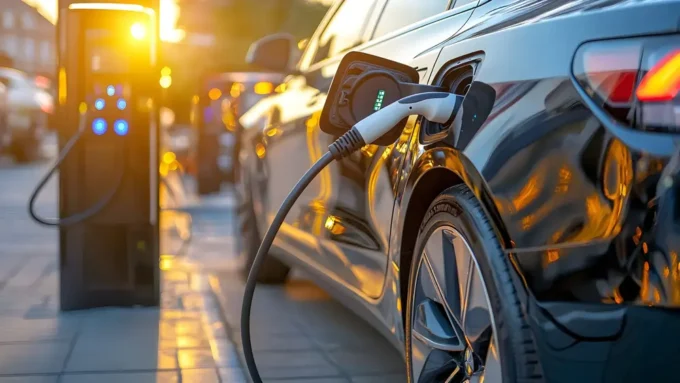
Rising global oil prices—driven by geopolitical tensions in the Middle East—are playing a significant role in accelerating the transition toward electric vehicles. As petrol and diesel prices increase, the total cost of ownership for internal combustion engine vehicles rises, making EVs a more attractive and economically viable alternative for consumers.
This shift highlights the strong link between energy markets and mobility trends. Fluctuations in fuel prices can have an immediate impact on consumer behavior, often accelerating the adoption of alternative technologies such as electric vehicles.
For Chinese automakers, this dynamic presents a significant opportunity. Having already established a strong position in the EV market, they are well placed to benefit from increased demand driven by higher fuel costs. Their ability to offer competitively priced vehicles with advanced features gives them a clear advantage in capturing market share.
At the same time, range and charging performance remain critical competitive factors. Consumers are increasingly prioritizing vehicles that offer longer driving ranges and faster charging times, reducing concerns around convenience and usability.
A notable example is Xiaomi, whose CEO recently demonstrated the capabilities of the SU7 Pro electric sedan by completing a 1,300 km journey from Beijing to Shanghai with just a single charging stop. This highlights the rapid progress being made in battery technology and energy efficiency, as well as the growing confidence of consumers in EV performance.
As energy prices remain volatile, the economic case for electric vehicles is likely to strengthen further. This trend, combined with ongoing technological advancements and supportive policy environments, suggests that EV adoption will continue to accelerate—reinforcing the shift toward a more sustainable and electrified transportation system.
Exports and Global Expansion Strategy
As competition intensifies domestically, Chinese automakers are increasingly looking beyond their home market for growth. Overseas expansion is becoming a strategic priority, rather than simply a way to absorb excess capacity.
China exported more than 2.6 million new energy vehicles last year, with exports continuing to grow rapidly. This trend highlights the country’s growing influence in the global EV market.
The ability to scale production, combined with competitive pricing and advanced technology, is enabling Chinese brands to expand their presence in international markets, challenging established players worldwide.
Outlook: A New Era of Automotive Competition
The Beijing auto show underscores a fundamental shift in the global automotive industry. China is no longer just the largest market—it is increasingly the center of innovation, particularly in electric vehicles and digital mobility.
In the near term, competition is expected to intensify further, driven by rapid technological advancements and evolving consumer preferences. Price pressures and market consolidation are likely to shape the industry landscape.
Over the longer term, the transition toward electric, connected, and autonomous vehicles will continue to redefine the sector. Companies that can integrate hardware, software, and ecosystem capabilities effectively will be best positioned to succeed.
As the industry evolves, the balance of power is shifting—placing Chinese automakers at the forefront of a new era in global mobility.
Your financial future isn’t something you wait for—it’s something you build.
The real question is: when do you begin?
Move beyond simply staying informed.
Navigate the markets with clarity—track trends through the Serrari Group Market Index, uncover opportunities in the Serrari Marketplace, and build practical knowledge with our Curated Wealth Builder Platform.
Stay connected to what truly matters.
Get daily insights on macro trends and financial movements across Kenya, Africa, and global markets—delivered through the Serrari Newsletter.
Growth opens doors.
Advance your career through professional programs including ACCA,HESI A2,ATI TEAS 7,HESI EXIT ,NCLEX – RNandNCLEX – PN, Financial Literacy!🌟—designed to move you forward with confidence.
See where money is flowing—clearly and in real time.
Track Money Market Funds, Treasury Bills, Treasury Bonds, Green Bonds, and Fixed Deposits, alongside global and African indexes, key economic indicators, and the evolving Crypto and stablecoin landscape—all withinSerrari’s Market Index.