India’s decision to withdraw its bid to host COP33 in 2028 has introduced uncertainty into global climate diplomacy, particularly within the Asia-Pacific region, which is next in line to host the summit. The move, made without detailed public explanation, reflects shifting national priorities amid geopolitical tensions, economic considerations, and competing global commitments.
The withdrawal highlights the growing complexity of hosting large-scale climate negotiations, which require significant financial, logistical, and political resources. It also underscores a broader trend where countries are balancing climate leadership ambitions with domestic and geopolitical realities.
With no confirmed host and limited interest from other nations, the race for COP33 is now open—raising important questions about leadership, global cooperation, and the future direction of climate negotiations.
Key Overview
- India has withdrawn its bid to host COP33 in 2028
- Decision communicated quietly without public explanation
- COP33 now has no confirmed host country
- Asia-Pacific region is next in line to host the summit
- South Korea has not formally submitted a bid
- Hosting COP requires significant financial and logistical capacity
- Move comes amid global geopolitical and economic uncertainty
- Critics call it a missed opportunity for climate leadership
- India continues to pursue renewable energy and climate targets
- Raises broader questions about global climate governance and commitment
By: Rosemary Wambui
9th April 2026
India Withdraws From COP33 Hosting Bid
India has quietly withdrawn its offer to host the 2028 United Nations climate summit (COP33), a move that has introduced uncertainty into the global climate calendar.
The decision, which was communicated to other nations on April 2, follows an internal review of the country’s commitments for that year. While no detailed explanation has been publicly provided, the withdrawal marks a significant shift from India’s earlier position.
The bid had originally been announced by Prime Minister Narendra Modi at COP28 in Dubai in 2023, where India positioned itself as a potential leader in global climate action.
The sudden reversal, however, suggests that evolving domestic priorities and global conditions may have influenced the government’s decision, leaving observers and stakeholders seeking clarity on the underlying reasons.
Markets move fast; don’t get left behind. We’ve paired the Serrari Group Market Index with a curated Marketplace and a comprehensive Wealth Builder Course to ensure you have the data—and the skills—to act on it.
A Leadership Opportunity Deferred
India’s withdrawal has been widely interpreted as a missed opportunity to reinforce its position as a leader in global climate diplomacy.
Hosting a COP summit offers countries a unique platform to shape international climate agendas, showcase domestic achievements, and advocate for the interests of developing nations.
For India, this would have been an opportunity to highlight its progress in renewable energy, electric mobility, and climate adaptation, while also championing the priorities of the Global South.
Climate experts have noted that the decision effectively removes a platform where India could have pushed for greater accountability from developed nations, particularly on issues such as climate finance and technology transfer.
This shift raises important questions about how countries balance international leadership roles with domestic priorities and constraints.
The Complexity of Hosting a Global Climate Summit
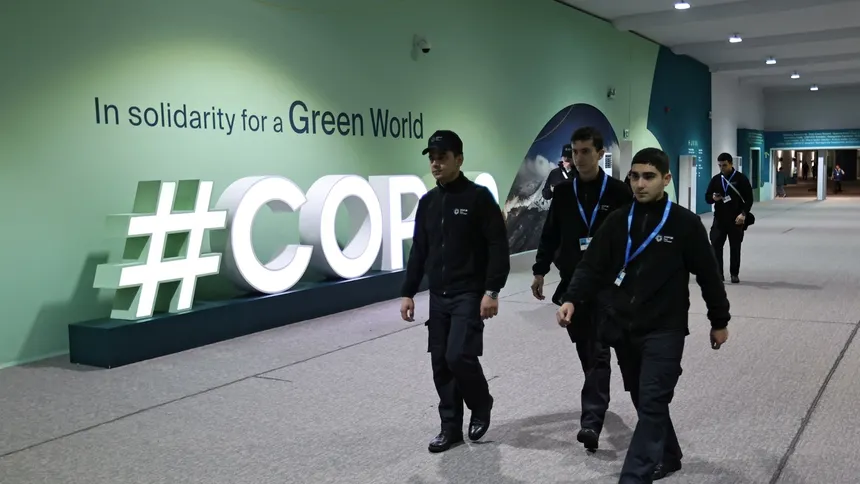
Hosting a Conference of the Parties (COP) summit is a highly complex undertaking that requires substantial financial, logistical, and administrative resources from the host country.
These events bring together tens of thousands of delegates from around the world, including government officials, policymakers, business leaders, scientists, negotiators, and civil society representatives. As a result, they rank among the largest and most demanding international gatherings, requiring extensive planning and coordination over several years.
For host countries, this responsibility goes far beyond simply providing a venue. It involves ensuring adequate infrastructure, managing security arrangements, coordinating accommodation and transportation, and facilitating smooth and effective negotiations among participating nations. The logistical demands are matched by diplomatic responsibilities, as hosts often play a central role in guiding discussions and fostering consensus.
In India’s case, the decision to withdraw its bid may reflect a reassessment of these extensive requirements, particularly in light of competing national priorities and the broader global uncertainties currently shaping policy decisions.
The move highlights a growing recognition that hosting such global events is not merely symbolic—it is a significant operational commitment that requires careful alignment with a country’s capacity, priorities, and long-term strategic considerations.
Uncertainty Over COP33 Host Nation
With India stepping aside, the question of who will host COP33 in 2028 remains unresolved, introducing a level of uncertainty into the global climate negotiation calendar.
Under the United Nations’ rotational system, the Asia-Pacific Group is next in line to host the summit, making it responsible for identifying and putting forward a suitable host country.
While South Korea had previously been mentioned as a potential candidate, its national government has clarified that no formal bid has been submitted. Officials have pointed to capacity constraints and the possibility of overlapping commitments, including hosting the G20 Summit in the same year, as factors that could limit its ability to take on another major international event.
This situation leaves a gap, with no confirmed host for COP33 and limited clarity on which country within the region might step forward to take on the responsibility.
The uncertainty underscores the broader challenges associated with securing hosts for large-scale international events, particularly in a global environment marked by economic pressures, geopolitical complexity, and competing national priorities
Context is everything. While you follow today’s updates, use the Serrari Group Market Index and Marketplace to spot emerging shifts. Need to sharpen your edge? Our Wealth Builder Course turns these insights into a professional-grade strategy.
Geopolitics and Climate Priorities
India’s decision comes at a time when global geopolitics are playing an increasingly influential role in shaping climate policy and decision-making across countries.
Ongoing conflicts and rising economic uncertainties have created a more complex global environment, prompting many nations to adopt more cautious and measured approaches to climate commitments. In this context, governments are often prioritizing immediate concerns such as energy security, economic stability, and supply chain resilience over more ambitious or resource-intensive climate initiatives.
This shift is reflected in broader global trends, where countries are actively balancing long-term sustainability goals with pressing economic and political realities. The need to ensure stable energy supply and manage domestic economic pressures has, in many cases, influenced how climate strategies are being framed and implemented.
Within this broader context, India’s withdrawal from hosting COP33 can be understood as part of a wider pattern, where climate leadership ambitions are being weighed against competing national priorities and constraints. It highlights the increasingly complex intersection between geopolitics, economics, and climate action in today’s global landscape.
India’s Climate Commitments Remain Intact
Despite withdrawing from its role as a potential host for COP33, India continues to maintain its existing climate commitments and remains engaged in its transition toward cleaner energy systems.
The country has recently updated its Nationally Determined Contributions (NDCs), which outline its long-term climate targets under the Paris Agreement framework. These targets include reducing the emissions intensity of its GDP, increasing the share of non-fossil fuel-based energy capacity, and expanding carbon sinks through forest and tree cover.
These commitments demonstrate that India’s broader climate agenda remains in place, even as it steps back from hosting responsibilities associated with the global summit. They reflect continued participation in international climate efforts and alignment with global frameworks aimed at reducing emissions and addressing climate change.
At the same time, some experts have pointed out that these targets may not fully reflect the country’s potential for accelerated clean energy growth. This has led to discussions around whether more ambitious goals could be set in the future, particularly given the pace of renewable energy expansion already underway.
A Broader Shift in Climate Leadership
India’s withdrawal also highlights a broader shift in how climate leadership is being expressed and exercised at the global level.
Rather than focusing primarily on hosting high-profile international events such as COP summits, countries are increasingly placing greater emphasis on domestic policy implementation and on-the-ground action. This reflects a growing recognition that progress on climate change depends not only on global negotiations, but also on concrete measures taken within national borders.
This evolving approach suggests that leadership in climate action is becoming more distributed, with countries demonstrating their commitments through domestic initiatives, policy frameworks, and implementation strategies rather than solely through diplomatic platforms.
At the same time, this shift raises important questions about the future of global climate governance and coordination. As countries recalibrate their roles, the extent to which major economies continue to drive collective action and maintain momentum in international negotiations will remain a key area of focus.
Outlook: What Comes Next for COP33 and Global Climate Talks
Looking ahead, the search for a host for COP33 is likely to intensify, with increased attention on countries within the Asia-Pacific region.
In the short term, diplomatic efforts will focus on identifying a willing and capable host that can meet the demands of organizing the summit.
Over the medium term, the situation may prompt broader discussions about how COP meetings are organized and funded, particularly in light of the growing complexity and cost of hosting such events.
In the long term, the episode highlights a key challenge for global climate governance: ensuring sustained leadership and cooperation in an increasingly uncertain world.
Ultimately, India’s decision serves as a reminder that climate action is shaped not only by environmental imperatives, but also by political, economic, and strategic considerations.
And as the world moves closer to critical climate deadlines, the need for clear leadership and coordinated action will only become more urgent.
Your financial future isn’t something you wait for—it’s something you build.
The real question is: when do you begin?
Move beyond simply staying informed.
Navigate the markets with clarity—track trends through the Serrari Group Market Index, uncover opportunities in the Serrari Marketplace, and build practical knowledge with our Curated Wealth Builder Course.
Stay connected to what truly matters.
Get daily insights on macro trends and financial movements across Kenya, Africa, and global markets—delivered through the Serrari Newsletter.
Growth opens doors.
Advance your career through professional programs including ACCA, HESI A2, ATI TEAS 7 , HESI EXIT , NCLEX – RN and NCLEX – PN, Financial Literacy!🌟—designed to move you forward with confidence.
See where money is flowing—clearly and in real time.
Track Money Market Funds, Treasury Bills, Treasury Bonds, Green Bonds, and Fixed Deposits, alongside global and African indexes, key economic indicators, and the evolving Crypto and stablecoin landscape—all within Serrari’s Market Index.