The International Energy Agency (IEA) expects global natural gas demand to decline by 0.5% in 2026, marking the third annual contraction in seven years. The slowdown is being driven by disruptions to LNG exports from the Middle East following the conflict around the Strait of Hormuz, higher natural gas prices, and weaker industrial and power sector demand. While increased LNG production from North America, Africa, and Australia is helping offset supply losses, the IEA warns that prolonged disruptions could tighten global gas markets through 2027.
Key Overview
- Global gas demand is forecast to decline by 0.5% in 2026.
- The decline would mark the third annual contraction in seven years.
- LNG supply from Qatar and the UAE fell by almost 80% between March and June.
- The Strait of Hormuz normally carries around 20% of global LNG trade.
- Additional LNG output from North America, Africa, and Australia is expected to offset much of the supply disruption.
- The IEA warns that prolonged shipping disruptions could trigger the first annual decline in global LNG supply since 2012.
Middle East Conflict Continues to Pressure Global Gas Markets
The International Energy Agency (IEA) has forecast that global natural gas demand will decline by 0.5% this year, reflecting the continued impact of the conflict in the Middle East on global energy markets.
According to the IEA’s latest Gas Market Report for the third quarter, weaker consumption is expected primarily in the power generation and industrial sectors. If realised, this would mark the third time global gas demand has fallen on an annual basis within the past seven years, highlighting the growing pressure on international gas markets.
The report attributes much of the weakness to tighter supply conditions following disruptions to liquefied natural gas (LNG) shipments through the Strait of Hormuz, one of the world’s most important energy shipping routes.
Strait of Hormuz Disruptions Continue to Affect LNG Trade
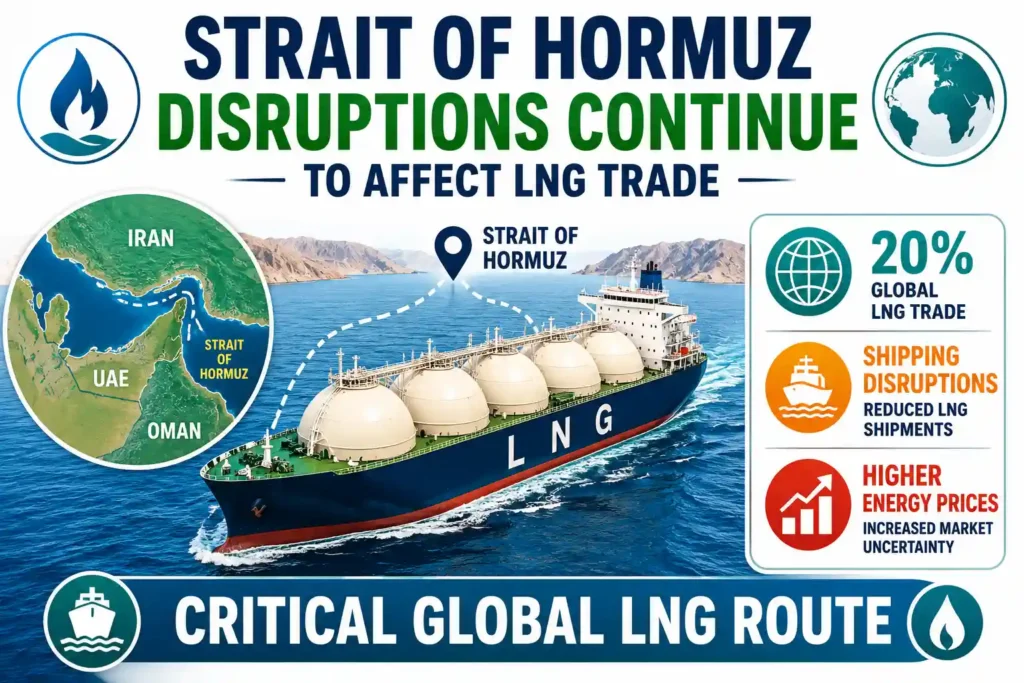
The Strait of Hormuz previously handled roughly 20% of the global LNG supplies, making it a critical gateway for international energy markets.
Although LNG carrier traffic has gradually increased since the United States and Iran reached an interim agreement in mid-June to halt hostilities and reopen the shipping route, vessel movements remain well below pre-conflict levels.
The IEA notes that uncertainty surrounding future shipping flows continues to weigh on market confidence, even as natural gas prices in both Asia and Europe have eased from the highs recorded earlier this year. However, prices remain significantly above 2025 levels.
Middle East and Asia Lead Decline in Gas Demand
Initial market data indicates that global natural gas consumption contracted during the first half of 2026 compared with the same period a year earlier.
The decline has been most pronounced across the Middle East, where tighter gas supplies and damage to gas-intensive industries have reduced consumption.
Asia has also experienced softer demand, with higher gas prices encouraging utilities to switch to alternative fuels—particularly coal—for electricity generation. According to the report, gas demand across Asia declined by around 1% year-on-year during the first half of the year as governments implemented measures to reduce consumption and improve fuel flexibility.
Other Regions Offset Sharp Gulf Supply Losses
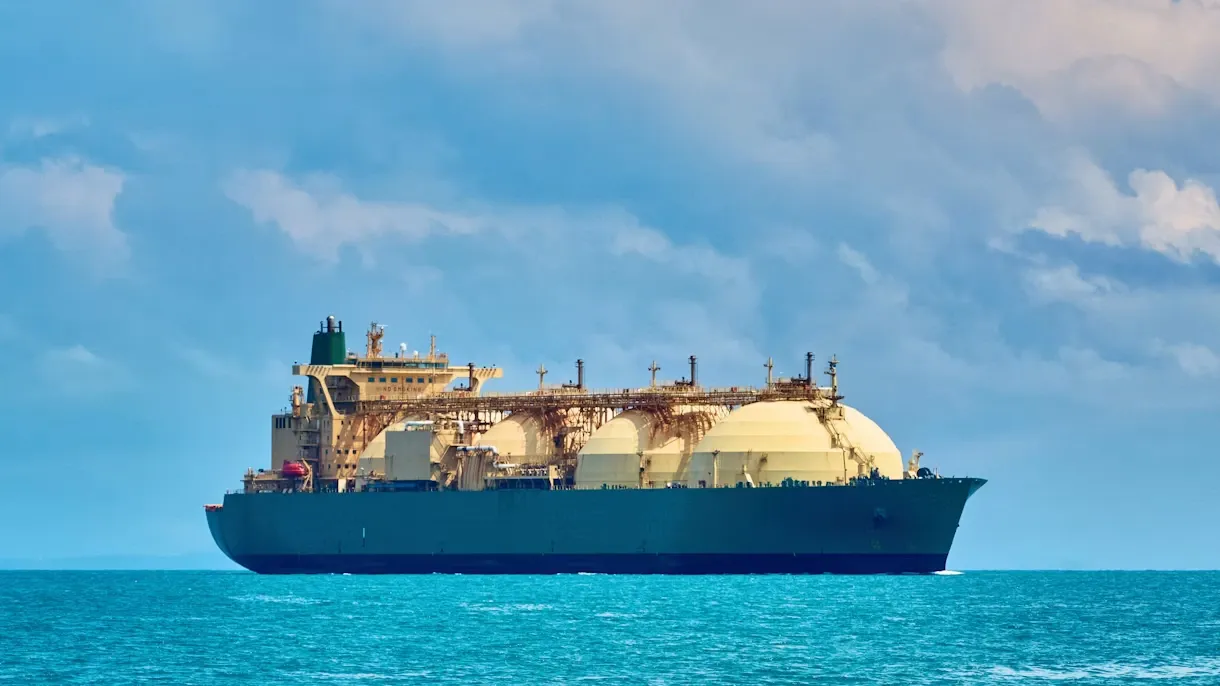
The report highlights a dramatic reduction in LNG production from Qatar and the United Arab Emirates.
Combined LNG output from the two countries fell by almost 80% in the March-June period compared with the same period in 2025, reflecting the impact of conflict-related disruptions.
Despite these losses, the IEA expects global LNG supply for the full year to remain broadly unchanged from 2025 as new production projects begin operating in North America, Africa, and Australia.
However, the agency warns that if the Strait of Hormuz is not fully reopened before the start of the fourth quarter, the global LNG market could experience its first annual decline in global LNG supply since 2012.
Context is everything. Stay ahead of shifting trends with today’s market updates, and uncover emerging opportunities using the Serrari Group Market Index and Marketplace. Then, take control of your own financial future by exploring our Money & Life Reset Transformation Blueprint ™ to build stronger habits, create better systems, and design a path toward lasting wealth.
Qatar’s Expansion Plans Face Delays
Beyond the immediate disruption, the IEA believes the conflict could have longer-term implications for global LNG supply.
Before hostilities began earlier this year, the global gas market had been gradually moving toward a more balanced position as new LNG export projects entered operation.
However, damage to gas infrastructure—including facilities at Ras Laffan, Qatar’s flagship LNG export complex and the world’s largest liquefaction site—is expected to delay the country’s planned LNG capacity expansion.
The report says these setbacks are likely to affect projected supply growth through 2026 and 2027, keeping global gas markets tighter than previously anticipated over the next two years.
Higher Gas Prices Ripple Across Global Economy
The effects of tighter gas markets extend well beyond the energy sector.
Natural gas remains a key feedstock for global fertiliser production, meaning supply disruptions have placed additional pressure on fertiliser manufacturing and agricultural supply chains.
The IEA warns that rising production costs could have wider implications for food security, particularly in vulnerable regions that depend heavily on imported fertilisers and affordable agricultural inputs.
Meanwhile, European and Asian benchmark gas prices remain elevated despite easing from recent highs. Europe’s TTF benchmark averaged nearly $16 per million British thermal units (mmBtu) during the second quarter, while Asia’s Platts JKM LNG benchmark averaged around $17.5/mmBtu, representing significant year-on-year increases.
Outlook
The IEA expects global gas markets to remain under pressure over the coming two years as uncertainty surrounding Middle East supply disruptions continues. Although expanding LNG production in North America, Africa, and Australia is helping offset reduced exports from the Gulf, delays to Qatar’s planned capacity expansion and continued risks around the Strait of Hormuz could keep global supply constrained. Elevated natural gas prices are also likely to influence industrial activity, electricity generation, and fertilizer production, reinforcing the broader economic importance of stable LNG supply chains.
FAQs
1. Why is global gas demand expected to decline in 2026?
The IEA forecasts a 0.5% decline due to weaker industrial and power sector demand, higher gas prices, and supply disruptions linked to the Middle East conflict.
2. Why is the Strait of Hormuz important to LNG markets?
The Strait of Hormuz typically carries about 20% of global LNG shipments, making it one of the world’s most critical energy trade routes.
3. How are other regions helping offset LNG supply losses?
New LNG production projects in North America, Africa, and Australia are increasing output, helping compensate for reduced exports from Qatar and the UAE.
4. How could gas market disruptions affect the wider economy?
Higher natural gas prices increase fertilizer production costs, potentially affecting food supply chains, agricultural productivity, and inflation in many regions worldwide.
Sources: IEA, Engineering News, Zawya, Business Line
Your financial future isn’t something you wait for—it’s something you build.
The real question is: when do you begin?
Move beyond simply staying informed.
Navigate the markets with clarity—track trends through the Serrari Group Market Index, uncover opportunities in the Serrari Marketplace, and build practical knowledge with our Curated Wealth Builder Platform.
Stay connected to what truly matters.
Get daily insights on macro trends and financial movements across Kenya, Africa, and global markets—delivered through the Serrari Newsletter.
Growth opens doors.
Advance your career through professional programs including ACCA, HESI A2, ATI TEAS 7 , HESI EXIT , NCLEX – RN and NCLEX – PN, Financial Literacy!🌟—designed to move you forward with confidence.
See where money is flowing—clearly and in real time.
Track Money Market Funds, Treasury Bills, Treasury Bonds, Green Bonds, and Fixed Deposits, alongside global and African indexes, key economic indicators, and the evolving Crypto and stablecoin landscape—all within Serrari’s Market Index.