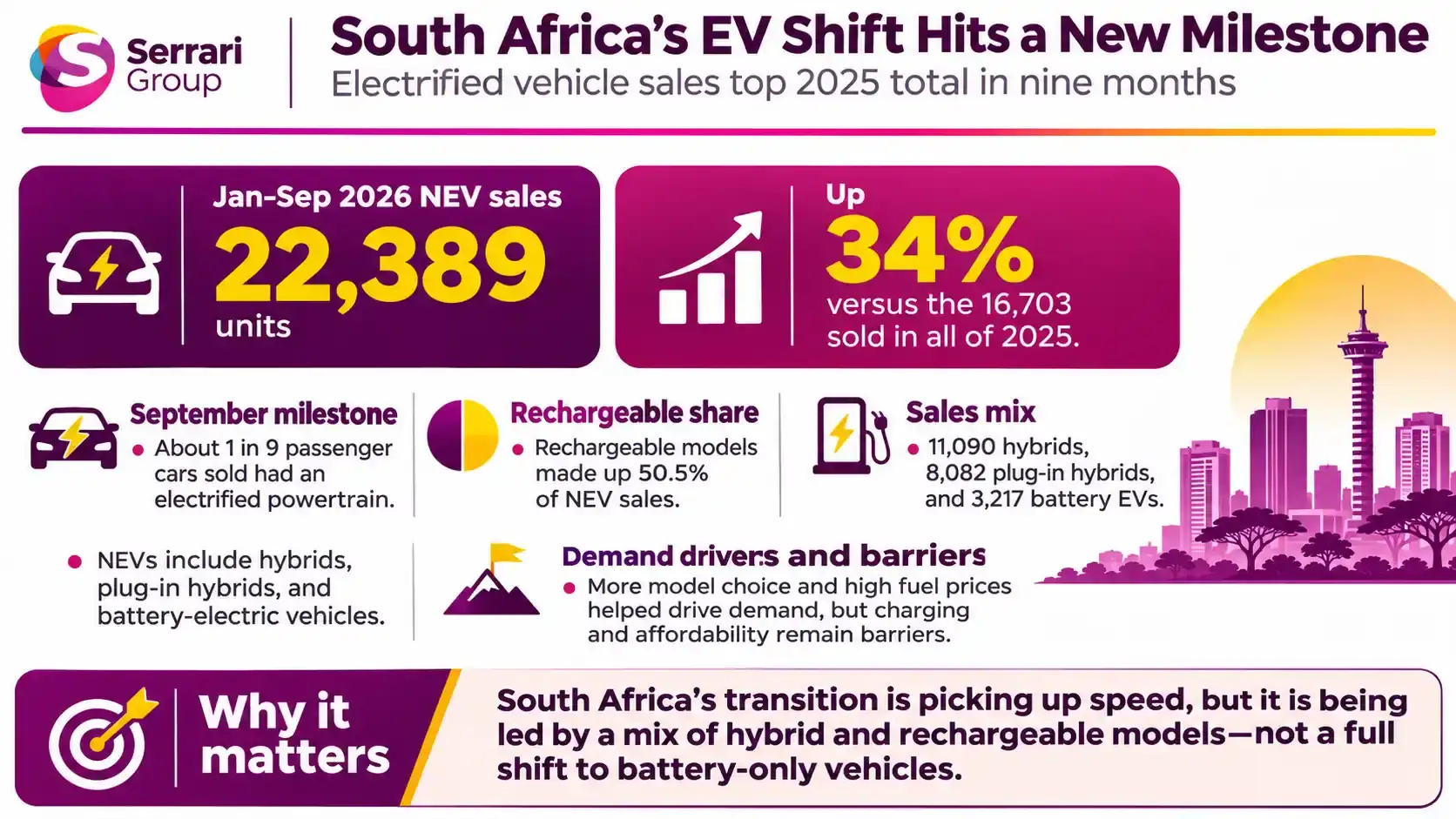
South Africa sold 22,389 new energy vehicles (NEVs) during the first nine months of 2026, exceeding the 16,703 sold throughout 2025 by 34%, according to industry figures released on November 2. In September, approximately one in every nine new passenger cars sold had an electrified powertrain. The milestone reflects a widening choice of vehicles, greater interest in cutting exposure to volatile fuel prices, and a gradual shift in the economics of car ownership.
The headline, however, needs qualification. The NEV category covers conventional hybrids, plug-in hybrids and fully battery-electric vehicles—not just cars powered exclusively by batteries. Fully electric models accounted for 3,217 of the nine-month total. South Africa’s transition is therefore advancing primarily through a combination of technologies rather than a sudden wholesale move away from petrol engines. Whether that transition accelerates will depend on purchase prices, access to charging, electricity reliability, financing and the country’s ability to manufacture competitive vehicles.
Key Overview
- NEV sales surpass 2025: January–September 2026 sales reached 22,389, compared with 16,703 across the whole of 2025, a 34% difference between periods of unequal length.
- Fully electric cars remain a minority: Battery-electric vehicles accounted for 3,217 sales, against 8,082 plug-in hybrids and 11,090 conventional hybrids.
- Rechargeable vehicles take the lead: Plug-in hybrids and battery-electric vehicles together represented 50.5% of NEV sales through September.
- Fuel costs drive interest: A surge in petrol and diesel prices has encouraged motorists to reconsider the total cost of vehicle ownership.
- The broader car market is growing: October new-vehicle sales reached 61,890, an increase of 10.4% from a year earlier, although those October figures are separate from the January–September NEV breakdown.
- Challenges remain: Upfront affordability, home-charging access, electricity costs and resale values will influence whether electrified vehicles spread beyond early adopters.
Why Electrified Car Sales Are Accelerating
The latest vehicle-industry sales release shows a market in which alternatives to conventional petrol and diesel vehicles are attracting increasingly serious attention. Consumers are responding not only to environmental concerns, but also to the financial uncertainty created by fuel-price shocks. When the cost of filling a tank can change markedly from one month to another, predictable operating expenses become more valuable to households and fleet managers.
South Africa’s inland petrol prices crossed R30 per litre in October. The reported fuel-price pressures were linked to higher international oil prices and supply disruptions, reinforcing the appeal of cars that use less liquid fuel. Hybrids can reduce fuel use through regenerative braking and electric assistance; plug-in hybrids can cover some trips using grid electricity; and battery-electric vehicles dispense with petrol at the point of use entirely.
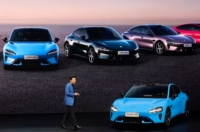
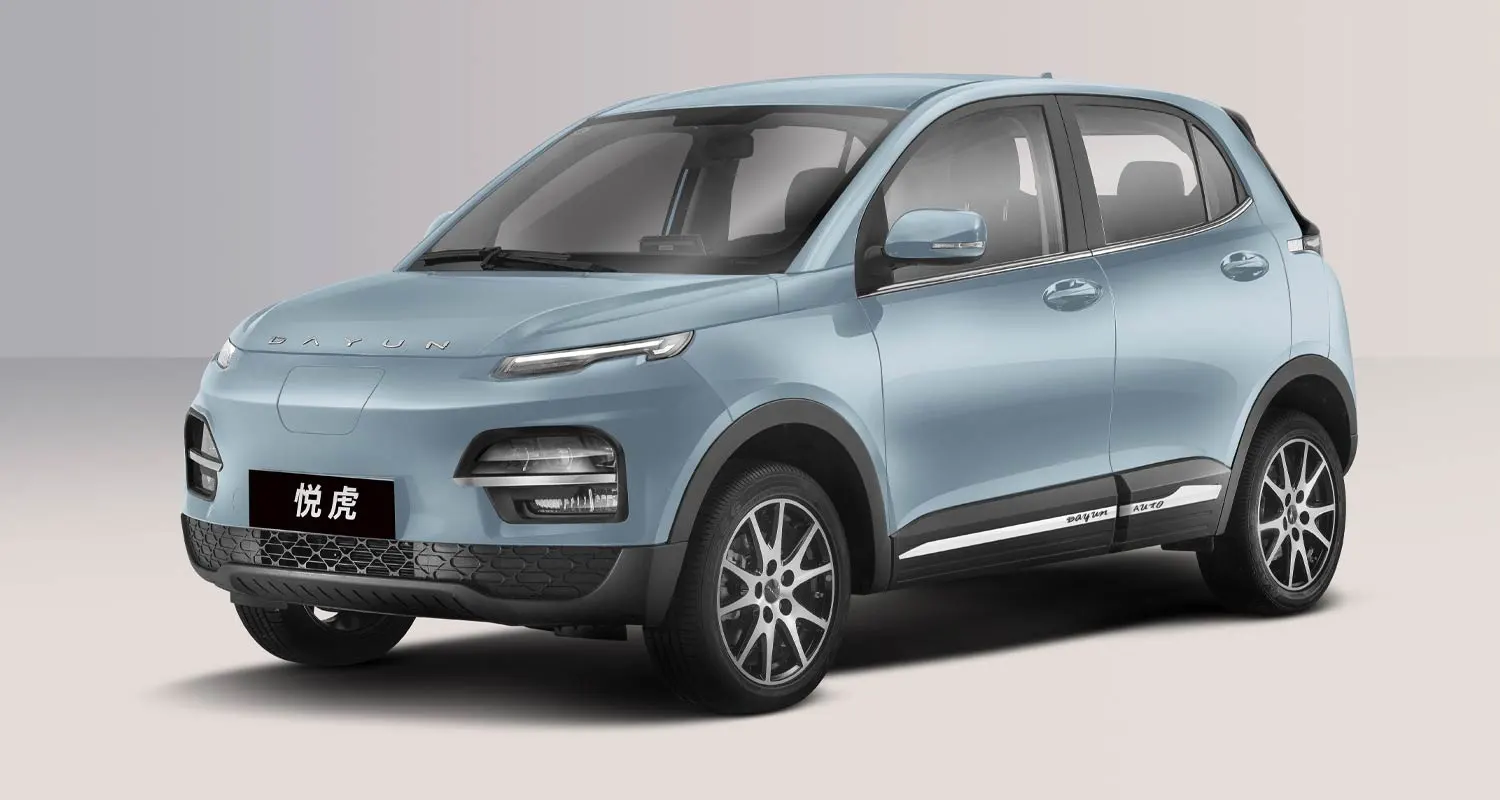
But high fuel prices are only one explanation. A growing range of electrified models, including offerings from Chinese manufacturers such as BYD, Chery and Great Wall Motor, is expanding consumer choice. Greater variety can help buyers find a vehicle that fits their budget, size requirements and preferred driving pattern. It can also increase competitive pressure on established manufacturers to offer better specifications or prices.
The most meaningful shift is that electrification is becoming a practical purchasing option rather than only a niche technology statement. That does not mean it is the cheapest option for everyone. Drivers who travel long distances, cannot charge at home or face expensive financing may reach different conclusions from commuters who can charge overnight and drive predictable daily routes.
What the Sales Breakdown Really Shows
The January–September composition is critical. Conventional hybrids accounted for 11,090 vehicles, or 49.5% of NEV sales. Plug-in hybrids contributed 8,082, and fully battery-electric models another 3,217. The latter two categories together reached 11,299 vehicles, or 50.5% of the NEV total.
These powertrains serve different needs. A conventional hybrid cannot normally be charged from an external socket and still relies on liquid fuel, although it may consume less of it. A plug-in hybrid carries both a rechargeable battery and a combustion engine, potentially delivering substantial fuel savings when regularly charged and driven within its electric range. A battery-electric vehicle requires charging infrastructure and has no tailpipe emissions while operating.
That distinction prevents a misleading interpretation of the sales milestone. The claim that South Africa sold 22,389 electric cars would overstate the number of fully electric vehicles by nearly sevenfold. Equally, the fact that rechargeable models now slightly outnumber conventional hybrids within the NEV category suggests buyers are becoming more willing to consider plugging in, rather than relying entirely on familiar hybrid technology.
September’s one-in-nine milestone refers to the share of passenger-car sales in that particular month. It should not be presented as the year-to-date share of every vehicle sold or applied to October’s total. The comparison of 2026’s first nine months with the whole of 2025 shows that the previous annual total has been surpassed early, but it cannot substitute for a like-for-like comparison of the same nine months across both years.
Will Drivers Actually Save Money?
For a household considering a switch, the key economic measure is total cost of ownership: the vehicle price, financing, energy, servicing, insurance, tyres and expected resale value over the intended ownership period. Cheaper energy per kilometre can be attractive, but only if the saving compensates for any higher upfront vehicle price and additional charging costs.
A driver able to charge at home during lower-priced periods may have a different cost profile from one dependent on public fast chargers. Conventional hybrids avoid charging requirements entirely, making them a potentially less disruptive step for people living in apartments or areas with limited infrastructure. Plug-in hybrids can be economical when their batteries are used consistently, but their advantage shrinks if owners rarely charge and instead carry the extra weight of two power systems while using petrol.
The vehicle-dealer industry’s assessment cautions against assuming that stronger sales mean household budgets are comfortable. Deposits, loan terms and balloon payments can materially change affordability. A vehicle that saves money on fuel can still be expensive overall if financed at a high interest rate or purchased at a significant premium.
For companies operating delivery vehicles, taxis or sales fleets, the calculation is similarly route-specific. High-mileage vehicles may generate substantial operating savings if charging is dependable and downtime is low. Fleet operators must also assess charger installation, battery warranties, maintenance arrangements and whether replacement vehicles will retain sufficient value.
Charging and Electricity Remain the Practical Tests
The move from conventional hybrids to rechargeable vehicles puts infrastructure under closer scrutiny. Public chargers can increase confidence on intercity routes, but regular access to affordable home or workplace charging is likely to remain important for many purchasers. Charging availability is not just about the number of stations: location, reliability, connector compatibility, waiting times and payment systems all shape the experience.
South Africa’s electricity system adds another layer. Vehicle charging increases electricity demand, although smart scheduling can shift some load into off-peak periods. Rooftop solar and workplace charging may help some users reduce exposure to grid tariffs, but installing such systems has a cost and is not feasible for every household. A buyer cannot assume that charging will always be cheaper than petrol without checking local tariffs and the specific vehicle’s consumption.
The environmental benefit also varies with the electricity mix. Battery-electric vehicles produce no exhaust emissions while driving, improving local air quality, but electricity generation and battery production still carry environmental impacts. As the power system incorporates more low-carbon generation, emissions associated with charging can fall further. A credible transition requires attention to electricity generation as well as vehicles themselves.
Context is everything. Stay ahead of shifting trends with today’s market updates, and uncover emerging opportunities using the Serrari Group Market Index and Marketplace. Then, take control of your own financial future by exploring our Money & Life Reset Transformation Blueprint ™ to build stronger habits, create better systems, and design a path toward lasting wealth.
Why Chinese Competition Is Reshaping the Market
The expansion of Chinese brands matters because adoption depends heavily on what consumers can actually buy. More models at different price points give households alternatives to higher-priced premium electrified vehicles. New entrants can also compete on battery range, infotainment, warranty packages and standard features.
For traditional manufacturers and dealerships, this changes the competitive landscape. Sales teams need to explain the differences among hybrid, plug-in hybrid and fully electric systems, while service networks must invest in appropriate diagnostic skills and safety procedures. Financing and insurance providers need reliable information about batteries, repair costs and used-car values.
Yet wider model availability does not guarantee universal affordability. Import duties, exchange-rate movements and local distribution costs can keep purchase prices high. Early demand may remain concentrated among higher-income households and company fleets unless smaller and lower-cost models become more accessible. This is why rising sales numbers should be treated as evidence of momentum, not proof that all South African motorists can afford to switch.
A Bigger Question for South Africa’s Automotive Factories
The transition also challenges South Africa’s position as a vehicle-production and export hub. Manufacturing plants and component suppliers have historically been organized around combustion-engine vehicles. As international markets increasingly demand low-emission models, manufacturers must decide whether to adapt plants, source new components and retrain workers. Failure to respond could weaken competitiveness even if domestic buyers continue purchasing petrol cars.
The government’s Electric Vehicles White Paper sets out a transition toward production of new energy vehicles, with a focus on protecting industrial capacity and jobs. Policymakers also introduced a 150% investment allowance for qualifying electric and hydrogen vehicle production assets, effective from March 2026 under the stated framework.
This is an industrial policy issue as much as a consumer one. Producing electrified vehicles locally could support investment in batteries, electronics, charging equipment and specialized components. But success requires export demand, supplier readiness, manufacturing scale and training. A tax allowance can encourage investment without guaranteeing that manufacturers will commit capital or that workers displaced from older technologies will find equivalent employment.
The October export figures underline the stakes. Vehicle exports rose 6.3% year on year to 38,117 units in October, but shipments over the first ten months remained below the same period in 2025. The industry is navigating immediate demand fluctuations at the same time as a longer-term technological transition.
Why October’s Strong Car Sales Do Not Tell the Whole Story
Overall domestic new-vehicle sales reached 61,890 in October, an increase of 10.4% from October 2025 and the highest monthly level of 2026. Yet the dealer-market breakdown shows that rental purchases contributed to activity as companies prepared for the year-end travel season. A healthy aggregate number therefore does not necessarily indicate a comparable surge in purchases by private households.
The NEV statistics are also one month behind the overall market figures: they cover January through September. Mixing the two periods would imply a level of October-specific electrification that the published numbers do not establish. More detailed disclosures on model prices, vehicle categories, buyer types and monthly BEV sales would help show whether adoption is broadening beyond early buyers.
An expanding market can create opportunities for dealerships, charging operators, component suppliers and lenders. But a sustainable transition will be measured by repeat purchases, viable used-car markets and everyday ownership economics—not simply by a record sales announcement.
What to Watch Next
The next test is whether electrified vehicles keep gaining share once fuel-price pressures ease or change direction. If buyers continue choosing hybrids and EVs because the models offer compelling value, adoption could remain strong without requiring a permanent oil-price shock. If sales depend mainly on unusually expensive petrol, demand may become more volatile.
The mix will matter as much as the total. Rising battery-electric sales would signal greater confidence in charging and vehicle range, while sustained hybrid growth would suggest South Africans still favor a gradual transition. Policymakers and industry groups should also watch affordability, charging coverage, electricity reliability and investment in domestic production.
The wider significance is that South Africa’s vehicle transition has passed an important demand milestone without completing the move to fully electric mobility. Buyers are experimenting with several ways to reduce fuel exposure, manufacturers are competing for that demand, and the country must decide how to remain an automotive production center in a changing global market. The next phase will be determined less by the excitement around record sales and more by whether electrified transport becomes economical, accessible and dependable for ordinary motorists.
Sources: Naamsa / Arrive Alive / ITWeb / Business Day / National Automobile Dealers’ Association / South African Government / Department of Trade, Industry and Competition / Saffarazzi
Your financial future isn’t something you wait for—it’s something you build.
The real question is: when do you begin?
Move beyond simply staying informed.
Navigate the markets with clarity—track trends through the Serrari Group Market Index, uncover opportunities in the Serrari Marketplace, and build practical knowledge with our Curated Wealth Builder Platform.
Stay connected to what truly matters.
Get daily insights on macro trends and financial movements across Kenya, Africa, and global markets—delivered through the Serrari Newsletter.
Growth opens doors.
Advance your career through professional programs including ACCA, HESI A2, ATI TEAS 7 , HESI EXIT , NCLEX – RN and NCLEX – PN, Financial Literacy!🌟—designed to move you forward with confidence.
See where money is flowing—clearly and in real time.
Track Money Market Funds, Treasury Bills, Treasury Bonds, Green Bonds, and Fixed Deposits, alongside global and African indexes, key economic indicators, and the evolving Crypto and stablecoin landscape—all within Serrari’s Market Index.