Saudi Arabia has signed three memoranda of understanding (MoUs) with Kuwait, Qatar and Egypt to expand regional energy cooperation. The agreements cover renewable energy, electricity interconnections, oil and gas, clean hydrogen, energy storage, petrochemicals and infrastructure. They also aim to strengthen energy security, improve supply-chain resilience and support cooperation on climate-related technologies.
Key Overview
- Agreements signed: Three memoranda of understanding.
- Countries involved: Saudi Arabia, Kuwait, Qatar and Egypt.
- Signing date: 11 October 2026.
- Kuwait agreement: Electricity, renewable energy, grid interconnection, energy storage and smart grids.
- Qatar agreement: Oil and gas, clean hydrogen, renewables, petrochemicals and energy infrastructure.
- Egypt agreement: Petroleum products, natural gas, transportation, storage and distribution.
- Shared priorities: Energy security, supply-chain resilience, technology cooperation and investment.
Saudi Arabia Expands Regional Energy Partnerships
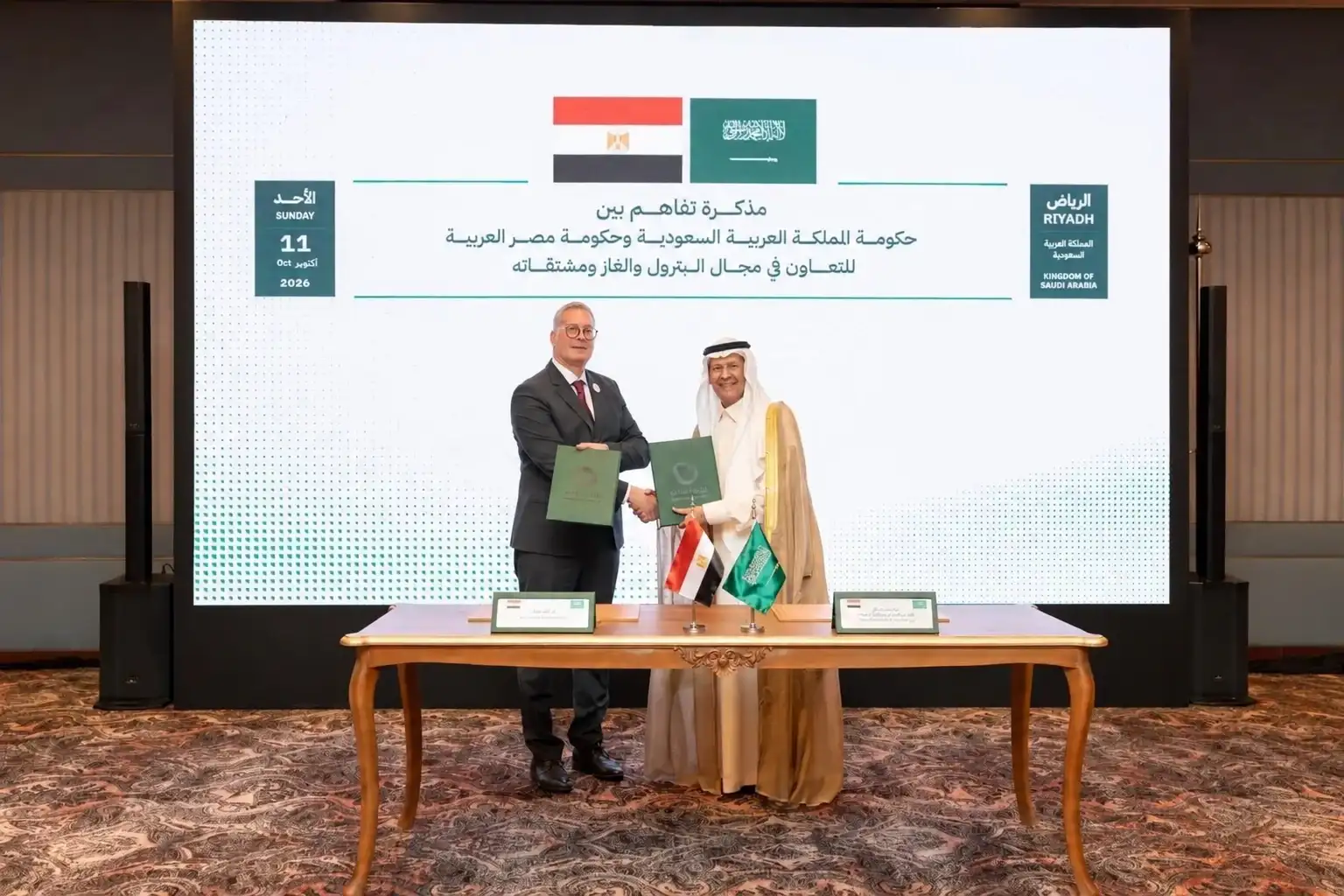
Saudi Arabia has signed three energy cooperation agreements with Kuwait, Qatar and Egypt, strengthening its regional partnerships across conventional energy, renewable power and emerging technologies. The agreements were signed in Riyadh on 11 October 2026 by Energy Minister Prince Abdulaziz bin Salman and his counterparts from the three countries.
The agreements establish frameworks for cooperation across electricity, renewable energy, oil and gas, petrochemicals, energy storage, infrastructure development and investment. They also provide for technology exchange, investment opportunities and collaboration between specialised companies.
The agreements reflect a regional approach to energy security that combines cooperation on established fuel markets with efforts to develop cleaner energy technologies. The arrangements cover different priorities in each bilateral relationship rather than establishing one identical programme for all four countries.
The announcement of the three energy cooperation memoranda highlights the breadth of the partnerships, which include electricity links, renewable energy, oil and gas and investment.
Saudi Arabia and Kuwait Focus on Electricity and Renewables
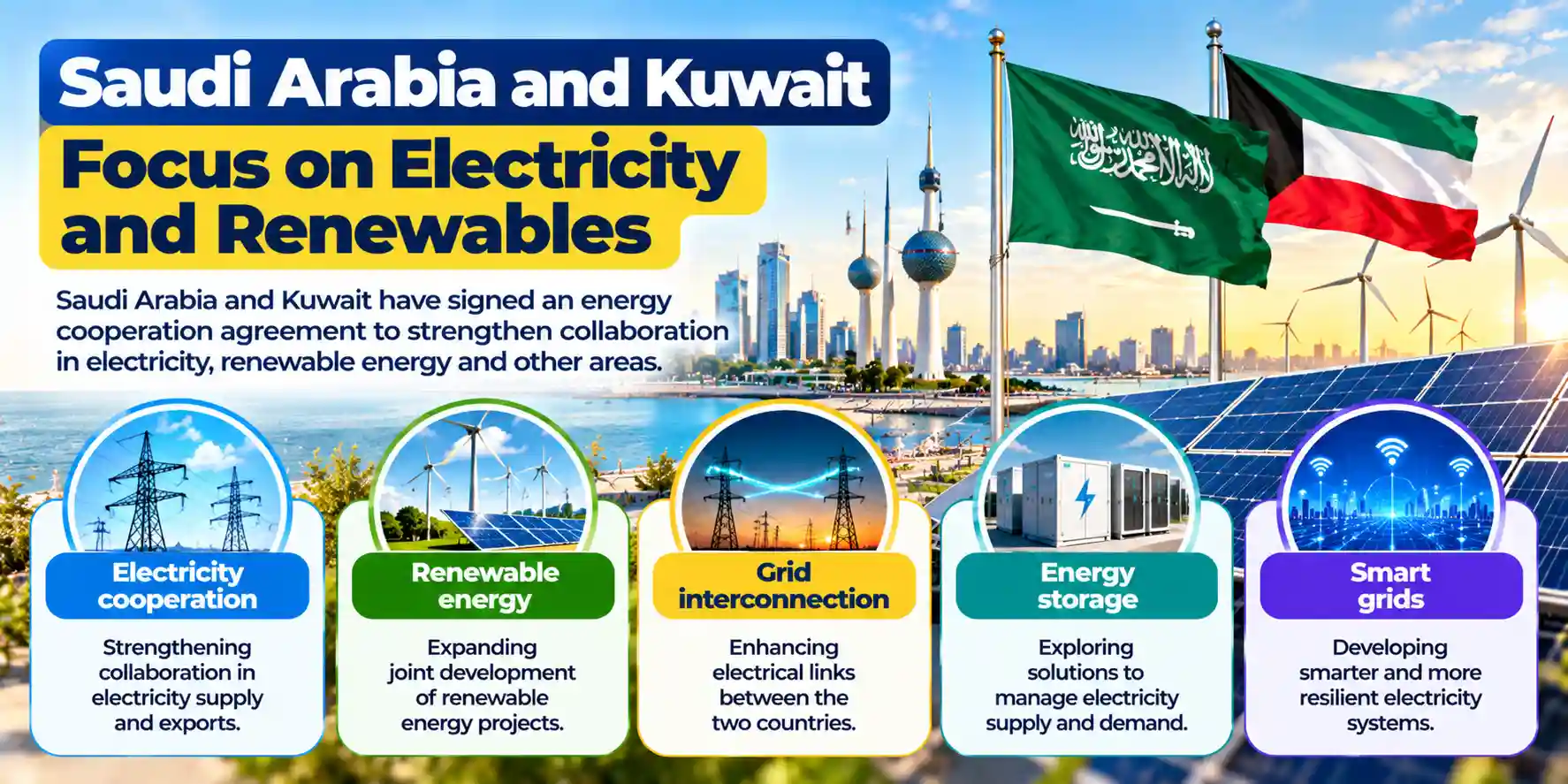
The agreement with Kuwait establishes a framework for cooperation in electricity, renewable energy, electrical interconnection and electricity exports. It also covers energy efficiency, energy storage and smart grids.
These areas could support closer coordination between the two countries’ electricity systems and create opportunities for cooperation on power infrastructure and renewable energy development. Electricity interconnection can enable neighbouring markets to exchange power, while energy storage can help manage fluctuations in electricity supply and demand.
The agreement also includes digital transformation, innovation, cybersecurity and artificial intelligence. Both countries intend to encourage strategic partnerships, strengthen cooperation between companies and promote the localisation of energy-related materials, products and services.
Climate mitigation is another area of cooperation, including Circular Carbon Economy technologies and solutions. This approach encompasses technologies and strategies for managing carbon emissions, including carbon capture, utilisation and storage.
The Saudi-Kuwaiti electricity and renewable energy agreement therefore extends beyond power generation to include digital infrastructure, industrial cooperation and climate-related technologies.
Qatar Partnership Covers Hydrogen, Oil and Gas
The memorandum with Qatar covers a broad range of energy activities, including petroleum products, natural gas, refining, petrochemicals, electricity, clean hydrogen, renewable energy, energy efficiency and storage.
One important element is the proposed exploration of joint projects involving pipelines for transporting and exporting oil and gas. The agreement also provides for cooperation on infrastructure that supports access to energy and the development and use of sustainable petrochemical materials in construction and other sectors.
Clean hydrogen is another area included in the framework. Cooperation in this field could create opportunities for knowledge exchange and investment as both countries explore technologies that may contribute to lower-emission energy systems.
The agreement also addresses international energy-transition and climate discussions, including the United Nations Framework Convention on Climate Change and the Paris Agreement. It includes cooperation relating to international efforts to develop a legally binding instrument on plastic pollution.
The Saudi-Qatar energy cooperation framework combines traditional energy activities with emerging technologies and participation in international climate discussions.
Context is everything. Stay ahead of shifting trends with today’s market updates, and uncover emerging opportunities using the Serrari Group Market Index and Marketplace. Then, take control of your own financial future by exploring our Money & Life Reset Transformation Blueprint ™ to build stronger habits, create better systems, and design a path toward lasting wealth.
Egypt Agreement Targets Oil, Gas and Supply-Chain Resilience
The agreement with Egypt focuses on crude oil, petroleum products and natural gas. Cooperation will cover trading, handling, transportation, storage, distribution and the development of related infrastructure and logistics.
These activities are intended to improve energy-market integration, strengthen supply-chain reliability and enhance energy security. The agreement also provides for cooperation on commercial terms and in accordance with the laws and regulations of both countries.
Another component involves sharing Saudi expertise in the qualification, operation and maintenance of fuel stations and service centres. The countries will also exchange experience in the transportation and tracking of petroleum products and liquefied petroleum gas cylinders.
The memorandum further expands cooperation in petrochemicals and investment in existing and planned projects. This gives the partnership an industrial dimension beyond the movement and supply of fuels.
The Saudi-Egyptian oil and gas cooperation agreement is designed to strengthen commercial cooperation while improving the infrastructure needed to transport, store and distribute energy products.
Energy Security and Investment Remain Central
Although the agreements cover different sectors, energy security and infrastructure development are common themes. Cooperation on electricity interconnection, pipelines, storage and logistics can help countries coordinate energy supply and respond to changing demand.
The memoranda also create frameworks for companies and institutions to explore partnerships, technology exchange and investment opportunities. However, the agreements establish areas for cooperation; they do not, by themselves, confirm the financing, construction or completion of specific projects.
The official announcement of the three memoranda of understanding provides the basis for the cooperation, with implementation depending on subsequent decisions, commercial arrangements and the relevant procedures in each country.
Outlook
Saudi Arabia’s agreements with Kuwait, Qatar and Egypt establish a broader framework for regional energy cooperation across electricity, renewable energy, oil and gas, hydrogen and infrastructure. By addressing both conventional energy supply and emerging technologies, the partnerships aim to support energy security while creating opportunities for investment and technical collaboration.
The Kuwait agreement places particular emphasis on electricity interconnection, renewables and smart grids. Qatar’s framework includes clean hydrogen, petrochemicals and potential oil and gas pipeline projects, while the Egypt agreement focuses on petroleum trade, logistics and supply-chain resilience.
The next stage will depend on how the countries translate these memoranda into practical projects, commercial partnerships and technology initiatives. Progress in electricity links, energy storage, hydrogen and infrastructure could provide tangible outcomes, but the agreements alone do not establish project timelines or investment values.
For regional energy markets, the memoranda signal an intention to deepen cooperation and coordinate expertise across interconnected sectors. Their long-term significance will depend on implementation, financing and the ability of the four countries to turn shared priorities into operational projects.
FAQs
1. How many energy agreements did Saudi Arabia sign?
Saudi Arabia signed three memoranda of understanding, one each with Kuwait, Qatar and Egypt.
2. What does the agreement with Kuwait cover?
It covers electricity, renewable energy, power interconnection, electricity exports, energy efficiency, storage, smart grids and climate mitigation technologies.
3. What are the main areas of cooperation with Qatar?
The agreement covers oil and gas, refining, petrochemicals, electricity, clean hydrogen, renewable energy, energy storage and potential pipeline projects.
4. What is the focus of the agreement with Egypt?
It focuses on crude oil, petroleum products, natural gas, trading, transportation, storage, distribution, infrastructure, logistics and petrochemical investment.
Sources: Arab News | Asharq Al-Awsat| Forbes Middle East | Saudi Press Agency
Your financial future isn’t something you wait for—it’s something you build.
The real question is: when do you begin?
Move beyond simply staying informed.
Navigate the markets with clarity—track trends through the Serrari Group Market Index, uncover opportunities in the Serrari Marketplace, and build practical knowledge with our Curated Wealth Builder Platform.
Stay connected to what truly matters.
Get daily insights on macro trends and financial movements across Kenya, Africa, and global markets—delivered through the Serrari Newsletter.
Growth opens doors.
Advance your career through professional programs including ACCA, HESI A2, ATI TEAS 7 , HESI EXIT , NCLEX – RN and NCLEX – PN, Financial Literacy!🌟—designed to move you forward with confidence.
See where money is flowing—clearly and in real time.
Track Money Market Funds, Treasury Bills, Treasury Bonds, Green Bonds, and Fixed Deposits, alongside global and African indexes, key economic indicators, and the evolving Crypto and stablecoin landscape—all within Serrari’s Market Index.