South Africa’s equity market has claimed the top position in Bank of America’s regional assessment, a ranking that the South African government has welcomed as powerful external validation of the country’s financial resilience and reform momentum. The endorsement is backed by concrete data: the 6th South Africa Investment Conference secured R889.8 billion in investment pledges spanning manufacturing, energy, infrastructure, digital economy, and agro-processing. South African companies dominate Bank of America’s quantitative stock screens, with more than half of the top 20 identified equities being South African firms, particularly in the materials and financial sectors. The development positions South Africa as a compelling destination for emerging market capital at a time when investors are reassessing risk and return across the African continent and broader developing world.
Key Overview
- Ranking: Bank of America placed South Africa’s equity market at the top of its regional assessment
- Government Response: The Government Communication and Information System (GCIS) welcomed the ranking as validation of South Africa’s financial resilience and reform agenda
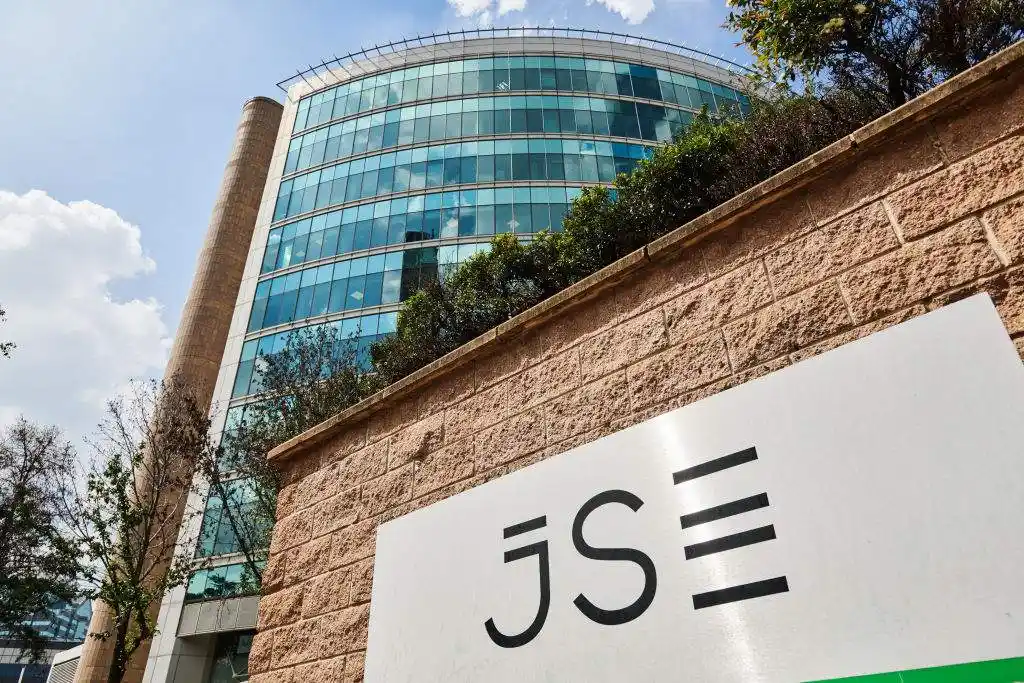
- Exchange: The Johannesburg Stock Exchange (JSE) underpins the market, consistently ranking among the world’s leading exchanges for infrastructure, transparency, and regulation
- Investment Pledges: The 6th South Africa Investment Conference (SAIC) secured R889.8 billion in investment commitments
- Sectors Covered: Manufacturing, energy, infrastructure, digital economy, and agro-processing
- Top Companies: Northam Platinum, Sibanye Stillwater, and Ninety One feature prominently in Bank of America’s top 20 stock screens
- Market Composition: More than half of Bank of America’s top 20 quantitative picks are South African firms, concentrated in materials and financial services
A Ranking That Carries Weight
Not all investment rankings are created equal. When a bulge-bracket institution with the global reach and analytical depth of Bank of America places a country’s equity market at the top of a regional assessment, the financial world pays attention. For South Africa, a country that has navigated more than its share of economic headwinds over the past decade, the endorsement carries particular significance — both as external validation of progress made and as a signal to global capital allocators that the country deserves a closer look.
The ranking did not emerge from sentiment alone. It is grounded in a quantitative framework that evaluated equities across the region, ultimately identifying South Africa’s market as the most attractive on a composite basis. More than half of the top 20 stocks identified through Bank of America’s screening methodology are South African companies, with particularly strong representation from the materials and financial sectors. Names such as Northam Platinum, Sibanye Stillwater, and Ninety One feature prominently — companies that are not merely South African success stories, but genuinely competitive participants in global capital markets.
For a country that has spent years contending with narratives around load-shedding, policy uncertainty, and sluggish growth, this ranking represents a meaningful shift in the story being told — and heard — in the offices of global fund managers.
Markets move fast; don’t get left behind. We’ve paired the Serrari Group Market Index with a curated Marketplace and a comprehensive Wealth Builder Course to ensure you have the data—and the skills—to act on it.
Historical Context: South Africa’s Long Journey as an Emerging Market Anchor
South Africa’s position as the most developed financial market on the African continent is not an accident of geography or recent policy. It is the product of more than a century of institutional development, much of it driven by the country’s deep endowment of natural resources and the capital markets infrastructure built to monetise them.
The Johannesburg Stock Exchange was established in 1887, just one year after the discovery of gold on the Witwatersrand — an event that would transform not only South Africa but the global gold market. The JSE was created to channel capital into the burgeoning mining industry, and it grew rapidly alongside the extractive economy it served. By the mid-twentieth century, it had evolved into one of the most sophisticated exchanges in the world, with robust listing requirements, deep liquidity in mining and industrial stocks, and a derivatives market that rivalled those of far larger economies.
The post-apartheid transition of the 1990s introduced a new chapter. Reintegration into global capital markets following decades of sanctions and financial isolation brought both opportunity and challenge. South Africa joined the emerging market universe as a major constituent, attracting inflows from international investors who saw a resource-rich economy with sophisticated institutions and a newly democratic government committed to market-oriented policies. The country became a cornerstone of the BRICS grouping — alongside Brazil, Russia, India, and China — and was consistently cited as one of the most liquid and accessible frontier-to-emerging market transitions of the modern era.
The 2000s and early 2010s were a period of strong performance, driven by a commodity supercycle that elevated the value of South Africa’s vast reserves of platinum group metals, gold, coal, and iron ore. But the middle of the decade brought headwinds: commodity prices collapsed, growth slowed, governance concerns mounted, and the country entered a prolonged period of electricity supply crisis — load-shedding — that imposed significant costs on businesses and households alike.
Against that backdrop, the Bank of America ranking is all the more striking. It suggests that, for institutional equity investors employing rigorous quantitative screens, South Africa’s market has moved back to the front of the regional pack — a testament to the underlying strength of its institutions, the quality of its listed companies, and the reform momentum now visible to external observers.
The JSE: A World-Class Institution at the Heart of the Market
Any serious analysis of South Africa’s equity market must begin with the Johannesburg Stock Exchange. The JSE is not merely the largest exchange in Africa — it is one of the most sophisticated securities exchanges in the world, routinely ranked among the global top tier for market infrastructure, transparency, and regulatory standards.
The exchange operates across multiple asset classes, including equities, derivatives, bonds, and currencies. Its equities market is characterised by deep liquidity in the largest capitalisation stocks, a robust settlement and clearing infrastructure, and listing standards that meet or exceed those of many developed market exchanges. The JSE has invested heavily in technology over the past two decades, migrating to international trading platforms and continuously upgrading its market surveillance capabilities to maintain the integrity of price discovery and protect investor interests.
Crucially, the JSE operates within a regulatory framework anchored by the Financial Sector Conduct Authority (FSCA) and overseen by the South African Reserve Bank. These institutions provide the kind of credible, independent regulatory oversight that international investors require before committing capital to any market. The rule of law, judicial independence, and the quality of South Africa’s accounting and auditing profession further reinforce the confidence that sophisticated investors can place in the reliability of financial information from JSE-listed companies.
For emerging market investors accustomed to navigating markets where corporate governance is inconsistent, financial reporting is opaque, or liquidity can evaporate during periods of stress, South Africa’s market architecture is genuinely differentiated. This institutional quality is a core reason why the JSE has maintained its position as a preferred destination for emerging market equity mandates even during periods when South Africa’s macroeconomic performance has disappointed.
The Investment Conference: R889.8 Billion in Pledges and What They Signal
The Bank of America ranking sits alongside another powerful data point: the outcomes of the 6th South Africa Investment Conference, at which investment pledges totalling R889.8 billion were secured. This figure warrants careful interpretation — investment pledges are not the same as investment completed, and the conversion of pledges into actual capital expenditure depends on a range of factors including regulatory approvals, infrastructure availability, and continued macroeconomic stability. Nevertheless, the scale of the number is significant, and the breadth of sectors represented in the pledges is encouraging.
The commitments span manufacturing, energy, infrastructure, the digital economy, and agro-processing — a portfolio of sectors that reflects a deliberate strategy to diversify South Africa’s economic base beyond its traditional commodity and financial services anchors. Manufacturing investment is critical for job creation, given the labour intensity of the sector and South Africa’s persistently high unemployment rate. Energy investment — particularly in renewable generation capacity — is central to resolving the electricity supply crisis that has been the single largest drag on economic growth in recent years. Infrastructure investment in roads, ports, rail, and water systems addresses the logistical constraints that have made South Africa’s commodity exporters less competitive than their endowments alone would suggest.
The digital economy pledges are particularly noteworthy in a global context. South Africa has the potential to become a significant hub for digital services across the African continent, leveraging its relatively advanced connectivity infrastructure, its large pool of educated technology workers, and its position as a gateway between African markets and global capital. Investment in this sector builds long-term productive capacity in a way that commodity investment, however valuable, does not.
The South Africa Investment Conference, inaugurated in 2018 as a centrepiece of President Cyril Ramaphosa’s economic revitalisation agenda, has been central to the effort to rebuild investor confidence following a period of significant institutional damage. The cumulative pledges secured across six conferences represent a substantial vote of confidence in South Africa’s economic direction — even if the full realisation of those pledges remains a work in progress.
Why South African Companies Are Winning on Global Screens
The finding that South African companies dominate Bank of America’s quantitative equity screens — accounting for more than half of the top 20 stocks identified — reflects several durable competitive advantages that are not always fully appreciated by investors who focus primarily on macroeconomic risk.
South Africa’s materials sector is home to some of the world’s most significant producers of platinum group metals — palladium, rhodium, and platinum itself — commodities for which South Africa holds the overwhelming majority of global reserves. Northam Platinum and Sibanye Stillwater are among the most prominent participants in this sector, operating mines that supply inputs essential for automotive catalytic converters, hydrogen fuel cell technology, and a growing range of industrial applications. As the global economy transitions towards lower-carbon technologies, the demand profile for these metals is becoming increasingly structural rather than purely cyclical — a dynamic that is beginning to be reflected in how quality-focused investors assess the long-term value of South African mining equities.
The financial sector’s strong representation in Bank of America’s screens reflects the maturity and profitability of South Africa’s major banks and asset managers. Ninety One — originally established as the South African asset management arm of Investec before its separate listing in 2020 — is a globally competitive investment manager with significant assets under management across emerging markets and developed world strategies. Its inclusion in the top screens reflects not just South Africa exposure, but genuine global investment capability.
The quantitative methodology employed by Bank of America in generating these screens typically incorporates factors such as valuation, earnings quality, momentum, and balance sheet strength. The dominance of South African names across these dimensions is a reminder that the country’s equity market offers something genuinely rare in emerging markets: companies that combine resource endowment or financial franchise strength with the governance standards and financial reporting quality that institutional investors require.
Context is everything. While you follow today’s updates, use the Serrari Group Market Index and Marketplace to spot emerging shifts. Need to sharpen your edge? Our Wealth Builder Course turns these insights into a professional-grade strategy.
Risks to Consider
The positive momentum surrounding South Africa’s equity market should not obscure the very real risks that investors must continue to weigh carefully.
Electricity supply remains a critical constraint. While the load-shedding crisis has moderated from its most acute phase — when rolling blackouts reached Stage 6 levels and caused severe disruption across the economy — the structural challenges facing Eskom and the broader electricity system have not been fully resolved. Progress in bringing new generation capacity online, including from renewable sources and private producers, is encouraging, but the system remains fragile and the risk of renewed severe load-shedding has not disappeared.
Fiscal sustainability is a growing concern. South Africa’s public debt has risen substantially over the past decade, and the trajectory of debt-to-GDP remains a source of anxiety for bond investors and ratings agencies alike. The government’s ability to service its debt obligations while maintaining spending on essential social services and infrastructure depends on achieving sustained economic growth — which itself depends on resolving the structural constraints, including electricity, logistics, and crime, that have suppressed investment and productivity.
Currency volatility is a persistent feature of investing in South Africa. The rand is one of the most actively traded emerging market currencies and is highly sensitive to global risk sentiment, commodity price movements, and domestic political developments. For international investors, currency risk can substantially alter the return profile of South African equity positions, and periods of sharp rand depreciation have historically been damaging to foreign investor returns even when underlying equity performance has been solid.
Political and policy risk, while reduced from the peaks of the state capture era, has not disappeared. South Africa’s coalition politics — following the 2024 general election result in which the African National Congress lost its parliamentary majority for the first time — introduces a degree of policy uncertainty that investors must factor into their assessments. The Government of National Unity brings together parties with differing economic philosophies, and the durability of the current reform agenda will depend on the maintenance of coalition cohesion.
Structural unemployment remains a profound social and economic challenge. With unemployment rates — particularly among young people — among the highest in the world, South Africa faces significant social pressure that could translate into political instability or policy shifts if progress in job creation remains insufficient.
Challenges Ahead
Even with the positive momentum reflected in the Bank of America ranking and the investment conference outcomes, South Africa faces a set of structural challenges that will determine whether the current optimism translates into sustained economic improvement.
The logistics and infrastructure challenge is particularly acute. South Africa’s ports — critically important for a commodity-exporting economy — have been ranked among the least efficient in the world. Transnet, the state-owned freight rail and ports operator, has struggled with underinvestment, operational inefficiencies, and cable theft that has disrupted rail infrastructure. The government has made reform of the freight logistics system a priority, but the pace of improvement has been slower than investors and exporters would like.
Crime and corruption continue to impose significant costs on business. South Africa’s rates of violent crime are among the highest globally, and the cost of private security — which businesses must bear to operate safely — represents a substantial burden. Corruption, while the subject of sustained reform efforts, remains embedded in certain parts of the public sector and creates uncertainty about the integrity of government procurement and service delivery.
The skills gap is another structural challenge. South Africa has a large and growing working-age population, but significant mismatches between the skills available in the labour market and those demanded by modern industries. Addressing this requires sustained investment in education and vocational training — areas where South Africa’s track record has been mixed.
Looking Ahead: Building on a Meaningful Moment
The Bank of America regional equity ranking and the investment conference outcomes together represent a meaningful moment for South Africa — not a turning point that resolves all challenges overnight, but a genuine signal that the country’s reform efforts are being registered by some of the most sophisticated observers of global capital markets.
For long-term investors, South Africa offers a combination that is genuinely rare in the emerging market universe: deep institutional infrastructure, world-class listed companies with genuine competitive advantages, a commodity endowment whose long-term value is supported by the global energy transition, and a reform agenda that — if sustained — could unlock substantially higher rates of growth than the economy has delivered in the recent past.
The JSE will continue to serve as the anchor institution around which this investment case is built. Its depth, liquidity, and regulatory quality provide the foundation that allows international capital to engage with South African equities with a degree of confidence that is not always available in other emerging market contexts.
The R889.8 billion in investment pledges, if converted into actual capital deployment at anything approaching the full amount, would represent a transformative injection of productive investment into an economy that has been operating well below its potential. The sectors targeted — energy, digital infrastructure, manufacturing, agro-processing — are precisely those that create employment, build productive capacity, and diversify economic activity in ways that commodity dependence alone cannot achieve.
South Africa’s story is not without complexity, and any serious investor will engage with both the opportunities and the risks with clear eyes. But the Bank of America ranking is a reminder that, when measured by the standards that matter most to sophisticated equity investors — the quality of the market, the strength of listed companies, and the risk-adjusted return potential — South Africa remains one of the most compelling investment propositions in the emerging market world.
Your financial future isn’t something you wait for, it’s something you build.
The real question is: when do you begin?
Move beyond simply staying informed.
Navigate the markets with clarity—track trends through the Serrari Group Market Index, uncover opportunities in the Serrari Marketplace, and build practical knowledge with our Curated Wealth Builder Course.
Stay connected to what truly matters.
Get daily insights on macro trends and financial movements across Kenya, Africa, and global markets—delivered through the Serrari Newsletter.
Growth opens doors.
Advance your career through professional programs including ACCA, HESI A2, ATI TEAS 7 , HESI EXIT , NCLEX – RN and NCLEX – PN, Financial Literacy!🌟—designed to move you forward with confidence.
See where money is flowing—clearly and in real time.
Track Money Market Funds, Treasury Bills, Treasury Bonds, Green Bonds, and Fixed Deposits, alongside global and African indexes, key economic indicators, and the evolving Crypto and stablecoin landscape—all within Serrari’s Market Index.