Circulate Capital has secured $220 million at the first close of its Asia-focused Fund II, signaling growing investor confidence in circular economy infrastructure. The fund will deploy capital across South and Southeast Asia to scale recycling capacity, strengthen supply chains, and reduce emissions. Backed by corporates, development finance institutions, and institutional investors, the initiative reflects a broader shift toward treating circularity as a core investment strategy rather than a niche sustainability theme.
Key Overview
- Circulate Capital raises $220M for Asia-focused circular economy fund
- Fund surpasses 70% of $300M target at first close
- Targets recycling capacity of nearly 2 million tonnes
- Investments aim to cut 50 million tonnes of CO₂ emissions
A Strong First Close Signals Market Confidence
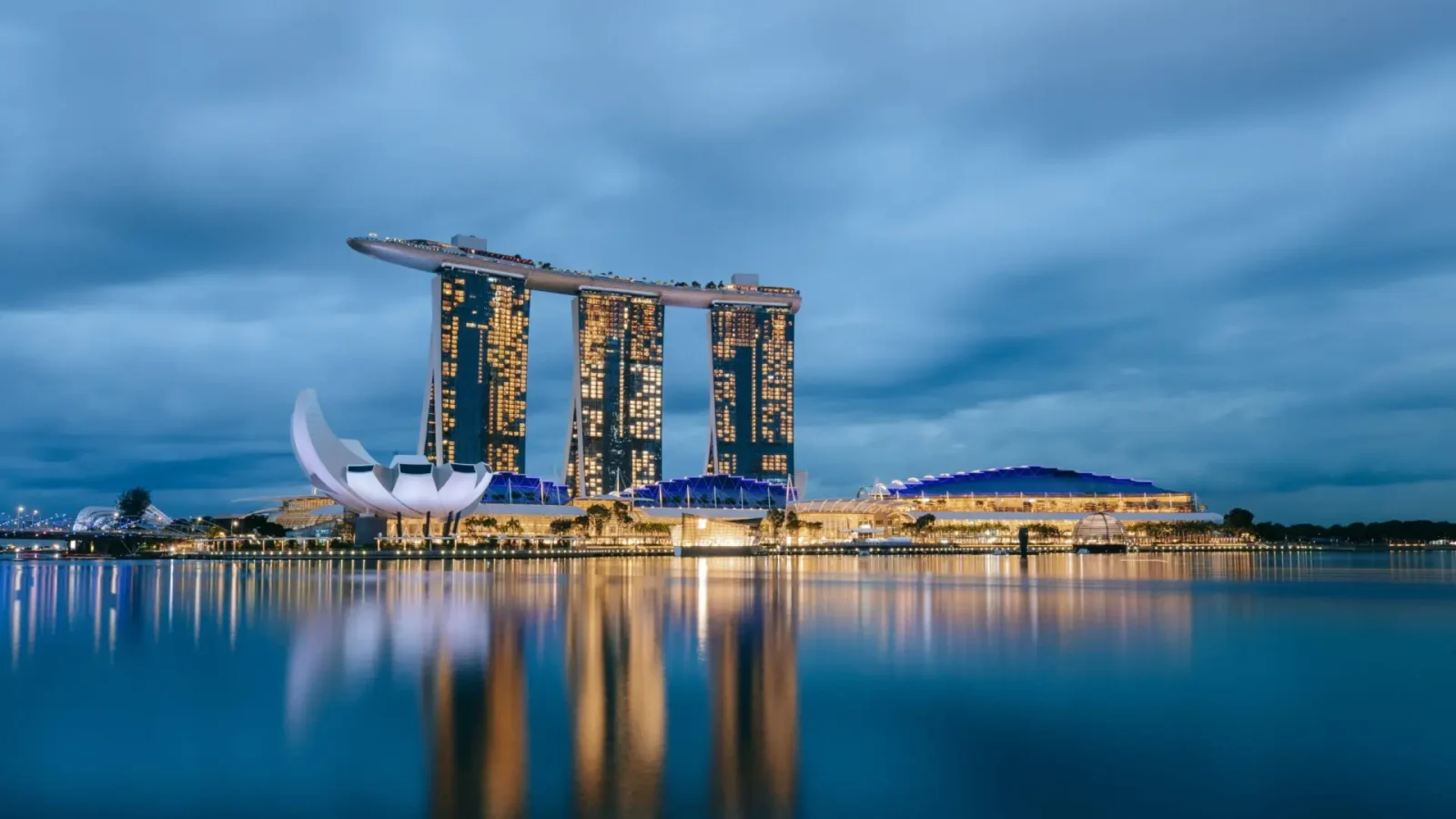
Singapore-based investment firm Circulate Capital has raised $220 million at the first close of its Circulate Capital Asia Fund II, marking a significant milestone in its efforts to scale circular economy investments across South and Southeast Asia. The raise represents more than 70% of the fund’s $300 million target and already surpasses the firm’s previous fund, which closed at $188 million.
This strong first close comes amid a challenging global fundraising environment, making the achievement particularly notable. It highlights sustained investor appetite for circular economy infrastructure, especially in emerging markets where demand for waste management and recycling solutions continues to grow.
The momentum behind the fund also reflects increasing recognition that circular supply chains are becoming a critical component of modern industrial systems, rather than a niche area within sustainability-focused investing.
Markets move fast; don’t get left behind. We’ve paired the Serrari Group Market Index with a curated Marketplace and a comprehensive Wealth Builder Course to ensure you have the data—and the skills—to act on it.
Scaling Circular Supply Chains Across Asia
The new fund will deploy growth capital to support recycling businesses and circular supply chains across key markets, including India, Indonesia, Thailand, Vietnam, the Philippines, and Malaysia. These regions are characterized by rapid consumption growth, which is placing increasing pressure on existing waste management systems.
Investment activities will focus on scaling plastic recycling solutions, including established streams such as PET, as well as developing markets for other materials like polyolefins. The fund will also support innovation in alternative packaging solutions and the recovery of valuable materials from electronic waste and batteries.
By targeting these areas, the fund aims to address structural gaps in waste management infrastructure while supporting the development of more efficient and sustainable supply chains.
Delivering Measurable Environmental Impact
A central objective of the fund is to generate measurable environmental impact alongside financial returns, reflecting a dual focus that combines sustainability with investment performance. Circulate Capital aims to finance nearly two million tonnes of recycling capacity, which represents a significant expansion of waste processing capabilities across South and Southeast Asia. This increase in capacity is expected to play a critical role in addressing existing gaps in waste management systems, particularly in rapidly growing markets where infrastructure has struggled to keep pace with consumption.
Over a ten-year period, these investments are projected to prevent a cumulative 30 million tonnes of unmanaged waste from entering the environment. In addition, they are expected to avoid or reduce more than 50 million tonnes of carbon dioxide emissions, highlighting the scale of the environmental benefits associated with the initiative. These outcomes demonstrate the potential for targeted capital deployment to deliver meaningful and measurable impact across both waste reduction and emissions mitigation.
Taken together, these projections illustrate how investments in circular infrastructure can translate into tangible results. By expanding recycling capacity and improving material recovery, the fund is directly addressing critical environmental challenges while supporting broader climate-related objectives.
A Diverse and Strategic Investor Base
The fund has attracted a diverse and strategically aligned group of investors, reflecting the convergence of commercial, institutional, and development finance interests in circular economy opportunities. Strategic corporate participants include The Coca-Cola Company, Danone, Dow, and Procter & Gamble, all of which have a direct interest in strengthening circular supply chains and improving material sustainability.
Development finance institutions such as British International Investment, Proparco, and International Finance Corporation have also participated, alongside institutional investors and impact-focused funds. This mix of participants highlights the broad appeal of circular economy investments across different segments of the financial ecosystem.
This diverse investor base underscores a growing alignment between private capital and development finance. As environmental challenges become more complex and interconnected, collaboration across these groups is increasingly seen as essential for scaling solutions while maintaining financial viability.
Circular Economy Moves Into Core Investment Strategy
The strong response to Fund II reflects a broader shift in how circular economy investments are being perceived within global financial markets. According to Circulate Capital, circularity is no longer viewed as a subset of ESG or sustainability initiatives but is emerging as a distinct and sophisticated asset class capable of delivering liquidity to private equity investors. This shift marks an important evolution in how such investments are positioned within portfolios.
This transformation is being driven by structural changes in global supply chains. Increasing regulatory pressure, ongoing supply chain volatility, and growing corporate commitments to sustainability are creating new and compelling opportunities for investment in circular systems. These factors are reshaping how companies manage resources and materials, making circularity a more central component of operational strategy.
At the same time, the global economy continues to rely heavily on raw material consumption, with only a small proportion of materials being recycled. This imbalance highlights the need for scalable solutions that can close the loop, improve resource efficiency, and reduce waste. As a result, circular economy investments are gaining importance as both an environmental necessity and a strategic economic opportunity.
Context is everything. While you follow today’s updates, use the Serrari Group Market Index and Marketplace to spot emerging shifts. Need to sharpen your edge? Our Wealth Builder Course turns these insights into a professional-grade strategy.
Targeting High-Growth Markets With Structural Gaps
Fund II is specifically designed to target markets where rapid economic growth is outpacing the development of waste management infrastructure. Countries across South and Southeast Asia are experiencing rising consumption levels, which in turn are generating increased volumes of waste and placing additional pressure on existing systems. This dynamic is creating a clear need for expanded recycling capacity and more efficient waste management solutions.
By focusing on these regions, the fund aims to capture opportunities where environmental need and market potential intersect. Investments will support the expansion of recycling capacity, the development of new material recovery streams, and the introduction of innovative solutions across different stages of the value chain. These efforts are intended to strengthen circular supply chains while addressing critical infrastructure gaps.
This approach reflects a strategic alignment between high-growth markets and impact-driven investment. By directing capital toward regions with both strong demand and significant challenges, the fund is positioning itself to generate meaningful financial returns while delivering measurable environmental impact.
A Proven Track Record Builds Investor Confidence
Circulate Capital’s ability to raise significant capital is supported by its established, consistent, and measurable track record in the region, which has been built over several years of active investment and portfolio development. Since 2020, the firm has added nearly 900,000 tonnes of annual recycling capacity across its portfolio, demonstrating not only its operational capability but also its ability to scale solutions in markets where infrastructure gaps remain significant. This expansion reflects a clear execution of its investment strategy, showing that capital can be effectively deployed to build and grow circular economy businesses.
This track record provides a strong and credible foundation for the launch of Fund II, as it signals to investors that the firm has already tested and refined its approach in real market conditions. The ability to translate strategy into measurable outcomes—such as increased recycling capacity—reinforces confidence in the firm’s ability to deliver both impact and returns.
In addition to capacity growth, the firm has also achieved successful exits, including a full exit from Recykal, an India-based digital waste management platform, as well as partial exits from companies focused on complex plastic recycling. These exits are particularly important, as they demonstrate that circular economy investments can reach maturity and provide liquidity to investors. They highlight the commercial viability of the sector, showing that environmental impact and financial performance are not mutually exclusive.
This history of performance has played a central role in building investor confidence. It reinforces the perception of circularity not only as an impact-driven approach but also as a scalable and investable asset class capable of delivering consistent and repeatable results over time.
Outlook: Scaling Circularity as Core Infrastructure
The launch of Circulate Capital Asia Fund II highlights a broader transformation in how circular supply chains are being integrated into global economic systems, reflecting a shift from fragmented initiatives to more structured and scalable investment approaches. As regulatory frameworks continue to tighten and resource constraints become more pronounced, the importance of circular infrastructure is expected to grow steadily, positioning it as a critical component of future economic systems.
By directing capital toward high-growth markets and underdeveloped sectors, the fund is contributing to the development of systems that support long-term sustainability while also enhancing economic resilience. These investments are focused on building the underlying infrastructure required to improve waste management, increase recycling capacity, and strengthen supply chains. In doing so, they help address both environmental challenges and structural inefficiencies within existing systems.
The emphasis on infrastructure development is particularly important, as it enables the transition from small-scale or isolated projects to more comprehensive and interconnected systems. This approach ensures that circular economy solutions can operate at scale, delivering broader and more sustained impact across regions and industries.
Ultimately, the initiative underscores a significant shift in climate and investment strategies. Circular economy solutions are moving from the margins to the mainstream, becoming an increasingly important component of industrial systems and financial markets. This transition reflects a growing recognition that circularity is not only essential for addressing environmental challenges but also for supporting long-term economic efficiency and resilience in a rapidly evolving global landscape.
Your financial future isn’t something you wait for—it’s something you build.
The real question is: when do you begin?
Move beyond simply staying informed.
Navigate the markets with clarity—track trends through the Serrari Group Market Index, uncover opportunities in the Serrari Marketplace, and build practical knowledge with our Curated Wealth Builder Course.
Stay connected to what truly matters.
Get daily insights on macro trends and financial movements across Kenya, Africa, and global markets—delivered through the Serrari Newsletter.
Growth opens doors.
Advance your career through professional programs including ACCA, HESI A2, ATI TEAS 7 , HESI EXIT , NCLEX – RN and NCLEX – PN, Financial Literacy!🌟—designed to move you forward with confidence.
See where money is flowing—clearly and in real time.
Track Money Market Funds, Treasury Bills, Treasury Bonds, Green Bonds, and Fixed Deposits, alongside global and African indexes, key economic indicators, and the evolving Crypto and stablecoin landscape—all within Serrari’s Market Index.