Aquaculture, the fastest-growing segment of the global food system, now produces more than half of the world’s fish. In Kenya, smallholder fish farmers are receiving targeted training to boost productivity, manage diseases, and improve biosecurity practices. Spearheaded by a collaboration among Cornell University’s College of Veterinary Medicine, the Kenya Marine and Fisheries Research Institute (KMFRI), and the International Livestock Research Institute (ILRI), this initiative aims to address challenges facing the fisheries and aquaculture sector, which contributes significantly to Kenya’s economy.
The Role of Aquaculture in Kenya’s Economy
Kenya’s fisheries and aquaculture sector contributes 0.5% to the national GDP and accounts for 2% of the country’s export earnings. This sector directly employs around 60,000 people and supports an estimated 1.2 million individuals indirectly. In 2023, aquaculture production exceeded 31,000 tonnes, valued at approximately Ksh 10 billion, driven by the expansion of cage aquaculture in Lake Victoria.
Despite its growth, the sector faces challenges such as disease outbreaks, suboptimal farming practices, and limited access to knowledge and technology. Addressing these issues is crucial for the success of small-scale producers, who play a vital role in the fish supply chain.
Hands-On Training for Enhanced Productivity
Focus Areas of Training
The initiative, supported by USAID’s Feed the Future Innovation Lab for Fish, equips fish farmers with tools and practices to reduce fish mortality and increase aquaculture output. Practical training sessions cover:
- Biosecurity Practices: Proper disposal of dead fish and disinfection of equipment to prevent pathogen spread.
- Cage Management: Guidelines for cage siting, cleaning nets, and water circulation to promote healthier fish.
- Disease Monitoring: Recognizing early signs of tilapia diseases for timely intervention.
The training emphasizes actionable practices that farmers can implement immediately to enhance their operations and sustain their livelihoods.
Community Outreach and Gender Inclusion
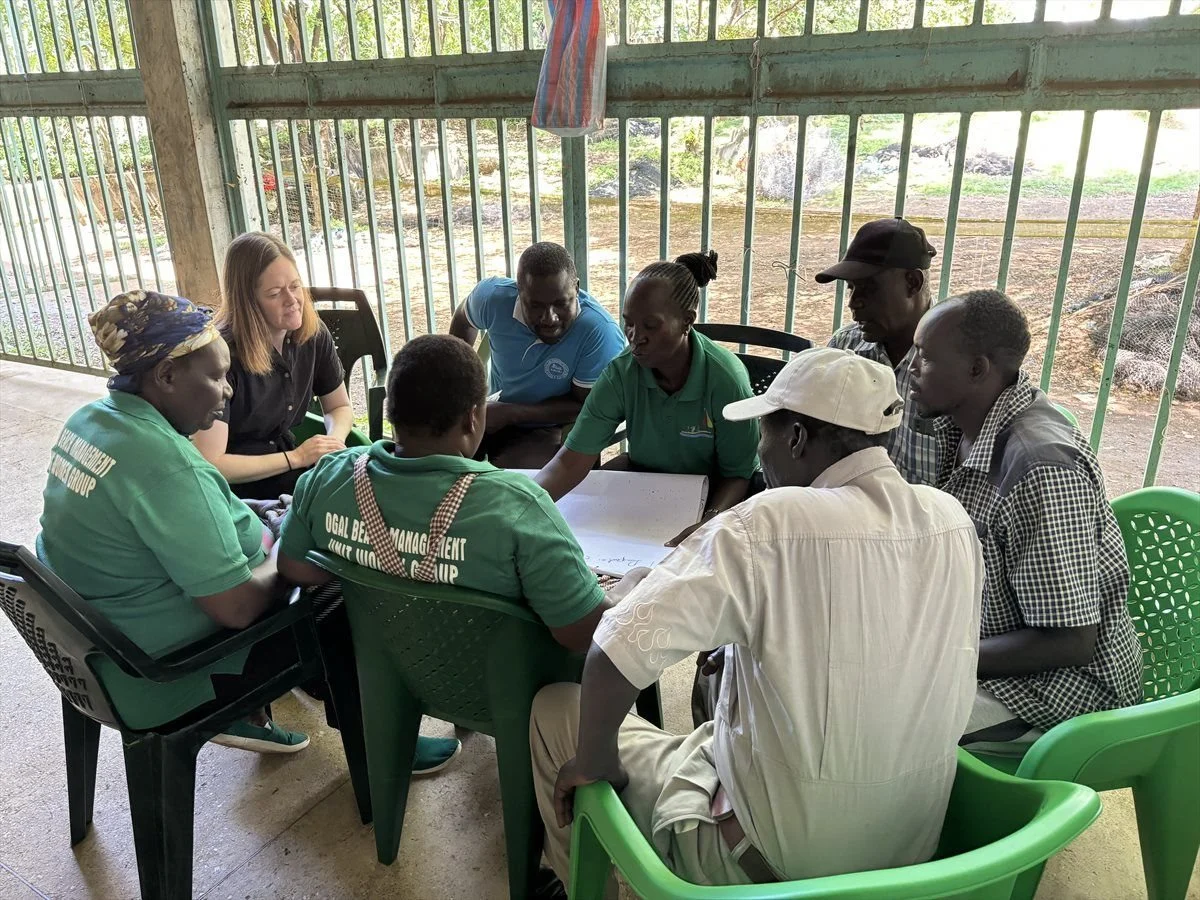
The program conducted training across five counties: Kisumu, Siaya, Busia, Homa Bay, and Migori, involving 143 cage farmers and 75 Kenyan scientists. A notable aspect was the inclusion of women leaders, who addressed critical issues such as fish mortality prevention.
Women’s participation in aquaculture is essential for breaking cultural barriers and creating equitable opportunities in the sector. Partnerships with organizations like KMFRI, ILRI, and Cornell University aim to empower women through training in fish husbandry, financial management, and business practices.
“Together, we are enabling economic independence and dismantling cultural barriers for women in fish farming,” said Tom Guda, chairman of the regional Beach Management Unit (BMU) network.
Tackling Fish Diseases with Advanced Science
Disease Surveillance and Research
The program incorporates laboratory analysis and technological advancements to tackle fish diseases effectively. Samples collected through the disease surveillance program are analyzed at ILRI’s state-of-the-art laboratories.
Key efforts include:
- Genomic Sequencing: Identifying fish pathogens to develop targeted interventions.
- Antimicrobial Resistance (AMR) Studies: Addressing AMR to ensure effective disease management.
Dr. Ekta Patel, a scientist at ILRI, highlighted the importance of research in delivering practical solutions to farmers. “Strengthening laboratory capacity to advance disease surveillance is critical for improving outcomes for smallholder farmers,” she said.
Biosecurity and Sustainable Practices
Biosecurity measures are central to preventing disease outbreaks. Farmers were trained to implement best practices, such as:
- Prompt disposal of fish carcasses to minimize pathogen spread.
- Proper stocking of fingerlings to ensure healthy growth.
- Promoting water circulation within cage environments for optimal fish health.
Farmers also received multilingual pamphlets with visual guides summarizing these practices, making the information accessible to diverse audiences.
Strengthening the Blue Economy Through Collaboration
Institutional Partnerships
The partnership between Cornell University, KMFRI, and ILRI represents a unified approach to addressing challenges in Kenya’s aquaculture sector.
Dr. Christopher Aura, Director of Freshwater Systems at KMFRI, emphasized the importance of collaborative research and training. “Understanding fish safety and biosecurity is vital for improving the management, productivity, and performance of fish farms,” he said.
Cage Aquaculture Expansion
Kenya has seen significant growth in cage aquaculture, particularly in Lake Victoria. Proper cage siting and management are fundamental to maximizing productivity while ensuring environmental sustainability.
The training sessions aim to strengthen farmers’ technical knowledge and foster sustainable aquaculture practices that align with Kenya’s broader blue economy strategy.
Broader Impacts on Kenya’s Food System
Meeting Rising Demand for Aquatic Foods
As global demand for animal-source foods increases, aquaculture offers a sustainable solution to food insecurity. In Kenya, fish farming contributes to food security by providing a rich source of protein and essential nutrients.
Economic Empowerment and Poverty Alleviation
Aquaculture has the potential to lift thousands of families out of poverty by creating jobs and generating income. Empowering smallholder farmers with the skills and resources to improve productivity can significantly enhance their economic prospects.
Environmental Considerations
Sustainable aquaculture practices are crucial for preserving aquatic ecosystems. The program emphasizes environmentally friendly methods, such as reducing the use of antibiotics and ensuring proper waste management.
Challenges and the Way Forward
Barriers to Adoption
While the training sessions have been impactful, challenges such as limited access to finance, inadequate infrastructure, and cultural resistance to change remain. Addressing these barriers will require concerted efforts from stakeholders, including government agencies, research institutions, and private sector players.
Scaling Up the Initiative
Expanding the program to reach more farmers across Kenya is essential for driving widespread improvements in aquaculture. Future plans include scaling up disease surveillance efforts, enhancing farmer education, and integrating advanced technologies into farming practices.
Policy Support
Policymakers have a crucial role in creating an enabling environment for aquaculture. This includes providing subsidies for fish farmers, investing in infrastructure, and enforcing regulations that promote sustainable practices.
Conclusion
The training initiative led by Cornell University, KMFRI, and ILRI represents a transformative step in Kenya’s aquaculture sector. By equipping smallholder farmers with practical knowledge and tools, the program addresses critical challenges such as disease management, biosecurity, and productivity.
Through collaborative efforts and a focus on inclusivity, particularly gender equity, this initiative is not only enhancing the livelihoods of fish farmers but also contributing to the sustainable development of Kenya’s blue economy. With continued support and expansion, these efforts can ensure a resilient and prosperous future for aquaculture in Kenya.
Ready to take your career to the next level? Join our dynamic courses: ACCA, HESI A2, ATI TEAS 7 , HESI EXIT and NCLEX – RN !🌟 Dive into a world of opportunities and empower yourself for success. Explore more at Serrari Ed and start your exciting journey today! ✨
photo source: Google
By: Montel Kamau
Serrari Financial Analyst
20th December, 2024