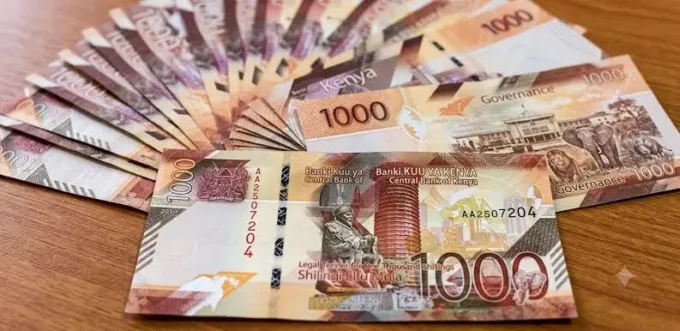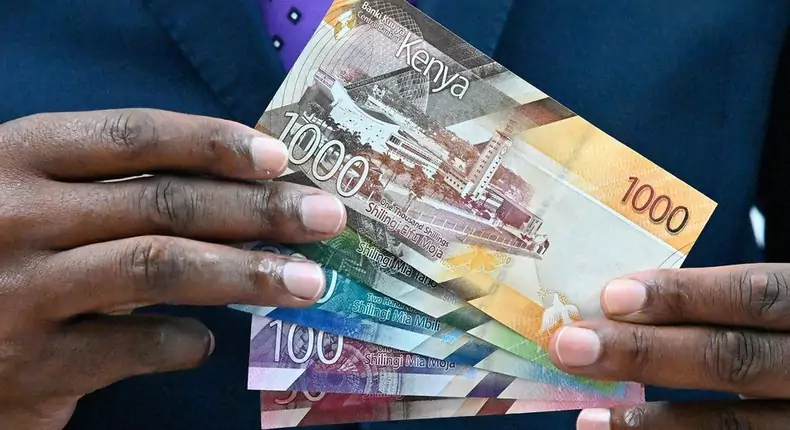
In a significant economic development, the Kenyan shilling experienced a historic low on Monday, breaching the Sh160.23 mark against the US dollar. This decline, part of a sustained weakening trend, has raised concerns across financial sectors.
Last month, the Central Bank of Kenya (CBK) responded to the ongoing depreciation by unexpectedly raising interest rates by 200 basis points, elevating the Central Bank Rate from 10.5 percent to 12.5 percent. The move was driven by the CBK Monetary Policy Committee’s observation that the exchange rate depreciation was exerting pressure on domestic prices.
Dr. Kamau Thugge, the CBK Governor, explained the central bank’s intervention, citing a long-standing belief that the shilling had been overvalued. The recent adjustments were aimed at resetting the foreign exchange market, addressing what the CBK perceived as an overvaluation of the local currency.
The economic consequences of the weakening shilling extend beyond policy considerations. Reports reveal that the depreciation incurred an additional cost of Sh65 billion monthly for taxpayers in the year leading up to June 2023. This underscores the tangible impact on the economy and emphasizes the urgency for strategic measures to stabilize the currency.
Market analysts are closely monitoring the situation, anticipating potential implications on various sectors, trade balances, and foreign investments. As the Kenyan economy navigates this challenging period, stakeholders await further developments and policy responses from the CBK to address concerns surrounding the shilling’s unprecedented fall. The outcome will likely shape economic policies and investor sentiment in the coming months.
By: Montel Kamau
Serrari Financial Analyst
17th January, 2024