The International Monetary Fund has urged Kenya and other import-dependent economies to abandon broad fuel subsidies in favor of targeted, temporary cash transfers for vulnerable populations. The directive, issued through the IMF’s April 2026 Fiscal Monitor report, comes as Kenya grapples with record fuel prices driven by the Middle East conflict. Diesel reached an all-time high of KES 242.92 per liter in the May pricing cycle, while the government has been forced into emergency VAT cuts and billions in subsidy spending to cushion consumers, deepening the fiscal deficit that the IMF now projects at 6.4% of GDP.
Key Overview
- IMF Directive: Replace fuel subsidies with targeted cash transfers to vulnerable households
- Super Petrol Price: KES 214.25 per liter in Nairobi (May 15–June 14, 2026 cycle)
- Diesel Price: KES 242.92 per liter, an all-time record
- Diesel Price Jump: KES 46.29 increase, the largest single-month rise in at least 21 years
- Government Subsidy Spend: Approximately KES 5 billion this cycle from the Petroleum Development Levy Fund
- VAT Emergency Cut: Reduced from 16% to 8% on petroleum products (effective April 15, 2026)
- Fiscal Deficit Projection: 6.4% of GDP in 2026 (IMF estimate)
- Public Debt Trajectory: Projected to reach 71.6% of GDP in 2026
- IMF-Kenya Talks: New loan programme under negotiation after previous $3.6 billion facility expired
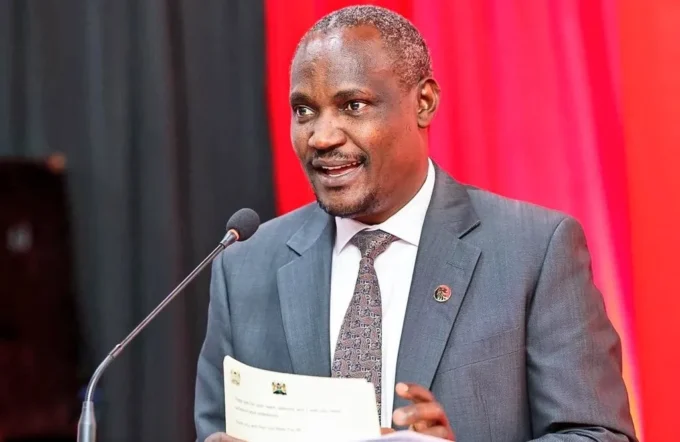
The IMF’s fiscal affairs chief Rodrigo Valdes delivered the message plainly in an April 2026 interview: countries should avoid fuel subsidies and instead use targeted, temporary cash transfers that do not suppress price signals. “We don’t have oil. We don’t have energy. Energy needs to be more expensive for everybody, so that the adjustment happens and we consume less,” Valdes told Reuters. The recommendation came through the IMF’s Fiscal Monitor report, released as the Middle East conflict continued to push up oil and gas prices and tighten fuel availability across sub-Saharan Africa.
For Kenya, the timing could not be more consequential. The country imports virtually all of its refined fuel, prices are denominated in dollars, and the shilling has limited capacity to absorb external shocks.
Record Prices at the Pump
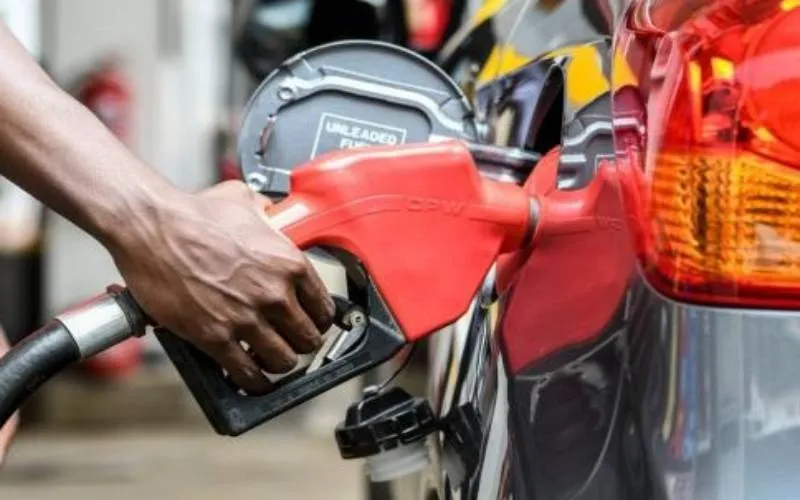
The Energy and Petroleum Regulatory Authority’s May 2026 pricing review delivered what the transport sector had been dreading. Super Petrol rose by KES 16.65 to KES 214.25 per liter, while diesel surged by KES 46.29 to KES 242.92, the highest diesel price in Kenya’s history. The diesel increase was the largest single-month jump for any petroleum product in at least 21 years, surpassing the previous record of KES 25 set in September 2022 by 61%.
These prices reflect cargoes that landed at Mombasa between April 9 and May 10, the first full window capturing the impact of the Middle East conflict. The average landed cost of imported diesel rose 20.32% between March and April 2026, from $1,073.82 to $1,291.98 per cubic metre. Diesel is now KES 28.67 more expensive than petrol, a gap unprecedented in Kenya’s pricing history that disproportionately hits the trucking, manufacturing, agriculture, and matatu sectors.
Context is everything. Stay ahead of shifting trends with today’s market updates, and uncover emerging opportunities using the Serrari Group Market Index and Marketplace. Then, take control of your own financial future by exploring our Money & Life Reset Transformation Blueprint ™ to build stronger habits, create better systems, and design a path toward lasting wealth.
A Government Caught Between Subsidies and Solvency
The Kenyan government has responded with emergency fiscal interventions. In a chaotic 48-hour sequence in April, the VAT rate on petroleum products was cut from 16% to 13%, then to 8% via Legal Notice No. 70 dated April 15, 2026, valid until July 14. The government is also deploying approximately KES 5 billion from the Petroleum Development Levy Fund this cycle to stabilize diesel and kerosene prices. Without the subsidy, kerosene alone would retail at approximately KES 260 per liter, nearly double its current KES 152.78 price.
These measures come at significant fiscal cost. The VAT cut alone is projected to cost the state approximately KES 13 billion in lost revenue. The IMF has consequently upgraded its projection of Kenya’s budget deficit to 6.4% of GDP in 2026, up from the 5.6% forecast in late 2025, and downgraded the country’s growth outlook from 4.9% to 4.4%. Public debt is projected to reach 71.6% of GDP in 2026, approaching the 2023 peak of 73.4%, well above the 55% threshold considered sustainable.
The IMF’s Case Against Subsidies
The IMF’s argument rests on a well-established position: blanket fuel subsidies are regressive because wealthier citizens who consume more energy capture a disproportionate share of the benefit. Valdes warned that if countries suppress the price signal, the global price will be higher, distorting markets and worsening global imbalances. The IMF’s Fiscal Monitor showed that global government debt reached 93.9% of GDP in 2025 and is expected to hit 100% by 2029, the highest since World War II.
The push toward cash transfers is being tested across the continent. Kenya is currently negotiating a new IMF loan programme after both sides agreed to abandon the previous $3.6 billion facility, with an IMF delegation visiting Nairobi in February 2026 for consultations. Civil society groups like Fight Inequality Alliance Kenya have warned that IMF loan conditions, including eliminating fuel, agriculture, and electricity subsidies, will deepen poverty and widen inequality.
Cash Transfers: Promise and Peril
Proponents argue that routing funds directly to low-income families via mobile money platforms like M-Pesa can bypass bureaucratic bottlenecks. However, skepticism runs deep. Existing cash transfer programs for the elderly and disabled have been plagued by delayed disbursements and systemic inefficiencies. A research report by the Bretton Woods Project found that fuel subsidy removal in Kenya, Egypt, and Bangladesh disproportionately harms women and that mitigation measures like cash transfers are “structurally insufficient” to compensate for the damage.
The political dimension is equally fraught. President William Ruto’s administration has zigzagged on fuel policy, scrapping subsidies, doubling VAT to 16%, then bringing back subsidies and halving VAT, all while defending high prices as the cost of a “middle-income economy.” The latest pricing cycle has already sparked localized protests and disrupted commercial activity.
As global energy markets remain volatile and the Middle East conflict shows no signs of resolution, Kenya faces a defining policy moment: whether to continue absorbing billions in subsidy costs that the IMF considers unsustainable, or to attempt the politically treacherous transition to targeted cash transfers while millions of citizens struggle with the highest fuel prices in the country’s history.
Sources: Daily Sabah / Nairobi Wire / Kenyans.co.ke / Kenyan Wall Street / Citizen Digital / Techish Kenya / Techweez / Dawan Africa / The Globe and Mail / Fight Inequality Alliance / Bretton Woods Project / AllAfrica / The Standard
Your financial future isn’t something you wait for—it’s something you build.
The real question is: when do you begin?
Move beyond simply staying informed.
Navigate the markets with clarity—track trends through the Serrari Group Market Index, uncover opportunities in the Serrari Marketplace, and build practical knowledge with our Curated Wealth Builder Platform.
Stay connected to what truly matters.
Get daily insights on macro trends and financial movements across Kenya, Africa, and global markets—delivered through the Serrari Newsletter.
Growth opens doors.
Advance your career through professional programs including ACCA, HESI A2, ATI TEAS 7 , HESI EXIT , NCLEX – RN and NCLEX – PN, Financial Literacy!🌟—designed to move you forward with confidence.
See where money is flowing—clearly and in real time.
Track Money Market Funds, Treasury Bills, Treasury Bonds, Green Bonds, and Fixed Deposits, alongside global and African indexes, key economic indicators, and the evolving Crypto and stablecoin landscape—all within Serrari’s Market Index.