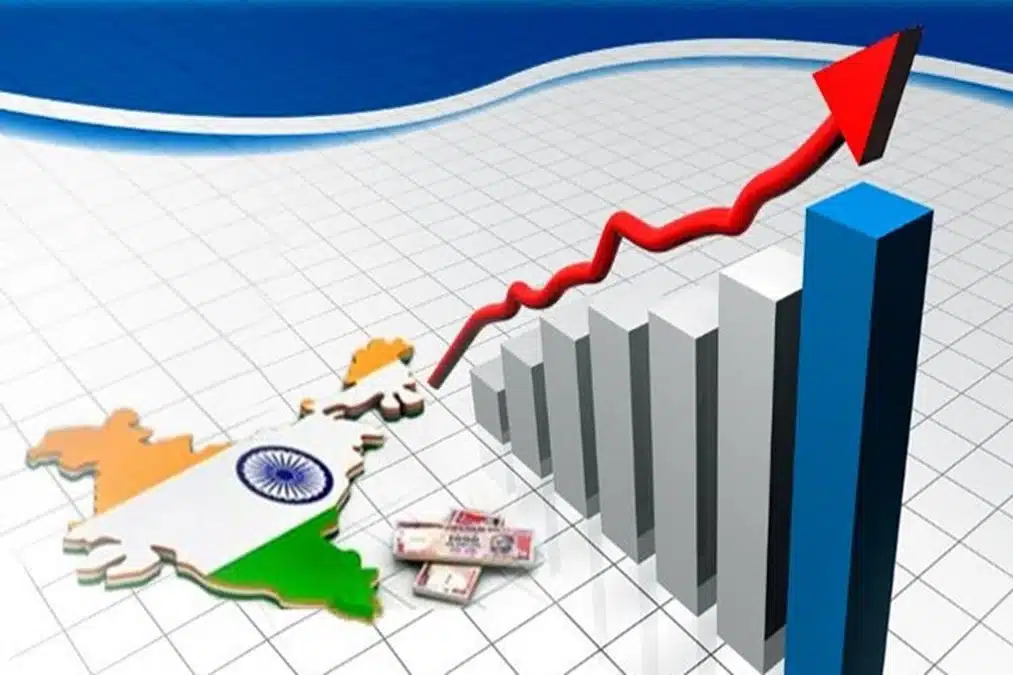
India’s manufacturing sector gained impressive momentum in October, driven by rising domestic and international demand, as reported by the latest HSBC India Manufacturing Purchasing Managers’ Index (PMI). The index, compiled by S&P Global, rose to 57.5 in October, up from an eight-month low of 56.5 in September, signaling robust expansion and heightened optimism for the country’s manufacturing prospects.
Manufacturing Sector on an Upward Trend
India’s PMI score above 50 indicates expansion in the manufacturing sector. October’s figure reflects a significant rebound, highlighting the resilience and adaptability of Indian manufacturers amid fluctuating global market conditions. HSBC’s chief India economist, Pranjul Bhandari, noted, “India’s headline manufacturing PMI picked up substantially in October as the economy’s operating conditions continue to broadly improve,” underscoring that new orders and international sales have been growing rapidly, with both metrics reaching a three-month high.
The growth in PMI, driven by increased output and new orders, highlights the optimism among manufacturers and underscores India’s potential as a manufacturing powerhouse. The rebound comes after a slight lull in previous months, indicating that the country’s economic fundamentals remain strong.
Key Drivers of Manufacturing Growth
Several factors contributed to the upturn in manufacturing, including:
- Domestic Demand: Strong consumer demand for manufactured goods is playing a critical role in sustaining production levels. This trend aligns with the increasing purchasing power of India’s middle class, which has been a driving force in various sectors, particularly in automotive, consumer electronics, and home appliances.
- International Demand: International orders surged from Asian, European, Latin American, and U.S. markets. This increase highlights India’s growing appeal as a cost-effective and reliable manufacturing hub, amid global supply chain realignments and a focus on diversifying production locations outside China.
- Government Support: India’s “Make in India” initiative, aimed at boosting the country’s manufacturing capabilities, has fostered a favorable environment for foreign and domestic investors. The Production Linked Incentive (PLI) schemes in specific sectors, such as electronics and pharmaceuticals, continue to attract multinational corporations.
Business Confidence and Job Creation on the Rise
Business confidence in the Indian manufacturing sector remained high, fueled by positive consumer demand forecasts, new product releases, and an optimistic outlook for export opportunities. To meet the increased demand, many firms expanded their workforce for the eighth consecutive month in October, marking a notable improvement in employment within the sector.
The uptick in job creation is a positive sign for India’s labor market, which faces a challenging task of absorbing the growing number of job seekers entering the workforce each year. However, while employment growth in manufacturing provides much-needed relief, economists caution that the creation of well-paying, skilled jobs might remain constrained in the near term due to automation trends and skill gaps among new entrants.
Inflationary Pressures and Rising Costs
Despite the overall positive trajectory, the sector faces inflationary pressures. Both input and output prices saw an accelerated increase, with input cost inflation hitting a three-month high, driven by rising raw material costs, labor expenses, and transportation fees. Manufacturing firms responded by passing a portion of these rising costs onto customers, leading to an accelerated pace in price hikes for finished goods.
India’s inflation, which rose to a nine-month high of 5.49% in September, poses a risk to the purchasing power of consumers, especially as food prices remain elevated. The surge in manufacturing costs could add further strain on household budgets if these trends persist.
Reserve Bank of India’s (RBI) Role and Potential Rate Cuts
Amid inflation concerns, the RBI has maintained a cautious approach with its interest rate policy. Currently, the RBI’s interest rate stands at 6.50%, but with inflation hovering near the upper end of the central bank’s target range of 2-6%, a rate cut remains uncertain. Nevertheless, some analysts believe that the RBI may reduce rates by December to stimulate broader economic activity, anticipating a cut from 6.50% to 6.25% to foster growth without excessively stoking inflationary trends.
The Strategic Shift: India as a Global Manufacturing Hub
India’s manufacturing growth aligns with broader trends as global companies diversify their production networks. Geopolitical factors, including U.S.-China trade tensions and supply chain disruptions due to the pandemic, have accelerated a shift toward India as an attractive alternative manufacturing destination. In recent years, India has benefited from increased foreign investment, particularly in sectors like electronics, pharmaceuticals, and automotive manufacturing.
Global technology giants, including Apple, Samsung, and Dell, have ramped up manufacturing operations in India, motivated by government incentives and the country’s robust talent pool. As India strengthens its position in the global supply chain, its manufacturing sector is poised for sustained growth, which could contribute to increased export revenues and technology transfer, further solidifying the country’s role as a vital link in the global production ecosystem.
Sector-Specific Trends and Expansion
India’s automotive, pharmaceuticals, and electronics sectors are among the primary beneficiaries of increased manufacturing activity. The automotive industry, in particular, has witnessed significant investments in electric vehicle (EV) manufacturing, with companies such as Tata Motors and Mahindra investing in production facilities and infrastructure to meet growing demand.
The pharmaceutical industry, traditionally a stronghold for India, continues to expand its global footprint. India, known as the “pharmacy of the world,” produces a significant portion of generic drugs used globally. Recent investments in advanced manufacturing and biotechnology research are expected to further enhance its capabilities, enabling Indian companies to compete in the high-value biologics and biosimilars markets.
In electronics, India is fast becoming a global center for smartphone production. The PLI scheme for electronics has incentivized companies like Foxconn, Samsung, and Xiaomi to increase their manufacturing presence in India, creating jobs and boosting exports.
Challenges and Future Outlook
Despite the strong growth momentum, challenges remain. High inflation, particularly in essential commodities, could dampen consumer spending power. Additionally, while job creation is growing, the gap between the number of job seekers and available quality jobs remains significant, underscoring the need for comprehensive skill development programs.
Another potential hurdle is the global economic climate. As key trading partners, including the United States and Europe, grapple with economic uncertainties, India’s export-driven sectors might face headwinds. However, domestic demand, supported by rising incomes and urbanization, is likely to buffer the sector from external shocks.
Conclusion
India’s manufacturing sector showcased robust growth in October, driven by rising domestic and international demand. The strong PMI reading indicates an optimistic outlook for the sector, with improved production levels, job creation, and export opportunities on the horizon. However, inflationary pressures and global uncertainties pose potential challenges. India’s government, through supportive policies and initiatives, aims to sustain this growth trajectory, transforming the country into a formidable manufacturing hub on the global stage.
As manufacturing becomes a cornerstone of India’s economic strategy, the sector’s expansion promises to bolster job creation, export revenue, and technological advancements, setting India on a path toward sustainable economic development.
Ready to take your career to the next level? Join our dynamic courses: ACCA, HESI A2, and ATI TEAS 7! 🌟 Dive into a world of opportunities and empower yourself for success. Explore more at Serrari Ed and start your exciting journey today! ✨
Photo source: Google
By: Montel Kamau
Serrari Financial Analyst
6th November, 2024