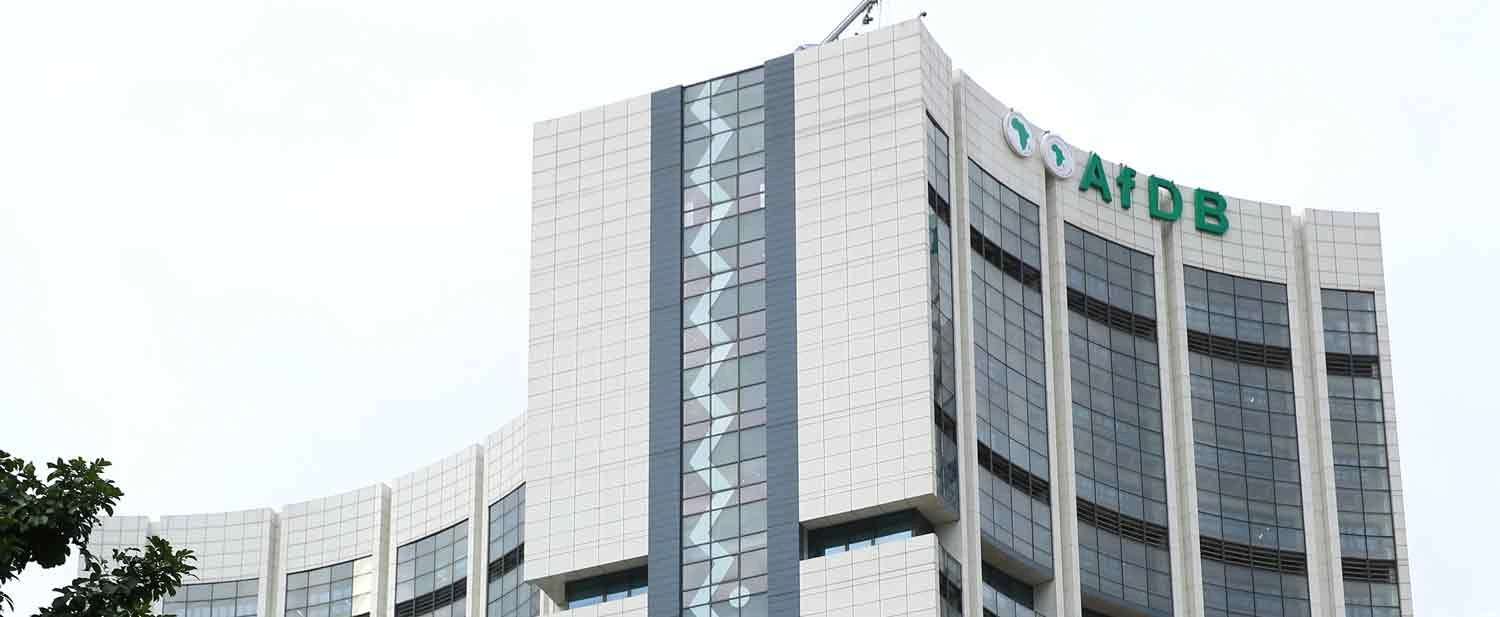
The African Development Bank Group and India are accelerating collaboration across digital infrastructure, pharmaceutical manufacturing, and financial systems as the fourth India-Africa Forum Summit approaches on 31 May 2026 in New Delhi. The partnership — rooted in more than four decades of institutional engagement since India joined the Bank Group in 1983 — has produced tangible outcomes including a $6 million trust fund for technical cooperation, a $2 million contribution to Africa’s digital financial inclusion facility, and 173 contracts worth approximately $760 million awarded to Indian companies under Bank-financed projects between 2020 and 2025. With bilateral trade reaching $100 billion in 2024–25 and cumulative Indian investment in Africa exceeding $75 billion, the summit is expected to establish new financing mechanisms and deepen engagement across priority sectors.
Markets move fast; don’t get left behind. We’ve paired the Serrari Group Market Index with a curated Marketplace and a comprehensive Wealth Builder Platform to ensure you have the data—and the skills—to act on it.
Key Overview
- Trade milestone: India-Africa bilateral trade crossed $100 billion in 2024–25, nearly doubling from $56 billion in 2019–20.
- AfDB procurement: Indian firms secured 173 contracts valued at approximately $760 million under Bank-financed projects between 2020 and 2025.
- Digital finance: India committed $2 million to the Africa Digital Financial Inclusion Facility in 2023 and signed a $6 million trust fund agreement in 2024.
- Pharma investment gap: Africa faces an estimated $111 billion pharmaceutical investment shortfall through 2030, with India positioned as a key technology transfer partner.
- Summit theme: The IAFS-IV will operate under the theme “IA SPIRIT: India Africa Strategic Partnership for Innovation, Resilience, and Inclusive Transformation”.
- Continental market context: The African Continental Free Trade Area connects 1.4 billion people across 55 countries with a combined GDP exceeding $3.4 trillion, creating vast opportunities for Indian businesses.
A Partnership Four Decades in the Making
India’s relationship with the African Development Bank Group stretches back to the early 1980s. India became a member of the African Development Fund in 1982 and joined the African Development Bank itself in 1983. Since then, New Delhi has contributed to every general capital increase, helping strengthen the institution’s capacity to finance infrastructure, development projects, and economic recovery across Africa.
This history has given the partnership a depth that distinguishes it from many other bilateral development relationships. Collaboration is grounded in a South-South cooperation model — both India and African nations share the experience of building systems for large, diverse, and economically varied populations. The Bank Group’s strategic framework, known as the “Four Cardinal Points,” prioritises expanding access to capital, strengthening financial and digital systems, and accelerating industrialisation — areas where India’s own development trajectory offers directly applicable lessons.
In September 2024, the Bank Group deepened this engagement when Vice President Solomon Quaynor led a delegation to India to explore new investment and trade opportunities. Over four days in New Delhi, Gurgaon, and Faridabad, discussions with private sector leaders focused on pharmaceuticals, agriculture, and technology. Quaynor positioned the Bank as a potential partner for Indian companies looking to enter African markets through project financing and de-risking initiatives. During the visit, the Vice President also participated in the 19th India-Africa Business Conclave, organised annually by the Confederation of Indian Industry in partnership with India’s trade and foreign affairs ministries.
Trade That Has Nearly Doubled in Five Years
The economic relationship between India and Africa has entered a new phase of scale. Bilateral trade approached $100 billion in 2024–25 across sectors including infrastructure, energy, agriculture, and technology. Union Minister Kirti Vardhan Singh confirmed the milestone at the 20th CII India-Africa Business Conclave in August 2025, noting that the figure had nearly doubled from $56 billion in 2019–20.
India is now among the continent’s top five investors, with cumulative investments exceeding $75 billion between 1996 and 2024. The country has also extended concessional loans worth over $12 billion and $700 million in grant assistance for projects across Africa, alongside 50,000 scholarships for African youth, of which more than 42,000 have been utilised.
This growth is increasingly reflected in African Development Bank-financed operations. Between 2020 and 2025, Indian companies secured 173 contracts valued at approximately $760 million, representing 5.3% of total procurement under Bank-financed projects. These contracts span priority sectors and strengthen delivery capacity while expanding opportunities for private-sector involvement.
India’s engagement with Africa operates within the context of the African Continental Free Trade Area, which connects 1.4 billion people across 55 countries with a combined GDP of $3.4 trillion. As Quaynor noted during his India visit, the AfCFTA represents a single continental market that Indian companies can access through industrialisation and value chain participation. The World Bank has estimated that full implementation of the trade area could boost Africa’s income by $450 billion by 2035 and lift 30 million people out of extreme poverty.
Context is everything. While you follow today’s updates, use the Serrari Group Market Index and Marketplace to spot emerging shifts. Need to sharpen your edge? Our Wealth Builder Platform turns these insights into a professional-grade strategy.
Digital Public Infrastructure: India’s Signature Contribution
Digital public infrastructure has emerged as one of the most distinctive areas of India-Africa cooperation. India’s own transformation in this space — from Aadhaar’s launch in 2009 to the explosive growth of the Unified Payments Interface (UPI) — offers directly relevant models for African countries seeking to modernise public systems and expand financial inclusion. India’s formal banking inclusion rose from 25% in 2008 to over 80% by 2023, driven by the interoperable building blocks of digital identity, payments, and data platforms.
In 2023, India committed $2 million to the Africa Digital Financial Inclusion Facility (ADFI), a facility housed and managed by the African Development Bank. The ADFI scales innovative digital financial solutions under three strategic pillars: infrastructure, policies and regulations, and product innovation. India’s contribution enables the facility to learn from the country’s digital public infrastructure success and help scale up initiatives to reach financially excluded populations across the continent.
In 2024, India went further, signing the third phase of the Indian Technical Cooperation Agreement — also known as the India Trust Fund — worth $6 million. This follows earlier contributions including a $9.5 million replenishment signed in 2015. The combined funding supports the rollout of digital payments, interoperability frameworks, and expanded access to financial services in Bank member countries.
The results are already visible. In Mauritania, a $4.78 million initiative financed by the African Development Fund — known as the Financial Infrastructure Modernisation Project, or PAMIF — has transformed the country’s financial landscape. Financial inclusion more than doubled, climbing from 21% in 2019–20 to 55% by 2026. Before the project, interbank transfers in Mauritania could take days. The modernised system now enables instant digital payments, QR-code transactions, and real-time interbank settlement.
Across the continent, African countries are increasingly looking to India’s digital stack as a blueprint. Namibia became the first African country to license UPI in April 2024, signing an agreement with NPCI International to develop a comparable real-time payment system. Ghana, Uganda, Rwanda, and Mozambique have also expressed interest. India’s approach — combining open-source platforms, public-private governance, and market innovation — makes it particularly attractive for African governments seeking development-compatible models that can be adapted to local conditions.
Addressing Africa’s $111 Billion Pharmaceutical Gap
Healthcare and pharmaceutical manufacturing represent another critical frontier for India-Africa cooperation through the Bank Group. The challenge is stark: Africa’s pharmaceutical sector faces an estimated $111 billion investment gap through 2030, spanning infrastructure, technology, skills, and regulatory systems. The continent currently imports approximately 99% of its vaccines and 80–90% of its medicines, while the African pharmaceutical market is valued at over $47 billion.
The African Development Bank has responded with a multi-pronged strategy. In June 2022, the Bank’s Board approved the establishment of the African Pharmaceutical Technology Foundation, a groundbreaking institution designed to enhance Africa’s access to the technologies underpinning pharmaceutical manufacturing. Hosted in Rwanda and backed by the Bank’s commitment to invest up to $3 billion over the next decade in the pharmaceutical and vaccine sector, the Foundation promotes technology transfer, local manufacturing, and supply chain development.
India, the world’s largest producer of generic medicines and a major vaccine manufacturer, is a natural partner in this effort. During the September 2024 delegation visit, Quaynor and the Bank team explored pharmaceutical partnerships with Indian firms in detail. The Foundation has already begun engaging in country-level assessments — its March 2024 dialogue in Abuja, for example, focused on technology gaps in Nigeria’s pharmaceutical sector, where 75% of pharmaceutical products are still imported.
India’s expected contribution will come through industrial partnerships and technology transfer, supporting scalable systems that improve health outcomes while boosting African industrial capacity. The goal is not simply to reduce import dependency but to build competitive, locally grounded manufacturing ecosystems that can serve African markets sustainably.
The India-Africa Forum Summit: Setting the Stage
The fourth India-Africa Forum Summit, scheduled for 31 May 2026 in New Delhi, provides the institutional platform to formalise and expand these cooperation streams. The summit — the first since the third edition held in New Delhi in 2015 — will bring together African heads of state, senior government officials, and representatives from the African Union Commission and regional organisations.
India’s External Affairs Minister S. Jaishankar, unveiling the summit’s logo and theme on 23 April 2026, described the relationship as entering a “season of renewal”. He pointed to steady expansion across all key pillars of engagement, noting that he personally had made more than 20 visits to African countries, and that India’s diplomatic presence on the continent has expanded significantly — New Delhi has opened 16 new missions in Africa since 2018, bringing its total to 45.
Running alongside the summit will be the India-Africa Business Dialogue and Exhibition, taking place from 29 to 31 May at Bharat Mandapam in New Delhi. Featuring plenary sessions, sector-specific discussions, business-to-business meetings, and exhibitions, the forum aims to facilitate investment flows and foster long-term private sector partnerships.
The summit is also expected to align future cooperation with Africa’s Agenda 2063 — the African Union’s long-term development blueprint — and India’s own Viksit Bharat 2047 vision, creating a shared strategic framework for the decades ahead.
Africa’s Growth Trajectory and What It Means
The timing of this intensified engagement is not accidental. Africa remains the second-fastest growing region globally, with average real GDP growth expected to reach 4.3% in 2025, up from 3.7% in 2024, according to African Development Bank forecasts. Seventeen African economies are projected to grow by more than 5% in 2024.
This growth trajectory, combined with the continent’s youthful demographics — the median age is approximately 19 years — creates both immense demand and enormous opportunity. Digital payments adoption, financial services expansion, pharmaceutical localisation, and infrastructure development are all areas where demand is rising faster than supply, and where scalable solutions from partners like India can have outsized impact.
India’s development cooperation model also differs from many traditional donor approaches. Rather than operating on a donor-recipient basis, New Delhi positions its engagement as partnership-oriented, rooted in shared historical ties and mutual benefit. This South-South framework, channelled through institutions like the African Development Bank Group, offers a pathway to cooperation that is demand-driven and locally adaptable.
Looking Ahead: From Momentum to Measurable Outcomes
The African Development Bank Group has made clear that it intends to translate the current momentum into scalable investments that strengthen economic systems and deliver measurable outcomes. The Bank’s cooperation with India is expected to expand across multiple channels — from trust fund contributions and procurement participation to joint initiatives in digital finance, health systems, and industrial development.
For India, the summit offers an opportunity to consolidate its position as one of Africa’s most significant economic partners at a time when global competition for African markets and resources is intensifying. India’s cumulative investments exceeding $75 billion, combined with growing digital cooperation and deepening institutional ties through the Bank Group, provide a foundation that few other bilateral relationships can match in both breadth and institutional depth.
With the AfCFTA creating a unified continental market, and Africa’s digital and industrial transformation accelerating, the partnership between India and the African Development Bank Group is positioned to shape how development finance, technology transfer, and South-South cooperation operate across the continent for years to come.
Your financial future isn’t something you wait for—it’s something you build.
The real question is: when do you begin?
Move beyond simply staying informed.
Navigate the markets with clarity—track trends through the Serrari Group Market Index, uncover opportunities in the Serrari Marketplace, and build practical knowledge with our Curated Wealth Builder Platform.
Stay connected to what truly matters.
Get daily insights on macro trends and financial movements across Kenya, Africa, and global markets—delivered through the Serrari Newsletter.
Growth opens doors.
Advance your career through professional programs including ACCA,HESI A2,ATI TEAS 7,HESI EXIT ,NCLEX – RNandNCLEX – PN, Financial Literacy!🌟—designed to move you forward with confidence.
See where money is flowing—clearly and in real time.
Track Money Market Funds, Treasury Bills, Treasury Bonds, Green Bonds, and Fixed Deposits, alongside global and African indexes, key economic indicators, and the evolving Crypto and stablecoin landscape—all withinSerrari’s Market Index.