France has launched a major 12 GW renewable energy tender program combining offshore wind, solar, and onshore projects to strengthen energy independence and industrial resilience. The initiative introduces new “resilience criteria” to prioritize European supply chains while reducing reliance on Chinese components. Positioned within France’s long-term offshore wind targets and the EU’s broader industrial strategy, the move reflects a growing convergence between climate policy, economic security, and geopolitical risk management.
Key Overview
- France launches 12 GW renewable energy tenders to boost energy independence
- Includes 10 GW offshore wind, 1.2 GW solar, and 0.8 GW onshore wind
- New “resilience criteria” limit reliance on Chinese supply chains
- Policy aligns with 2035 offshore wind targets and EU industrial strategy
France has announced an ambitious and strategically significant new round of renewable energy tenders totaling 12 gigawatts, marking one of its most decisive steps toward strengthening long-term energy independence while accelerating its transition to a low-carbon economy. The program combines large-scale offshore wind development with solar and onshore wind projects, reflecting a diversified and carefully structured approach to expanding clean energy capacity across multiple technologies.
At its core, this initiative is designed to reduce France’s reliance on imported fossil fuels, particularly oil and natural gas, which have historically exposed the country—and Europe more broadly—to price volatility and geopolitical risk. By scaling domestic renewable energy production, France aims to build a more stable, self-sufficient, and resilient energy system that can better withstand external shocks.
The scale of the tender also reflects the urgency of the current energy environment. As global energy markets remain under pressure, governments are increasingly recognizing that energy independence is no longer just an economic priority but a strategic necessity. In this context, France’s move signals a clear commitment to reshaping its energy mix in a way that enhances both sustainability and security.
Markets move fast; don’t get left behind. We’ve paired the Serrari Group Market Index with a curated Marketplace and a comprehensive Wealth Builder Course to ensure you have the data—and the skills—to act on it.
Breaking Down the 12 GW Expansion
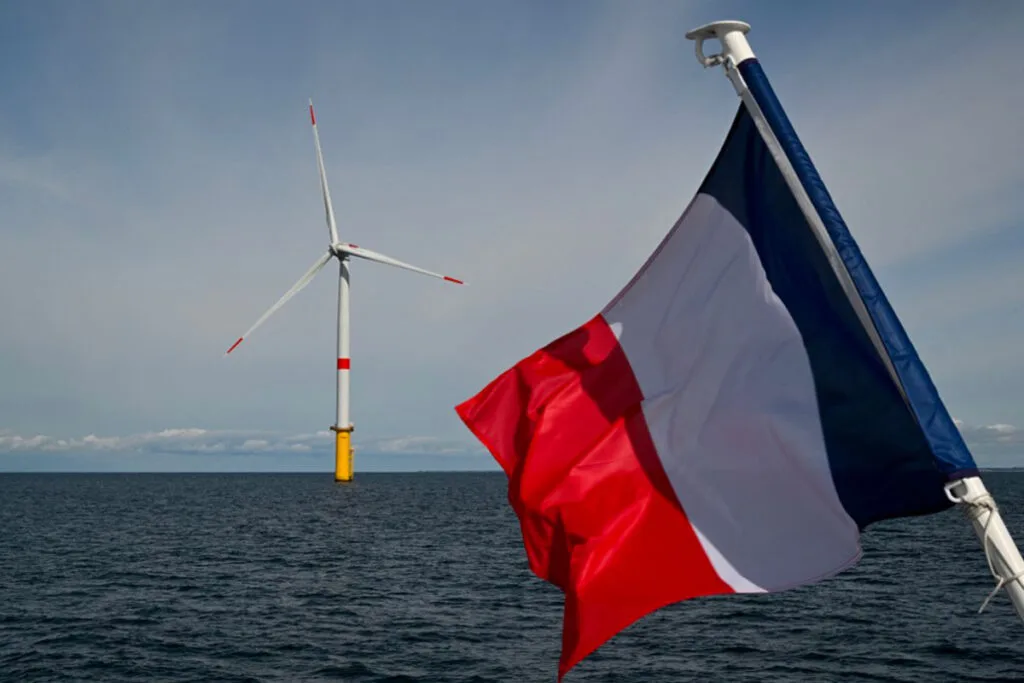
The structure of the tender program reveals a strong strategic emphasis on offshore wind, which accounts for the majority of the planned capacity. Seven offshore wind projects will deliver a combined 10 GW, while additional allocations include 1.2 GW of solar capacity and 0.8 GW of onshore wind.
This distribution reflects France’s long-term vision of offshore wind as a cornerstone of its future energy system. Offshore wind projects offer significant scalability and the ability to generate large volumes of electricity, making them particularly well-suited to meeting rising energy demand while supporting decarbonization goals.
At the same time, the inclusion of solar and onshore wind ensures a more balanced and diversified energy mix. These technologies provide complementary advantages, including faster deployment timelines, lower initial capital requirements, and broader geographic flexibility. By combining these different sources, France is creating a more resilient and adaptable renewable energy portfolio capable of responding to varying demand and supply conditions.
Delays Highlight Policy Tensions
The launch of the tender program follows a two-year delay caused by political disagreements over renewable energy financing, highlighting the complex trade-offs involved in large-scale energy policy decisions. These delays reflect broader tensions between fiscal constraints and climate ambitions, particularly in economies facing high public debt and competing budgetary priorities.
France’s experience underscores the challenges governments face in balancing immediate economic pressures with long-term sustainability goals. While the need for investment in renewable energy is widely acknowledged, securing the necessary funding and political consensus can be a complex process.
The eventual rollout of the tenders suggests that these challenges have been addressed sufficiently to allow progress to resume. However, the delay also serves as a reminder that energy transition policies are deeply intertwined with political and economic realities, requiring careful coordination across multiple stakeholders.
Geopolitics Driving Energy Strategy
The timing of France’s announcement is closely linked to ongoing geopolitical developments that are reshaping global energy markets. Disruptions to critical shipping routes, including the Strait of Hormuz, have contributed to rising energy prices and increased uncertainty, with Europe expected to feel the impact in the near term.
In this context, France’s renewable expansion can be seen as a proactive response to external risks. By reducing dependence on imported energy sources, the country is aiming to insulate itself from geopolitical disruptions and price volatility.
This approach reflects a broader shift across Europe, where energy policy is increasingly influenced by considerations of security and resilience. Renewable energy is no longer viewed solely as a tool for reducing emissions—it is also a critical component of national and regional stability.
Energy Sovereignty Meets Industrial Policy
Beyond expanding renewable capacity, the tender program incorporates a clear and deliberate industrial strategy aimed at strengthening domestic and European manufacturing capabilities. France is prioritizing local production as part of a broader effort to reduce reliance on foreign supply chains, particularly those dominated by China.
The government has emphasized the importance of using domestic technologies, factories, and labor wherever possible. This approach ensures that the energy transition also supports economic development, job creation, and industrial growth.
By integrating industrial policy into its renewable strategy, France is not only addressing energy challenges but also positioning itself to capture greater economic value from the transition. This dual focus reflects a more holistic approach to climate policy, where environmental and economic objectives are closely aligned.
New “Resilience Criteria” Reshape Supply Chains
A central feature of the tender program is the introduction of “resilience criteria,” which are designed to influence how projects are evaluated and awarded. These criteria prioritize the origin of key components, encouraging the use of European supply chains and reducing dependence on external suppliers.
For offshore wind projects, the rules specify that no more than four of nine strategic components may be sourced from China, while the share of Chinese permanent magnets in turbines is capped at 50%. Solar tenders will also include stricter requirements for photovoltaic cells and modules.
These measures represent a significant shift in procurement practices, reflecting growing concerns about supply chain security and geopolitical risk. By embedding these criteria into the tender process, France is taking proactive steps to build a more secure and resilient energy infrastructure.
Context is everything. While you follow today’s updates, use the Serrari Group Market Index and Marketplace to spot emerging shifts. Need to sharpen your edge? Our Wealth Builder Course turns these insights into a professional-grade strategy.
Aligning with Europe’s Industrial Strategy
France’s approach is closely aligned with broader European Union initiatives, particularly the upcoming Industrial Accelerator Act, which aims to formalize a “Made in Europe” strategy starting in 2030.
By adopting similar principles ahead of formal EU legislation, France is positioning itself as a leader in integrating climate policy with industrial competitiveness. This proactive stance suggests that future energy policies across Europe will increasingly reflect this dual focus.
The alignment also highlights the growing importance of technological sovereignty, as countries seek to develop and control critical supply chains within their own regions.
Scaling Toward 2035 Offshore Wind Targets
The tender program plays a central and strategic role in advancing France’s long-term energy planning objectives, particularly its target of achieving 15 GW of offshore wind capacity by 2035. With current installed capacity still below 2 GW, the scale of expansion required is substantial, underscoring the urgency and ambition behind the government’s latest initiative. Bridging this gap will require not only sustained investment but also coordinated execution across multiple projects over the coming decade.
By accelerating project development now, France is effectively front-loading its transition efforts, laying a strong foundation for future capacity growth while ensuring that its energy system can keep pace with rising demand. Early deployment is critical in building supply chains, developing expertise, and reducing future bottlenecks, all of which are essential for meeting long-term targets.
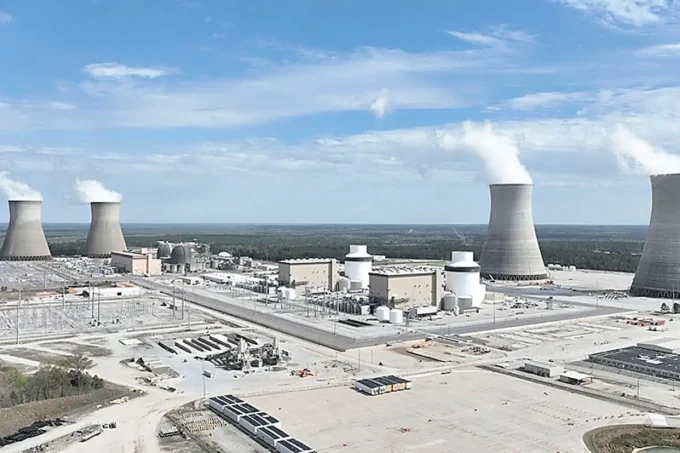
At the same time, the country is working to maintain relatively low electricity prices, supported by its existing nuclear fleet, which continues to provide a stable and reliable source of baseload power. This combination of nuclear energy and expanding renewable capacity creates a balanced energy mix, allowing France to pursue decarbonization without compromising affordability or energy security. The integration of these two systems highlights a pragmatic approach to the transition—one that balances environmental goals with economic realities.
Supporting Domestic Industry and Jobs
The tender program is also expected to generate significant economic benefits by strengthening domestic industries across the renewable energy value chain. Key sectors poised to benefit include photovoltaic manufacturing, cable production, turbine assembly, and rare earth processing—industries that are critical to the development and deployment of renewable infrastructure.
By creating a clear and sustained demand for locally produced components, the policy is likely to stimulate new investment, encourage technological innovation, and support the expansion of industrial capacity within France and across Europe. This demand signal provides greater certainty for manufacturers, enabling them to scale operations and invest in long-term growth.
In addition to industrial development, the initiative is expected to support job creation across multiple regions, particularly in areas involved in manufacturing, construction, and maintenance of renewable energy projects. These economic benefits extend beyond the energy sector, contributing to broader regional development and strengthening local economies.
This focus on domestic industry reflects a broader strategic objective: ensuring that the energy transition delivers not only environmental gains but also tangible economic value. By aligning climate policy with industrial growth, France is positioning itself to enhance both its competitiveness and resilience in the evolving global energy landscape.
Implications for Investors and Developers
For investors and developers, France’s renewable energy tender pipeline presents substantial opportunities, particularly in offshore wind, which continues to be one of the fastest-growing and most capital-intensive segments of the European energy market. The scale and long-term nature of these projects make them attractive for institutional investors seeking stable, long-duration returns.
However, the introduction of stricter local content and resilience requirements will also reshape procurement strategies and operational planning. Developers may face higher upfront costs as they adjust supply chains to meet these new criteria, particularly when sourcing components from European manufacturers rather than lower-cost international suppliers. This shift could have implications for project economics, especially in the early stages of implementation.
At the same time, the policy provides greater clarity and long-term visibility, which are critical factors in investment decision-making. A well-defined pipeline of projects, combined with clear regulatory expectations, reduces uncertainty and enhances confidence among investors and developers.
Additionally, the inclusion of sustainability and cybersecurity requirements reflects the evolving regulatory landscape, where energy infrastructure is increasingly viewed through the lens of national security and environmental accountability. These requirements signal a move toward more comprehensive governance standards, ensuring that projects meet not only financial and technical criteria but also broader societal and strategic objectives.
Outlook: A New Phase in the Energy Transition
France’s 12 GW renewable tender program represents a broader transformation in how energy transitions are being approached, both nationally and globally. Decarbonization is no longer treated as a standalone objective—it is now deeply interconnected with energy security, industrial policy, and economic resilience. This shift reflects a growing recognition that the energy transition must address multiple priorities simultaneously.
As Europe navigates an increasingly complex and volatile energy environment, shaped by geopolitical tensions and shifting market dynamics, France’s strategy offers a compelling model for integrating these diverse considerations into a cohesive framework. By aligning renewable energy expansion with industrial development and supply chain resilience, the country is adopting a more holistic and forward-looking approach.
Looking ahead, the success of this initiative will depend on effective implementation, strong collaboration between public and private sectors, and the ability to balance competing priorities such as cost, competitiveness, and sustainability. Execution will be critical, particularly given the scale and complexity of the projects involved.
If successful, France’s approach could redefine how countries pursue the energy transition, demonstrating that clean energy investments can also serve as a foundation for economic strength, technological leadership, and strategic independence. In doing so, it signals a new phase in the global energy transition—one where sustainability, security, and growth are increasingly aligned.
Your financial future isn’t something you wait for—it’s something you build.
The real question is: when do you begin?
Move beyond simply staying informed.
Navigate the markets with clarity—track trends through the Serrari Group Market Index, uncover opportunities in the Serrari Marketplace, and build practical knowledge with our Curated Wealth Builder Course.
Stay connected to what truly matters.
Get daily insights on macro trends and financial movements across Kenya, Africa, and global markets—delivered through the Serrari Newsletter.
Growth opens doors.
Advance your career through professional programs including ACCA, HESI A2, ATI TEAS 7 , HESI EXIT , NCLEX – RN and NCLEX – PN, Financial Literacy!🌟—designed to move you forward with confidence.
See where money is flowing—clearly and in real time.
Track Money Market Funds, Treasury Bills, Treasury Bonds, Green Bonds, and Fixed Deposits, alongside global and African indexes, key economic indicators, and the evolving Crypto and stablecoin landscape—all within Serrari’s Market Index.