
















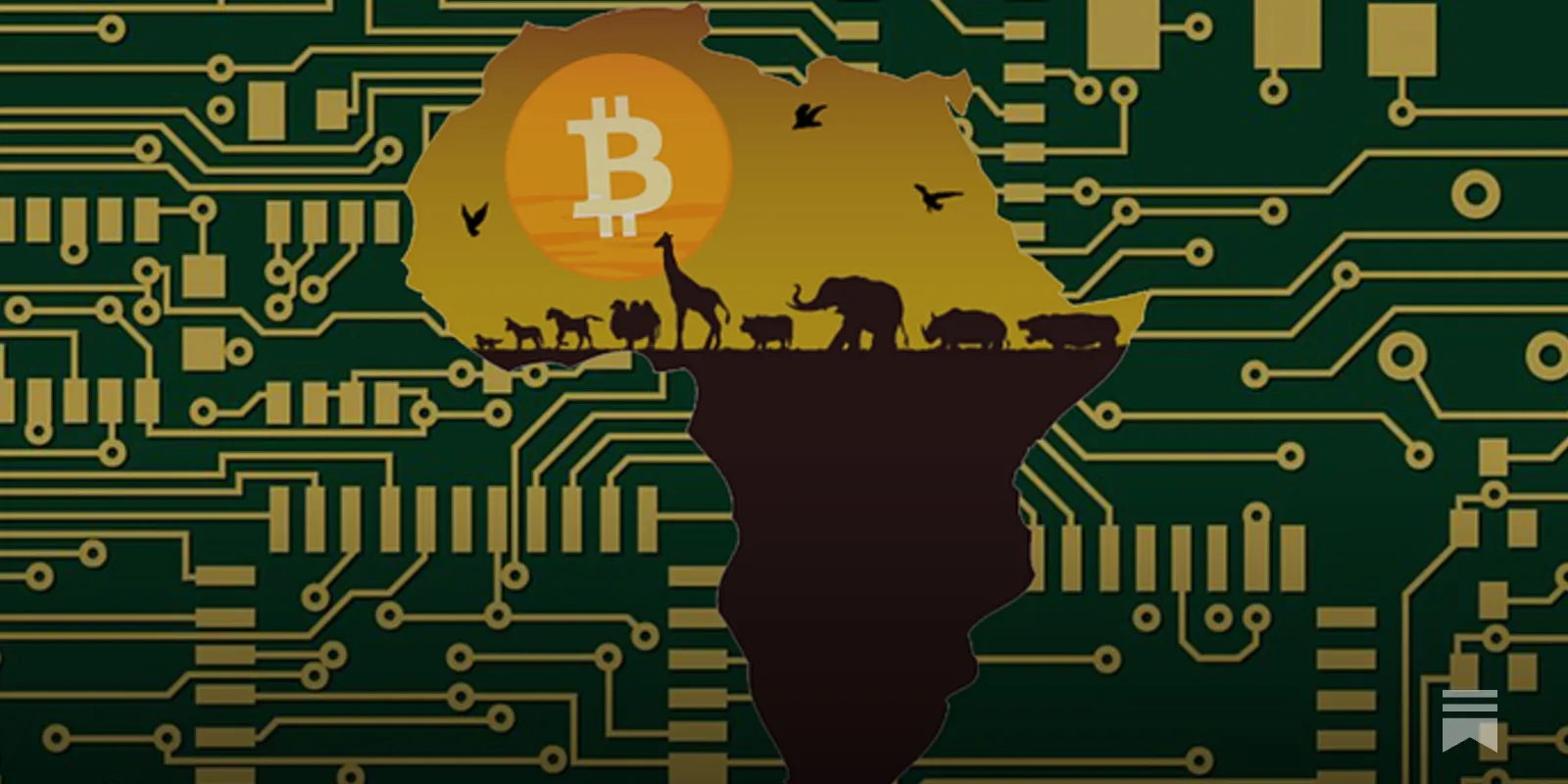
Africa’s crypto market is expanding rapidly, driven by a powerful combination of regulatory clarity and widespread digital payment adoption. As countries such as Kenya, Nigeria, South Africa, and Mauritius introduce structured legal frameworks, trust in digital assets is increasing, allowing the sector to transition from informal usage to regulated financial systems. This shift is unlocking institutional participation, improving liquidity, and positioning Africa as one of the fastest-growing crypto regions globally. While risks such as volatility and regulatory fragmentation remain, the overall trajectory suggests a maturing ecosystem that could play a central role in the continent’s financial future.
Key Overview
Africa’s crypto market is experiencing significant growth, with on-chain transaction value rising sharply as more countries introduce clear and structured regulations. This regulatory momentum, combined with the region’s dominance in mobile money, is creating a strong foundation for digital asset adoption. As trust increases, crypto is evolving from informal usage into a more regulated and institutionalized financial ecosystem.
Introduction: A Market Moving From the Margins to the Mainstream
Africa’s cryptocurrency market is no longer an emerging niche—it is rapidly becoming a central pillar of the continent’s evolving financial system. Over the past few years, digital assets have shifted from being viewed as speculative tools used primarily by early adopters to becoming widely recognized instruments for payments, savings, and cross-border transactions. This transformation is now accelerating at an unprecedented pace.
Recent data reveals that on-chain transaction value across Africa has grown significantly, reflecting both increased usage and deeper market engagement. The growth is not isolated or random. Instead, it is being driven by a convergence of factors, chief among them being regulatory clarity and the continent’s unique digital payment ecosystem.
For a long time, Africa’s crypto market operated in a largely unregulated environment, characterized by innovation but also uncertainty. Today, that uncertainty is gradually being replaced by structured legal frameworks. Governments are beginning to recognize the economic potential of digital assets, and in doing so, they are laying the groundwork for a more secure, scalable, and inclusive financial ecosystem.
Markets move fast; don’t get left behind. We’ve paired the Serrari Group Market Index with a curated Marketplace and a comprehensive Wealth Builder Course to ensure you have the data—and the skills—to act on it.
The Growth Story: A Rapid Expansion in On-Chain Activity
The scale of growth in Africa’s crypto market is striking. On-chain activity has surged significantly year over year by 52%, signaling a sharp increase in both transaction volume and user engagement. This growth reflects a deeper shift in how individuals and businesses are using digital assets.
Across Sub-Saharan Africa, crypto transactions have reached hundreds of billions of dollars within a relatively short period. This level of activity places the region among the fastest-growing crypto markets globally. What makes this even more remarkable is that the growth is occurring despite broader global uncertainties in the crypto space.
Unlike in some developed markets, where crypto adoption is often driven by speculative investment, Africa’s growth is largely utility-driven. Users are leveraging digital assets for practical purposes such as remittances, payments, and protection against currency volatility. This real-world usage provides a more sustainable foundation for long-term growth.
At the same time, periodic spikes in transaction volumes highlight the dynamic nature of the market. These fluctuations reflect both opportunities and challenges, as they indicate strong demand but also underline the inherent volatility of the crypto ecosystem.
The Regulatory Shift: From Uncertainty to Structure
One of the most important drivers behind Africa’s crypto growth is the shift toward clearer regulatory frameworks. For years, the lack of regulation created both opportunities and risks. While it allowed innovation to flourish, it also exposed users to fraud, market instability, and legal uncertainty.
That is now changing.
Countries across the continent are taking decisive steps to formalize the crypto sector. South Africa, for example, has classified cryptocurrencies as financial products, bringing them under the supervision of regulatory authorities. This move requires companies operating in the space to register and comply with strict guidelines, enhancing transparency and accountability.
Nigeria, another major player in the region, has also made significant progress. By recognizing digital assets as securities and easing previous banking restrictions, the country is signaling a more supportive stance toward crypto innovation. This policy shift is particularly important given Nigeria’s large population and high level of crypto adoption.
Kenya is following a similar path, introducing legislation aimed at regulating crypto service providers. The proposed framework is designed to oversee market participants, protect consumers, and ensure compliance with international standards. Meanwhile, Mauritius continues to refine its regulatory approach, focusing on creating a secure and compliant environment for digital asset businesses.
This wave of regulatory activity is not occurring in isolation. It represents a broader trend across the continent, with multiple countries working toward establishing clear rules for the crypto market. The result is a gradual transition from fragmented, informal systems to more coordinated and structured frameworks.
The Role of Mobile Money: Africa’s Unique Advantage
Africa’s dominance in mobile money provides a critical foundation for crypto adoption. The continent accounts for a significant majority of global mobile money transactions, with millions of users already accustomed to digital financial services.
This familiarity with digital payments lowers the barrier to entry for crypto adoption. Unlike in regions where financial systems are heavily reliant on traditional banking infrastructure, African users are already comfortable with mobile-based transactions. This creates a natural bridge between mobile money and digital assets.
The integration of crypto into this ecosystem has the potential to unlock new possibilities. For example, users can leverage digital assets for faster and cheaper cross-border payments, reducing reliance on traditional remittance channels. Similarly, businesses can use crypto to facilitate transactions in environments where access to foreign currency is limited.
This synergy between mobile money and crypto is one of the key reasons why Africa is emerging as a global leader in digital asset adoption.
Why This Matters: A Transformational Shift in Finance
The rapid growth of Africa’s crypto market has far-reaching implications. At its core, this transformation is about more than just technology—it is about access, inclusion, and economic empowerment.
For millions of people across the continent, traditional financial systems have been inaccessible or inefficient. Crypto offers an alternative, providing tools that enable individuals to participate in the global economy. This is particularly important in regions where banking infrastructure is limited or where currency instability affects savings and transactions.
At the same time, the formalization of the crypto market is creating new opportunities for investment and innovation. As regulatory frameworks become clearer, institutional players are more likely to enter the market, bringing additional capital and expertise. This could lead to the development of new financial products and services tailored to the needs of African users.
The broader economic impact is also significant. A more inclusive financial system can drive economic growth, support entrepreneurship, and enhance resilience. By enabling more efficient transactions and reducing barriers to entry, crypto has the potential to contribute to long-term development across the continent.
Context is everything. While you follow today’s updates, use the Serrari Group Market Index and Marketplace to spot emerging shifts. Need to sharpen your edge? Our Wealth Builder Course turns these insights into a professional-grade strategy.
Risks and Challenges: Navigating a Complex Landscape
Despite its potential, Africa’s crypto market faces several challenges that must be addressed to ensure sustainable growth.
One of the most prominent risks is volatility. Cryptocurrencies are known for their price fluctuations, which can create uncertainty for users. While some individuals use crypto as a hedge against local currency instability, the volatility of digital assets can introduce new risks.
Another challenge is the uneven pace of regulation across different countries. While some nations are moving quickly to establish clear frameworks, others are still in the early stages. This lack of uniformity can create confusion and limit cross-border integration.
There are also concerns related to consumer protection. As more people enter the crypto market, there is a need for education and awareness to ensure that users understand the risks involved. Without adequate safeguards, there is a risk that inexperienced investors could face significant losses.
Infrastructure and security are additional considerations. Ensuring that platforms are secure and capable of handling increased transaction volumes is critical. Any failures in this area could undermine trust and slow the pace of adoption.
The Role of Regulation in Building Trust
Regulation plays a crucial role in addressing these challenges. By establishing clear rules and standards, governments can create an environment that fosters innovation while protecting users.
The introduction of regulatory frameworks is already having a positive impact on market confidence. As trust increases, more users are willing to engage with digital assets, and institutional investors are more likely to participate.
Importantly, regulation does not necessarily stifle innovation. Instead, it provides a foundation for sustainable growth. By setting clear expectations and ensuring compliance, regulators can help create a more stable and resilient market.
Looking Ahead: The Future of Crypto in Africa
The trajectory of Africa’s crypto market suggests that the current growth is only the beginning. As regulatory frameworks continue to evolve and technology advances, the market is likely to become more sophisticated and integrated.
In the near term, continued growth in adoption and transaction volumes is expected. More countries are likely to introduce or refine their regulatory approaches, further enhancing market stability.
Over the longer term, the integration of crypto with other financial services could lead to the development of a more comprehensive digital ecosystem. This could include innovations in areas such as decentralized finance, digital identity, and cross-border payments.
The potential for Africa to play a leading role in the global crypto market is significant. By leveraging its unique strengths, including widespread mobile money adoption and a young, tech-savvy population, the continent is well-positioned to shape the future of digital finance.
Conclusion: A Market at a Critical Inflection Point
Africa’s crypto market is at a defining moment. The combination of rapid growth, regulatory progress, and technological innovation is creating a powerful momentum that could reshape the continent’s financial landscape.
While challenges remain, the overall direction is clear. The market is moving from informal and fragmented systems toward a more structured and inclusive ecosystem. This transition is being driven not only by technology but also by policy, trust, and user demand.
If managed effectively, this transformation has the potential to unlock significant economic value and create new opportunities for millions of people. As Africa continues to navigate this journey, its crypto market may well become a model for other regions seeking to harness the power of digital assets for inclusive growth.
Your financial future isn’t something you wait for, it’s something you build.
The real question is: when do you begin?
Move beyond simply staying informed.
Navigate the markets with clarity—track trends through the Serrari Group Market Index, uncover opportunities in the Serrari Marketplace, and build practical knowledge with our Curated Wealth Builder Course.
Stay connected to what truly matters.
Get daily insights on macro trends and financial movements across Kenya, Africa, and global markets—delivered through the Serrari Newsletter.
Growth opens doors.
Advance your career through professional programs including ACCA, HESI A2, ATI TEAS 7 , HESI EXIT , NCLEX – RN and NCLEX – PN, Financial Literacy!🌟—designed to move you forward with confidence.
See where money is flowing—clearly and in real time.
Track Money Market Funds, Treasury Bills, Treasury Bonds, Green Bonds, and Fixed Deposits, alongside global and African indexes, key economic indicators, and the evolving Crypto and stablecoin landscape—all within Serrari’s Market Index.