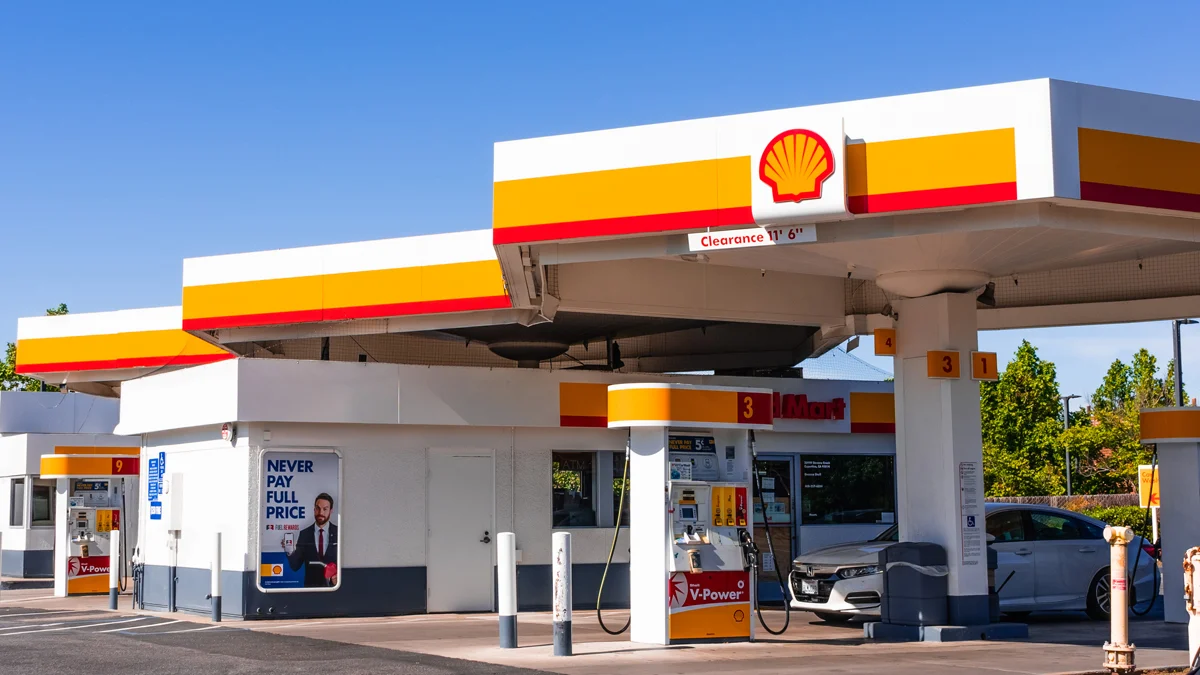
In a significant realignment of the global energy landscape, Shell Plc has entered advanced negotiations with the Abu Dhabi National Oil Company (ADNOC) to divest its extensive retail fuel network in South Africa. Valued at approximately $1 billion, the potential transaction involves over 600 service stations, granting the UAE-based energy giant a 10% foothold in Africa’s most industrialized economy. This move underscores Shell’s broader strategy to exit downstream markets in favor of high-margin upstream operations, while ADNOC continues its aggressive international expansion into emerging markets.
Key Overview
- Market Impact: The acquisition would position ADNOC as a top-tier player in South Africa, competing alongside established giants like Engen, Sasol, and TotalEnergies.
- The Divestment Path: Shell’s exit follows a century of operations in South Africa, marking a historic transition for the brand which first entered the market in 1902.
- Regional Strategy: This deal follows ADNOC’s recent joint venture with BP in Egypt, reflecting a coordinated push into the African continent’s energy and infrastructure sectors.
- Timeline and Valuation: Negotiations have intensified after prior talks with the Gunvor Group stalled, with a formal agreement expected as early as the second quarter of 2026.
Markets move fast; don’t get left behind. We’ve paired the Serrari Group Market Index with a curated Marketplace and a comprehensive Wealth Builder Platform to ensure you have the data—and the skills—to act on it.
The Billion-Dollar Handshake: ADNOC and the South African Frontier
The global energy transition is forcing a massive reshuffling of assets among the world’s “Supermajors,” and South Africa is currently the stage for one of the largest retail exits in recent memory. Shell Plc, a fixture of the South African landscape for over 120 years, is nearing a deal to hand over the keys to its retail empire to Abu Dhabi National Oil Co. (ADNOC). The deal, estimated to be worth nearly $1 billion, represents more than just a change in branding; it signifies a pivot in how Middle Eastern capital is flowing into sub-Saharan Africa.
ADNOC emerged as the “preferred bidder” for the assets after a competitive process that initially saw interest from diverse global commodities players. According to reports, negotiations with the Swiss-based Gunvor Group ultimately fell through, paving the way for the Abu Dhabi state-backed giant to solidify its position as the lead contender. For ADNOC, the prize is significant: a network of 600 retail fuel outlets that commands roughly 10% of the South African market.
Shell’s Strategic Retreat: A Century of History Ends
For Shell, the decision to leave South Africa’s downstream sector was not made overnight. The company first signaled its intent to divest in May 2024 following a comprehensive review of its global business portfolio. Under CEO Wael Sawan, Shell has been ruthless in its pursuit of capital efficiency, often choosing to divest from lower-margin retail and refining businesses to double down on natural gas and deepwater oil exploration.
The Shell Downstream South Africa (SDSA) unit represents one of the oldest operations in the company’s global history. Beginning in 1902, Shell was a primary supplier of kerosene for lighting and household heating in the Cape. Over the decades, it grew into a dominant force in the transportation sector. However, the modern South African fuel market is grappling with dynamic pricing pressures and a shifting regulatory environment, prompting Shell to seek an exit that aligns with its goal of simplifying its global footprint.
ADNOC’s Global Ambition: The “XRG” Factor
While Shell is scaling back, ADNOC is leaning in. The Abu Dhabi firm has launched an aggressive international growth strategy, backed by a staggering commitment to invest $150 billion by 2030 to meet global energy demand. This expansion is often funneled through specialized arms such as XRG, its international investment vehicle.
The South Africa deal is not an isolated incident. Only weeks prior, ADNOC, through its Arcius Energy joint venture with BP, reached a final investment decision to pour $500 million into the Harmattan gas field off the coast of Egypt. This multi-pronged approach—developing gas in the North and acquiring retail dominance in the South—suggests that ADNOC is positioning itself as a central pillar of the African energy value chain.
Context is everything. While you follow today’s updates, use the Serrari Group Market Index and Marketplace to spot emerging shifts. Need to sharpen your edge? Our Wealth Builder Platform turns these insights into a professional-grade strategy.
Navigating the South African Market Dynamics
The South African refined petroleum market is expected to reach a valuation of approximately $8.5 billion in 2026. It is a market characterized by high demand for diesel, which accounts for over 50% of the market share, driven primarily by the transportation and power generation sectors.
For ADNOC, entering this market provides an immediate, high-volume revenue stream. Data from early 2026 indicates that fuel stop volumes have seen unprecedented surges, with diesel demand hitting record highs as the industrial sector works to mitigate domestic energy supply shocks. By acquiring Shell’s 600 sites, ADNOC doesn’t just buy real estate; it buys a seat at the table of an economy that is the gateway to the rest of the Southern African Development Community (SADC).
Geopolitics and Resilience
What makes the Shell-ADNOC negotiations particularly noteworthy is the geopolitical backdrop. Despite the ongoing instability in the Middle East and disruptions to global shipping routes like the Strait of Hormuz, the sale process has continued without significant interruption. This resilience underscores the strategic importance both companies place on the African continent.
While Western energy majors are increasingly under pressure to divest from carbon-intensive assets due to ESG (Environmental, Social, and Governance) mandates, National Oil Companies (NOCs) from the Gulf are often more focused on market share and strategic resource security. This divergence in philosophy is reshaping who owns the infrastructure that powers daily life in emerging economies.
The Competitive Landscape: Who Remains?
If the deal closes, the competitive map of South Africa will look dramatically different. ADNOC will join a “big five” of fuel retailers that includes:
- Engen Petroleum: The current volume leader in the South African retail space.
- Sasol: The domestic giant with integrated coal-to-liquids technology.
- TotalEnergies: Maintaining a strong, diversified presence across Africa.
- Astron Energy: Which took over the former Caltex/Chevron assets.
- ADNOC (Former Shell): The new entrant with massive capital backing.
Notably, other players like Puma Energy and PetroSA were reportedly considered in the earlier rounds but are no longer in the running. The consolidation of these assets into ADNOC’s hands suggests a move toward a more “capital-heavy” retail environment where the ability to absorb global price volatility is paramount.
Economic Implications for South Africa
For the South African economy, the arrival of ADNOC could be a double-edged sword. On one hand, a $1 billion foreign direct investment (FDI) influx is a significant vote of confidence in the country’s long-term commercial potential. On the other hand, the exit of a Western major like Shell raises questions about the long-term diversity of foreign investment in the region.
The South African manufacturing and transport sectors are currently showing modest recovery, but fuel price inflation remains a critical concern for the Treasury. Whether ADNOC’s entry will lead to more competitive pricing or greater efficiency in the supply chain remains to be seen. However, ADNOC’s experience in managing integrated energy chains in the UAE could theoretically bring new logistical innovations to the Durban-to-Johannesburg fuel corridor.
Conclusion: A New Era of Energy Diplomacy
The impending sale of Shell’s South African retail network to ADNOC is more than a corporate divestment; it is a signal of the new “Energy Diplomacy.” As Western firms retreat to focus on low-carbon transitions and high-yield upstream plays, state-backed entities from the Middle East are stepping into the void, securing the physical infrastructure that will power Africa’s growth for the next several decades.
With an agreement potentially reaching a conclusion this quarter, the industry is watching closely. The “Shell” logo, a part of South African life since 1902, may soon be replaced by the ADNOC falcon, marking the start of a new chapter in the continent’s complex and evolving energy story.
Your financial future isn’t something you wait for—it’s something you build.
The real question is: when do you begin?
Move beyond simply staying informed.
Navigate the markets with clarity—track trends through the Serrari Group Market Index, uncover opportunities in the Serrari Marketplace, and build practical knowledge with our Curated Wealth Builder Platform.
Stay connected to what truly matters.
Get daily insights on macro trends and financial movements across Kenya, Africa, and global markets—delivered through the Serrari Newsletter.
Growth opens doors.
Advance your career through professional programs including ACCA, HESI A2, ATI TEAS 7 , HESI EXIT , NCLEX – RN and NCLEX – PN, Financial Literacy!🌟—designed to move you forward with confidence.
See where money is flowing—clearly and in real time.
Track Money Market Funds, Treasury Bills, Treasury Bonds, Green Bonds, and Fixed Deposits, alongside global and African indexes, key economic indicators, and the evolving Crypto and stablecoin landscape—all within Serrari’s Market Index.