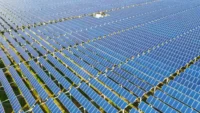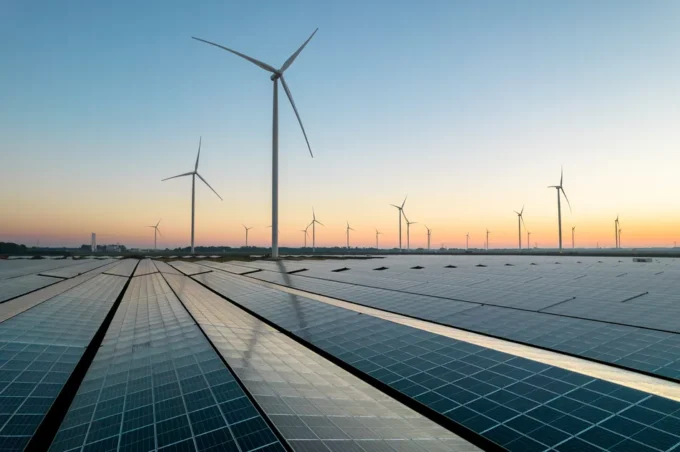

















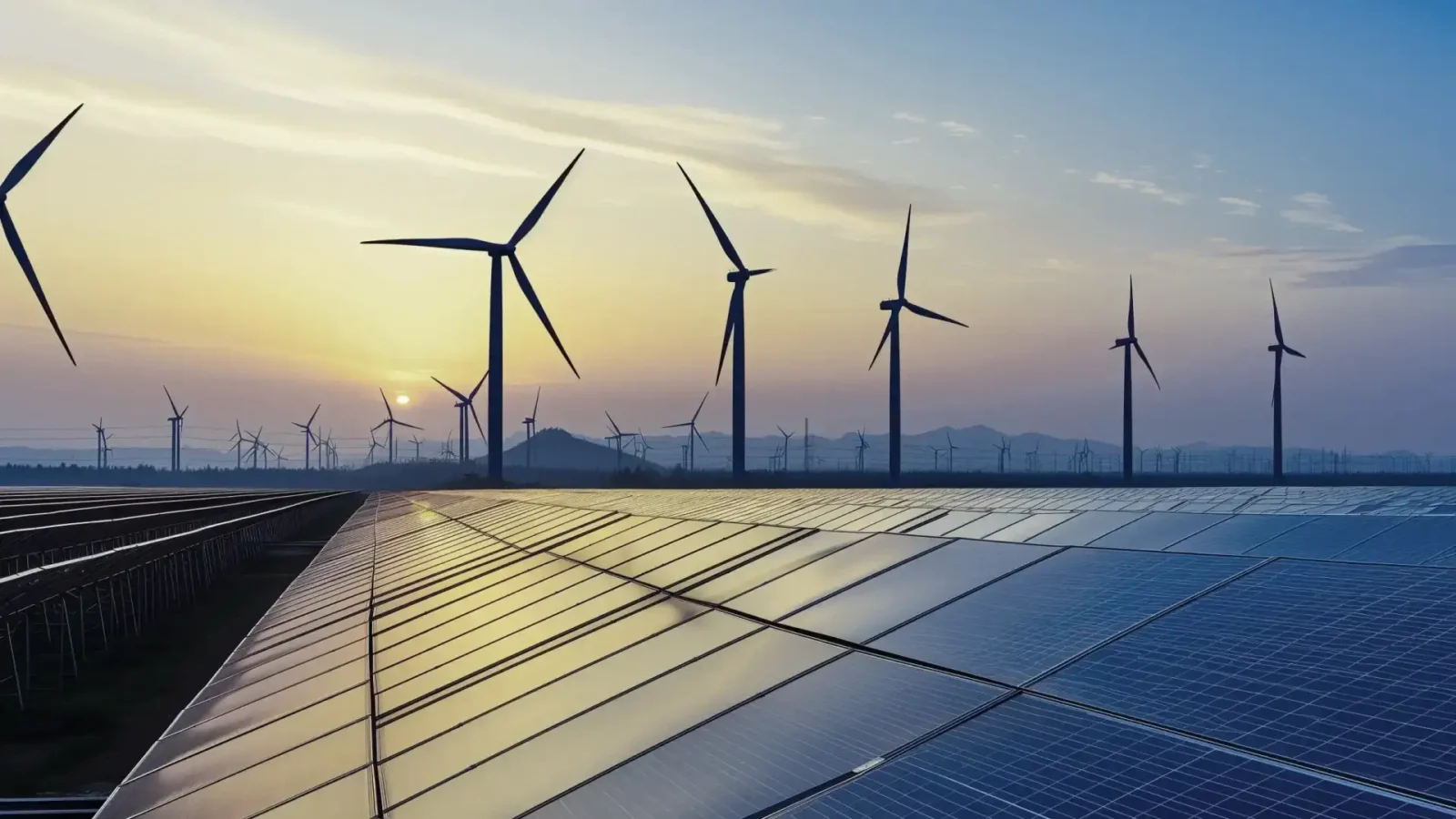
Wind and solar generated more global electricity than gas for the first time in April 2026, marking a major milestone in the global energy transition as renewable power output reached record levels worldwide.
According to energy think tank Ember, wind and solar accounted for 22% of global electricity generation during the month, compared with 20% from gas-fired power generation.
The milestone came during the first full month of the global energy crisis linked to the conflict in the Middle East, reinforcing how rapidly growing renewable energy capacity is reshaping global electricity markets and reducing dependence on imported fossil fuels.
Key Overview
- Wind and solar generated 22% of global electricity in April 2026
- Gas accounted for 20% of global electricity generation
- Renewable output reached a record 531TWh globally
- Wind and solar generation exceeded gas output by 54TWh
- Global renewable generation increased 13% year-on-year
- China, the EU, UK, US, and Australia all reported higher renewable output
- Wind and solar met all global electricity demand growth in 2025
- The milestone occurred during the global energy crisis linked to Middle East conflict
Wind and Solar Surpass Gas in Global Electricity Generation
Wind and solar power generated more global electricity than gas for the first time in April 2026, according to new data from Ember.
The report showed that wind and solar accounted for 22% of global electricity generation during the month, compared with 20% from gas.
Combined wind and solar output reached a record 531 terawatt hours (TWh) in April, surpassing gas generation by 54TWh after gas-fired electricity production totaled 477TWh.
The milestone marks a significant moment in the global energy transition and highlights the rapid pace at which renewable energy is reshaping electricity systems worldwide.
Five years earlier, in April 2021, global gas generation stood at a similar level of 476TWh, but renewable generation from wind and solar was far lower at just 245TWh.
Analysts say the latest figures demonstrate how quickly renewable deployment has accelerated across major economies over recent years.
The milestone also occurred during the first full month of the global energy crisis triggered by conflict in the Middle East, adding further attention to the growing role of domestic renewable energy in reducing dependence on volatile fossil fuel markets.
Renewable Growth Continues Accelerating Worldwide
According to Ember, the April 2026 figures reflect a continuation of a broader long-term shift toward clean electricity generation rather than a short-term reaction to the current energy crisis.
The think tank’s Global Electricity Review previously found that wind and solar met all global electricity demand growth during 2025.
Analysts say the trend reflects years of accelerating investment in renewable infrastructure, declining technology costs, and government policies supporting clean energy deployment.
The April milestone occurred under particularly favorable seasonal conditions.
Spring weather across the Northern Hemisphere — where most global solar capacity is concentrated — typically combines stronger wind output with rising solar generation.
At the same time, electricity demand often declines between winter heating and summer cooling seasons, reducing the need for gas-fired generation.
Ember noted that April was therefore the most likely month for wind and solar generation to temporarily overtake gas on a global basis.
However, analysts emphasized that renewable energy has not yet surpassed gas generation on an annual basis.
Still, the broader trajectory increasingly points toward expanding renewable dominance within global electricity markets.
Major Economies Report Strong Renewable Growth
Almost every major market reporting April electricity figures showed higher renewable generation compared with the previous year.
Globally, wind and solar generation increased by approximately 13% year-on-year.
China reported renewable generation growth of 14%, while the European Union recorded a 13% increase.
The United Kingdom posted one of the strongest increases at 35%, while the United States reported 8% growth.
Australia increased wind and solar generation by 17%, Chile by 24%, and Brazil by 4%.
Analysts say the widespread growth across both developed and emerging economies highlights how renewable energy deployment is becoming increasingly global rather than concentrated only in a few regions.
The rapid expansion of solar and wind infrastructure is also being supported by declining technology costs, improving grid integration, and growing investor interest in renewable energy assets.
Countries facing high imported gas costs have also accelerated renewable deployment as part of broader energy security strategies.
Context is everything. While you follow today’s updates, use the Serrari Group Market Index and Marketplace to spot emerging shifts. Need to sharpen your edge? Our Wealth Builder Platform turns these insights into a professional-grade strategy.
Energy Crisis Strengthens Renewable Momentum
The milestone comes amid ongoing global energy market volatility linked to conflict in the Middle East and disruptions affecting fossil fuel supply chains.
Analysts say the crisis has reinforced the economic and strategic advantages of renewable energy because wind and solar power reduce dependence on imported fuels and volatile commodity markets.
For many countries, imported liquefied natural gas (LNG) has become increasingly expensive and less competitive compared with domestically generated renewable electricity.
Kostantsa Rangelova said the current energy crisis has strengthened both the economic and political case for renewable energy deployment.
“Countries around the world have been turning to wind and solar because they are cheap, homegrown, and secure sources of electricity,” Rangelova said.
“The current energy crisis has further strengthened the economic case for renewables compared to imported gas, while also adding greater political urgency to accelerate deployment,” she added.
“For many importing countries, LNG-powered electricity is increasingly unable to compete with wind and solar.”
Analysts say rising geopolitical risks are increasingly influencing long-term energy planning as governments attempt to strengthen domestic electricity generation capacity and reduce exposure to external supply shocks.
Governments Expand Renewable Energy Targets
Governments worldwide are also continuing to expand renewable energy ambitions as the economics of clean power improve.
According to the Global Renewables Alliance, several countries recently announced major renewable energy expansion plans.
Indonesia plans to build 100 gigawatts of solar and storage capacity, while South Korea aims to triple renewable energy capacity to 100 gigawatts by 2030.
Additional accelerated renewable deployment efforts are also underway in countries including the Philippines, Thailand, and the United Kingdom.
Analysts say such targets reflect growing recognition that renewable energy now plays a central role not only in climate policy, but also in industrial competitiveness, energy security, and economic resilience.
The rapid deployment of battery storage systems is also helping support higher renewable penetration by improving grid stability and flexibility.
Renewable Energy Reshapes Global Power Markets
The latest figures from Ember highlight how rapidly renewable energy is transforming global electricity markets.
Wind and solar power are increasingly displacing fossil fuel generation during periods of strong renewable output, particularly in regions with large installed renewable capacity.
Analysts say continued growth in solar, wind, and energy storage infrastructure could significantly alter global electricity systems over the next decade.
At the same time, fossil fuel markets continue facing pressure from geopolitical instability, price volatility, and tightening climate regulations.
The shift toward renewable electricity may therefore accelerate further as governments and companies prioritize lower-cost, domestically generated, and lower-emission power sources.
Outlook
The milestone reached in April 2026 underscores the growing role of wind and solar energy within the global electricity system as renewable power generation continues expanding rapidly across major economies.
While gas still remains an important part of the global power mix on an annual basis, the latest figures suggest renewable energy is increasingly challenging fossil fuels during peak generation periods.
For governments, utilities, and investors, the rapid growth of renewable generation reinforces expectations that solar, wind, and battery storage will play an increasingly dominant role in future energy systems.
At the same time, ongoing geopolitical instability and fossil fuel market volatility may continue accelerating investment in domestic renewable infrastructure as countries seek greater energy security and long-term price stability.
Your financial future isn’t something you wait for—it’s something you build.
The real question is: when do you begin?
Move beyond simply staying informed.
Navigate the markets with clarity—track trends through the Serrari Group Market Index, uncover opportunities in the Serrari Marketplace, and build practical knowledge with our Curated Wealth Builder Platform.
Stay connected to what truly matters.
Get daily insights on macro trends and financial movements across Kenya, Africa, and global markets—delivered through the Serrari Newsletter.
Growth opens doors.
Advance your career through professional programs including ACCA, HESI A2, ATI TEAS 7 , HESI EXIT , NCLEX – RN and NCLEX – PN, Financial Literacy!🌟—designed to move you forward with confidence.
See where money is flowing—clearly and in real time.
Track Money Market Funds, Treasury Bills, Treasury Bonds, Green Bonds, and Fixed Deposits, alongside global and African indexes, key economic indicators, and the evolving Crypto and stablecoin landscape—all within Serrari’s Market Index.
Sources: Sustainable Times, CEEnergynews , Ember, Electrek, Business Line