Egypt’s banking sector is increasingly relying on tactical liquidity management tools as banks attempt to balance excess deposits, foreign exchange pressures, and inflation risks within a fragile macroeconomic environment.
According to recent banking and liquidity data, Egyptian banks remain heavily liquid following elevated deposit growth and relatively weak credit absorption during 2025. To manage the resulting liquidity surplus and reduce pressure on the Egyptian pound, banks are aggressively offering high-yield savings products, flexible repricing instruments, and short-term foreign currency deposits.
The strategy reflects broader efforts by both commercial banks and the Central Bank of Egypt to stabilize savings flows, retain foreign currency within the formal banking system, and limit speculative demand for U.S. dollars amid ongoing exchange-rate volatility.
Markets move fast; don’t get left behind. We’ve paired the Serrari Group Market Index with a curated Marketplace and a comprehensive Wealth Builder Platform to ensure you have the data—and the skills—to act on it.
Key Overview
Egyptian banks are using high-yield certificates, variable-rate products, and foreign-currency deposits to absorb excess liquidity and reduce pressure on the pound as FX risks remain elevated.
Egypt’s Banking System Faces Growing Liquidity Pressures
Egypt’s banking sector is navigating an increasingly delicate balancing act as lenders attempt to manage excess liquidity while simultaneously defending the Egyptian pound against renewed foreign exchange pressures.
The country’s banking system entered 2026 carrying substantial liquidity buffers accumulated during 2025, leaving banks flush with deposits but facing limited opportunities for aggressive credit expansion.
According to recent liquidity data cited by banking authorities and market analysts, local-currency liquidity levels remained around 40.3% during 2025, while foreign-currency liquidity stood at approximately 79.5%.
Both figures remained significantly above the minimum reserve requirements established by the Central Bank of Egypt, which mandates minimum liquidity ratios of 20% for local currency and 25% for foreign currency positions.
The elevated liquidity environment reflects a banking system where deposits have continued growing faster than loan demand, creating a structural surplus of cash throughout the financial sector.
Low Credit Absorption Driving Excess Cash
One of the clearest indicators of excess liquidity within Egypt’s banking system is the relatively low loan-to-deposit ratio.
According to Central Bank of Egypt data, the banking sector’s loan-to-deposit ratio stood at approximately 66.4% by the end of the fourth quarter of 2025.
That figure indicates banks are holding significantly more deposits than they are deploying into credit creation.
While strong deposit levels can enhance financial stability, persistently weak credit absorption creates broader macroeconomic challenges.
Large amounts of idle liquidity can increase speculative pressure within financial markets, particularly in economies vulnerable to foreign exchange instability and inflationary expectations.
In Egypt’s case, excess liquidity creates the risk that surplus cash may eventually flow into demand for foreign currency, especially during periods of declining confidence in the pound.
That dynamic has become one of the central concerns facing policymakers and banks throughout 2026.
Egyptian Pound Remains Under Pressure
Although the Egyptian pound recorded a modest appreciation during April, underlying exchange-rate pressures remain significant.
According to Trade Economics data referenced in recent market reports, the pound appreciated by approximately 1.73% during April 2026.
However, over the previous twelve months, the currency still depreciated by roughly 5.64%.
The temporary strengthening reflected easing geopolitical concerns linked to Gulf tensions and reduced short-term external pressure on foreign exchange markets.
Nevertheless, analysts caution that the improvement may only represent a temporary reprieve rather than a durable structural recovery.
The broader challenge remains Egypt’s persistent vulnerability to foreign currency demand, inflation pressures, and shifts in investor sentiment.
Banks are therefore increasingly being forced to play an active role in supporting monetary stability and managing liquidity flows.
State-Owned Banks Lead Liquidity Absorption Efforts
Facing continued liquidity overhang and foreign exchange sensitivity, Egypt’s major state-owned banks have intensified efforts to absorb excess cash from the financial system.
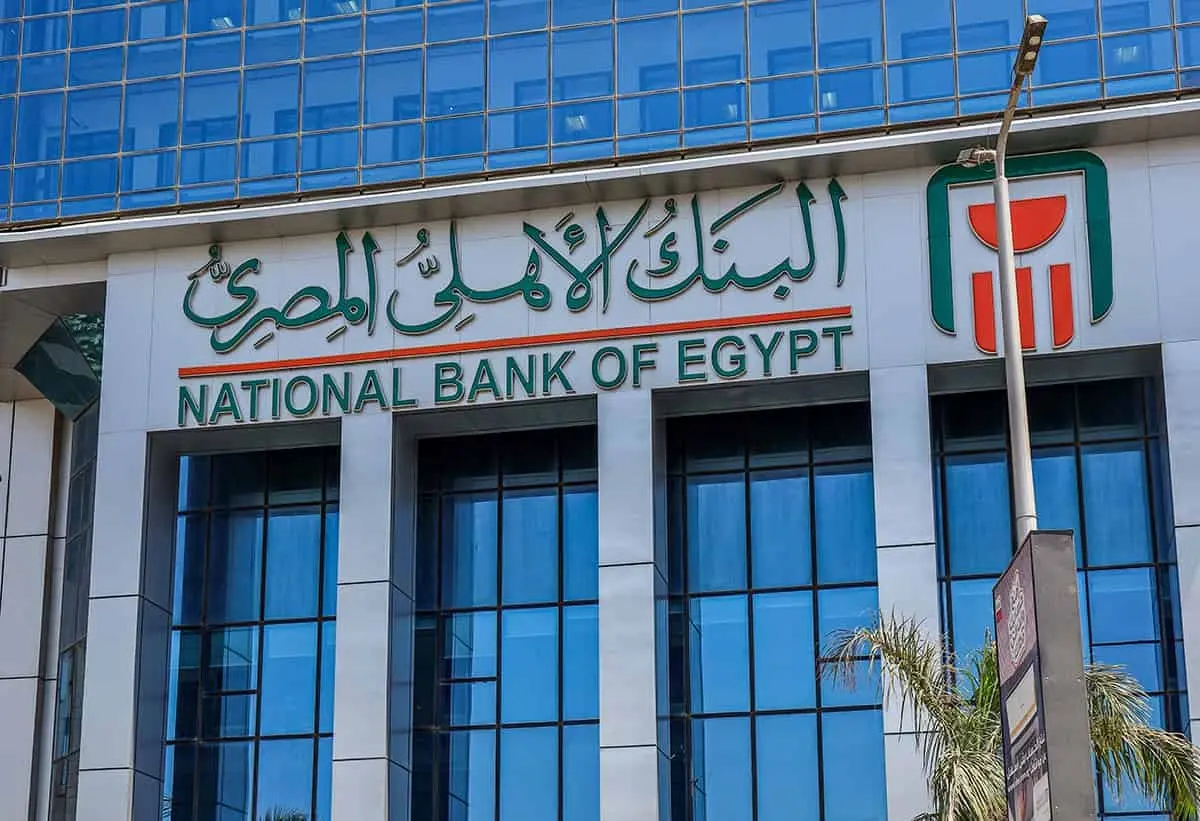
Institutions including National Bank of Egypt, Banque Misr, and Banque du Caire have deployed high-yield savings instruments designed to lock customer deposits into longer maturities.
Their flagship products remain three-year savings certificates offering annual returns of approximately 17.25%.
These instruments are part of a broader strategy originally introduced during Egypt’s 2024–2025 monetary tightening cycle, when authorities sought to stabilize domestic savings and limit inflation-driven capital movement into foreign currency.
By encouraging depositors to commit funds into longer-term high-yield instruments, banks aim to reduce short-term liquidity circulation and contain speculative FX demand.
Private Banks Introduce Flexible Repricing Products
While state-owned banks continue relying heavily on fixed-term certificates, private-sector lenders are increasingly deploying more flexible liquidity management tools.
Commercial International Bank has introduced a variable-return certificate offering annual returns of approximately 19.5%.
Unlike fixed-rate products, these instruments allow banks to adjust pricing more rapidly in response to changing market conditions and monetary policy developments.
The strategy gives banks greater flexibility in managing funding costs while still attracting deposit inflows from savers seeking protection against inflation and currency weakness.
Such products also reflect broader uncertainty surrounding future interest-rate trajectories and liquidity conditions within the Egyptian economy.
Banks are increasingly reluctant to lock themselves into very long-term fixed-rate obligations given ongoing volatility in inflation, exchange rates, and monetary policy expectations.
Context is everything. While you follow today’s updates, use the Serrari Group Market Index and Marketplace to spot emerging shifts. Need to sharpen your edge? Our Wealth Builder Platform turns these insights into a professional-grade strategy.
Banks Target Foreign Currency Retention
In parallel with local-currency liquidity management, Egyptian banks are also aggressively attempting to retain foreign currency deposits within the formal banking system.
Banks have rolled out short-term U.S. dollar deposit products offering returns ranging between 1% and 3.5% depending on maturity structures.
The deposits cover maturities ranging from one week to twelve months.
The objective is to discourage households and businesses from moving foreign currency holdings into informal channels or external markets.
Maintaining FX liquidity within the banking sector is especially important as Egypt continues managing pressure on net foreign assets and external financing conditions.
The strategy aligns closely with broader Central Bank of Egypt efforts to maintain exchange-rate stability while gradually operating within a more flexible foreign exchange regime.
Overnight Deposit Facility Reveals Excess Liquidity
Additional evidence of abundant liquidity can be seen through the banking sector’s continued reliance on the Central Bank of Egypt’s overnight deposit facility.
Recent CBE liquidity data updated on May 4, 2026 showed banks placing between EGP 10 billion and EGP 53 billion daily into overnight facilities during the April–May maintenance period.
Heavy usage of overnight facilities typically signals that banks are holding more liquidity than they can immediately deploy productively through lending or investment activities.
This reinforces concerns about excess liquidity circulating within the financial system and highlights why banks continue aggressively marketing savings products aimed at sterilizing surplus cash.
Without active liquidity absorption measures, excess cash could increase speculative demand for foreign currency and undermine confidence in the pound.
Monetary Tightening Legacy Still Influencing Markets
Egypt’s current banking dynamics remain heavily influenced by the country’s earlier monetary tightening cycle.
Between 2024 and 2025, policymakers implemented aggressive interest-rate adjustments and liquidity management measures aimed at stabilizing inflation and restoring macroeconomic confidence.
High-yield savings certificates became one of the primary tools used to attract household savings into the formal banking system and reduce speculative activity in foreign exchange markets.
Although inflation pressures have moderated somewhat since the peak of the tightening cycle, banks continue relying on similar strategies because structural liquidity pressures remain elevated.
The persistence of high liquidity despite aggressive savings products also highlights the scale of deposit accumulation within the banking system.
FX Stability Remains Fragile
Despite temporary improvements in the pound’s performance during April, Egypt’s foreign exchange environment remains vulnerable.
Several risks continue influencing market sentiment, including:
- External debt obligations
- Inflation expectations
- Import financing pressures
- Global commodity price volatility
- Regional geopolitical uncertainty
- Investor confidence fluctuations
Any sudden deterioration in confidence could quickly redirect excess domestic liquidity toward foreign currency demand.
That risk explains why banks and policymakers continue prioritizing liquidity sterilization and FX retention strategies even during periods of short-term exchange-rate improvement.
Banks Balancing Profitability and Stability
The aggressive competition for deposits also creates profitability challenges for Egyptian banks.
Offering very high returns on local-currency savings products increases funding costs significantly, especially if banks cannot deploy liquidity into sufficiently profitable lending opportunities.
At the same time, banks cannot afford to lose deposits or allow excess liquidity to destabilize foreign exchange markets.
The result is a complex balancing act between profitability, liquidity management, monetary stability, and customer retention.
Private-sector banks in particular are increasingly attempting to balance flexibility with competitiveness by using variable-return products rather than relying solely on long-term fixed-rate certificates.
Egypt’s Banking Sector Remains Structurally Liquid
Overall, the data suggests Egypt’s banking system remains highly liquid despite broader economic pressures.
Strong deposit growth, limited private-sector credit expansion, and active monetary management continue supporting high liquidity ratios throughout the financial sector.
While this strengthens short-term financial stability, it also creates ongoing policy challenges because large liquidity surpluses can quickly become destabilizing if confidence weakens.
The banking system therefore remains heavily dependent on tactical liquidity tools designed to absorb deposits, stabilize expectations, and manage foreign exchange sensitivity.
Final Takeaway
Egypt’s banks are increasingly relying on tactical liquidity management tools as they attempt to balance excess deposits, exchange-rate risks, and monetary stability within a fragile macroeconomic environment.
High-yield savings certificates, flexible repricing products, and foreign-currency deposit programs are all being deployed aggressively to absorb excess cash and reduce pressure on the Egyptian pound.
Although the pound recorded modest gains during April, underlying liquidity pressures and FX vulnerabilities remain significant, forcing both commercial banks and the Central Bank of Egypt to remain highly active in managing savings flows and financial system stability.
The broader challenge now facing Egypt’s banking sector is whether these tactical measures can sustainably contain liquidity risks without further straining bank profitability or slowing broader economic growth.
Your financial future isn’t something you wait for—it’s something you build.
The real question is: when do you begin?
Move beyond simply staying informed.
Navigate the markets with clarity—track trends through the Serrari Group Market Index, uncover opportunities in the Serrari Marketplace, and build practical knowledge with our Curated Wealth Builder Platform.
Stay connected to what truly matters.
Get daily insights on macro trends and financial movements across Kenya, Africa, and global markets—delivered through the Serrari Newsletter.
Growth opens doors.
Advance your career through professional programs including ACCA, HESI A2, ATI TEAS 7 , HESI EXIT , NCLEX – RN and NCLEX – PN, Financial Literacy!🌟—designed to move you forward with confidence.
See where money is flowing—clearly and in real time.
Track Money Market Funds, Treasury Bills, Treasury Bonds, Green Bonds, and Fixed Deposits, alongside global and African indexes, key economic indicators, and the evolving Crypto and stablecoin landscape—all within Serrari’s Market Index.