















Egypt has signed a major agreement to develop 4,750 MW of wind power alongside 4,000 MWh of battery storage, marking a significant and accelerated step in its clean energy transition. The deal, led by state-backed entities including key government ministries, reflects a stronger and more coordinated national push toward expanding renewable energy capacity at scale.
It also coincides with an upward revision of the country’s targets, with Egypt now aiming for renewables to account for 45% of electricity generation by 2028—bringing forward and strengthening its previous ambitions. The inclusion of large-scale battery storage is particularly notable, as it signals a shift beyond capacity expansion toward improving system reliability, managing intermittency, and ensuring grid stability as more renewable energy is integrated into the power mix.
Key Overview
- Egypt to develop 4,750 MW of wind power and 4,000 MWh of battery storage
- Projects located across Gulf of Suez, Ras Shukeir, Galala, and Zafarana
- Battery systems to support grid stability in multiple regions
- Renewable energy target raised to 45% by 2028
- Projects expected to be operational within two years
A Major Step in Egypt’s Renewable Energy Expansion
Egypt has taken a significant step forward in its renewable energy transition with the signing of a large-scale agreement to develop wind power and battery storage projects across the country. The initiative forms part of a broader national effort to expand clean energy capacity, diversify the power mix, and gradually reduce reliance on conventional generation sources. It also reflects a more coordinated push to align infrastructure development with evolving energy demand and long-term sustainability goals.
The newly announced programme includes plans to develop 4,750 megawatts of wind power alongside 4,000 megawatt-hours of battery storage, marking one of the country’s most substantial renewable energy investments to date. The scale of the project is notable not only in terms of capacity but also in its integrated design, combining generation and storage to support a more flexible and resilient electricity system. It signals a growing commitment to accelerating the deployment of clean energy infrastructure while addressing the operational challenges that come with higher renewable penetration.
The agreement was signed by the state-owned Tahya Misr Holding Company in collaboration with the Ministry of Electricity and the Ministry of Finance, underscoring strong government backing and institutional coordination. This alignment between financing, policy, and implementation bodies is expected to play a crucial role in ensuring timely execution, reducing bottlenecks, and enabling efficient integration of the projects into the national grid. It also reflects a centralized approach to managing large-scale energy investments.
Markets move fast; don’t get left behind. We’ve paired the Serrari Group Market Index with a curated Marketplace and a comprehensive Wealth Builder Course to ensure you have the data—and the skills—to act on it.
Strategic Locations for Wind Power Development
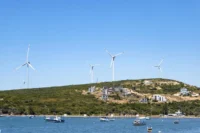
The wind energy component of the programme will be developed across several strategic locations known for their strong and consistent wind resources. These include the Gulf of Suez, Ras Shukeir, Galala, and Zafarana—areas that have already been identified and utilized as key hubs for wind energy generation in Egypt.
By focusing on these regions, the projects are positioned to maximize generation efficiency while building on existing infrastructure, technical expertise, and operational experience. The Gulf of Suez, in particular, has long been recognized as one of the most favorable wind corridors in the region, offering stable wind speeds that support high-capacity factors and reliable energy output over time.
Locating projects within these established zones also reduces development risks, as grid connectivity, land availability, and environmental assessments are often more advanced compared to new sites. This allows for faster deployment and smoother project execution.
In addition, the geographic distribution of wind farms across multiple regions helps diversify energy generation sources within the country. This spatial spread reduces the risk of localized disruptions and contributes to a more balanced and resilient power system, capable of managing variations in weather patterns and demand across different areas.
Integrating Battery Storage for Grid Stability
A defining feature of the programme is the inclusion of 4,000 megawatt-hours of battery storage, which will be deployed across multiple locations, including areas south of Cairo, Damanhur, and Wadi El Natrun. This component represents a significant step toward building a more modern and adaptable electricity grid.
The integration of battery storage systems is critical as renewable energy capacity increases. Wind power, while abundant and clean, is inherently variable, and its output does not always align perfectly with demand patterns. Storage systems address this challenge by capturing excess electricity generated during periods of strong wind and making it available when demand rises or generation drops.
According to Electricity Minister Mahmoud Esmat, these systems will play a key role in improving the efficiency of renewable energy while ensuring grid stability, particularly during peak demand periods. By smoothing out fluctuations in supply, battery storage enhances the reliability of the power system and reduces the need for backup generation from conventional sources.
Beyond operational stability, the deployment of storage also supports greater integration of renewable energy into the grid. As capacity expands, the ability to manage intermittency becomes increasingly important, and storage provides the flexibility needed to accommodate higher shares of clean energy without compromising system performance.
This approach reflects a broader global trend, where energy storage is increasingly paired with renewable generation to support higher penetration levels and maintain consistent power delivery. In Egypt’s case, it signals a shift toward more advanced energy system planning—one that considers not just how electricity is generated, but how it is stored, managed, and delivered efficiently.
Accelerated Timeline and Local Financing Structure
The projects are expected to be completed within approximately two years, highlighting an accelerated implementation timeline that stands out for infrastructure of this scale. This rapid rollout underscores the urgency with which Egypt is advancing its energy transition agenda, particularly as demand for electricity continues to rise and pressure mounts to diversify the power mix. Delivering large-scale wind and storage capacity within such a timeframe will require tight coordination across multiple stakeholders, streamlined approvals, and efficient execution on the ground.
Tahya Misr Holding Company will lead both the financing and execution of the programme, taking on a central role in ensuring that capital deployment and project delivery remain aligned. The decision to price electricity generated from the projects in Egyptian pounds introduces a localized financial structure that may help reduce exposure to foreign exchange volatility. It also opens the door for greater participation from domestic financial institutions and investors, strengthening the role of local capital in supporting national energy infrastructure.
At the same time, coordination with the state-owned electricity transmission company will be essential to ensure that the new capacity is effectively integrated into the existing grid. Seamless integration will allow electricity generated from these projects to be distributed efficiently across the country, minimizing transmission bottlenecks and supporting stable power delivery. This alignment between generation and transmission highlights the importance of system-wide planning in large-scale energy transitions.
Context is everything. While you follow today’s updates, use the Serrari Group Market Index and Marketplace to spot emerging shifts. Need to sharpen your edge? Our Wealth Builder Course turns these insights into a professional-grade strategy.
Raising Renewable Energy Ambitions
The announcement also signals a clear shift in Egypt’s national energy strategy, with the government raising its renewable energy target to 45% of the electricity mix by 2028, up from a previous goal of 42% by 2030. This change reflects both an increase in ambition and an acceleration of timelines, indicating a stronger and more proactive policy push toward clean energy adoption.
Bringing forward the timeline by two years suggests growing confidence in the country’s ability to deploy renewable capacity at scale while maintaining grid stability. It also reflects the impact of ongoing investments and infrastructure development, which are creating the conditions needed to support higher levels of renewable integration.
The revised target places Egypt more firmly within a global cohort of countries that are raising their clean energy ambitions in response to climate goals, economic considerations, and energy security priorities. By setting a more aggressive benchmark, the government is signaling its intent to position renewable energy as a central pillar of the national power system rather than a supplementary source.
Long-Term Growth in Solar and Wind Capacity
Looking ahead, Egypt’s power sector is expected to undergo substantial expansion, particularly in renewable energy capacity. Projections indicate that solar capacity could rise sharply over the next decade, increasing from approximately 2.9 gigawatts in 2025 to more than 34 gigawatts by 2035. This anticipated growth reflects both falling technology costs and continued investment in large-scale solar projects.
Wind energy is also set to expand significantly, with capacity expected to reach 15 .1 gigawatts by 2035, compared with around 3 gigawatts in 2025. This growth builds on Egypt’s strong wind resources, particularly in regions such as the Gulf of Suez, and reinforces the role of wind power as a cornerstone of the country’s renewable energy strategy.
Together, these projections highlight the scale of transformation underway in Egypt’s energy mix. The combined deployment of wind, solar, and battery storage is expected to play a central role in meeting future electricity demand while reducing emissions and strengthening energy security. As capacity increases, the integration of these technologies will shape how the power system evolves over the coming decade.
Strengthening Energy Infrastructure and Reliability
Beyond increasing generation capacity, the programme reflects a broader effort to strengthen Egypt’s overall energy infrastructure. By combining renewable energy projects with battery storage solutions, the country is moving toward a more flexible and resilient power system capable of adapting to changing demand and supply conditions.
This integrated approach is particularly important as electricity consumption continues to grow, driven by population increases, urbanization, and industrial activity. Ensuring a reliable power supply while transitioning to cleaner sources requires careful coordination between generation assets, storage systems, and transmission networks.
The inclusion of battery storage in this programme demonstrates a recognition that infrastructure investments must evolve alongside changes in the energy mix. Rather than treating storage as an add-on, it is being incorporated as a core component of system design, supporting both operational efficiency and long-term stability. This reflects a more advanced stage of energy planning, where reliability and sustainability are addressed in tandem.
Outlook
Egypt’s agreement to develop 4,750 MW of wind power and 4,000 MWh of battery storage marks a pivotal moment in its energy transition. While challenges related to implementation, financing, and grid integration remain, the scale and ambition of the programme point to strong momentum toward a more sustainable and diversified energy system.
As renewable capacity expands and supporting infrastructure continues to improve, Egypt is positioning itself as a leading player in clean energy development within the region. The combination of policy support, strategic investment, and integrated system planning is likely to shape the trajectory of the country’s power sector in the years ahead.
Looking forward, the success of this initiative will not only determine how quickly Egypt can meet its revised renewable energy targets but also influence investor confidence and future project pipelines. If effectively executed, it could serve as a model for large-scale renewable integration, reinforcing Egypt’s role in the broader global transition toward cleaner and more resilient energy systems.
Your financial future isn’t something you wait for—it’s something you build.
The real question is: when do you begin?
Move beyond simply staying informed.
Navigate the markets with clarity—track trends through the Serrari Group Market Index, uncover opportunities in the Serrari Marketplace, and build practical knowledge with our Curated Wealth Builder Course.
Stay connected to what truly matters.
Get daily insights on macro trends and financial movements across Kenya, Africa, and global markets—delivered through the Serrari Newsletter.
Growth opens doors.
Advance your career through professional programs including ACCA, HESI A2, ATI TEAS 7 , HESI EXIT , NCLEX – RN and NCLEX – PN, Financial Literacy!🌟—designed to move you forward with confidence.
See where money is flowing—clearly and in real time.
Track Money Market Funds, Treasury Bills, Treasury Bonds, Green Bonds, and Fixed Deposits, alongside global and African indexes, key economic indicators, and the evolving Crypto and stablecoin landscape—all within Serrari’s Market Index.