















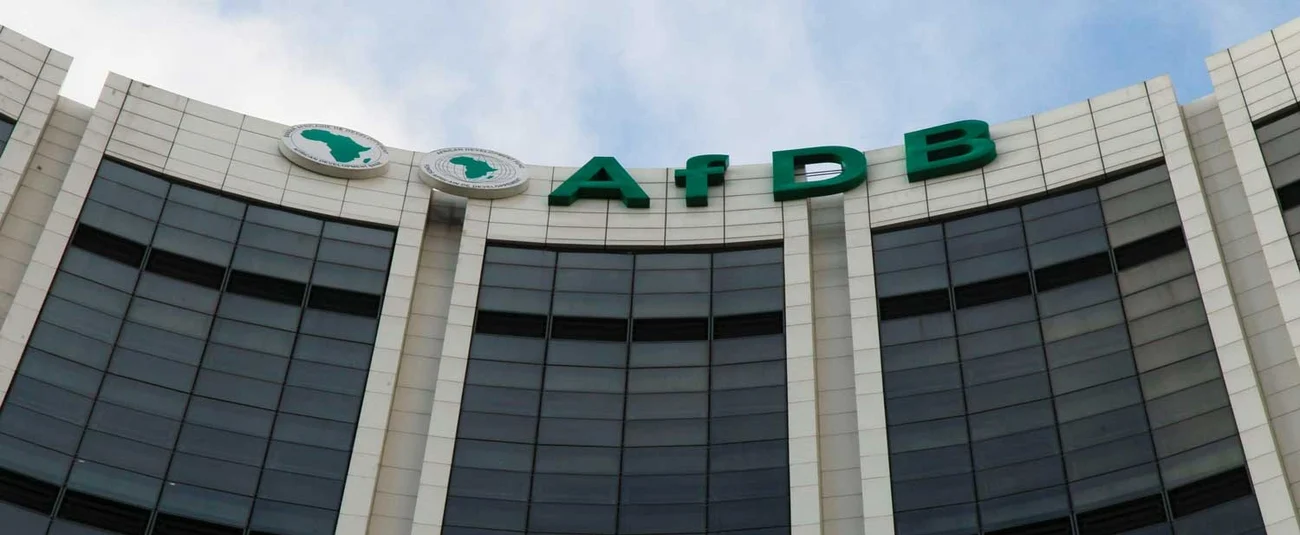
The African Development Bank has lowered its growth projection for Africa to 4.2% in 2026, down from 4.4% recorded in 2025, citing the economic fallout from the Middle East conflict and the disruption to global energy and fertiliser markets. The forecast, contained in the 2026 African Economic Outlook released during the AfDB’s annual meetings in Brazzaville, Republic of the Congo, assumes the crisis will be short-lived. A rebound to 4.4% is expected in 2027, but prolonged disruption could shave further growth off the outlook. New AfDB President Sidi Ould Tah used the meeting to advance his flagship NAFAD plan, aimed at mobilising Africa’s $4 trillion in domestic savings to close a $400 billion annual development financing gap.
Key Overview
- 2026 Growth Forecast: 4.2%, down from 4.4% in 2025, with a rebound to 4.4% expected in 2027
- Key Risk: Middle East crisis driving up energy, food, and fertiliser costs across the continent
- Inflation: Projected at 10.4% in 2026, up 0.9 percentage points from the pre-war estimate, but below the 13.7% recorded in 2025
- Fastest-Growing Region: East Africa (5.9% in 2026, down from 6.6% in 2025)
- Weakest Region: Southern Africa (2.1% in 2026)
- NAFAD Plan: Aims to unlock Africa’s $4 trillion in pension and sovereign wealth funds for development
- Annual Meetings: Held May 25–29 in Brazzaville, the first under President Sidi Ould Tah
Growth Slows but Africa Remains Among the Fastest-Growing Regions
Despite the projected slowdown, Africa continues to outpace Europe and Latin America, maintaining its position alongside Asia as one of the world’s fastest-growing regions. The AfDB noted that 22 African countries were projected to grow above 5% in 2025, with 12 of the world’s 20 fastest-growing economies being African.
Growth in 2025 was supported by stronger agricultural output, improved macroeconomic management, elevated commodity prices, and ongoing structural reforms. The 2026 African Economic Outlook was released on May 26 during the bank’s annual meetings in Brazzaville, held under the theme “Mobilising Africa’s Development Financing at Scale in a Fragmented World.”
The Middle East Crisis Is the Primary Drag
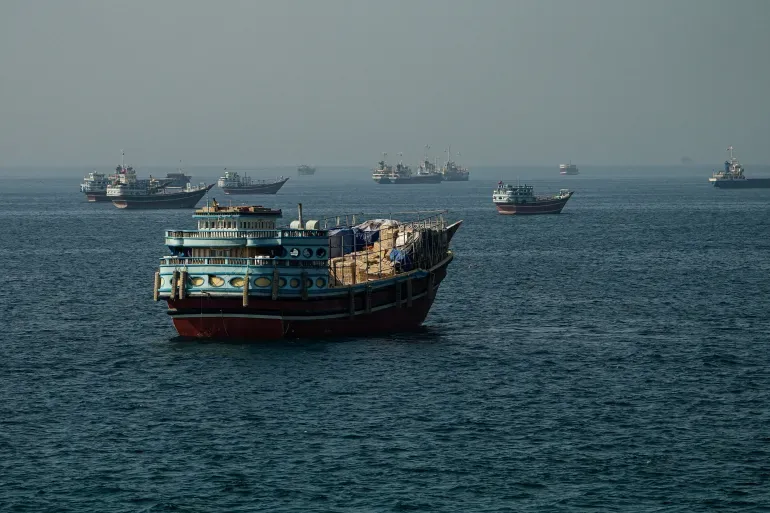
The AfDB attributed the projected slowdown primarily to the conflict in the Middle East and the disruption around the Strait of Hormuz, which has sent global oil prices surging above $110 per barrel. “The impact of this shock on growth and macroeconomic stability will depend on the duration of the supply chain disruptions and their effects on global energy and fertilizer prices,” the report stated.
The bank’s forecasts assume the crisis will last two to three months. If it persists longer, the AfDB warned in its earlier March report that Africa’s growth could face an additional 0.2 percentage point dip. The bank projected average inflation across Africa at 10.4% in 2026 — a 0.9 percentage point increase from the pre-war estimate, according to African Business, though still below the 13.7% recorded in 2025. The continent’s average fiscal deficit is expected to narrow slightly to 4.8% of GDP.
Context is everything. Stay ahead of shifting trends with today’s market updates, and uncover emerging opportunities using the Serrari Group Market Index and Marketplace. Then, take control of your own financial future by exploring our Money & Life Reset Transformation Blueprint ™ to build stronger habits, create better systems, and design a path toward lasting wealth.
Regional Growth Breakdown
The crisis is hitting Africa’s regions unevenly. East Africa, the continent’s fastest-growing region, is forecast to slow from 6.6% in 2025 to 5.9% in 2026, as rising energy and import costs worsen food security risks. A rebound to 6.4% is anticipated in 2027.
West Africa is expected to hold relatively stable at 4.7% in 2026, supported by agriculture and infrastructure investment. North Africa is projected to slow to 4.0% from 4.4%, reflecting weaker tourism demand from Gulf states and broader supply chain disruptions.
Central Africa is one of the few regions projected to see an uptick, with growth rising to 3.8% from 3.6%, buoyed by sustained high oil prices. Southern Africa remains the weakest-performing region at 2.1%, weighed down by weaker mining and agricultural output.
The AfDB also noted that real GDP per capita growth is expected to slip to 1.9% in 2026 — below the 3.5% threshold the bank says is needed to enhance inclusive growth and reduce poverty meaningfully.
NAFAD: A New Financing Architecture for Africa
The annual meetings served as the first major institutional event for President Sidi Ould Tah, who took office in September 2025 as the AfDB’s ninth president. He used the Brazzaville summit to advance his flagship initiative: the New African Financial Architecture for Development (NAFAD).
NAFAD aims to mobilise Africa’s approximately $4 trillion in pension funds and sovereign wealth savings to plug what the AfDB estimates is a $400 billion annual development financing gap. “Too often, African savings do not sufficiently finance African development,” Ould Tah said at the opening ceremony. “International investors do not invest in projects. They invest in instruments. That is why Africa must strengthen its own financial architecture.”
NAFAD was endorsed by African Union Heads of State in February 2026 and received further support through the Abidjan Consensus in April and the Africa Forward Summit in Nairobi in May. The push comes as overseas development aid has begun to dwindle — dropping nearly a quarter last year to $174.3 billion globally, with the United States leading the cuts.
Ould Tah told delegates that Africa must raise its annual growth rate to above 7% and sustain it for decades to create the jobs needed and cut poverty at scale.
Ebola Concerns Loom Over the Meetings
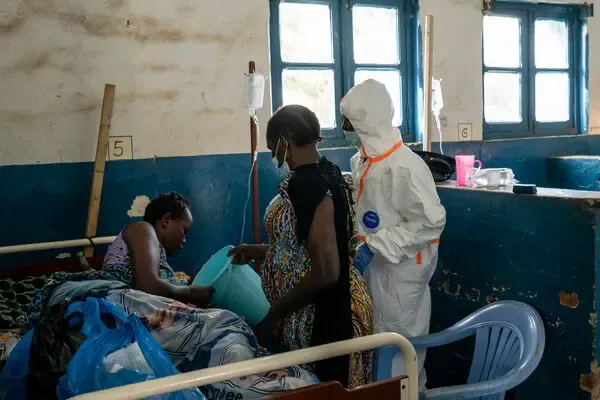
The Brazzaville meetings took place against the backdrop of an Ebola outbreak in neighbouring Democratic Republic of Congo that has spread to Uganda, causing more than 170 suspected deaths. Some potential attendees raised concerns about travel to the region. The AfDB and the Congolese government reassured delegates that no cases had been recorded in the Republic of Congo and that authorities were conducting surveillance in line with WHO guidelines.
Sources: AfDB Press Releases / CNBC Africa / Ecofin Agency / African Business / Leadership Nigeria / The Whistler / Billionaires.Africa / Financial Afrik / AllAfrica
Your financial future isn’t something you wait for—it’s something you build.
The real question is: when do you begin?
Move beyond simply staying informed.
Navigate the markets with clarity—track trends through the Serrari Group Market Index, uncover opportunities in the Serrari Marketplace, and build practical knowledge with our Curated Wealth Builder Platform.
Stay connected to what truly matters.
Get daily insights on macro trends and financial movements across Kenya, Africa, and global markets—delivered through the Serrari Newsletter.
Growth opens doors.
Advance your career through professional programs including ACCA, HESI A2, ATI TEAS 7 , HESI EXIT , NCLEX – RN and NCLEX – PN, Financial Literacy!🌟—designed to move you forward with confidence.
See where money is flowing—clearly and in real time.
Track Money Market Funds, Treasury Bills, Treasury Bonds, Green Bonds, and Fixed Deposits, alongside global and African indexes, key economic indicators, and the evolving Crypto and stablecoin landscape—all within Serrari’s Market Index.