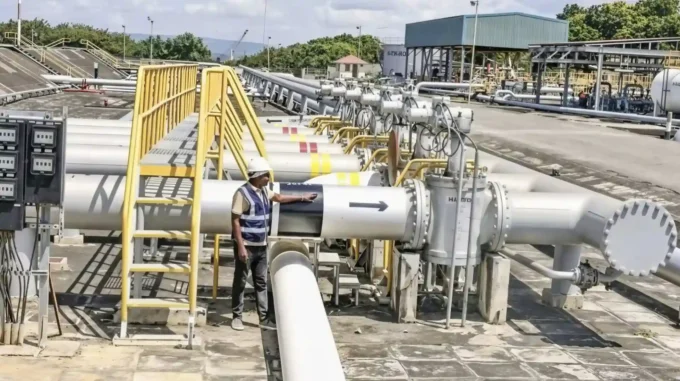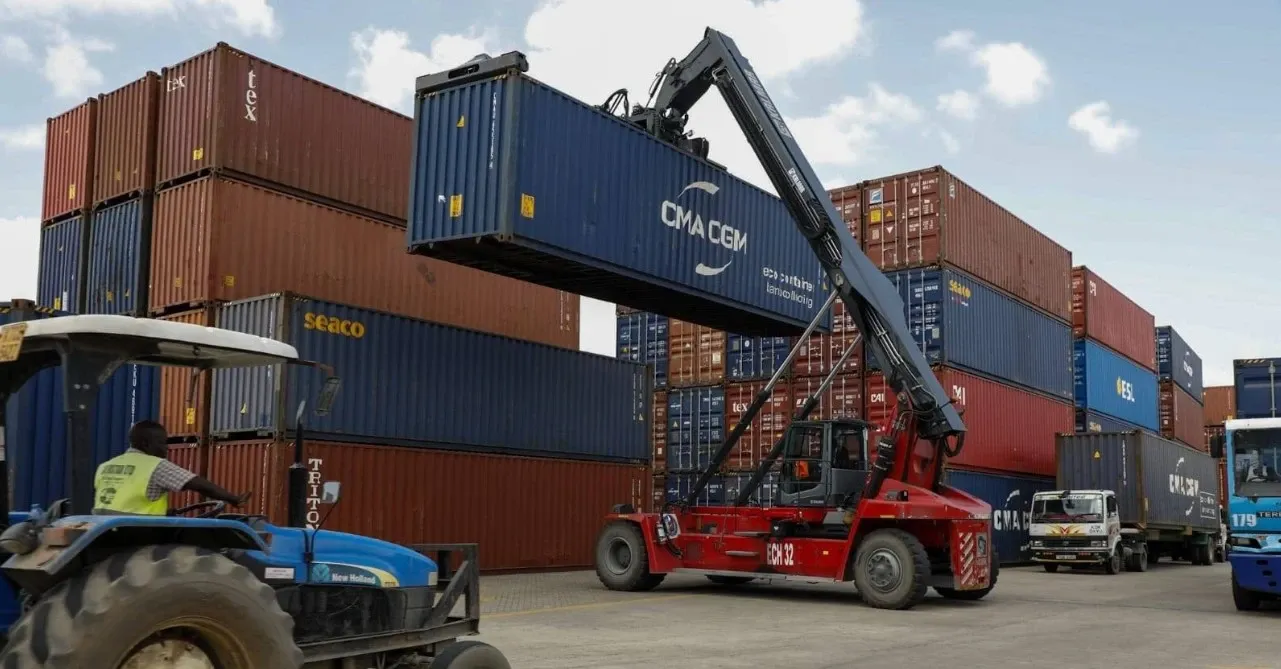
The Kenya Ports Authority (KPA) plans to contribute KES 7.79 billion to a proposed KES 79.69 billion public-private partnership (PPP) programme covering major facilities at Mombasa and Lamu ports. The latest project cost disclosures indicate that approximately KES 71.90 billion of the first-phase value would come from investment beyond KPA’s proposed contribution.
The National Treasury approved the first phase’s feasibility study in August 2026, allowing the project to move towards competitive tendering. Approval does not mean investors have been selected or concession agreements signed. KPA’s source of funding for its contribution has not been disclosed.
Key Overview
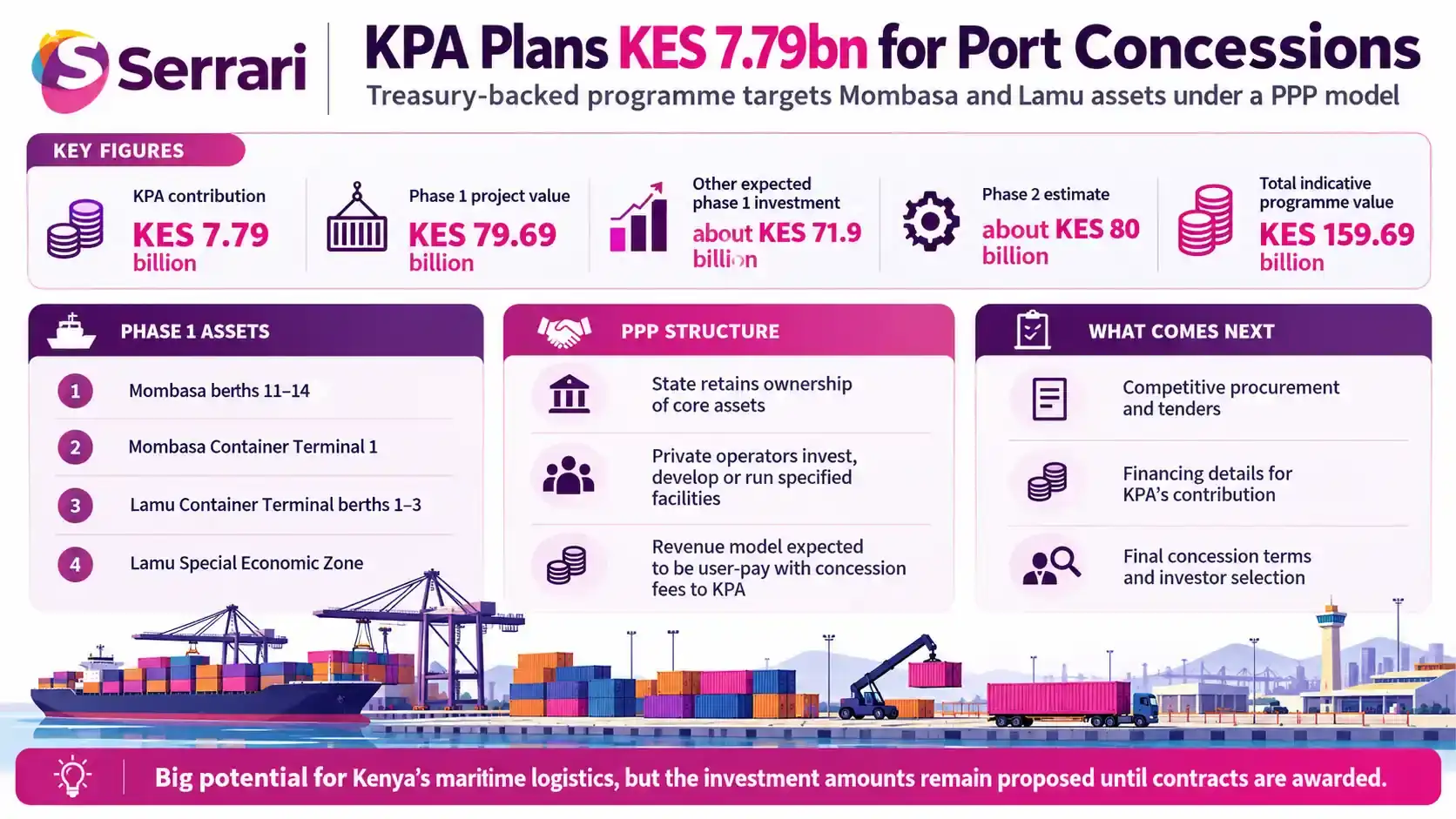
- First-phase project value: KES 79.69 billion, including KPA’s planned KES 7.79 billion contribution.
- Other anticipated investment: Approximately KES 71.90 billion in the initial phase, subject to procurement and final agreements.
- First-phase facilities: Mombasa berths 11–14, Mombasa Container Terminal 1, Lamu container berths 1–3, and the Lamu Special Economic Zone.
- Second phase: Approximately KES 80 billion in proposed concessions involving additional Mombasa facilities and inland container depots.
- Combined indicative programme value: KES 159.69 billion across both phases, including KPA’s contribution.
- Current status: First-phase feasibility approved; procurement and final financing arrangements remain to be completed.
Which Port Facilities Are Included in the First Phase?
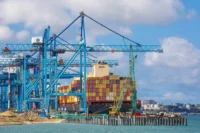
The approved initial concession portfolio covers four groups of assets. At Mombasa, the plan includes developing berths 11–14 and introducing private participation at Container Terminal 1. At Lamu, it includes container berths 1–3 and development and operation of the Special Economic Zone.
The government’s investment project catalogue describes the programme as a transition towards a landlord-port model, with the State retaining core infrastructure while concessionaires undertake agreed operations and investment. It identifies capacity expansion at Mombasa and commercial use of existing Lamu facilities as central opportunities.
The approach is intended to improve cargo handling, attract specialist operators and strengthen links between port activities and industrial development. Actual benefits will depend on cargo demand, contractual obligations and project execution.
How the PPP Model Would Work
Under a landlord-port concession, KPA would retain ownership of strategic public assets while private companies could be granted rights to operate, develop or maintain specified facilities for an agreed period. This is different from selling the ports outright.
The proposed user-pay concession arrangement envisages operators earning revenue from port services and paying concession fees to KPA. The precise fees, operating periods, investment commitments and risk-sharing terms would have to be established through procurement and contracts.
One outstanding question is how KPA will fund its KES 7.79 billion share. Whether it uses retained earnings, borrowing or another arrangement could affect its finances and the project’s overall funding structure.
Context is everything. Stay ahead of shifting trends with today’s market updates, and uncover emerging opportunities using the Serrari Group Market Index and Marketplace. Then, take control of your own financial future by exploring our Money & Life Reset Transformation Blueprint ™ to build stronger habits, create better systems, and design a path toward lasting wealth.
Second Phase Extends to Inland Cargo Infrastructure
A further KES 80 billion in possible concessions covers Mombasa Container Terminal II at berths 20–22, berths 23–24, cargo berths 1–5 and 7–10, and Mbaraki Wharf. The proposals also include inland container depots at Embakasi and Naivasha.
Including inland depots matters because port performance depends on what happens after cargo is unloaded. Storage, customs handling, road access and railway connections all influence delivery times and logistics costs.
The assets share infrastructure such as yards, access channels and landside support systems. As outlined in the Treasury’s wider PPP programme, assessing connected facilities together can help address operational dependencies, although separate concessionaires would still need clearly defined responsibilities.
What the Investment Could Mean for Kenya’s Trade
Better-equipped terminals and more reliable operations could help reduce congestion, support transit cargo to neighbouring countries and strengthen Lamu’s role in regional trade. The programme could also generate demand for construction, equipment maintenance and logistics services.
Those outcomes are potential benefits, not guaranteed results. Investors will need credible cargo forecasts, workable tariffs and clarity about capital spending. The government will also need to safeguard service continuity and coordination between privately operated and KPA-managed facilities.
The next developments to watch are the tender announcements, bidder selection, disclosure of KPA’s financing plan and eventual concession terms. Until binding agreements are reached, the announced amounts remain project estimates rather than secured investment commitments.
Sources: Business Daily Africa / Daily Nation / Kenya PPP Directorate / Kenya Investment Authority / Mjengo Hub
Your financial future isn’t something you wait for—it’s something you build.
The real question is: when do you begin?
Move beyond simply staying informed.
Navigate the markets with clarity—track trends through the Serrari Group Market Index, uncover opportunities in the Serrari Marketplace, and build practical knowledge with our Curated Wealth Builder Platform.
Stay connected to what truly matters.
Get daily insights on macro trends and financial movements across Kenya, Africa, and global markets—delivered through the Serrari Newsletter.
Growth opens doors.
Advance your career through professional programs including ACCA, HESI A2, ATI TEAS 7 , HESI EXIT , NCLEX – RN and NCLEX – PN, Financial Literacy!🌟—designed to move you forward with confidence.
See where money is flowing—clearly and in real time.
Track Money Market Funds, Treasury Bills, Treasury Bonds, Green Bonds, and Fixed Deposits, alongside global and African indexes, key economic indicators, and the evolving Crypto and stablecoin landscape—all within Serrari’s Market Index.