















Key Overview
- Vietnam plans to extend EV tax cuts to 2030
- Special consumption tax remains at 1%–3% for EVs
- EV sales surged from ~7,000 (2022) to ~175,000
- Policy supports 2050 net-zero emissions target
Vietnam plans to extend preferential EV tax rates to 2030 to accelerate adoption and reduce emissions. The move builds on strong sales growth and supports long-term climate goals.
By maintaining lower tax rates, the policy is expected to keep electric vehicles more affordable and competitive compared to conventional cars. It also provides greater certainty for automakers and investors, encouraging continued expansion of the EV market. The extension aligns with efforts to reduce urban air pollution and lower dependence on fossil fuels. Over time, it could further strengthen Vietnam’s position as a leading EV market in Southeast Asia.
Vietnam Moves to Extend EV Tax Incentives
Vietnam is planning to extend its preferential tax policy for electric vehicles (EVs) by nearly four years, pushing the current incentive timeline to the end of 2030. The proposal, put forward by the Ministry of Finance, will be submitted to parliament for approval as part of broader efforts to accelerate the country’s transition toward cleaner transport and reduce emissions from the mobility sector.
The extension would maintain reduced special consumption tax rates for battery electric vehicles, which were first introduced in 2022 as a key policy lever to stimulate early adoption. These incentives have played a central role in shaping Vietnam’s emerging EV market, lowering upfront costs for consumers and making electric vehicles more competitive with conventional alternatives.
By continuing these tax reductions, the government is aiming to provide policy stability and long-term visibility for both consumers and industry players. This is particularly important for automakers and investors who require predictable regulatory frameworks when making decisions about production, infrastructure, and market expansion.
If approved, the policy would reinforce Vietnam’s commitment to building a sustainable transport ecosystem, supporting not only vehicle adoption but also the broader development of supply chains, charging infrastructure, and related industries.
Markets move fast; don’t get left behind. We’ve paired the Serrari Group Market Index with a curated Marketplace and a comprehensive Wealth Builder Platform to ensure you have the data—and the skills—to act on it.
Tax Policy Driving Rapid EV Growth
Vietnam initially reduced its special consumption tax on EVs in March 2022, lowering rates to between 1% and 3% from previous levels of 4% to 11%. These reduced rates were originally set to expire in February 2027, but the proposed extension would prolong their impact through the end of the decade, providing a longer runway for market development.
The results of this policy shift have been significant and immediate. Annual EV sales in Vietnam surged from nearly 7,000 units in 2022 to approximately 175,000 units last year, demonstrating how targeted fiscal incentives can rapidly accelerate adoption in emerging markets. This sharp increase underscores the strong sensitivity of consumer demand to pricing and highlights the effectiveness of well-designed policy interventions in shaping purchasing behavior.
Beyond boosting sales volumes, the tax cuts have also helped stimulate broader market activity, encouraging automakers to expand their EV offerings and invest more heavily in production and distribution. Lower taxes have effectively reduced the cost barrier for consumers, making EVs a more viable option across a wider segment of the population.
The proposed extension aims to sustain this momentum by ensuring that EVs remain financially competitive compared to internal combustion engine (ICE) vehicles, which continue to face significantly higher tax rates ranging from 10% to 150%. This pricing gap remains a critical factor in influencing purchasing decisions, particularly in cost-sensitive markets where upfront affordability plays a major role.
By maintaining favorable tax conditions, the government is seeking to ensure that the transition to electric mobility continues at pace, even as the market matures. Over time, sustained policy support could help deepen market penetration, moving EV adoption beyond early adopters toward mainstream consumers while reinforcing long-term growth in the sector.
Aligning Policy with Climate and Energy Goals
The extension of EV tax incentives is closely aligned with Vietnam’s broader environmental and energy objectives, including its commitment to achieving net-zero emissions by 2050. As the transport sector remains a significant contributor to emissions, accelerating the adoption of electric vehicles is seen as a key strategy in reducing the country’s carbon footprint.
According to government estimates, each electric vehicle can reduce carbon dioxide emissions by approximately 0.85 metric tons per year compared to traditional gasoline-powered vehicles. When scaled across a growing fleet of EVs, this reduction has the potential to make a meaningful contribution to national emissions targets.
Beyond climate benefits, increased EV adoption is also expected to improve air quality, particularly in urban areas where vehicle emissions are a major source of pollution. Cleaner transportation can help address public health concerns and enhance overall quality of life in densely populated cities.
The policy also supports efforts to reduce dependence on fossil fuels, an important consideration in the context of global energy market volatility. By promoting electric mobility, Vietnam is not only addressing environmental challenges but also strengthening its long-term energy security and resilience.
Context is everything. While you follow today’s updates, use the Serrari Group Market Index and Marketplace to spot emerging shifts. Need to sharpen your edge? Our Wealth Builder Platform turns these insights into a professional-grade strategy.
Expanding Incentives Beyond Tax Cuts
Alongside the proposed extension of special consumption tax reductions, Vietnam has also taken additional steps to support EV adoption through complementary incentives. Notably, the government recently extended an exemption for first-time EV registration fees by two years, through February 2027, further reducing the upfront cost burden for consumers.
These measures are designed to work in tandem with tax reductions, creating a more comprehensive support framework for electric mobility. By addressing multiple cost components—from purchase taxes to registration fees—the government is making EV ownership more financially accessible and competitive compared to traditional vehicles.
Beyond direct consumer benefits, such incentives also help reduce perceived barriers to adoption, encouraging more buyers to consider switching to electric vehicles. Over time, this can contribute to stronger market confidence and faster adoption rates, particularly in price-sensitive segments.
At the same time, these policies send a strong signal to automakers, suppliers, and investors that Vietnam is committed to building a long-term EV ecosystem. This can help attract investment into manufacturing, infrastructure, and technology development, supporting the broader growth of the sector.
Policy Design Focused on Passenger EVs
The proposed tax extension specifically targets battery electric vehicles with fewer than 24 seats, reflecting a clear policy focus on passenger transport as a primary driver of emissions reduction. Passenger vehicles account for a significant share of urban transport emissions, making them a logical starting point for large-scale decarbonisation efforts.
Under the draft proposal, tax rates would remain at preferential levels until 2030, before increasing in 2031. For example, vehicles with up to nine seats would maintain a 3% tax rate during the extension period, rising to 11% thereafter. Similar tiered structures apply to vehicles with higher seating capacities, ensuring a consistent and structured approach across categories.
This phased approach allows for continued support during the critical growth phase of the EV market while providing a clear timeline for the gradual normalization of tax rates. Such predictability is important for both consumers and manufacturers, as it enables better planning and investment decisions.
It also reflects a balanced policy design—one that supports early adoption while ensuring long-term fiscal sustainability and alignment with broader environmental objectives.
Supporting a Growing Domestic EV Market
Vietnam has already emerged as one of the largest EV markets in Southeast Asia, with strong domestic growth driven by a combination of supportive government policies and expanding local manufacturing capabilities. The rapid increase in EV adoption in recent years highlights how coordinated fiscal incentives, regulatory backing, and industrial development can work together to shape market outcomes.
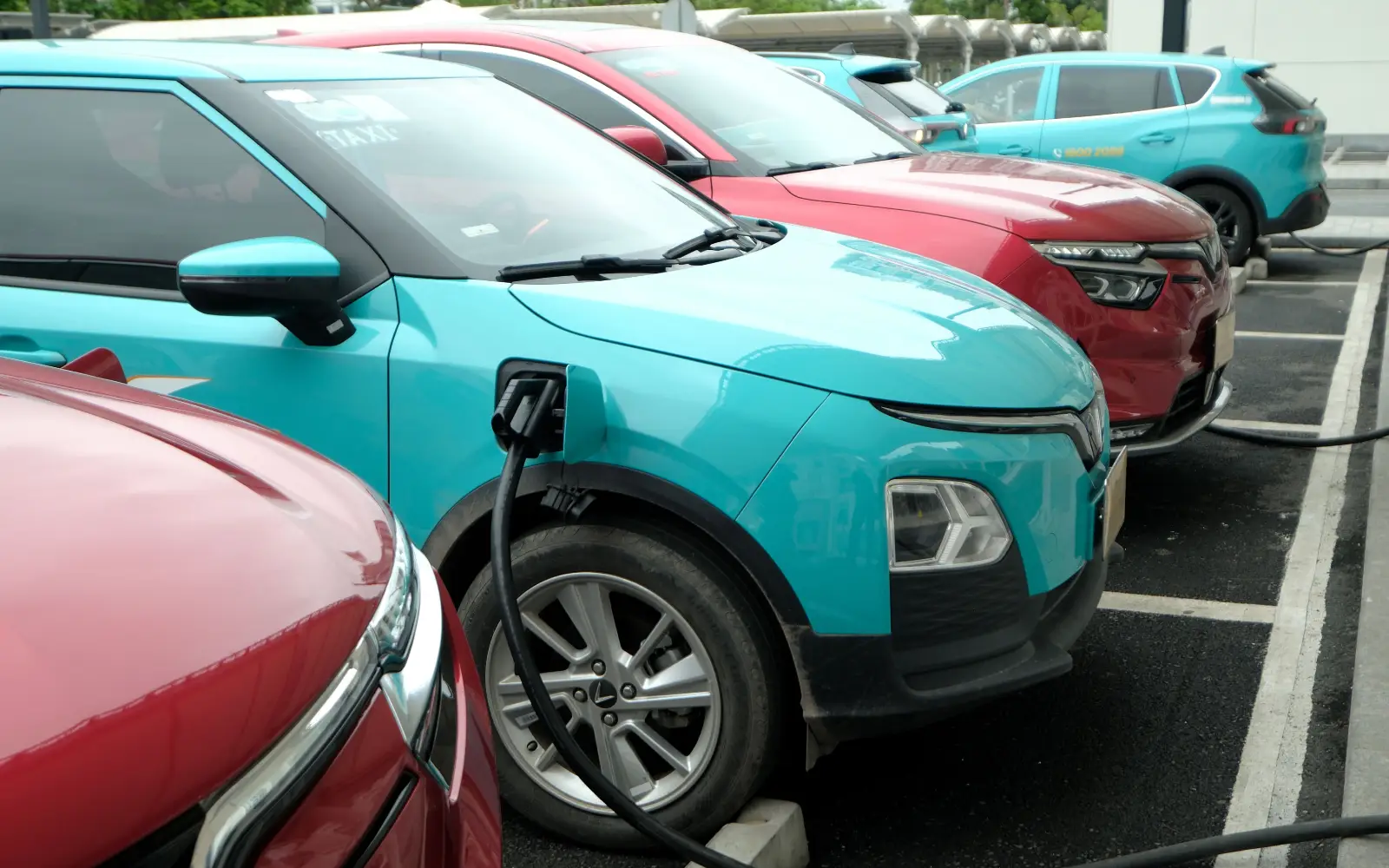
VinFast Auto, the country’s leading EV manufacturer, delivered more than 175,000 vehicles to domestic customers last year, playing a central role in driving this growth. Its expanding product lineup and increased production capacity have helped make EVs more accessible to a wider range of consumers, while also strengthening confidence in the domestic market. The company’s presence has also contributed to building a localized EV ecosystem, supporting jobs and supply chain development.
The combination of supportive policies, rising consumer awareness, and growing production scale is positioning Vietnam as an increasingly important player in the regional EV landscape. As adoption continues to increase, the market is likely to benefit from economies of scale, which can help reduce costs, improve affordability, and expand the range of available models. This, in turn, can further accelerate the shift from conventional vehicles to electric alternatives.
In parallel, the growth of EV adoption is expected to drive expansion in related sectors, including charging infrastructure, battery manufacturing, and supply chain networks. Investment in these areas will be essential to support long-term market sustainability and ensure that infrastructure keeps pace with vehicle demand.
Over time, the continued development of this broader ecosystem will play a critical role in enabling a smooth and scalable transition to electric mobility, reinforcing Vietnam’s position as a key emerging market in the global EV transition.
Outlook: Sustaining Momentum in Electric Mobility
Vietnam’s plan to extend EV tax incentives to 2030 reflects a strategic effort to sustain momentum in electric mobility while aligning with its long-term climate and energy goals. By maintaining supportive fiscal policies, the government is signaling its intention to keep the transition to cleaner transport on a steady and accelerated path.
In the near term, the success of the policy will depend on parliamentary approval and effective implementation, alongside continued consumer uptake and sustained industry investment. Maintaining affordability will remain critical, particularly as the market expands beyond early adopters, while the rollout of charging infrastructure and supporting services will play a key role in enabling wider adoption.
At the same time, coordination between policymakers, manufacturers, and infrastructure providers will be essential to ensure that supply keeps pace with rising demand. Addressing challenges such as charging accessibility, grid readiness, and consumer awareness will be important in maintaining growth momentum.
Over the longer term, the extension could help solidify Vietnam’s position as a leading EV market in Southeast Asia, strengthening its role in the regional transition toward low-emission transport. It also contributes to global efforts to reduce emissions and shift toward cleaner energy systems, particularly as more countries adopt similar policies.
If current trends continue, the combination of sustained policy support, growing market demand, and expanding ecosystem development could significantly reshape Vietnam’s transportation sector, accelerating the shift toward a more sustainable, efficient, and low-carbon future.
Your financial future isn’t something you wait for—it’s something you build.
The real question is: when do you begin?
Move beyond simply staying informed.
Navigate the markets with clarity—track trends through the Serrari Group Market Index, uncover opportunities in the Serrari Marketplace, and build practical knowledge with our Curated Wealth Builder Platform.
Stay connected to what truly matters.
Get daily insights on macro trends and financial movements across Kenya, Africa, and global markets—delivered through the Serrari Newsletter.
Growth opens doors.
Advance your career through professional programs including ACCA, HESI A2, ATI TEAS 7 , HESI EXIT , NCLEX – RN and NCLEX – PN, Financial Literacy!🌟—designed to move you forward with confidence.
See where money is flowing—clearly and in real time.
Track Money Market Funds, Treasury Bills, Treasury Bonds, Green Bonds, and Fixed Deposits, alongside global and African indexes, key economic indicators, and the evolving Crypto and stablecoin landscape—all within Serrari’s Market Index.