Valeo and Nissan have partnered to deploy bidirectional vehicle-to-grid charging solutions in Europe, beginning in the United Kingdom. The agreement introduces both smart unidirectional and V2G charging systems, allowing compatible Nissan electric vehicles to support grid services, reduce energy costs, and improve renewable energy integration.
Key Overview
- Valeo and Nissan signed a major European charging agreement.
- The rollout begins in the United Kingdom.
- The partnership includes V1G and V2G charging technologies.
- Compatible Nissan EVs can supply electricity back to the grid.
- Drivers may reduce electricity costs through smart charging.
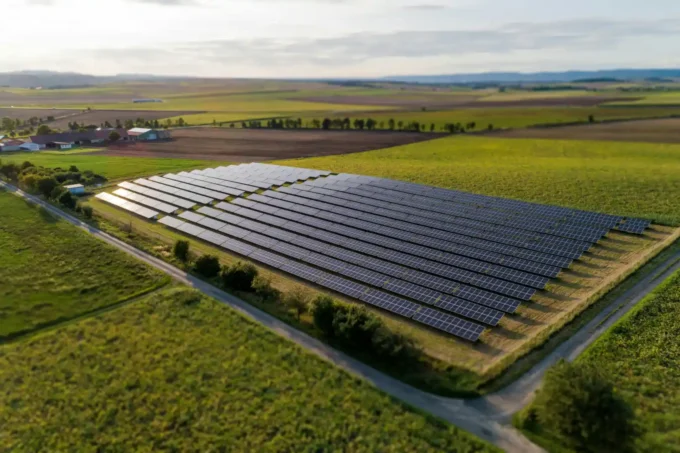
- The technology supports renewable energy integration.
- Vehicles can become mobile energy storage assets.
- Additional European markets are expected to follow.
Nissan EVs Become Energy Assets
Valeo and Nissan have signed a major agreement to commercialize bidirectional charging stations across Europe, marking an important step in the development of vehicle-to-grid technology.
The partnership supports Nissan’s V2G roadmap and will initially launch in the United Kingdom before expanding into other European markets. The agreement introduces new charging solutions that allow electric vehicles to play a more active role within energy systems.
Rather than serving solely as transportation devices, electric vehicles are increasingly becoming energy assets capable of storing and returning electricity to the grid.
Two Charging Technologies Introduced
The agreement includes two complementary charging solutions.
The first is a Smart Unidirectional (V1G) AC charging station that complies with the UK’s Electric Vehicles Smart Charge Points regulations(EVSCP). This charging system allows intelligent charging based on grid signals and electricity prices.
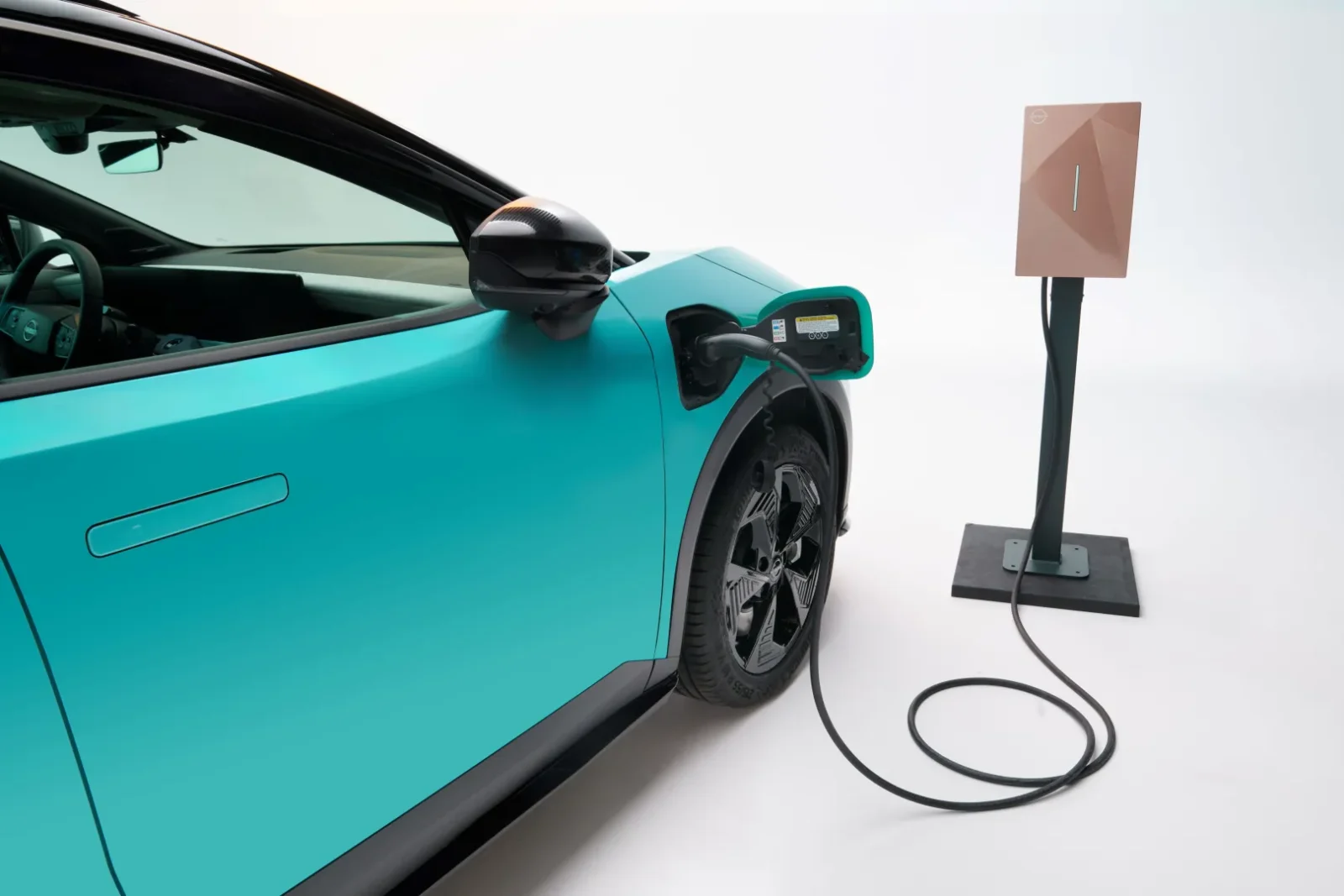
The second is Valeo’s Advanced Bidirectional (V2G) charging station, which enables electricity to flow both to and from the vehicle.
Together, these technologies provide customers with flexible charging options that optimize both energy consumption and electricity costs.
Vehicle-to-Grid Technology Expands
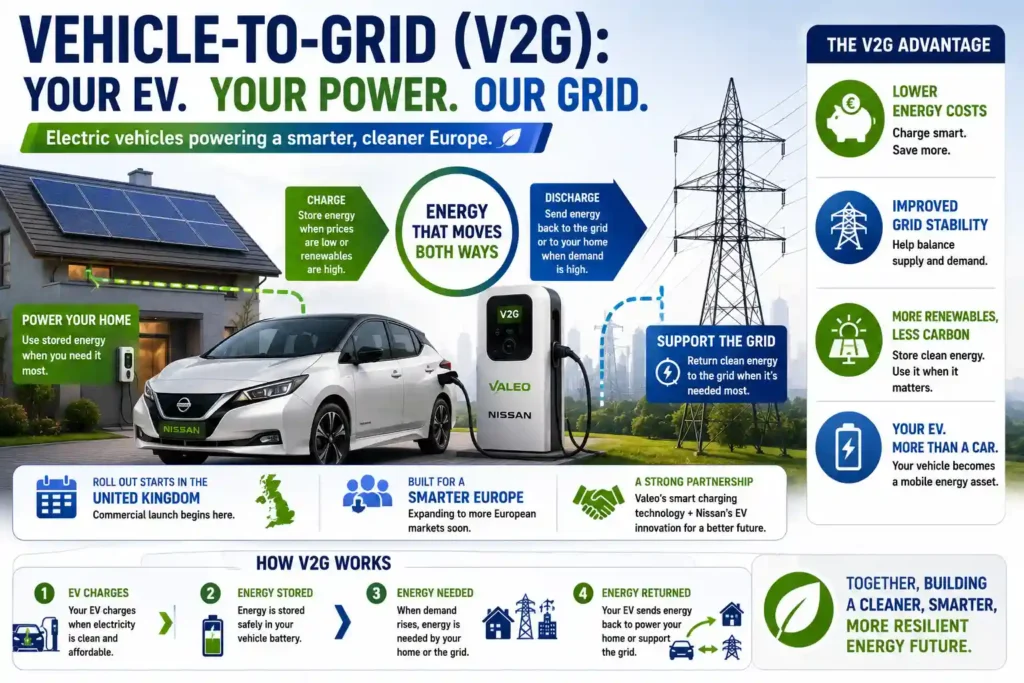
Vehicle-to-grid technology allows electric vehicles to discharge stored electricity back into the grid when demand is high.
This creates several benefits:
- Lower household energy costs.
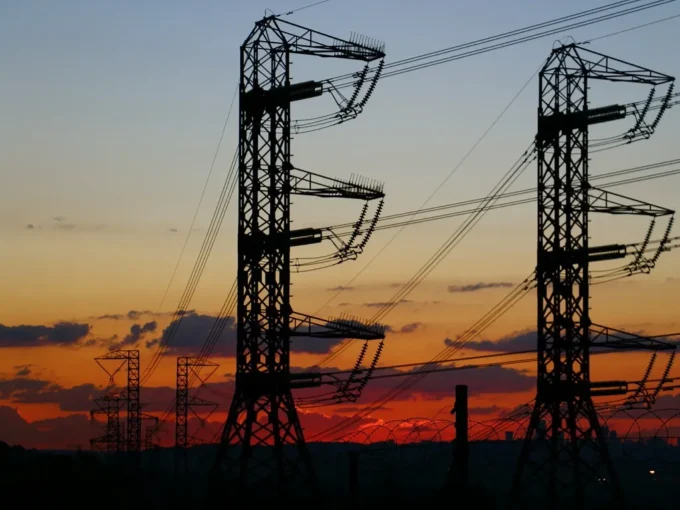
- Improved grid stability.
- Better renewable energy integration.
- Additional value for EV owners.
- Reduced electricity demand during peak periods.
Compatible Nissan electric vehicles can effectively operate as mobile energy reservoirs.
During periods of high electricity prices, vehicle owners may use energy stored in their vehicle batteries to power their homes or supply electricity back to the grid.
Lower Costs for Drivers
One of the major benefits of the technology is the potential to reduce electricity expenses.
Drivers can charge their vehicles during off-peak periods when electricity prices are lower and use stored energy during expensive peak demand periods.
The system also helps customers maximize the use of their own solar-generated electricity.
By intelligently managing charging and discharging cycles, the technology can improve overall household energy efficiency.
Context is everything. Stay ahead of shifting trends with today’s market updates, and uncover emerging opportunities using the Serrari Group Market Index and Marketplace. Then, take control of your own financial future by exploring our Money & Life Reset Transformation Blueprint ™ to build stronger habits, create better systems, and design a path toward lasting wealth.
Supporting Renewable Energy Integration
As renewable energy generation increases across Europe, balancing electricity supply and demand becomes increasingly important.
Vehicle-to-grid technology helps address this challenge by turning electric vehicles into flexible energy storage resources.
When renewable electricity production is high, vehicles can charge their batteries. During periods of higher demand, stored energy can be returned to the grid.
This flexibility helps support grid stability while improving the use of renewable electricity.
Commercial Rollout Begins in the UK
The initial rollout begins in the United Kingdom.
The V1G charging solution complies with the UK’s EV Smart Charging regulations, making it suitable for the country’s evolving electricity market.
After the UK launch, the companies plan to expand the offering to other European countries.
Valeo’s complete charging portfolio was showcased at Power2Drive Europe in Munich, highlighting the growing importance of smart charging technologies within the European EV market.
Strengthening Europe’s Energy Transition
The agreement reflects broader changes taking place in both the automotive and energy sectors.
Electric vehicles are increasingly being viewed as flexible energy resources rather than simply transportation products.
The partnership between Valeo and Nissan demonstrates how automakers and technology companies are working together to create integrated energy ecosystems.
By combining smart charging, bidirectional energy flow, and renewable energy integration, the companies aim to support Europe’s transition toward cleaner and more resilient energy systems.
Outlook
The partnership between Valeo and Nissan represents an important milestone in the evolution of electric mobility and smart energy systems. As vehicle-to-grid technology expands across Europe, electric vehicles could increasingly serve as mobile energy storage assets that support both households and electricity grids while helping balance electricity demand and improve overall energy resilience.
With the initial rollout beginning in the United Kingdom, the agreement may accelerate the adoption of bidirectional charging technologies, helping reduce energy costs, improve grid stability, and support greater renewable energy integration across European markets. As more consumers adopt electric vehicles and smart charging solutions, V2G technology could become a key component of Europe’s future energy ecosystem, enabling vehicles to play a larger role in supporting clean energy systems and enhancing energy security.
FAQs
1. What is vehicle-to-grid (V2G) charging?
V2G technology allows electric vehicles to send stored electricity back to the grid or to homes when needed.
2. Which Nissan vehicles support V2G charging?
Only eligible Nissan electric vehicles equipped with compatible technology will support the service.
3. Where will the rollout begin?
The commercial rollout will start in the United Kingdom before expanding to other European countries.
4. How can drivers benefit from V2G charging?
Drivers may reduce electricity costs, support renewable energy use, and use their vehicle batteries as energy storage systems.
Sources: Valeo, The EV Report, Electronics For You BUSINESS
Your financial future isn’t something you wait for—it’s something you build.
The real question is: when do you begin?
Move beyond simply staying informed.
Navigate the markets with clarity—track trends through the Serrari Group Market Index, uncover opportunities in the Serrari Marketplace, and build practical knowledge with our Curated Wealth Builder Platform.
Stay connected to what truly matters.
Get daily insights on macro trends and financial movements across Kenya, Africa, and global markets—delivered through the Serrari Newsletter.
Growth opens doors.
Advance your career through professional programs including ACCA, HESI A2, ATI TEAS 7 , HESI EXIT , NCLEX – RN and NCLEX – PN, Financial Literacy!🌟—designed to move you forward with confidence.
See where money is flowing—clearly and in real time.
Track Money Market Funds, Treasury Bills, Treasury Bonds, Green Bonds, and Fixed Deposits, alongside global and African indexes, key economic indicators, and the evolving Crypto and stablecoin landscape—all within Serrari’s Market Index.