Overview of Inflation Data
The United Kingdom’s inflation rate dropped to 2.5% in December, marking an unexpected cooling in consumer prices, according to data released by the Office for National Statistics (ONS). This decrease comes as a relief to policymakers and households grappling with the high cost of living. Economists had expected the consumer price index (CPI) to remain at November’s rate of 2.6%.
Core inflation, which strips out volatile components like food and energy, also saw a notable decline, falling to 3.2% in December from 3.5% the previous month. The annual services inflation rate dropped to 4.4%, down from 5% in November, signaling a potential easing of broader inflationary pressures in the economy.
Pound and Market Reactions
The release of the data caused the British pound to dip slightly, trading 0.3% lower against the dollar at 07:15 a.m. London time. Markets have been closely watching inflation trends, as they play a critical role in shaping the Bank of England’s (BoE) monetary policy decisions.
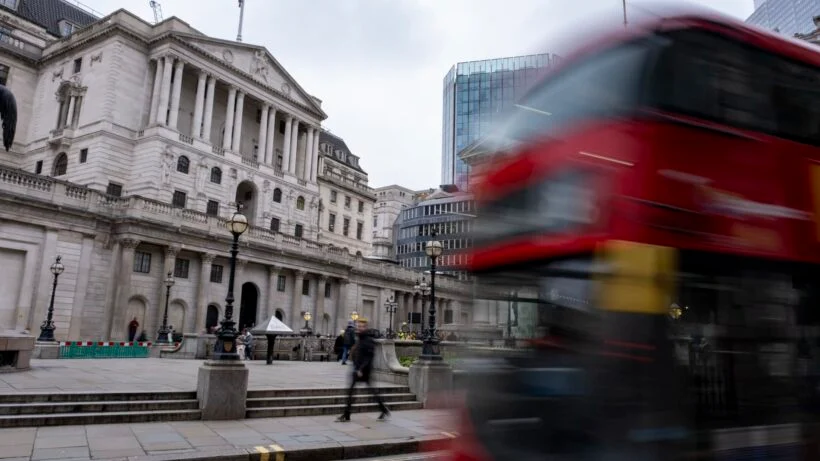
The BoE is widely expected to reduce its key interest rate from 4.75% to 4.5% during its next meeting on February 6. Despite inflation remaining above the central bank’s 2% target, the cooling in core prices and the moderation in broader inflationary pressures lend weight to arguments for easing monetary policy to support economic growth.
Factors Driving Inflation Trends
Energy and Services Contributions
The slowdown in inflation comes after months of volatility driven by fluctuating energy prices and supply chain challenges. The decline in services inflation, which has been a significant contributor to the CPI, is a positive development for households facing rising costs in sectors like healthcare, education, and transport.
Fuel Prices and Goods Inflation
Higher fuel costs in the latter half of 2024 had pushed monthly inflation rates higher. However, as global oil prices stabilized and logistical bottlenecks eased, inflationary pressures on goods began to diminish.
Wage Growth and Resilient Spending
While inflation has eased, resilient wage growth continues to exert upward pressure on prices. Average earnings growth has remained robust, fueled by a tight labor market. This resilience has helped maintain consumer spending but also poses challenges for long-term inflation control.
Economic Context and Challenges
Sluggish Growth Prospects
The U.K. economy remains in a precarious position, with sluggish growth prospects exacerbated by both external and internal challenges. Economists have expressed concerns over headwinds such as:
- External Factors: The possibility of renewed trade tariffs with key partners, including the United States under the incoming Trump administration.
- Internal Constraints: Fiscal pressures, including tax hikes and government borrowing, have raised concerns about stunted investment and growth.
Chancellor Rachel Reeves acknowledged these challenges, stating, “There is still work to be done to help families across the country with the cost of living. Economic growth remains our top priority.”
Fiscal Policy Dilemmas
Balancing the Budget
The Labour government faces a tough balancing act. Tax increases announced in the Autumn Budget are set to take effect in April, drawing criticism from businesses that warn of reduced investment and hiring. Reeves has committed to fiscal rules requiring day-to-day government spending to be covered by revenues and public debt to be on a downward trajectory.
However, the rise in borrowing costs has strained the Treasury’s fiscal headroom. The choices facing the government include:
- Maintaining Fiscal Rules: Hoping unfavorable borrowing conditions improve.
- Raising Taxes Further: A move likely to face opposition from businesses and households.
- Cutting Public Spending: A controversial option that would conflict with Labour’s anti-austerity stance.
Expert Opinions
Ben Zaranko, associate director at the Institute for Fiscal Studies, commented, “Reeves faces an unenviable set of options. This situation reflects a difficult fiscal inheritance and global factors, but also a series of government choices. If higher interest rates erode fiscal headroom, something will have to give.”
Bank of England’s Next Moves
The BoE’s upcoming policy meeting will be crucial in determining the next steps to manage inflation and support economic growth. Ruth Gregory, Deputy Chief U.K. Economist at Capital Economics, stated, “The latest inflation data strengthens the case for a 25-basis-point rate cut in February. We anticipate further cuts as inflation trends downward in the coming months.”
Gregory predicts CPI inflation could temporarily rebound to nearly 3.0% in January, driven by seasonal factors, but expects it to fall below the BoE’s 2% target next year.
Implications for Businesses and Households
Impact on Businesses
The decline in inflation offers some respite for businesses grappling with rising input costs. However, concerns remain about the impact of upcoming tax increases and borrowing constraints on investment and hiring.
Household Relief
Households, particularly those in lower-income brackets, will benefit from the easing of inflation. High living costs have strained household budgets, with essentials like food, housing, and energy absorbing a significant portion of income.
Outlook for 2025
The U.K.’s economic outlook for 2025 remains mixed. While the inflation slowdown is a welcome development, the combination of fiscal pressures, geopolitical uncertainties, and sluggish growth prospects underscores the need for prudent policy measures.
The government and the BoE will need to navigate these challenges carefully to foster sustainable growth while protecting households and businesses from further economic shocks.
In the longer term, addressing structural issues such as productivity gaps, housing shortages, and energy dependency will be critical to building a more resilient economy.
Conclusion
The unexpected cooling of U.K. inflation to 2.5% in December provides a glimmer of hope for policymakers and households. However, the challenges facing the economy remain formidable, requiring coordinated efforts from the government, central bank, and private sector.
As the U.K. grapples with fiscal constraints and external headwinds, the road to sustained economic stability will depend on balancing short-term relief measures with long-term structural reforms. The coming months will be pivotal in determining the trajectory of the U.K. economy and its resilience in the face of domestic and global uncertainties.
Ready to take your career to the next level? Join our dynamic courses: ACCA, HESI A2, ATI TEAS 7 , HESI EXIT , NCLEX – RN and NCLEX – PN!🌟 Dive into a world of opportunities and empower yourself for success. Explore more at Serrari Ed and start your exciting journey today! ✨
photo source: Google
By: Montel Kamau
Serrari Financial Analyst
15th January, 2024