A growing number of wealthy Nairobi investors are moving away from traditional residential property and focusing on premium wellness-driven developments that combine lifestyle value, rental income, and long-term capital preservation.
Kenya’s high-net-worth investors are reshaping Nairobi’s real estate market by shifting away from conventional residential investments toward luxury, wellness-centered developments. Data from Knight Frank and Standard Chartered shows that only 22% of wealthy Kenyans are now investing in traditional housing, down sharply from over 50% two years ago. Prime areas such as Gigiri, Karen, and Muthaiga continue recording annual price growth of 5% to 8%, while some premium developments report land appreciation near 16% annually and completed homes rising by about 18%. This trend reflects changing definitions of luxury, where health, sustainability, privacy, and quality of life are becoming more valuable than excess space alone.
Introduction: Nairobi’s Luxury Market Is Entering a New Era
A significant transformation is taking place in Nairobi’s real estate market. Wealthy investors who once favored conventional residential property are increasingly redirecting their capital into premium developments centered around wellness, sustainability, and long-term value.
This is not simply a change in taste. It is a deeper repositioning of wealth. Kenya’s affluent buyers are reassessing what property ownership should deliver. Instead of focusing purely on square footage, prestige addresses, or speculative gains, many are now seeking homes that improve lifestyle quality, preserve capital, and generate resilient returns.
Recent market data highlights just how sharp this shift has become. According to insights attributed to Knight Frank and Standard Chartered, only 22% of wealthy Kenyans are currently investing in traditional residential property. Just two years ago, that figure stood above 50%. That is a dramatic change in a short period.
The message is clear: Nairobi’s elite are not abandoning real estate. They are redefining it.
Markets move fast; don’t get left behind. We’ve paired the Serrari Group Market Index with a curated Marketplace and a comprehensive Wealth Builder Platform to ensure you have the data—and the skills—to act on it.
From Traditional Housing to Strategic Lifestyle Assets
For many years, high-end property investment in Nairobi followed a familiar pattern. Buyers sought large homes in established neighborhoods such as Gigiri, Karen, Muthaiga, Runda, and Lavington. Prestige, location, and land size were the dominant value drivers.
Today, those factors still matter, but they are no longer enough on their own.
A new generation of wealthy buyers wants more than an expensive address. They are asking whether a property improves health, reduces stress, creates privacy, supports family wellbeing, and aligns with modern environmental values.
This is why the market is increasingly rewarding developments built around natural light, open-air designs, jogging trails, green landscapes, gym facilities, wellness zones, and lower-density living models.
Luxury is shifting from visible excess to invisible quality.
That change mirrors global trends seen in Dubai, London, Singapore, and Cape Town, where affluent buyers increasingly place a premium on lifestyle design, sustainability, and health-centered architecture.
Nairobi is now joining that movement.
SILVA Gigiri and the Rise of Wellness Real Estate
One of the clearest symbols of this trend is the unveiling of SILVA Gigiri, a premium residential development located in Nairobi’s diplomatic district.
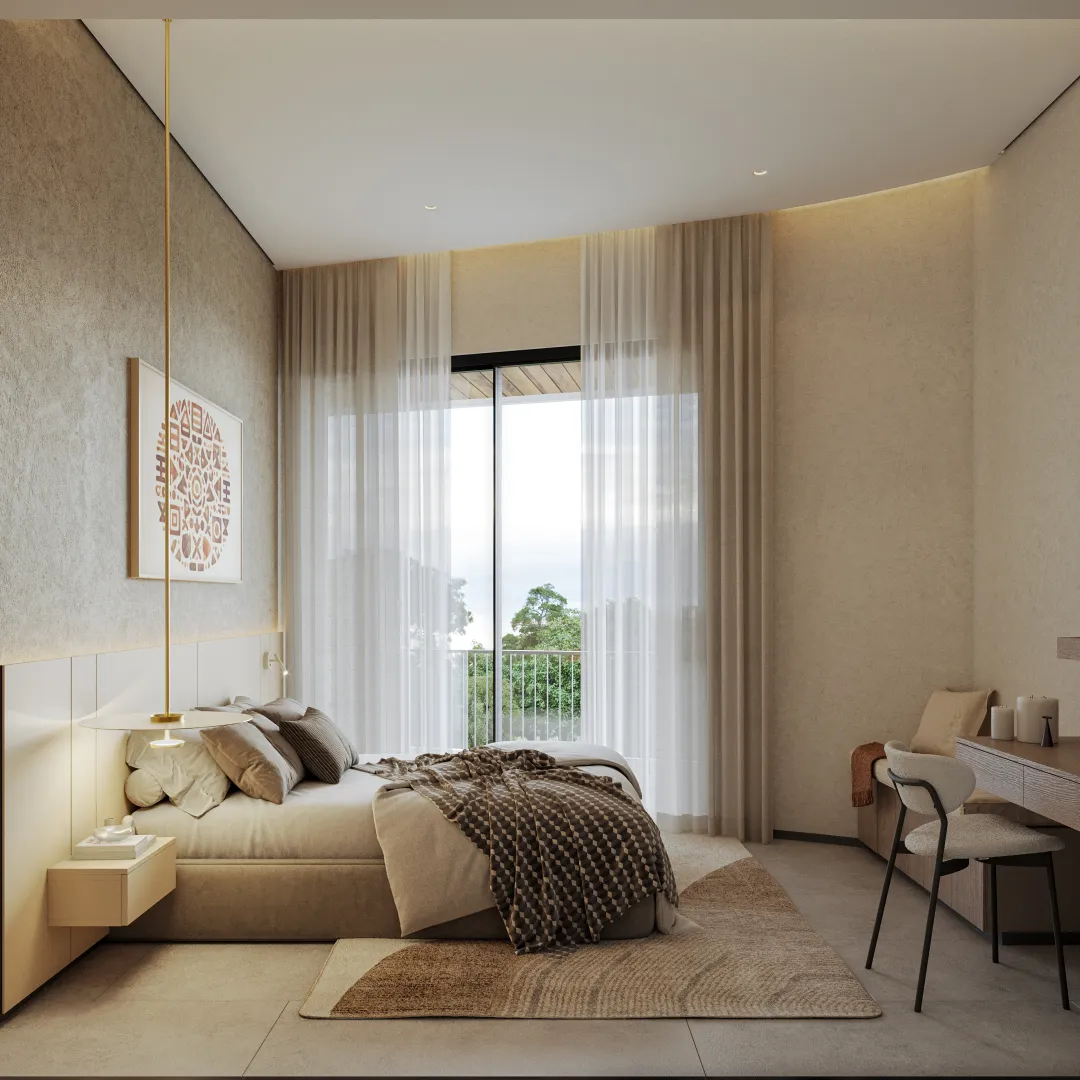
The project places emphasis on natural light, open-air environments, and wellness amenities such as a 300-meter jogging track. These are not random features added for marketing appeal. They reflect a new investment thesis: healthier living environments can command stronger demand and higher long-term value.
The presence of Health Cabinet Secretary Aden Duale at the launch also signaled something broader. Housing is increasingly being linked to public health outcomes, urban design quality, and quality of life.
That matters because it changes how premium developments are perceived. They are no longer just homes. They are lifestyle ecosystems.
For wealthy buyers, especially those who travel internationally and compare standards across cities, this matters enormously.
The benchmark for Nairobi luxury housing is no longer simply local competition. It is a global comparison.
Why Wealthy Investors Are Moving Now
Several forces appear to be driving the shift.
First, macroeconomic uncertainty has made many investors more selective. In periods where growth feels uneven, affluent buyers often prioritize capital preservation over speculative expansion. Premium real estate in limited prime zones can serve that role better than oversupplied mid-market developments.
Second, the post-pandemic world permanently changed housing preferences. Buyers increasingly value outdoor areas, wellness amenities, work-from-home flexibility, cleaner environments, and lower-density communities.
Third, construction inflation and financing constraints have slowed many ordinary residential projects. This can create supply pressure at the premium end, helping protect pricing where quality demand remains firm.
Fourth, wealthy investors are becoming more sophisticated. They are comparing rental yields, occupancy demand, maintenance quality, neighborhood infrastructure, and resale liquidity rather than buying purely on emotion.
This sophistication tends to reward premium assets more than average stock.
Prime Nairobi Still Commands Strong Returns
Despite broader economic caution, prime residential zones in Nairobi continue to show resilience.
Areas such as Gigiri, Karen, and Muthaiga are reportedly recording annual price growth of between 5% and 8%, with rental yields averaging between 6% and 8%.
Those are notable figures in an environment where many investors globally are struggling to find attractive real returns.
Some developers cite even stronger historical performance in select nodes, with land appreciating close to 16% annually and completed homes seeing around 18% capital appreciation. Furnished homes in premium segments are also reportedly achieving rental yields significantly above standard unfurnished units.
Whether every project can replicate those numbers is another question. But the broader point remains valid: high-quality premium housing continues attracting demand.
The Tatu City Expansion Story
The trend is not limited to Nairobi’s traditional elite suburbs.
Nairobi Metropolitan growth is pushing outward into counties such as Kiambu and Kajiado, creating new premium nodes where integrated lifestyle communities can emerge.
Developments in places like Tatu City illustrate this shift. With thousands of residents already living there and growth expected over the coming years, these master-planned communities appeal to buyers who want cleaner environments, better road planning, security, mixed-use convenience, and a stronger sense of community.
This is strategically important.
As congestion intensifies in older city zones, premium demand may increasingly migrate toward well-planned satellite communities rather than remain concentrated only in legacy suburbs.
That creates new winners in Kenya’s property map.
A Critical Reality: This Is Still a Narrow Market
While the premium story is compelling, it is important not to exaggerate it.
Only around 3.53% of Nairobi households reportedly fall within the upper-income bracket. That means the depth of the luxury market remains structurally limited.
This matters because a small buyer pool can create vulnerabilities. If sentiment weakens, political uncertainty rises, taxation changes, or liquidity tightens, premium transactions can slow sharply.
Luxury property markets often appear strong until they suddenly become illiquid.
So while prime areas may outperform broader markets over time, investors should not assume unlimited demand.
Scarcity helps prices—but scarcity of buyers can also create risk.
Context is everything. While you follow today’s updates, use the Serrari Group Market Index and Marketplace to spot emerging shifts. Need to sharpen your edge? Our Wealth Builder Platform turns these insights into a professional-grade strategy.
The Affordable Housing Contrast
Kenya’s state-led Affordable Housing Programme aims to deliver large volumes of units annually for the mass market. That serves a vital social and economic purpose.
However, from a private capital perspective, developers may find stronger margins and faster capital attraction at the premium end.
This creates a two-speed market.
One lane is driven by policy, scale, and affordability needs. The other is driven by lifestyle demand, scarcity value, and high-margin design-led products.
Both markets can coexist, but they operate under very different economics.
For investors, confusing one with the other can lead to poor decisions.
What Wealthy Buyers Want in 2026 and Beyond
The preferences of affluent buyers appear to be evolving toward five themes.
First is wellness. Homes that support physical and mental health are increasingly attractive.
Second is privacy. Buyers want controlled access, lower-density environments, and secure compounds.
Third is sustainability. Energy efficiency, green space, and ESG-aligned design now carry status value.
Fourth is convenience. Buyers prefer locations near schools, diplomatic zones, retail hubs, and major road networks.
Fifth is resilience. Investors want assets likely to retain demand even during economic stress.
Developments aligned with these themes are more likely to outperform over time.
What This Means for Developers
Developers targeting premium buyers can no longer rely on marble finishes and large rooms alone.
The market is becoming smarter and more selective. Buyers are asking tougher questions about build quality, property management, water reliability, energy systems, neighborhood planning, traffic access, and rental potential.
Projects that ignore these realities may struggle even in wealthy segments.
Those that embrace them may command pricing power.
In other words, branding matters—but execution matters more.
What This Means for Investors
For investors considering Nairobi real estate, the lesson is clear: broad exposure is less important than targeted exposure.
Owning any property is no longer enough. Location quality, tenant profile, lifestyle relevance, and future resale demand matter more than ever.
An average unit in an oversupplied area may underperform.
A premium unit in a scarce, well-managed, wellness-led environment may outperform significantly.
The market is rewarding discernment.
Risks That Could Slow the Trend
Even strong trends face risks.
Construction costs remain elevated. Mortgage financing is still constrained for many buyers. Political cycles can delay decision-making. Regulatory changes can alter returns. Infrastructure bottlenecks can reduce the attractiveness of certain zones.
There is also the risk of imitation. If too many developers suddenly chase “luxury wellness” branding without genuine substance, oversupply could emerge.
Real estate trends become dangerous when marketing moves faster than fundamentals.
Looking Ahead: Nairobi’s Next Real Estate Chapter
Nairobi’s premium housing market appears to be entering a more mature phase.
Instead of crude luxury defined by size and status, the next phase may be driven by intentional luxury—healthier design, stronger communities, smarter planning, and sustainable long-term value.
That would be positive not only for wealthy buyers, but for the city itself. High standards in premium development often influence expectations across the wider market.
If done well, today’s luxury innovation can become tomorrow’s mainstream standard.
Conclusion: Wealth Is Not Leaving Property—It Is Evolving
The sharp decline in wealthy Kenyans investing in traditional residential property should not be misread as weakness.
Capital has not disappeared. It has become more selective.
Affluent investors are shifting toward assets that combine income potential, scarcity, wellness, and long-term resilience. Nairobi’s luxury market is therefore not shrinking—it is upgrading.
For developers, investors, and policymakers alike, the message is simple.
The future of real estate in Nairobi may belong less to buildings that impress at first glance, and more to places that improve life every day.
Your financial future isn’t something you wait for, it’s something you build.
The real question is: when do you begin?
Move beyond simply staying informed.
Navigate the markets with clarity—track trends through the Serrari Group Market Index, uncover opportunities in the Serrari Marketplace, and build practical knowledge with our Curated Wealth Builder Platform.
Stay connected to what truly matters.
Get daily insights on macro trends and financial movements across Kenya, Africa, and global markets—delivered through the Serrari Newsletter.
Growth opens doors.
Advance your career through professional programs includingACCA,HESI A2,ATI TEAS 7,HESI EXIT ,NCLEX – RNandNCLEX – PN,Financial Literacy!🌟—designed to move you forward with confidence.
See where money is flowing—clearly and in real time.
Track Money Market Funds, Treasury Bills, Treasury Bonds, Green Bonds, and Fixed Deposits, alongside global and African indexes, key economic indicators, and the evolving Crypto and stablecoin landscape—all withinSerrari’s Market Index.