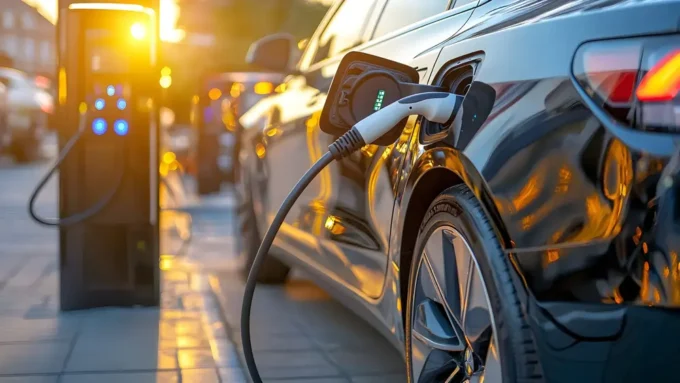
M-KOPA has financed more than 10,000 electric motorbikes in Kenya, marking a milestone for its pay-as-you-go electric mobility business. The company is now expanding its financing offering to electric tuk-tuks, allowing operators to spread vehicle costs over time. According to M-KOPA customer data, riders save an average of KSh530 per day through lower energy and maintenance costs and access to battery-swapping infrastructure.
Key Overview
- M-KOPA has financed more than 10,000 electric motorbikes in Kenya.
- Riders save an average of KSh530 per day, according to M-KOPA customer data.
- Across 10,000 motorcycles, reported savings amount to about KSh5.3 million per day.
- M-KOPA is extending its financing approach to electric tuk-tuks.
- Kenya has more than 250,000 registered tuk-tuks, according to the Kenya Tuk Tuk Operators Network.
- The National Electric Mobility Policy provides incentives including zero-rated VAT and zero excise duty on specified electric vehicles and batteries.
M-KOPA Reaches 10,000 Electric Motorbike Financing Milestone
M-KOPA has financed more than 10,000 electric motorbikes in Kenya, marking a milestone for its pay-as-you-go electric mobility business as riders increasingly seek lower-cost alternatives to petrol-powered motorcycles.
Through its financing model, M-KOPA allows riders and operators to spread the cost of electric vehicles over time, lowering the upfront barrier to acquiring income-generating assets.
According to M-KOPA customer data, riders save an average of KSh530 a day through lower energy and maintenance costs and access to battery-swapping infrastructure. Across 10,000 motorcycles, the reported savings amount to about KSh5.3 million a day.
Brian Njao, General Manager, Mobility at M-KOPA, said the milestone reflects growing demand from riders seeking to reduce operating costs and improve earnings.
“Reaching 10,000 financed electric motorbikes reflects growing demand from riders looking to lower operating costs and improve their earnings,” said Brian Njao, General Manager, Mobility at M-KOPA.
“We are now applying the same financing approach to electric tuk-tuks, helping operators access cleaner, lower-cost vehicles without the burden of a large upfront payment.”
M-KOPA Expands Financing to Electric Tuk-Tuks
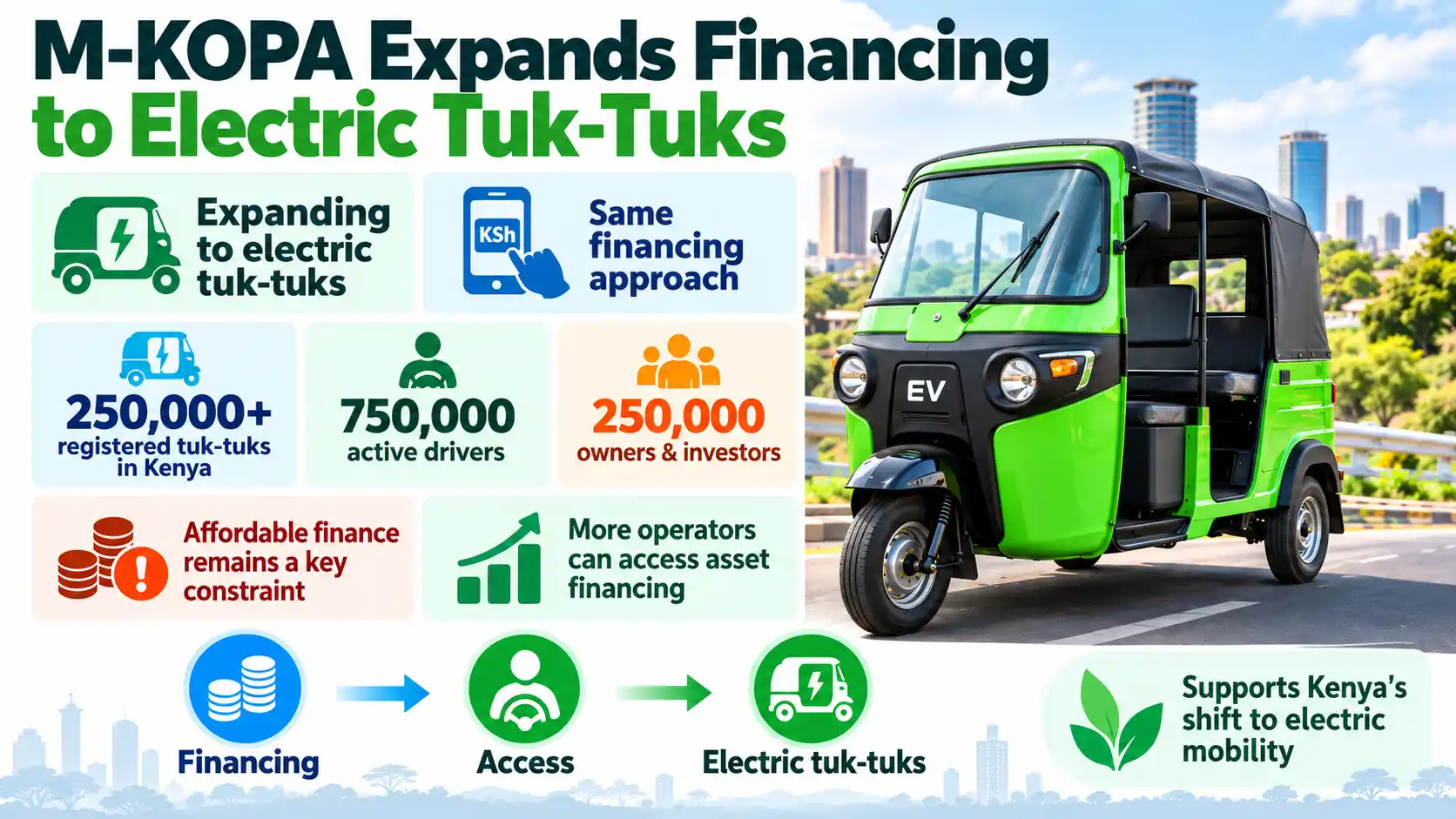
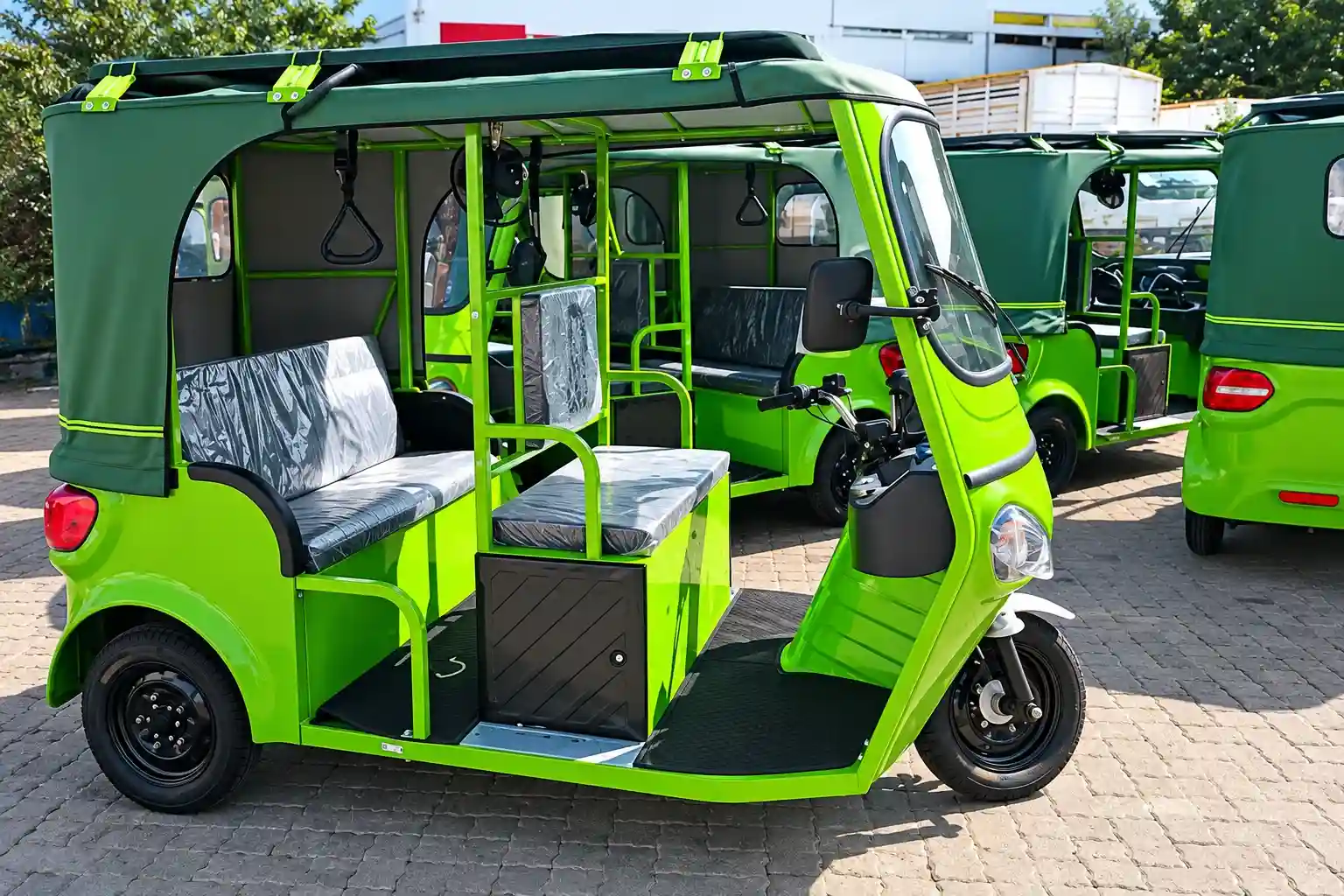
M-KOPA is now expanding its financing offering to electric tuk-tuks, extending the same financing approach to another segment of Kenya’s passenger transport market.
The expansion comes as Kenya’s tuk-tuk sector continues to play a significant role in the grassroots economy. The Kenya Tuk Tuk Operators Network estimates that the country has more than 250,000 registered tuk-tuks, 750,000 active drivers and 250,000 owners and investors.
Access to affordable finance remains a key constraint for operators looking to acquire or upgrade vehicles.
The expansion into electric tuk-tuks is intended to give more operators access to asset financing as Kenya’s transport sector gradually shifts towards electric mobility.
Electric Mobility Policy Supports Kenya’s Transition
The move also follows the launch of Kenya’s National Electric Mobility Policy, which provides a framework for investment, innovation and private-sector participation in electric transport.
The policy includes incentives such as zero-rated VAT on electric buses, bicycles, motorcycles and lithium-ion batteries, as well as zero excise duty on electric bicycles, motorcycles and lithium-ion batteries.
The move comes as Kenya seeks to promote clean mobility in the passenger transport sector, which has been a source of air pollution in Nairobi and other urban centres.
Context is everything. Stay ahead of shifting trends with today’s market updates, and uncover emerging opportunities using the Serrari Group Market Index and Marketplace. Then, take control of your own financial future by exploring our Money & Life Reset Transformation Blueprint ™ to build stronger habits, create better systems, and design a path toward lasting wealth.
Electric Motorbike Savings Support Adoption
The potential to reduce operating costs remains an important factor in the adoption of electric motorcycles among riders who depend on motorcycles as their main source of income.
According to M-KOPA customer data, riders using its financed electric motorcycles save an average of Sh530 a day through lower energy and maintenance costs, as well as access to battery-swapping infrastructure.
Across 10,000 motorcycles, the reported savings amount to about Sh5.3 million a day.
M-KOPA said the next phase of its mobility growth will focus on expanding customer access, partnerships and financing across Kenya’s electric transport ecosystem.
M-KOPA Partnerships and Customer Services
M-KOPA finances electric motorcycles from manufacturers including Ampersand, Roam and Spiro, and has partnered with Bolt to widen access through financing and rider incentives.
Customers also receive M-KOPA Cares, a package covering flexible repayments, insurance, GPS tracking, security features and warranty protection.
The company’s expansion into electric tuk-tuks builds on this financing and support model, allowing operators to access cleaner, lower-cost vehicles without the burden of a large upfront payment.
Outlook
M-KOPA’s financing of more than 10,000 electric motorbikes highlights the company’s expansion in Kenya’s electric mobility market. Its move into electric tuk-tuks extends financing access to a large transport segment, while the country’s National Electric Mobility Policy provides a framework and incentives for wider adoption of electric transport.
FAQs
1. How many electric motorbikes has M-KOPA financed in Kenya?
M-KOPA has financed more than 10,000 electric motorbikes in Kenya.
2. How much do M-KOPA-financed electric motorbike riders save?
According to M-KOPA customer data, riders save an average of KSh530 per day through lower energy and maintenance costs and access to battery-swapping infrastructure.
3. Why is M-KOPA expanding into electric tuk-tuks?
M-KOPA is applying its financing approach to electric tuk-tuks to help operators access cleaner, lower-cost vehicles without a large upfront payment.
4. What incentives does Kenya’s National Electric Mobility Policy provide?
The policy provides zero-rated VAT on electric buses, bicycles, motorcycles and lithium-ion batteries, alongside zero excise duty on electric bicycles, motorcycles and lithium-ion batteries.
Sources: Africa Business Communities, Bizna Kenya, Capitalfm
Your financial future isn’t something you wait for—it’s something you build.
The real question is: when do you begin?
Move beyond simply staying informed.
Navigate the markets with clarity—track trends through the Serrari Group Market Index, uncover opportunities in the Serrari Marketplace, and build practical knowledge with our Curated Wealth Builder Platform.
Stay connected to what truly matters.
Get daily insights on macro trends and financial movements across Kenya, Africa, and global markets—delivered through the Serrari Newsletter.
Growth opens doors.
Advance your career through professional programs including ACCA, HESI A2, ATI TEAS 7 , HESI EXIT , NCLEX – RN and NCLEX – PN, Financial Literacy!🌟—designed to move you forward with confidence.
See where money is flowing—clearly and in real time.
Track Money Market Funds, Treasury Bills, Treasury Bonds, Green Bonds, and Fixed Deposits, alongside global and African indexes, key economic indicators, and the evolving Crypto and stablecoin landscape—all within Serrari’s Market Index.