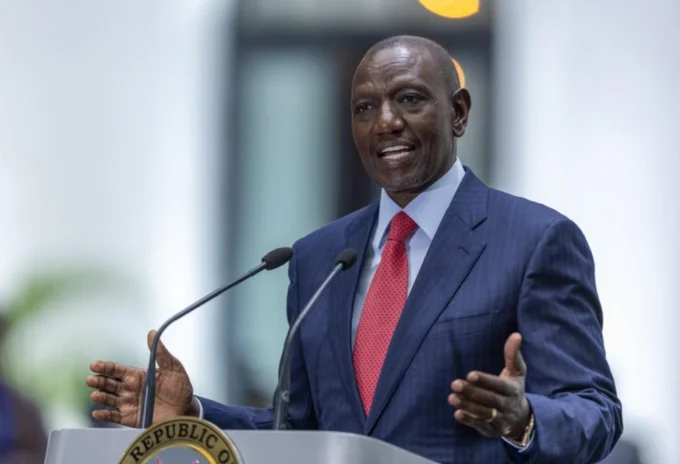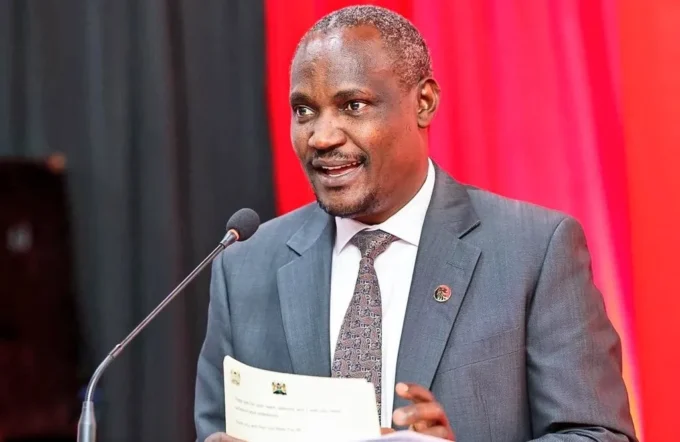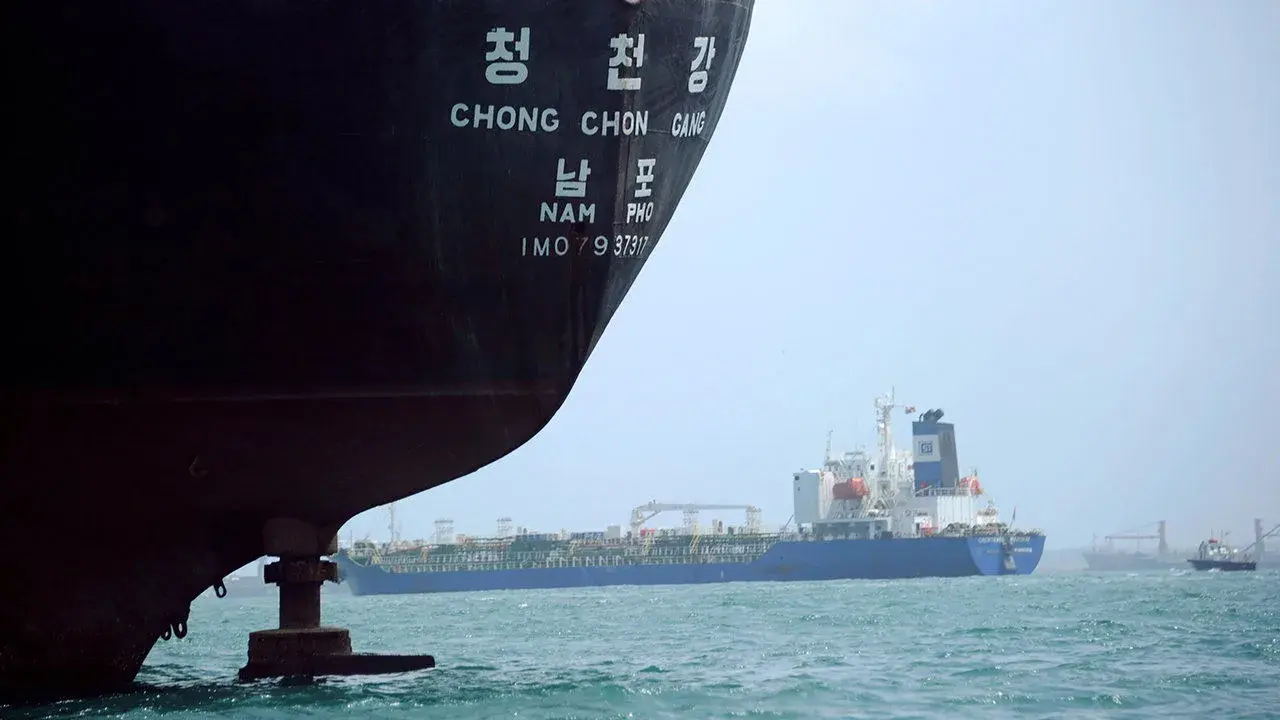
Kenya and South Korea have agreed to mutually recognise seafarer certificates issued in their respective jurisdictions, reducing certification barriers for qualified maritime professionals seeking employment on vessels connected to either country. The agreement was reached after President William Ruto met South Korean President Lee Jae Myung on the sidelines of the G7 Summit in Évian, France.
The arrangement could widen access to international shipping jobs for Kenyan seafarers while requiring Kenya to extend equivalent recognition to eligible South Korean professionals. The bilateral talks also covered trade access for Kenyan tea and coffee, labour mobility, technology cooperation and the proposed establishment of permanent Korean development-finance offices in Nairobi.
Key Overview
- Kenya and South Korea agreed to mutually recognise qualifying seafarer certificates.
- The deal is intended to reduce repeated certification requirements for maritime professionals.
- Recognition will operate within international seafarer training and certification rules.
- The two governments also discussed labour opportunities, including possible pathways for Kenyan teachers.
- Kenya sought better market access for tea, coffee and other exports.
- Nairobi and Seoul reviewed plans for permanent KEXIM and KOICA offices in Kenya.
- Kenya used the G7 summit to advance separate talks on food security, investment and global financial reform.
Maritime Deal Could Expand Overseas Employment
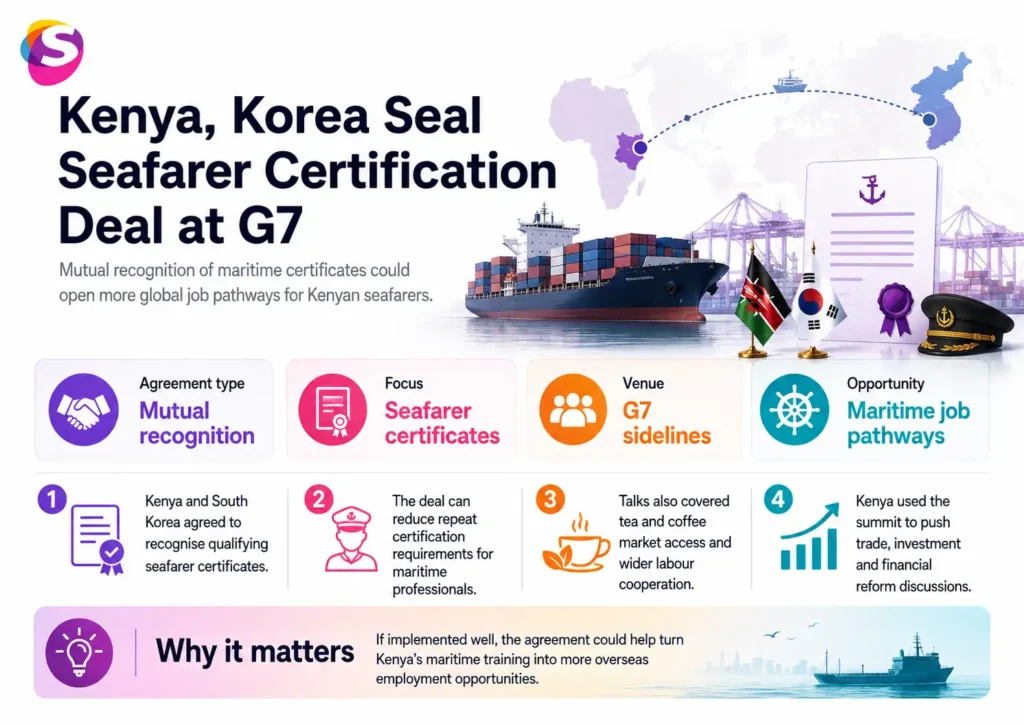
The bilateral seafarer agreement provides for mutual recognition of certificates held by qualified Kenyan and South Korean maritime professionals. Its practical purpose is to reduce the need for seafarers to repeat equivalent training or certification before serving on eligible foreign-flagged vessels.
For Kenya, the agreement supports a broader blue-economy strategy to place more officers, engineers, ratings and hospitality workers on commercial and cruise vessels.
Mutual recognition does not mean that all documents will be accepted automatically without checks. Under the international STCW system, flag administrations recognise certificates issued by other compliant states and provide the required endorsements for service on their ships.
Seafarers must therefore continue to hold valid competency, proficiency and medical documents and meet any ship-specific or national legal requirements. The agreement mainly removes unnecessary duplication by establishing official confidence in each country’s training and certification system.
Kenya Seeks Broader Labour and Trade Access
The talks went beyond maritime employment. Kenya and South Korea reviewed progress on expanding their bilateral labour arrangement, including possible opportunities for Kenyan teachers to work in South Korea.
The two governments also discussed preferential access for Kenyan tea and coffee, which could help diversify export destinations.
Kenya and South Korea have previously cooperated on technology, education, infrastructure, agriculture and skills.
At Évian, the leaders also reviewed plans to establish permanent Nairobi offices for the Export-Import Bank of Korea and the Korea International Cooperation Agency. A stronger local presence could improve project preparation, financing coordination and implementation of Korean-supported programmes in Kenya and the wider region.
Context is everything. Stay ahead of shifting trends with today’s market updates, and uncover emerging opportunities using the Serrari Group Market Index and Marketplace. Then, take control of your own financial future by exploring our Money & Life Reset Transformation Blueprint ™ to build stronger habits, create better systems, and design a path toward lasting wealth.
Mombasa Grain Hub Returns to the Agenda
President Ruto used the summit for additional bilateral engagements, including talks with Ukrainian President Volodymyr Zelensky. The two leaders agreed to accelerate plans for a grain hub at the Port of Mombasa.
The proposed facility would receive, store and distribute Ukrainian grain for Kenya and neighbouring East African markets. Its stated objective is to strengthen regional food security and reduce the impact of supply shortages.
Mombasa is a major gateway for East African imports. A dedicated grain facility could improve storage and logistics, although its viability will depend on financing, port capacity, demand and stable export routes.
Kenya and Ukraine also discussed cooperation in agriculture, education, investment and high technology. Kenya reiterated support for resolving the Russia–Ukraine war through dialogue, diplomacy and respect for the United Nations Charter.
Ruto Pushes Africa’s Investment Case at G7
During the summit, President Ruto argued that Africa should be treated as an investment and production partner rather than primarily as an aid recipient. He called for more mineral processing, manufacturing and job creation to take place on the continent.
The argument reflects concern that African economies export raw materials while importing higher-value goods. Local processing could create jobs and retain more value.
Ruto also met World Bank Group President Ajay Banga and welcomed support for reforms to the international financial architecture. Kenya has repeatedly argued that developing countries face high borrowing costs and need better access to long-term and concessional capital.
The president’s financial reform position calls for greater representation of developing economies in global institutions and financing systems that respond more effectively to debt, climate and development pressures.
Implementation Will Determine the Deal’s Value
The seafarer agreement is a useful diplomatic achievement, but its employment impact will depend on implementation. Maritime authorities must establish clear procedures for verifying certificates, issuing endorsements and connecting qualified Kenyan workers with shipping companies.
Training institutions must also maintain international standards, align courses with industry needs and protect jobseekers from fraudulent recruiters.
If implemented effectively, the agreement could turn Kenya’s maritime training investments into more overseas jobs while deepening economic relations with South Korea. It also illustrates how bilateral meetings at major summits can produce targeted labour and trade outcomes alongside broader diplomatic declarations.
Sources: The EastAfrican / International Maritime Organization / The Star / Office of the President of Kenya
Your financial future isn’t something you wait for—it’s something you build.
The real question is: when do you begin?
Move beyond simply staying informed.
Navigate the markets with clarity—track trends through the Serrari Group Market Index, uncover opportunities in the Serrari Marketplace, and build practical knowledge with our Curated Wealth Builder Platform.
Stay connected to what truly matters.
Get daily insights on macro trends and financial movements across Kenya, Africa, and global markets—delivered through the Serrari Newsletter.
Growth opens doors.
Advance your career through professional programs including ACCA, HESI A2, ATI TEAS 7 , HESI EXIT , NCLEX – RN and NCLEX – PN, Financial Literacy!🌟—designed to move you forward with confidence.
See where money is flowing—clearly and in real time.
Track Money Market Funds, Treasury Bills, Treasury Bonds, Green Bonds, and Fixed Deposits, alongside global and African indexes, key economic indicators, and the evolving Crypto and stablecoin landscape—all within Serrari’s Market Index.