Tanzania is seeking to mobilise about $12 billion in climate finance to close a funding gap needed to implement its climate commitments. The country estimates it needs $19.3 billion to fully implement its Nationally Determined Contribution (NDC) 2.0, with the government calling for greater international support, private investment and innovative financing.
Key Overview
- Climate finance gap: Nearly $12 billion
- Total requirement: $19.3 billion
- NDC target: Reduce emissions by 30–35% by 2030
- Priority areas: Renewable energy, agriculture, green minerals, infrastructure and the blue economy
- Financing tools: Grants, concessional finance, guarantees, blended finance and private capital
- Proposed instruments: Sovereign green, social and sustainability-linked bonds
Tanzania Seeks $12 Billion to Close Climate Finance Gap
Tanzania is seeking to mobilise $12 billion in climate finance from the international community to bridge its climate funding shortfall and meet key climate commitments.
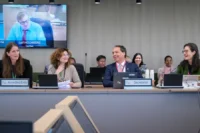
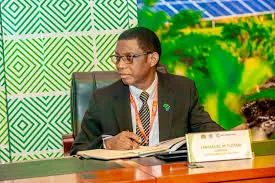
Finance Minister Ambassador Khamisi Musa Omar announced the financing push during the first Tanzania Climate Finance Roundtable 2026 in Dar es Salaam. The meeting brought together government officials, development partners and financial institutions to discuss how the country can mobilise capital for climate and development priorities.
Tanzania estimates that it needs $19.3 billion to fully implement its NDC 2.0, leaving a financing deficit of roughly $12 billion. The government says domestic resources alone cannot meet the requirement while also funding essential priorities such as health, education and employment.
Climate Finance Linked to Development
The government is positioning climate finance as part of Tanzania’s broader development agenda rather than as a standalone environmental issue.
Ambassador Omar said climate-related investment should strengthen resilience while also generating wider economic benefits, including sustainable livelihoods, employment and economic growth. Tanzania contributes only about 0.31% of global greenhouse gas emissions but is already experiencing economic impacts from climate-related events.
Droughts, floods and changing water availability can affect agriculture, infrastructure, energy production and household incomes. The Respondents also highlighted the pressure climate shocks can place on public finances, including the need to redirect resources toward emergency response and reconstruction.
Where Tanzania Plans to Invest
The financing will target several sectors considered central to Tanzania’s climate and development plans.
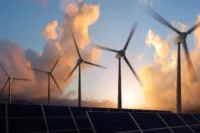
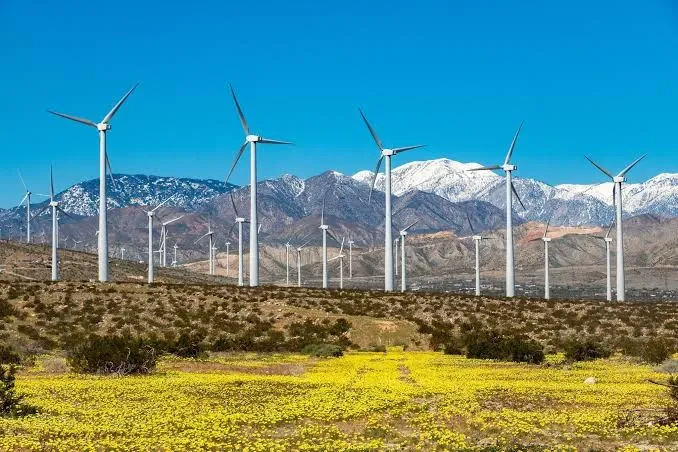
These include renewable energy, sustainable agriculture, green minerals, resilient infrastructure and the blue economy. The country is also investing in solar, wind and geothermal energy alongside major hydropower developments.
Agriculture remains particularly important because of its exposure to climate risks. Tanzania is also supporting climate-resilient farming, forest and wetland protection, coastal resilience and improved early-warning systems.
The government’s climate priorities also include clean cooking, which is intended to reduce pressure on forests while supporting household welfare.
Expanding Access to Climate Finance
Tanzania plans to combine different sources of capital rather than rely on a single financing mechanism. The government is looking at domestic public resources alongside concessional finance, guarantees, blended finance and private-sector investment.
It is also exploring sovereign green, social and sustainability-linked bonds as additional financing tools. The government has pointed to previous local sustainable finance transactions, including CRDB Bank’s corporate green bond and a bond issued by the Tanga Urban Water Supply and Sanitation Authority.
The Guardian reported that the Tanga bond was oversubscribed by 103 per cent, highlighting investor interest in sustainable financing instruments.
Development partners could also play a role in reducing investment risks and attracting private capital. The World Bank Group, African Finance Corporation and Multilateral Investment Guarantee Agency were identified among potential partners.
Context is everything. Stay ahead of shifting trends with today’s market updates, and uncover emerging opportunities using the Serrari Group Market Index and Marketplace. Then, take control of your own financial future by exploring our Money & Life Reset Transformation Blueprint ™ to build stronger habits, create better systems, and design a path toward lasting wealth.
Financing Challenges Remain
Tanzania faces several challenges in closing the climate finance gap, including limited access to international climate funding and lengthy procedures for accessing global funds.
The government has also raised concerns about the increasing use of loans for climate finance. While borrowing can provide capital for major projects, excessive reliance on debt could increase financial pressure on developing countries that already face substantial development needs.
The Respondents reported that Tanzania is seeking climate finance that is more predictable, accessible and capable of supporting both adaptation and mitigation.
The World Bank has also stressed the importance of preparing projects that are capable of attracting financing. Without well-prepared and bankable projects, available capital may not reach projects at the scale required.
Climate Risks Could Affect Economic Growth
The financing gap comes as Tanzania faces growing economic risks from climate change. The World Bank estimates that inadequate climate action could reduce the country’s economic growth by up to 4 per cent by 2050, while potentially pushing 2.6 million additional people into poverty and contributing to internal migration involving up to 13 million people.
These risks make climate finance increasingly connected to Tanzania’s wider economic objectives. Investment in resilience could help protect infrastructure, agriculture, water systems and communities while supporting longer-term development.
Outlook
Tanzania’s efforts to mobilise $12 billion highlight the scale of financing required to translate climate commitments into projects on the ground. The government is looking beyond traditional public funding by combining international support, concessional finance, guarantees, blended finance, private capital and sustainable bonds.
The immediate challenge will be turning climate priorities into bankable projects that can attract financing and deliver measurable results. For Tanzania, closing the funding gap will be important not only for meeting its climate commitments but also for protecting economic growth, infrastructure and livelihoods from rising climate risks.
FAQs
1. How large is Tanzania’s climate finance gap?
Tanzania faces a climate finance gap of roughly $12 billion.
2. How much does Tanzania need to implement NDC 2.0?
The country estimates that it needs $19.3 billion to fully implement its NDC 2.0.
3. Which sectors will receive climate finance?
Priority areas include renewable energy, sustainable agriculture, green minerals, resilient infrastructure and the blue economy.
4. How does Tanzania plan to close the financing gap?
The government plans to combine domestic resources with concessional finance, guarantees, blended finance, private investment and sustainable bond instruments.
Sources: Daily News | The Guardian | The Respondents
Your financial future isn’t something you wait for—it’s something you build.
The real question is: when do you begin?
Move beyond simply staying informed.
Navigate the markets with clarity—track trends through the Serrari Group Market Index, uncover opportunities in the Serrari Marketplace, and build practical knowledge with our Curated Wealth Builder Platform.
Stay connected to what truly matters.
Get daily insights on macro trends and financial movements across Kenya, Africa, and global markets—delivered through the Serrari Newsletter.
Growth opens doors.
Advance your career through professional programs including ACCA, HESI A2, ATI TEAS 7 , HESI EXIT , NCLEX – RN and NCLEX – PN, Financial Literacy!🌟—designed to move you forward with confidence.
See where money is flowing—clearly and in real time.
Track Money Market Funds, Treasury Bills, Treasury Bonds, Green Bonds, and Fixed Deposits, alongside global and African indexes, key economic indicators, and the evolving Crypto and stablecoin landscape—all within Serrari’s Market Index.