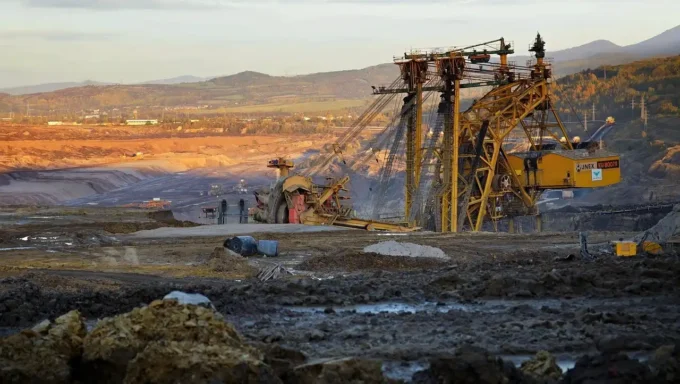
Kenya’s planned 700,000-barrel-per-day oil refinery in Lamu could become one of the largest industrial projects ever undertaken in East Africa and a major catalyst for the country’s maritime economy.
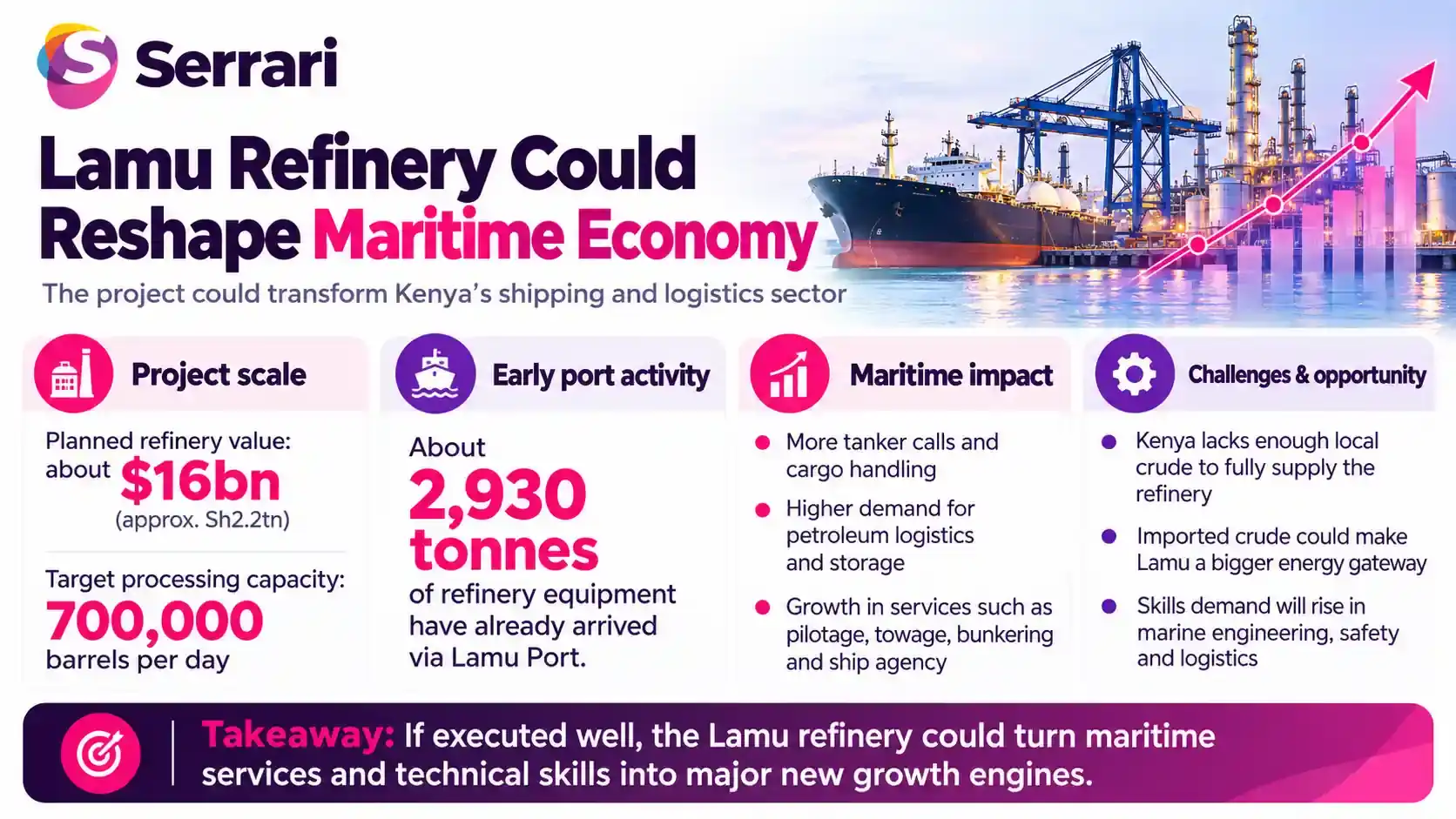
The project, valued at about $16 billion, is being advanced by Aliko Dangote’s industrial group and is expected to serve Kenya and wider regional markets. Beyond fuel production, the refinery could increase tanker traffic, project cargo, storage demand, port services and the need for specialised maritime skills around Lamu Port.
Key Overview
- The proposed Lamu refinery is designed to process about 700,000 barrels of crude oil per day.
- Current project estimates place its value at roughly $16 billion.
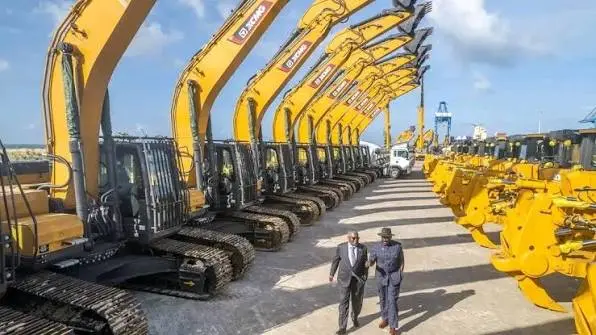
- Heavy construction equipment has already begun arriving through Lamu Port.
- The refinery could substantially increase tanker calls, cargo handling and petroleum logistics.
- Kenya will initially depend heavily on imported or regional crude because it lacks sufficient commercial production.
- New demand could emerge for marine engineering, bunkering, towage, inspection, safety and logistics services.
- The project could also create a large market for specialised maritime and technical skills.
Lamu Port Is Already Seeing Early Project Activity
The potential effect on Lamu’s maritime economy became visible before full construction began.
Around 2,930 metric tonnes of heavy equipment arrived at Lamu Port in late September aboard a project vessel carrying machinery for the refinery.
The shipment demonstrated the port’s ability to handle specialised industrial cargo and provided an early indication of the volume of logistics activity that could follow as construction accelerates.
The refinery is designed for approximately 700,000 barrels per day of processing capacity, placing it among the largest refinery projects on the continent.
Current plans indicate completion around 2030, although major infrastructure developments of this scale remain exposed to financing, regulatory, environmental and construction risks.
Maritime Services Could Become a Major Growth Industry
The refinery’s impact on shipping would extend well beyond crude imports.
A large petroleum-processing complex would require regular tanker movements, project cargo, refined-product shipping and marine-support services. That creates potential demand for pilotage, tug operations, ship agency, bunkering, cargo handling, surveying, inspections and port security.
Supporting industries could also include ship repair, marine engineering, tank storage, pipeline operations and hazardous-material handling.
The port already has three operational berths and forms a central part of the wider LAPSSET Corridor. Planned expansion includes facilities designed to handle bulk and petroleum-related cargo.
Long-term regional infrastructure plans also envisage single-point mooring facilities capable of handling tankers of up to 200,000 deadweight tonnes, illustrating the scale of marine infrastructure that could eventually support petroleum activity around Lamu.
Context is everything. Stay ahead of shifting trends with today’s market updates, and uncover emerging opportunities using the Serrari Group Market Index and Marketplace. Then, take control of your own financial future by exploring our Money & Life Reset Transformation Blueprint ™ to build stronger habits, create better systems, and design a path toward lasting wealth.
Crude Supply Remains a Major Challenge
The refinery’s biggest operational challenge is likely to be securing enough crude.
Kenya does not currently produce commercial volumes anywhere near what would be required to feed a 700,000-barrel-per-day refinery continuously. Potential supplies from Kenya, Uganda and South Sudan face infrastructure, development or geopolitical constraints.
That means the refinery may initially rely heavily on international seaborne crude imports.
From a maritime perspective, that challenge could become an opportunity.
Regular crude imports would require sophisticated tanker handling, storage, marine safety systems, environmental monitoring and petroleum logistics. Lamu could therefore evolve from an emerging cargo port into a major regional energy gateway.
Skills Demand Could Rise Sharply
A refinery of this size would create demand for specialised workers well beyond the plant itself.
Potential roles include marine engineers, deck officers, vessel operators, ship agents, welders, instrumentation technicians, terminal operators, safety professionals and petroleum-logistics specialists.
Training institutions could respond by expanding programmes in marine engineering, port operations, welding and fabrication, firefighting, hazardous-goods handling, oil-spill response and maritime security.
The opportunity is particularly significant because large industrial projects often require internationally recognised safety and technical certifications.
If Kenyan institutions align training with future refinery and port requirements, more of the employment generated by the project could remain within the domestic economy.
Lamu Could Become a Regional Fuel Distribution Hub
The project also fits into the broader LAPSSET ambition of connecting Lamu with inland markets across East Africa.
Once operational, refined petroleum products could be distributed across Kenya and neighbouring countries, strengthening demand for roads, pipelines, storage terminals and inland logistics.
Dangote has also indicated that regional governments may be offered equity participation in the refinery, reinforcing its intended role as an East African rather than purely Kenyan project.
The wider economic potential is therefore significant. A successful refinery could support maritime services, industrial development, regional trade and technical employment at the same time.
However, the final impact will depend heavily on execution. Crude supply, project financing, environmental approvals, supporting infrastructure and local skills development will all determine whether Lamu emerges as the regional energy hub envisioned by planners.
For Kenya’s maritime sector, the central opportunity is broader than simply handling more ships. The refinery could create an entire ecosystem of specialised services and skills around Lamu, potentially changing the commercial role of the port for decades.
Sources: Reuters / Kenya News Agency / Programme for Infrastructure Development in Africa / Kenya Ports Authority / LAPSSET Corridor Development Authority
Your financial future isn’t something you wait for—it’s something you build.
The real question is: when do you begin?
Move beyond simply staying informed.
Navigate the markets with clarity—track trends through the Serrari Group Market Index, uncover opportunities in the Serrari Marketplace, and build practical knowledge with our Curated Wealth Builder Platform.
Stay connected to what truly matters.
Get daily insights on macro trends and financial movements across Kenya, Africa, and global markets—delivered through the Serrari Newsletter.
Growth opens doors.
Advance your career through professional programs including ACCA, HESI A2, ATI TEAS 7 , HESI EXIT , NCLEX – RN and NCLEX – PN, Financial Literacy!🌟—designed to move you forward with confidence.
See where money is flowing—clearly and in real time.
Track Money Market Funds, Treasury Bills, Treasury Bonds, Green Bonds, and Fixed Deposits, alongside global and African indexes, key economic indicators, and the evolving Crypto and stablecoin landscape—all within Serrari’s Market Index.