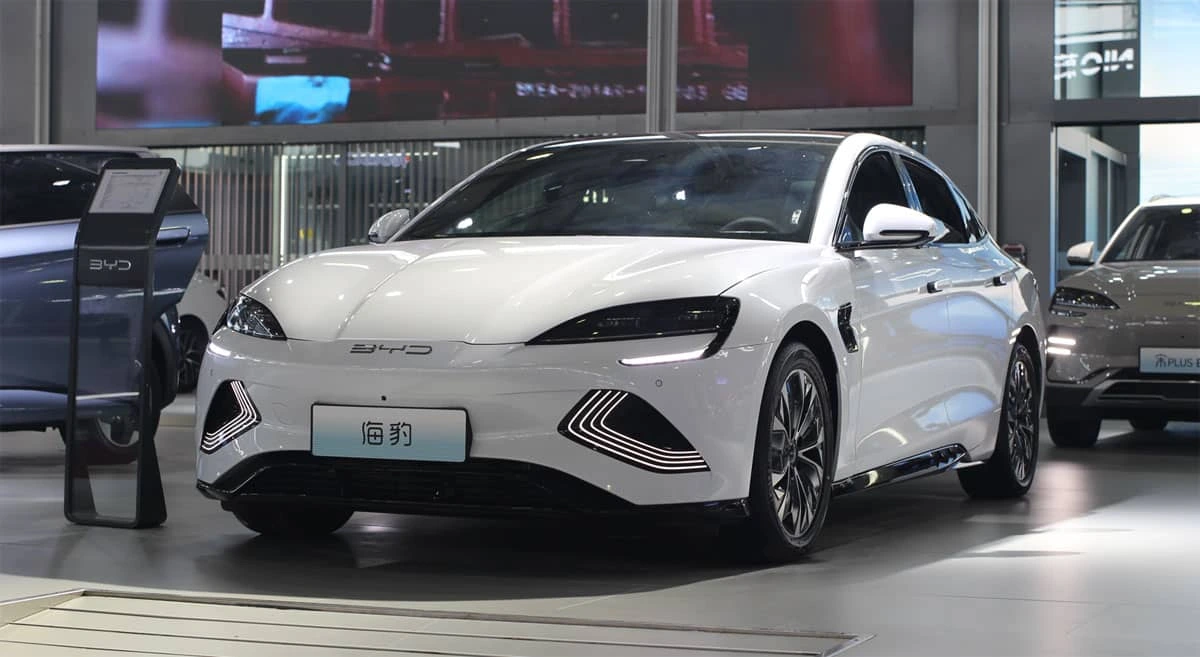
Chinese electric vehicle manufacturer BYD has confirmed plans to introduce its first electric vehicle equipped with a solid-state battery in 2027. The company says it is in a leading position in the development and commercialisation of the technology. Solid-state batteries could offer higher energy density, lower weight, longer driving ranges and improved safety compared with conventional lithium-ion batteries.
Key Overview
- Company: BYD
- Technology: Solid-state batteries
- First model: Planned for 2027
- Initial application: Higher-end electric vehicles
- Battery development: BYD’s FinDreams battery division
- Expected mass production: Around 2030
- Existing batteries: Lithium iron phosphate batteries will continue across other vehicle segments
BYD Confirms 2027 Solid-State Battery Plans
BYD has confirmed that it plans to introduce its first electric vehicle using solid-state battery technology in 2027.
BYD Executive Vice-President Stella Li said the company is in a leading position in both the technology and its commercialisation.
The announcement follows plans previously outlined by BYD’s battery division, FinDreams, which indicated in 2025 that the company intended to demonstrate and install solid-state batteries in vehicles from 2027.
Solid-State Batteries Could Improve EV Performance
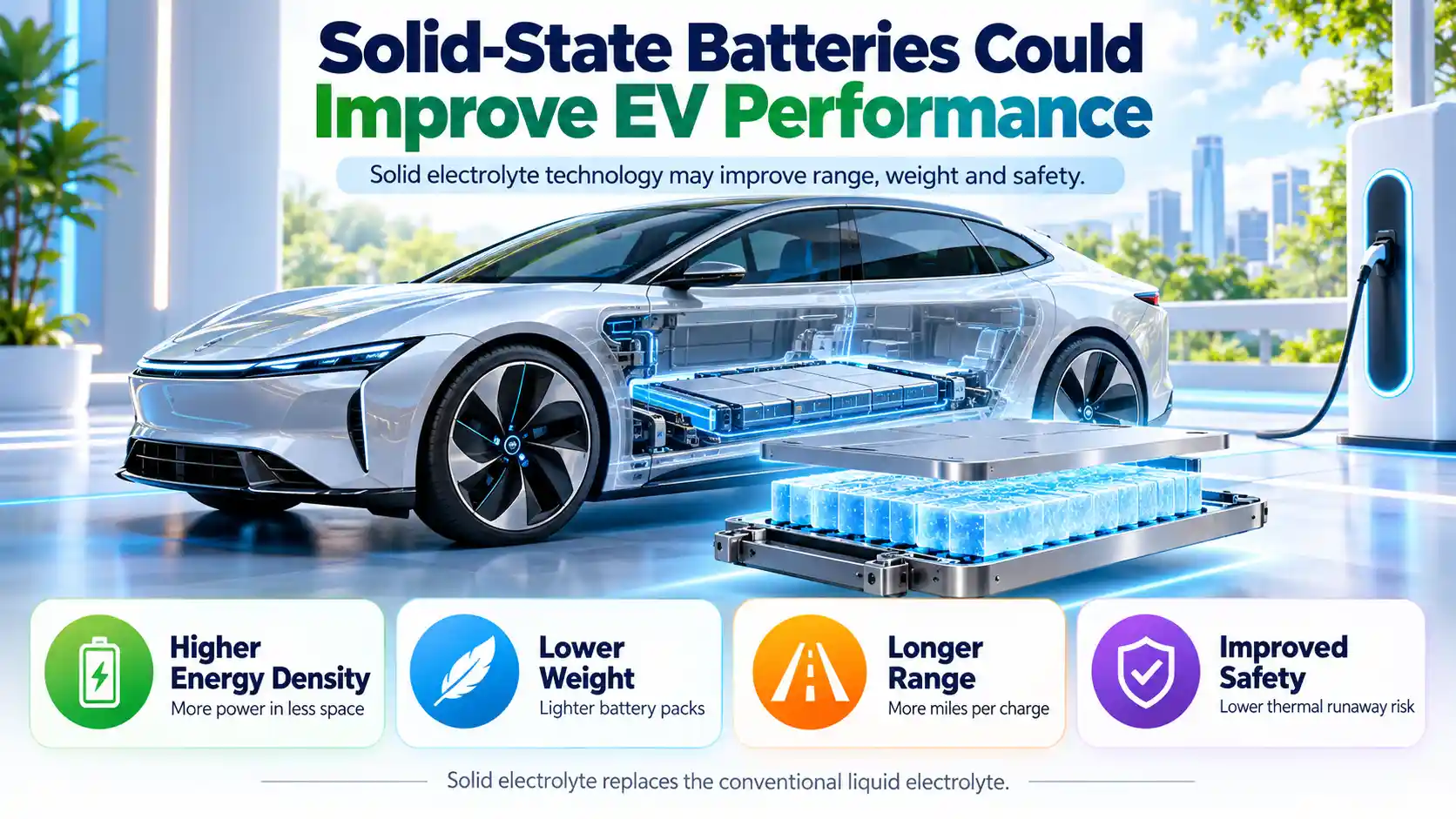
Solid-state batteries differ from conventional lithium-ion batteries primarily through the use of a solid electrolyte instead of a liquid one.
The technology has the potential to provide higher energy density, which could allow electric vehicles to use smaller and lighter battery packs while maintaining or increasing driving range.
Solid-state batteries are also expected to offer safety advantages because solid electrolytes are less prone to the thermal runaway associated with some conventional lithium-ion battery systems.
The technology could also provide improved performance under certain temperature conditions.
BYD Previously Targeted 2027 for Demonstration
The 2027 timeline is consistent with plans announced by BYD in February 2025.
At the time, Sun Huajun, technical director of BYD’s FinDreams battery division, said the company planned to begin demonstrating and installing solid-state batteries in vehicles in 2027.
Mass production was expected to follow around 2030.
BYD’s latest comments therefore reinforce the company’s previously stated development timeline rather than introducing a completely new target.
Higher-End Models Expected to Use the Technology First
The high cost of producing solid-state batteries remains one of the challenges facing wider adoption.
Because of this, BYD is expected to initially use the technology in higher-end models.
BYD Chief Scientist Lian Yubo previously said solid-state batteries would mainly be used in high-end models while lithium iron phosphate batteries continue to serve vehicles across different segments.
This means the introduction of solid-state technology is not expected to replace BYD’s existing battery technologies across its entire vehicle range.
Context is everything. Stay ahead of shifting trends with today’s market updates, and uncover emerging opportunities using the Serrari Group Market Index and Marketplace. Then, take control of your own financial future by exploring our Money & Life Reset Transformation Blueprint ™ to build stronger habits, create better systems, and design a path toward lasting wealth.
Lithium Iron Phosphate Batteries to Continue
BYD will continue using lithium iron phosphate (LFP) batteries across different vehicle segments.
The company’s approach is to use different battery technologies according to the requirements and positioning of individual vehicles.
Solid-state batteries could therefore initially serve vehicles where their higher energy density and potential range benefits can justify higher production costs.
As production technology develops, costs could become an important factor in determining how widely solid-state batteries are adopted.
Other Automakers Are Developing Solid-State Batteries
BYD is among several major automotive companies working on solid-state battery technology.
Toyota has previously targeted 2027–2028 for vehicles using solid-state batteries. Mercedes-Benz has also been testing solid-state battery technology, while Stellantis has been conducting road testing involving a solid-state battery-powered electric vehicle.
Honda has also been working with QuantumScape on solid-state battery development.
The activity across several automakers reflects continued investment in battery technologies that could increase electric vehicle range and improve battery performance.
Cost Remains a Major Challenge
Despite the potential advantages, solid-state batteries remain more expensive to produce than established lithium-ion battery technologies.
Manufacturers must also develop production processes capable of producing the batteries at automotive scale.
For BYD, the initial use of solid-state batteries in higher-end vehicles could allow the company to introduce the technology while continuing to use established battery systems across its broader vehicle lineup.
The company has not indicated that traditional lithium-based batteries will be phased out following the introduction of solid-state technology.
Outlook
BYD’s planned 2027 introduction will mark an important step in the company’s solid-state battery development programme.
The technology is expected to initially appear in higher-end vehicles because of current production costs, while LFP batteries continue to be used across other segments.
BYD’s longer-term plan points toward broader commercialisation, with mass production previously targeted for around 2030. The development of solid-state batteries will also continue alongside similar programmes being pursued by other global automakers.
FAQs
1. When will BYD introduce its first solid-state battery vehicle?
BYD plans to introduce its first model equipped with a solid-state battery in 2027.
2. What are the potential benefits of solid-state batteries?
Solid-state batteries could provide higher energy density, lower battery weight, longer driving range and improved safety compared with conventional lithium-ion batteries.
3. Will BYD stop using lithium iron phosphate batteries?
No. BYD plans to continue using lithium iron phosphate batteries across different vehicle segments while introducing solid-state batteries initially in higher-end models.
4. When could BYD begin mass production?
BYD previously indicated that mass production could begin around 2030, following the planned 2027 demonstration and installation of solid-state batteries in vehicles.
Sources: Mezha, Engadget, GadgetMatch
Your financial future isn’t something you wait for—it’s something you build.
The real question is: when do you begin?
Move beyond simply staying informed.
Navigate the markets with clarity—track trends through the Serrari Group Market Index, uncover opportunities in the Serrari Marketplace, and build practical knowledge with our Curated Wealth Builder Platform.
Stay connected to what truly matters.
Get daily insights on macro trends and financial movements across Kenya, Africa, and global markets—delivered through the Serrari Newsletter.
Growth opens doors.
Advance your career through professional programs including ACCA, HESI A2, ATI TEAS 7 , HESI EXIT , NCLEX – RN and NCLEX – PN, Financial Literacy!🌟—designed to move you forward with confidence.
See where money is flowing—clearly and in real time.
Track Money Market Funds, Treasury Bills, Treasury Bonds, Green Bonds, and Fixed Deposits, alongside global and African indexes, key economic indicators, and the evolving Crypto and stablecoin landscape—all within Serrari’s Market Index.