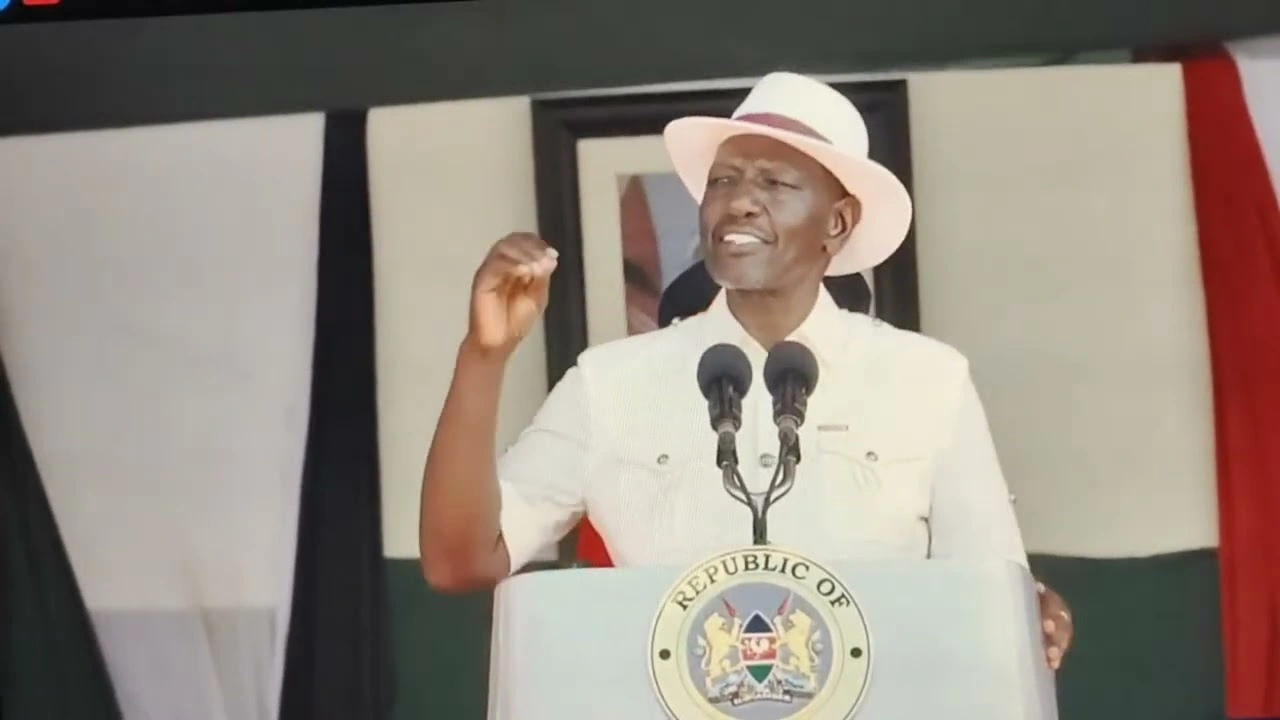
President William Ruto has announced a Ksh 5 billion County Livestock Investment Company initiative targeting over 350,000 pastoralists across 21 Arid and Semi-Arid Lands (ASAL) counties. Unveiled during the 63rd Madaraka Day celebrations in Wajir on June 1, 2026, the plan aims to shift livestock keeping from subsistence farming to a globally competitive commercial enterprise by enabling pastoralists to own investment companies, access financing, and control value-addition processes. The initiative builds on existing interventions that have helped drive an 84% increase in meat exports since 2022, according to the President.
Key Overview
- Investment: Ksh 5 billion County Livestock Investment Company initiative across 21 ASAL counties
- Beneficiaries: Over 350,000 pastoralists, with more than 2 million household members expected to benefit in Phase One
- Sector Weight: Livestock contributes 12% of Kenya’s GDP and 42% of agricultural GDP
- ASAL Dependency: Livestock accounts for 90%+ of employment and nearly 95% of household incomes in ASAL regions
- Export Growth: Meat exports up 84% from Ksh 8.9 billion (2022) to Ksh 16.4 billion (2025); dairy exports up to Ksh 14.2 billion
- Agripreneurs: 2,000 new agripreneurs deployed to ASAL counties, bringing the national total to 7,000
A Historic Announcement at a Historic Venue
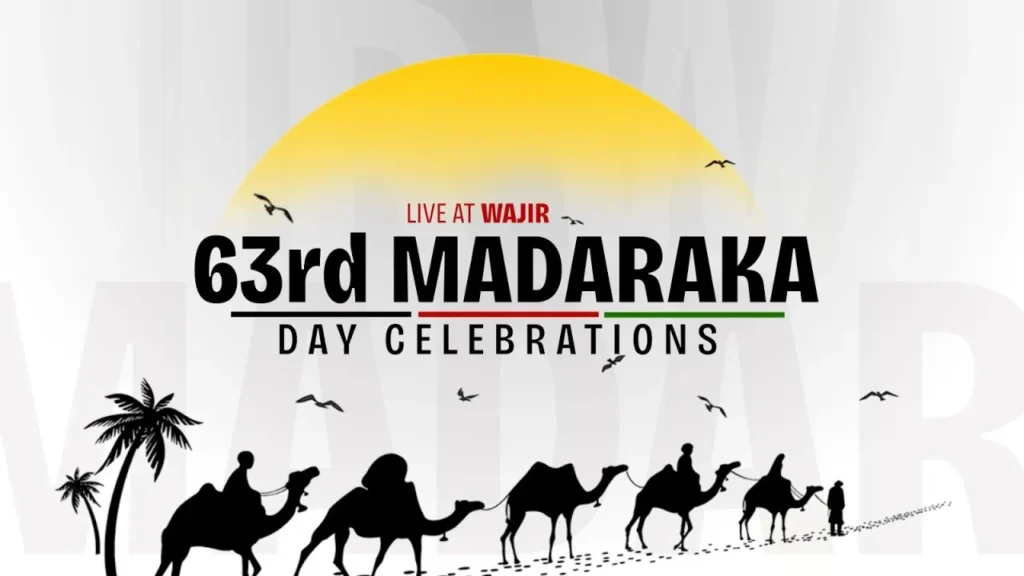
The announcement came at the 63rd Madaraka Day celebrations in Wajir County — the first time a national celebration of this scale has been hosted in North Eastern Kenya since independence. President Ruto used the occasion to argue that pastoral communities have been systematically locked out of mainstream economic development, despite livestock forming the economic backbone of Northern Kenya.
“Livestock is agriculture and pastoralists are farmers,” Ruto said, framing the initiative as a structural correction to decades of underinvestment. The sector contributes approximately 12% of Kenya’s GDP and 42% of agricultural GDP, according to the Kenya Investment Authority. In ASAL regions specifically, it accounts for over 90% of employment and nearly 95% of household incomes, supporting the livelihoods of more than 6 million pastoralists and agro-pastoralists nationally.
How the County Livestock Investment Companies Will Work
The centrepiece of the plan is the County Livestock Investment Company initiative, which will enable pastoralists to form and own investment companies that process, market, and add value to livestock products. Through these enterprises, pastoralists will gain access to markets, financing, insurance services, and value-addition opportunities.
Ruto drew a direct comparison to Kenya’s established agricultural ownership models. “Just as tea farmers own their factories through KTDA and dairy farmers own their cooperatives, pastoralists too must own and control the businesses built around their livestock,” he said.
In Phase One, the initiative is expected to improve the livelihoods of more than two million household members. The President directed Agriculture Cabinet Secretary Mutahi Kagwe and the 21 ASAL county governments to begin immediate registration of the companies.
The government also plans to operationalise a Livestock Enterprise Development Fund and establish a National Strategic Livestock Reserve alongside a traceability system to strengthen the sector’s infrastructure.
Deploying 2,000 New Agripreneurs to ASAL Counties
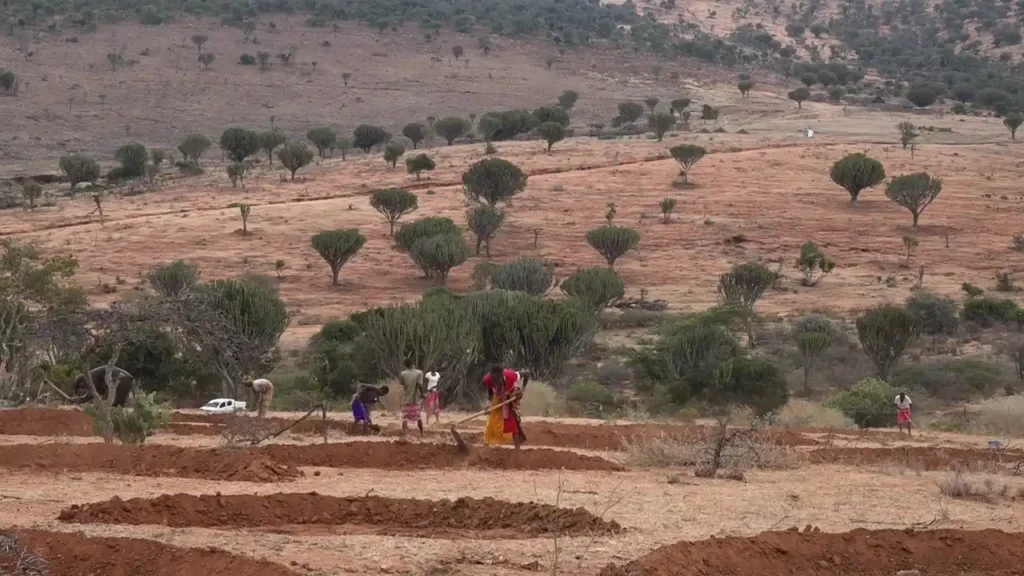
As part of the broader plan, Ruto announced the deployment of 2,000 additional agripreneurs to ASAL counties. These officers will provide last-mile agricultural advisory services, connect pastoralist communities to markets and finance, and support the transition to climate-smart agro-pastoralism.
The new recruits join 5,000 agripreneurs already in place, bringing the national total to 7,000 officers supporting agricultural transformation across the country. The agripreneurs present at the Wajir ceremony were introduced to the crowd by the President.
Context is everything. Stay ahead of shifting trends with today’s market updates, and uncover emerging opportunities using the Serrari Group Market Index and Marketplace. Then, take control of your own financial future by exploring our Money & Life Reset Transformation Blueprint ™ to build stronger habits, create better systems, and design a path toward lasting wealth.
Building on Existing Livestock Interventions
The Ksh 5 billion plan does not start from scratch. It builds on a series of government interventions already under way in the livestock sector. Ruto outlined several that have been implemented since his administration took office, including a restocking programme that has distributed over 52,000 sheep, goats, and cattle to more than 10,000 households across 16 ASAL counties.
Additionally, the government has vaccinated more than 10 million animals, scaled up local vaccine production to over 123 million doses, established feedlots and hay storage facilities, restored more than 305,000 hectares of degraded rangelands, expanded breeding programmes, and strengthened livestock training, marketing, and market infrastructure.
The World Bank has also been active in the sector, fostering private investment opportunities to make pastoralism and livestock keeping more commercially viable. The Horn of Africa has the largest concentration of livestock keepers in the world, with as many as 7 million in Kenya alone.
Export Growth as Evidence of Progress
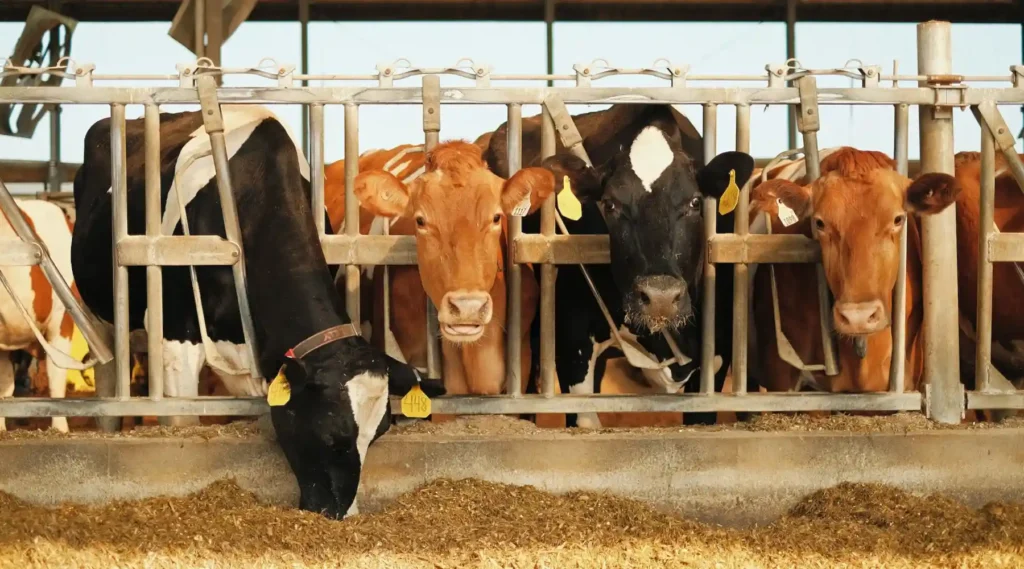
Ruto cited export data as evidence that the interventions are delivering results. Meat exports have risen 84% from Ksh 8.9 billion in 2022 to Ksh 16.4 billion in 2025, according to the President’s address. Milk production has increased from 4.6 billion litres to 5.3 billion litres, while dairy exports have grown from Ksh 4.9 billion to Ksh 14.2 billion.
Independent data from the African Union Inter-African Bureau for Animal Resources shows Kenya’s total meat exports rose from Ksh 11.5 billion in 2022 to Ksh 19 billion in 2023, driven largely by Gulf market demand from the UAE, Saudi Arabia, Oman, Qatar, and Kuwait. The livestock sector contributes approximately 12% to Kenya’s GDP according to KIPPRA’s 2024 Kenya Economic Report, and 40% of the country’s agricultural sector output.
However, challenges remain. Only seven of Kenya’s approximately 1,000 slaughterhouses currently meet global export standards, according to AU-IBAR data. The sector also faces ongoing threats from climate change, prolonged droughts, and weak coordination along the value chain, underscoring the need for the kind of structural investment the Ksh 5 billion plan aims to deliver.
The Bigger Picture
The livestock plan forms part of a sweeping development agenda Ruto outlined at the Wajir celebrations, which also included the Ksh 100 billion Isiolo–Wajir–Mandera highway, Ksh 15.6 billion in affordable housing, the NYOTA youth programme, and education reforms. Taken together, the initiatives signal a deliberate push to integrate Northern Kenya into the national economy — with livestock commercialisation at its centre.
Sources: Capital FM / Kenyans.co.ke / Kahawatungu / AllAfrica / NTV Kenya / The Kenya Times / The Star / Africa Check / ILRI / KenInvest / World Bank
Your financial future isn’t something you wait for—it’s something you build.
The real question is: when do you begin?
Move beyond simply staying informed.
Navigate the markets with clarity—track trends through the Serrari Group Market Index, uncover opportunities in the Serrari Marketplace, and build practical knowledge with our Curated Wealth Builder Platform.
Stay connected to what truly matters.
Get daily insights on macro trends and financial movements across Kenya, Africa, and global markets—delivered through the Serrari Newsletter.
Growth opens doors.
Advance your career through professional programs including ACCA, HESI A2, ATI TEAS 7 , HESI EXIT , NCLEX – RN and NCLEX – PN, Financial Literacy!🌟—designed to move you forward with confidence.
See where money is flowing—clearly and in real time.
Track Money Market Funds, Treasury Bills, Treasury Bonds, Green Bonds, and Fixed Deposits, alongside global and African indexes, key economic indicators, and the evolving Crypto and stablecoin landscape—all within Serrari’s Market Index.