Global oil prices surged after Donald Trump rejected Iran’s latest response to U.S. proposals aimed at ending the Middle East conflict, escalating fears that disruptions to energy supplies through the Strait of Hormuz could continue for months.
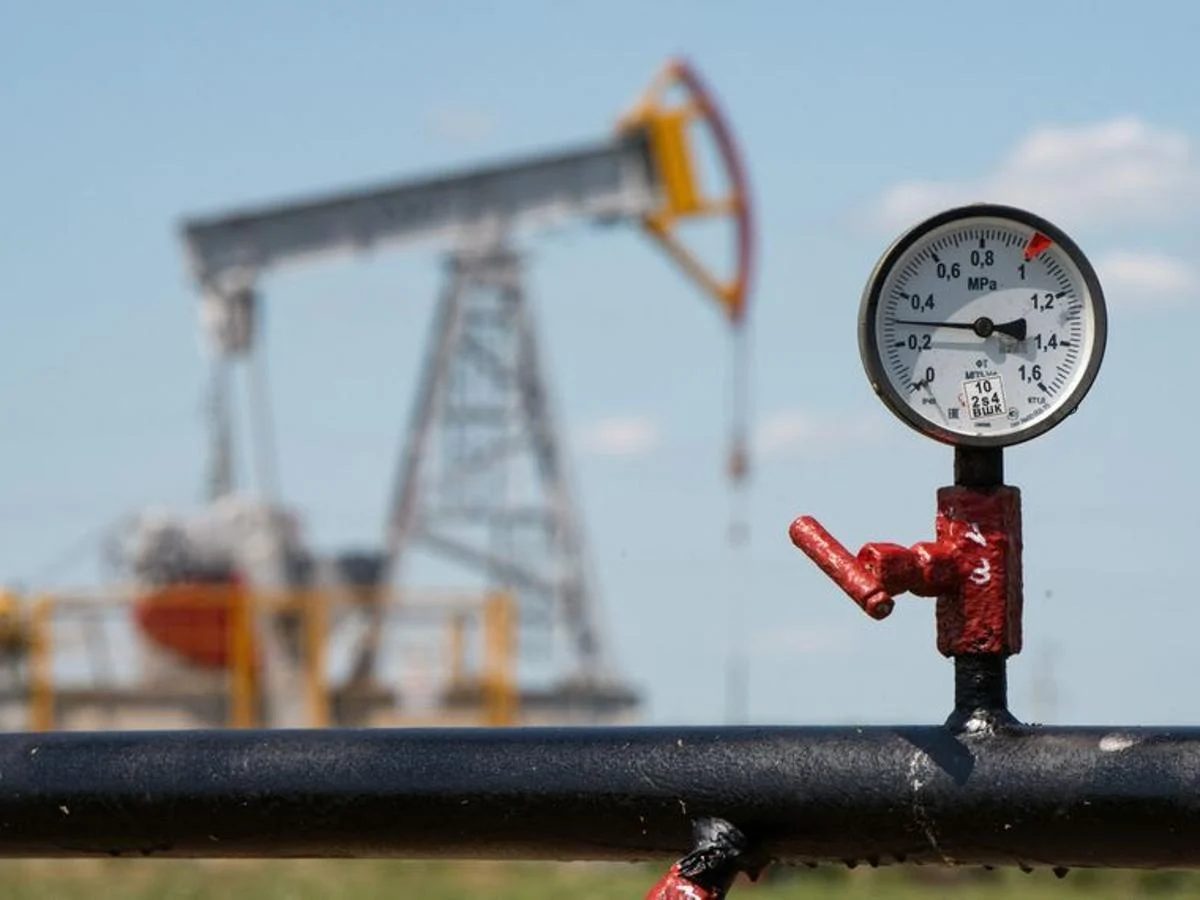
Brent crude briefly climbed more than 4% to above $105 per barrel, while U.S. benchmark West Texas Intermediate also surged sharply as traders reacted to growing uncertainty surrounding the conflict and the future of global oil flows. The Strait of Hormuz—through which roughly 20% of global oil and gas shipments normally pass—has remained effectively shut since the war began earlier this year, severely disrupting global energy markets.
Analysts warn that prolonged shipping disruptions could keep oil and gas prices elevated into next year, increasing inflation risks, raising energy costs for consumers and businesses, and intensifying concerns about global economic stability.
Key Overview
- Brent crude surged above $105 per barrel
- Trump called Iran’s response “totally unacceptable”
- Strait of Hormuz remains effectively closed
- Around 20% of global oil and gas supply normally passes through the strait
- Oil markets fear prolonged supply disruptions into 2027
- Major energy companies including Saudi Aramco, BP, and Shell have reported stronger profits amid higher prices
- Analysts warn elevated energy costs could worsen inflation and economic uncertainty
Oil Prices Jump as Middle East Tensions Escalate
Global oil prices surged after Donald Trump sharply criticized Iran’s latest response to U.S. proposals aimed at ending the ongoing conflict in the Middle East, intensifying fears that disruptions to global energy supplies could continue for an extended period and further destabilize already strained commodity markets.
Trump rejected Tehran’s counterproposal in a post on Truth Social, calling the response “totally unacceptable” after reports indicated that Iran had refused key elements of a proposed ceasefire framework and continued to reject demands surrounding its nuclear programme and regional security conditions.
The remarks immediately triggered volatility across energy and financial markets, as investors reassessed the likelihood of a prolonged geopolitical standoff involving one of the world’s most strategically important energy-producing regions.
International benchmark Brent crude rose by as much as 4%, briefly climbing to $105.50 (£77.60) per barrel before easing slightly later in trading. U.S. benchmark West Texas Intermediate also surged sharply as traders priced in the possibility of extended supply constraints and continued disruption to global shipping flows.
The renewed tensions come despite a fragile ceasefire announced earlier this year to allow time for diplomatic negotiations between the U.S., Iran, and regional actors.
According to reports:
- The U.S. proposal included reopening the Strait of Hormuz
- Washington also sought limitations on Iran’s nuclear activities
- Iran reportedly demanded an immediate end to attacks and refused dismantling of nuclear facilities
The breakdown in negotiations has significantly increased market fears that the conflict could continue disrupting one of the world’s most important energy transit routes, keeping oil and gas prices elevated for longer than previously expected.
Analysts noted that markets are increasingly reacting not only to direct supply disruptions, but also to the growing uncertainty surrounding future diplomatic outcomes, shipping security, and the risk of wider regional escalation.
Markets move fast; don’t get left behind. We’ve paired the Serrari Group Market Index with a curated Marketplace and a comprehensive Wealth Builder Course to ensure you have the data—and the skills—to act on it.
Strait of Hormuz Remains at the Center of Global Energy Risks
A central concern for global markets remains the ongoing disruption in the Strait of Hormuz, one of the world’s most strategically important energy corridors and a critical artery for international oil and gas trade.
Under normal conditions:
- Roughly 20% of global oil and gas shipments pass through the strait
- Approximately 25 million barrels of oil per day transit the route
However, the waterway has remained effectively shut since shortly after the conflict began earlier this year, severely disrupting shipping activity, tightening global energy supplies, and increasing pressure across international commodity markets.
The closure has created major logistical and operational challenges for oil exporters, shipping companies, refiners, and energy-importing nations that depend heavily on Gulf energy flows.
Analysts warn that rerouting such large energy volumes is extremely difficult and cannot happen quickly, particularly given the limited alternative pipeline and shipping capacity available globally.
“Twenty-five percent of oil transited from the strait before the war — that’s around 25 million barrels to reroute. It’s not going to happen overnight,” analysts said.
The disruption has forced exporters and shipping companies to:
- Seek alternative transportation routes
- Delay or reschedule shipments
- Increase storage utilization and inventory management
- Absorb significantly higher insurance and transportation costs
Shipping risks in the Gulf region have also pushed freight rates and insurance premiums sharply higher, adding further pressure to global energy prices and supply chains.
Energy analysts increasingly believe oil markets are now pricing in the possibility of prolonged supply tightness extending well into the second half of the year and potentially into 2027 if diplomatic progress remains limited.
The situation has also intensified broader concerns around global energy security, particularly for heavily import-dependent economies across Europe and Asia that remain vulnerable to external supply shocks.
Higher Oil Prices Raise Inflation and Economic Concerns
The sharp rise in oil prices is also reviving broader concerns about inflation, energy affordability, and global economic stability, particularly at a time when many economies are already facing slowing growth and elevated borrowing costs.
Higher energy prices typically feed through into:
- Transportation and logistics costs
- Manufacturing and industrial expenses
- Consumer fuel prices
- Electricity and heating costs
This can place additional pressure on central banks already struggling to balance inflation control with weakening economic activity and growing concerns over consumer spending.
Analysts warn that if oil prices remain elevated for an extended period, the impact could spread across multiple sectors of the global economy, affecting everything from food prices and airline costs to industrial production and consumer confidence.
Market analysts said prolonged supply disruptions could create a more difficult operating environment for consumers, businesses, and governments worldwide.
“With the crisis now into the 11th week, consumers, companies and countries are having to adapt to a world of constrained supplies,” analysts said.
The market reaction extended well beyond oil markets.
In the United Kingdom:
- Government borrowing costs rose amid renewed inflation concerns
- Bond yields increased as investors reassessed future interest rate expectations
European stock markets also reacted unevenly:
- Energy companies including BP and Shell gained on higher oil prices
- Broader equity indices in France and Germany declined amid economic uncertainty and concerns about higher energy costs
Meanwhile, Asian markets delivered mixed performances as investors weighed rising commodity prices against broader geopolitical and economic risks.
The continued volatility highlights how closely global financial markets remain tied to developments in energy markets and geopolitical stability, particularly when disruptions involve critical supply routes such as the Strait of Hormuz.
Context is everything. While you follow today’s updates, use the Serrari Group Market Index and Marketplace to spot emerging shifts. Need to sharpen your edge? Our Wealth Builder Course turns these insights into a professional-grade strategy.
Energy Companies Benefit From Price Surge
While consumers, manufacturers, and governments face mounting energy costs, major global oil producers are benefiting from the sustained increase in crude oil and natural gas prices caused by ongoing geopolitical instability in the Middle East.
Higher commodity prices have significantly boosted revenues and profitability across the energy sector, particularly for large integrated oil and gas companies with strong upstream production operations and global export capacity.
Saudi Aramco recently reported that first-quarter earnings increased by more than 25% year-over-year, supported by elevated crude prices, stronger export revenues, and continued global supply disruptions.
Aramco CEO Amin Nasser said the company’s extensive pipeline infrastructure had become a “critical supply artery” helping offset some shipping disruptions caused by the conflict and partial closure of the Strait of Hormuz.
The company’s ability to redirect and manage portions of its exports through alternative routes has helped maintain some supply flows despite broader regional instability.
Other major energy companies have also reported significantly stronger financial performance:
- BP said first-quarter profits more than doubled
- Shell also reported strong earnings growth amid higher oil and gas prices
The surge in profitability highlights how geopolitical instability continues to reshape global commodity markets and energy trade flows, often benefiting large producers while increasing costs for energy-importing economies and consumers.
Analysts note that sustained high prices could also encourage additional investment in oil and gas production globally, particularly in regions seeking to strengthen domestic energy security and reduce exposure to volatile international supply routes.
Outlook: Markets Brace for Prolonged Energy Volatility
Oil markets are likely to remain highly volatile in the coming months as investors continue monitoring diplomatic developments, shipping disruptions, and the broader geopolitical situation in the Middle East.
Market sentiment is expected to remain highly sensitive to any developments involving ceasefire negotiations, military activity, or shipping conditions in the Gulf region.
In the near term, attention will focus on:
- Potential reopening of the Strait of Hormuz
- Progress or collapse of ceasefire negotiations
- Additional disruptions to oil and LNG shipments
- Reactions from major oil-importing economies including China
- Supply responses from major producers and OPEC members
Analysts warn that even temporary disruptions to Gulf shipping routes can have outsized impacts on global energy prices due to the region’s central role in international oil and gas exports.
Over the longer term, prolonged supply disruptions could accelerate broader shifts in global energy strategy, including:
- Increased diversification of energy supply routes
- Expansion of strategic petroleum reserves
- Faster investment in renewable and alternative energy
- Greater emphasis on energy security and domestic production
Governments and businesses may also increasingly prioritize supply chain resilience and reduced dependence on geopolitically vulnerable energy corridors.
At the same time, persistently high oil prices could create renewed inflationary pressure globally, complicating monetary policy decisions and slowing economic recovery efforts in major economies.
Ultimately, the latest oil price surge underscores how geopolitical tensions in key energy-producing regions continue to have immediate and far-reaching consequences for global inflation, financial markets, energy security, industrial activity, and broader economic stability.
Your financial future isn’t something you wait for—it’s something you build.
The real question is: when do you begin?
Move beyond simply staying informed.
Navigate the markets with clarity—track trends through the Serrari Group Market Index, uncover opportunities in the Serrari Marketplace, and build practical knowledge with our Curated Wealth Builder Course.
Stay connected to what truly matters.
Get daily insights on macro trends and financial movements across Kenya, Africa, and global markets—delivered through the Serrari Newsletter.
Growth opens doors.
Advance your career through professional programs including ACCA, HESI A2, ATI TEAS 7 , HESI EXIT , NCLEX – RN and NCLEX – PN, Financial Literacy!🌟—designed to move you forward with confidence.
See where money is flowing—clearly and in real time.
Track Money Market Funds, Treasury Bills, Treasury Bonds, Green Bonds, and Fixed Deposits, alongside global and African indexes, key economic indicators, and the evolving Crypto and stablecoin landscape—all within Serrari’s Market Index.