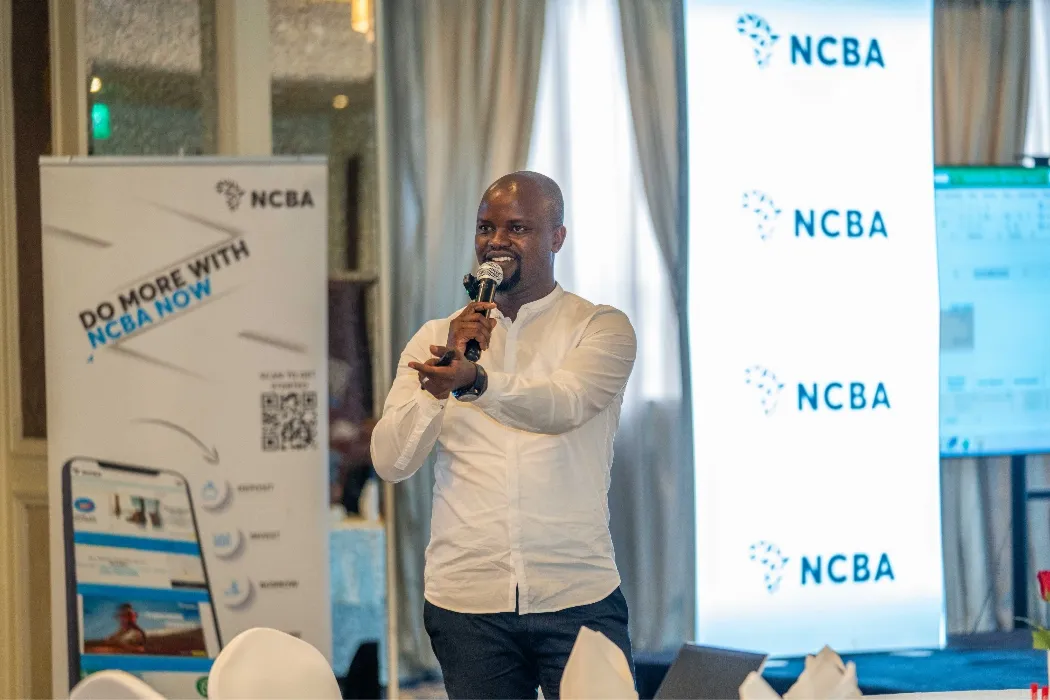
On April 22, 2026, NCBA Bank announced the launch of its “Easy-Build” solution, a transformative property finance product designed to bring formal structure to Kenya’s fragmented self-construction market. With 68% of Kenyans preferring to build their own homes rather than purchase completed units, the bank is addressing a critical gap in the real estate sector. Easy-Build integrates structured financing—offering loans starting from KES 3 million with repayment periods up to 25 years—with end-to-end professional oversight. This “Ubuntu-driven” strategy aims to mitigate the prevalent risks of construction fraud, cost overruns, and substandard materials that have historically plagued owner-builders, particularly those in the diaspora. By partnering with architects, quantity surveyors, and engineers, NCBA is positioning itself as the primary architect of a new, trusted homebuilding ecosystem.
Key Overview
- Market Dominance: According to the KBA Housing Survey 2025, nearly seven out of ten Kenyan homeowners opt for self-construction over ready-made mortgages.
- The Housing Deficit: Kenya faces a shortfall of 2 million units, with an annual demand of 250,000 homes against a supply of only 50,000.
- Financial Flexibility: Easy-Build provides facilities with a 1% fee for local currency and 1.5% for foreign currency, accommodating the specific needs of the “Emerging Affluent” and diaspora investors.
- Professional Safeguards: The solution provides a pre-vetted pool of consultants (Architects, Structural Engineers, and Quantity Surveyors) to ensure quality control from groundbreaking to handover.
- Ubuntu Strategy: The initiative aligns with NCBA’s 2026 corporate theme of financial wellness and “Meet, Mingle and Money Talks” engagements, targeting young professionals.
Markets move fast; don’t get left behind. We’ve paired the Serrari Group Market Index with a curated Marketplace and a comprehensive Wealth Builder Platform to ensure you have the data—and the skills—to act on it.
Foundations of Trust: The Rise of Professionalized Self-Build in East Africa
The Kenyan dream of homeownership has long been a story of “pole pole”—the Swahili term for “slowly.” For decades, the typical path to owning a home involved purchasing a plot of land and building it brick-by-brick over several years, often funded by sporadic savings and informal “chamas.” However, this traditional method has frequently turned into a nightmare of stalled projects, family disputes over funds, and architectural failures.
NCBA’s introduction of the Easy-Build solution on April 22, 2026, marks the first time a major tier-one bank has fully leaned into the “owner-builder” reality with a product that treats construction not as a risky outlier, but as the market’s primary engine.
The 68% Reality: Why Kenyans Build for Themselves
The 2025 Kenya Bankers Association (KBA) Housing Survey revealed a profound shift in consumer behavior. Despite the government’s heavy push for affordable housing projects and large-scale developer units, 68% of Kenyans still choose the self-build route. The motivations are deeply personal:
- Customization: Standardized apartments in Nairobi’s high-density areas often fail to meet the cultural and lifestyle needs of larger families or those seeking suburban serenity.
- Cost Control: Buying a finished unit often includes a developer’s premium of 20% to 30%. Building personally allows for a “pay-as-you-go” approach that fits the cash flow of entrepreneurs and professionals.
- Land Value: With land prices in suburban areas outside Nairobi (like Kamulu, Joska, and Ngong) rising by an average of 6.3% annually, many Kenyans secure land first as an asset and build later.
Addressing the “Trust Deficit” in the Diaspora
One of the most significant pillars of the Easy-Build strategy is its focus on the Kenyan diaspora. Remittances to Kenya reached record highs in early 2026, with a substantial portion earmarked for real estate. Yet, the horror stories of relatives mismanaging construction funds or contractors disappearing with money have historically suppressed this investment.
Dennis Njau, Group Director of Retail Banking at NCBA, noted that “Trust is the currency of the construction sector.” For a Kenyan living in London or Dubai, the inability to physically inspect a site in Kitengela or Eldoret is a massive barrier. Easy-Build solves this by moving the oversight from “untrusted agents” to “vetted professionals.” The bank’s pool of consultants—architects, quantity surveyors, and structural engineers—acts as a third-party validator, ensuring that the bank only releases funds (milestone-based disbursements) when specific construction stages are verified.
The Technical Framework of Easy-Build
NCBA has designed Easy-Build to be more than a simple loan; it is a “construction management” tool. The features include:
- Minimum Loan Threshold: Entry begins at KES 3,000,000, ensuring the bank targets serious, high-quality residential builds.
- Repayment Terms: Flexible periods extending up to 25 years, significantly lowering the monthly burden compared to traditional 10-year construction loans.
- Pre-Approved Designs: To help clients who are overwhelmed by the planning stage, the bank offers a catalog of pre-approved house designs. This not only speeds up the approval process with local authorities but also ensures the final property has a predictable valuation.
- Property Appreciation: By using professional services, the “instant appreciation” of the property upon completion is significantly higher than that of informal builds, which often suffer from “poor finishing” that devalues the asset.
Context is everything. While you follow today’s updates, use the Serrari Group Market Index and Marketplace to spot emerging shifts. Need to sharpen your edge? Our Wealth Builder Platform turns these insights into a professional-grade strategy.
The Macroeconomic Context: 2026 Housing Crisis
The launch of Easy-Build comes at a time when Kenya’s housing deficit has reached a staggering 2 million units. The national urban population is growing at 4% annually, yet the formal market only delivers about 50,000 homes a year—most of which are concentrated in the high-end apartment sector.
Data from the 2024 Construction Industry Outlook (CIO) highlights a critical shortage of professionals that Easy-Build seeks to bridge. The ratio of licensed engineers to the population in Kenya is roughly 1:12,118—far below the UNESCO-recommended 1:5,000. By centralizing a “pool of experts,” NCBA ensures that its clients have priority access to the limited number of qualified professionals in the country, effectively “skipping the queue” of a congested industry.
From Mortgages to “Project Finance”
The banking industry in East Africa is undergoing a metamorphosis. For years, banks were focused on the “mortgage”—the financing of an already-existing asset. However, with mortgage rates lingering between 14% and 16% in 2026, many buyers find completed homes unaffordable.
Easy-Build shifts the focus to “Project Finance.” By financing the creation of the asset, the bank allows the customer to build equity as they go. This model is particularly attractive to the “Emerging Affluent”—young professionals who may not have KES 15 million for a finished maisonette in a gated community but have the income to service a KES 5 million construction loan over time.
The “Ubuntu” Strategy: Beyond the Balance Sheet
NCBA’s “Ubuntu” corporate strategy emphasizes the interconnectedness of the bank and the community. This is manifest in the “Meet, Mingle and Money Talks” series, which serves as the educational arm of the Easy-Build launch.
Financial literacy is a key hurdle in the construction market. Many homeowners do not understand “hard costs” vs. “soft costs” or why VAT relief on materials (which can save up to 11% on total project costs) is often lost due to poor accounting. Through these engagements, NCBA is educating its young clientele on how to navigate the bureaucratic regulatory procedures of the National Construction Authority (NCA) and county governments.
Challenges to Overcome: The “Hidden” Costs
Despite the structure of Easy-Build, the 2026 construction landscape remains challenging. Supply chain disruptions have kept the prices of steel, clinker, and finishing products elevated.
- Regulatory Delays: While NCBA provides the financing, the “Approval Delay” from local governments remains a bottleneck.
- Material Quality: The market is still plagued by subpar materials. NCBA’s reliance on Quantity Surveyors is designed to catch these discrepancies before they are embedded in the structure.
The Future of Property Finance in Kenya
As NCBA rolls out Easy-Build across its branch network, the expected impact on the real estate market is two-fold. First, it will likely force other tier-one banks to move away from rigid mortgage products and toward more flexible construction-based lending. Second, it will contribute to the “de-slumming” of suburban areas. When people build without professional oversight, they often create “informal permanent structures” that lack proper drainage and road access. By requiring professional site plans and engineering, NCBA is indirectly improving the quality of Kenya’s suburban urban planning.
Conclusion: A New Blueprint for Homeownership
The NCBA Easy-Build solution is a recognition that the “Kenyan Way” of building is not a problem to be solved by forcing people into mortgages, but an opportunity to be formalised through better structure. By removing the “hidden construction expenses” and providing a shield against fraud, the bank is turning the stressful process of self-building into a manageable professional project.
In the words of Philip Omondi, Head of Property Finance at NCBA, this is about “bringing structure and trust to home building.” As the 2026 real estate market continues to evolve, those who can offer “certainty” in an uncertain construction environment will ultimately win the loyalty of the Kenyan homeowner. For the diaspora and the local professional alike, the message is clear: you no longer have to build alone.
Your financial future isn’t something you wait for—it’s something you build.
The real question is: when do you begin?
Move beyond simply staying informed.
Navigate the markets with clarity—track trends through the Serrari Group Market Index, uncover opportunities in the Serrari Marketplace, and build practical knowledge with our Curated Wealth Builder Platform.
Stay connected to what truly matters.
Get daily insights on macro trends and financial movements across Kenya, Africa, and global markets—delivered through the Serrari Newsletter.
Growth opens doors.
Advance your career through professional programs including ACCA, HESI A2, ATI TEAS 7 , HESI EXIT , NCLEX – RN and NCLEX – PN, Financial Literacy!🌟—designed to move you forward with confidence.
See where money is flowing—clearly and in real time.
Track Money Market Funds, Treasury Bills, Treasury Bonds, Green Bonds, and Fixed Deposits, alongside global and African indexes, key economic indicators, and the evolving Crypto and stablecoin landscape—all within Serrari’s Market Index.