Global renewable energy capacity surged by 692 GW in 2025, reaching a total of 5,149 GW and accounting for the majority of new power additions. The growth, led by solar and wind, reflects strong market demand and increasing resilience amid global energy uncertainty. As geopolitical tensions expose vulnerabilities in fossil fuel systems, renewable energy is emerging as a more stable, scalable, and cost-effective solution for long-term energy security.
Key Overview
-Global renewable capacity reached 5,149 GW in 2025
–Record 692 GW added, marking a 15.5% annual increase
-Renewables accounted for 85.6% of total capacity expansion
–Solar and wind dominated growth, contributing 96.8% of additions
The year 2025 marked a defining moment for the global energy transition, with renewable power capacity reaching an unprecedented 5,149 gigawatts (GW). This milestone was driven by the addition of 692 GW within a single year, representing a 15.5% increase in total capacity.
This level of expansion is not only significant in absolute terms but also indicative of a sustained acceleration in renewable energy deployment. Compared to previous years, the pace of growth continues to build momentum, suggesting that renewables are no longer a secondary component of energy systems but a central pillar of global electricity generation.
The scale of this increase highlights how rapidly the energy landscape is evolving. What was once considered an emerging sector has now become the dominant force in capacity expansion, reshaping how countries plan and invest in their energy futures.
Markets move fast; don’t get left behind. We’ve paired the Serrari Group Market Index with a curated Marketplace and a comprehensive Wealth Builder Course to ensure you have the data—and the skills—to act on it.
Renewables Dominate Global Capacity Expansion
One of the most striking findings from the latest data is the overwhelming dominance of renewable energy in new capacity additions. In 2025, renewables accounted for 85.6% of total capacity expansion, far surpassing contributions from fossil fuels and other non-renewable sources. This level of dominance reflects not just strong growth, but a decisive shift in how new power generation capacity is being built globally.
This shift underscores a deeper structural transformation in the global energy system. Rather than growing incrementally alongside traditional energy sources, renewables are now setting the pace and direction of expansion. They are increasingly becoming the default choice for new energy investments, driven by cost competitiveness, policy support, and technological advancements.
The relatively smaller share of non-renewables further emphasizes how rapidly the global energy mix is evolving. Investments are steadily being redirected toward cleaner technologies, reflecting both economic considerations—such as declining costs—and environmental priorities linked to climate commitments. This transition signals a long-term rebalancing of the energy system, where renewables are expected to play a central and dominant role.
Energy Security in a Volatile Global Landscape
Geopolitical tensions have once again brought energy security into sharp focus. Escalation in the Middle East has raised concerns about supply disruptions and fossil fuel price volatility, highlighting the inherent risks associated with reliance on global fuel markets. These risks are not new, but recent developments have reinforced their significance in shaping energy policy and investment decisions.
In this context, renewable energy is gaining recognition as a more resilient and dependable alternative. Unlike fossil fuels, renewable sources are largely domestically generated, reducing dependence on imports and limiting exposure to international price fluctuations. This localized nature of renewable energy production provides countries with greater control over their energy systems.
This shift is not only about sustainability but also about stability and long-term economic resilience. Countries that invest in renewable energy are better positioned to manage external shocks, maintain a consistent energy supply, and reduce vulnerability to global market disruptions. As a result, energy security is increasingly becoming a key driver of the renewable energy transition.
A Strong Case for Renewable Resilience
The continued growth of renewable energy, even amid global uncertainty, reinforces its role as a resilient component of modern energy systems. According to IRENA Director-General Francesco La Camera, the steady expansion of renewables reflects strong market demand and highlights the structural advantages of decentralized energy systems. These systems are designed to be more flexible and adaptive compared to traditional centralized models.
He emphasized that energy systems with a higher share of renewables and broader participation from multiple market players are inherently more robust. Such systems are less vulnerable to large-scale disruptions and are better able to adapt to changing economic and environmental conditions.
Countries that have already invested in the energy transition are beginning to experience these benefits. They are better insulated from economic shocks, while also enhancing energy security and strengthening long-term competitiveness. This reinforces the idea that renewable energy is not only an environmental necessity but also a strategic asset in an increasingly uncertain global landscape.
Solar and Wind Lead the Transition
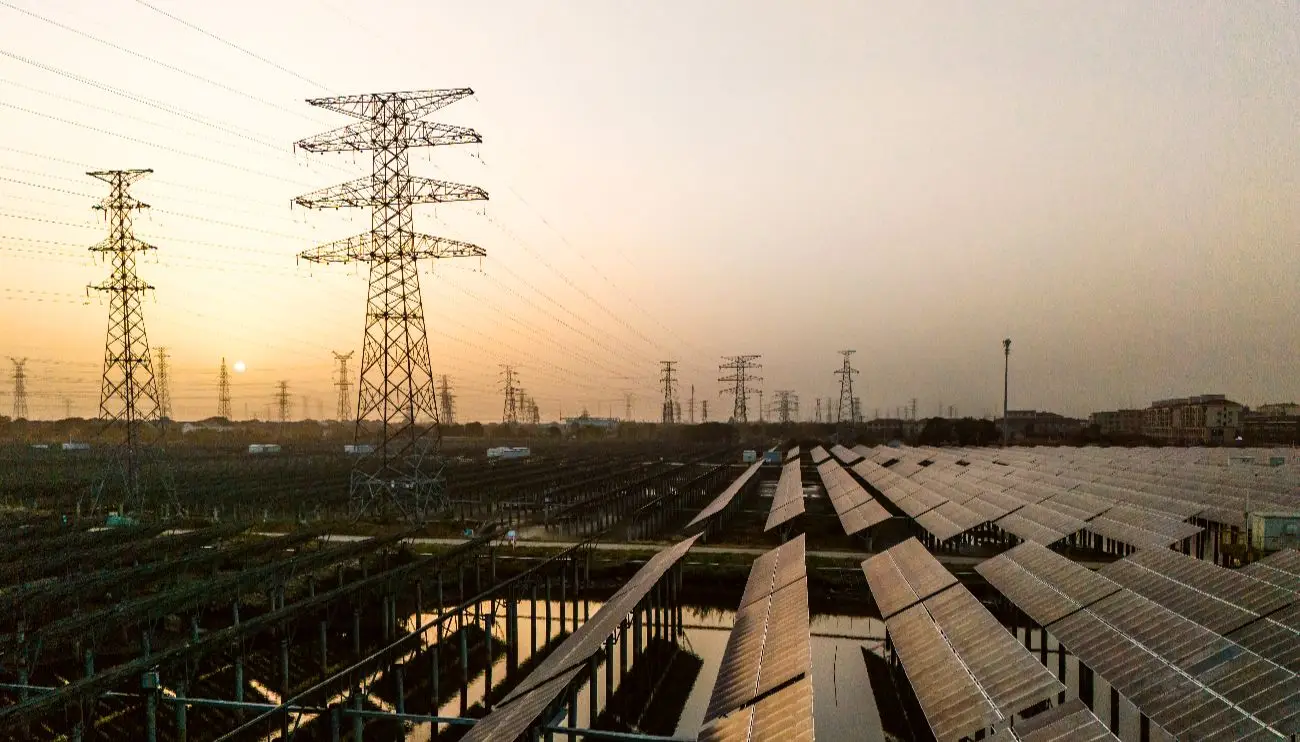
Solar energy continues to be the primary driver of renewable growth, maintaining its position as the leading technology in the global energy transition. In 2025, solar additions reached 511 GW, accounting for approximately 75% of total renewable capacity expansion. This dominant contribution highlights the scale at which solar energy is being deployed worldwide.
This dominance reflects several key factors, including the rapid decline in solar costs, its scalability, and its ability to be deployed across diverse geographic regions. Solar photovoltaics, in particular, accounted for nearly all solar capacity additions, reinforcing its central role in expanding renewable energy systems.
Wind energy followed as the second-largest contributor, adding 159 GW over the same period. Together, solar and wind accounted for 96.8% of all net renewable additions, underscoring their combined importance in driving the global transition.
Other technologies, such as bioenergy and hydropower, continue to play a supporting role by contributing to diversification within the renewable energy mix. While their growth is more modest, they remain important for balancing energy systems and addressing specific regional needs.
Context is everything. While you follow today’s updates, use the Serrari Group Market Index and Marketplace to spot emerging shifts. Need to sharpen your edge? Our Wealth Builder Course turns these insights into a professional-grade strategy.
Regional Growth and Persistent Disparities
While global renewable energy growth has been strong, it remains uneven across regions, highlighting persistent disparities in capacity development. Asia continues to dominate renewable energy expansion, contributing 74.2% of all new capacity additions in 2025. This reflects the region’s scale, investment capacity, and policy focus on clean energy.
The region added 513.3 GW, representing a growth rate of 21.6% and reinforcing its position as the global leader in renewable deployment. This level of expansion demonstrates how certain regions are moving ahead rapidly in the energy transition.
Africa also recorded its highest-ever increase, growing by 15.9% and adding 11.3 GW. This growth, driven by countries such as Ethiopia, South Africa, and Egypt, indicates rising momentum across the continent, although from a smaller base.
The Middle East experienced the fastest growth rate at 28.9%, led by Saudi Arabia, reflecting increasing investment in renewable energy even in traditionally fossil fuel-dependent regions.
Despite these gains, disparities remain significant, emphasizing the need for more balanced investment and policy support to ensure a more inclusive global energy transition.
Global Capacity Distribution and Inequality
In terms of total installed capacity, Asia maintains a dominant position with 2,891 GW, followed by Europe with 934 GW. These figures highlight the concentration of renewable energy infrastructure in specific regions.
At the lower end of the spectrum, Central America and the Caribbean recorded just 21 GW in total capacity, illustrating the uneven distribution of renewable energy resources globally. This disparity reflects differences in investment levels, policy frameworks, and access to technology.
Such imbalances present a significant challenge for the global energy transition. Regions with limited renewable capacity are more exposed to energy price volatility and less able to benefit from the economic and environmental advantages of clean energy.
Addressing this inequality will be essential for achieving a more balanced and inclusive transition, ensuring that all regions can participate in and benefit from the shift toward renewable energy.
Technology Trends Reinforce Momentum
Solar energy remained the dominant force, with solar photovoltaics accounting for 510.3 GW out of the total 511.2 GW of solar additions in 2025. This near-total dominance underscores the central role of solar PV in global energy expansion.
Renewable hydropower (excluding pumped storage) added 18.4 GW during the year, with 96% of this increase driven by China. Other contributors included Ethiopia, India, Tanzania, Bhutan, Viet Nam, Canada, Austria, Indonesia, and Nepal, each adding more than 0.5 GW.
Wind energy also recorded strong growth, with capacity increasing by 14% compared to 2024. Total additions reached 158.7 GW, with China accounting for nearly three-quarters of the expansion at 119.4 GW, while India contributed an additional 6.3 GW.
Bioenergy capacity increased by 3.4 GW, led by Japan, which more than doubled its expansion compared to the previous year by adding 1.1 GW. China followed with 0.8 GW, while Brazil contributed 0.6 GW.
Geothermal energy continued to grow at a steady pace of 1.7%, adding 0.3 GW in 2025. The Philippines and Indonesia each contributed 0.1 GW, followed by smaller additions from Germany, Türkiye, and Japan.
Off-grid electricity capacity also expanded by 1.7 GW, largely driven by solar power, which accounted for 1.5 GW of the increase. Bioenergy technologies contributed an additional 0.2 GW, highlighting the role of decentralized solutions in expanding energy access.
Renewables Approach Half of Global Electricity Capacity
Renewable energy accounted for 49.4% of global electricity capacity in 2025, up from 46.3% the previous year. This milestone reflects the rapid acceleration of renewable deployment and its growing role in global energy systems.
The increase highlights how close renewables are to achieving parity with traditional energy sources. This represents a significant shift in the structure of global electricity generation, with renewables moving from a supplementary role to a central one.
The contrast with fossil fuel growth is particularly notable. While renewables added 692 GW, fossil fuels increased by just 116 GW, underscoring the changing priorities in energy investment and development.
This widening gap signals a long-term transition toward cleaner energy systems, driven by both economic and environmental considerations.
Progress Toward 2030 Climate Targets
The surge in renewable capacity brings the world closer to achieving global climate targets. More than 100 countries have committed to tripling renewable capacity by 2030, and current growth trends suggest that this goal is increasingly attainable.
However, maintaining this momentum will be essential. Experts estimate that annual growth rates of around 16.6% will be required between 2025 and 2030 to fully meet the target, slightly above current levels.
This highlights the importance of sustained investment, supportive policy frameworks, and continued technological innovation. Without these elements, the pace of growth could slow, making it more difficult to achieve long-term climate objectives.
Outlook: A More Resilient Energy Future
The developments in 2025 highlight a fundamental transformation in global energy systems. Renewable energy is no longer an alternative—it is becoming the foundation of future energy infrastructure.
As geopolitical tensions and market volatility continue to shape the global energy landscape, the resilience offered by renewables is becoming increasingly valuable. Countries that invest in clean energy are not only advancing climate goals but also strengthening economic stability and energy independence.
Looking ahead, the key challenge will be to sustain this momentum while addressing regional disparities and ensuring that all economies can participate in the transition.
Ultimately, the near-700 GW surge in renewable capacity is more than just a record—it is a clear signal that the global energy system is moving toward a more sustainable, secure, and resilient future.
Your financial future isn’t something you wait for—it’s something you build.
The real question is: when do you begin?
Move beyond simply staying informed.
Navigate the markets with clarity—track trends through the Serrari Group Market Index, uncover opportunities in the Serrari Marketplace, and build practical knowledge with our Curated Wealth Builder Course.
Stay connected to what truly matters.
Get daily insights on macro trends and financial movements across Kenya, Africa, and global markets—delivered through the Serrari Newsletter.
Growth opens doors.
Advance your career through professional programs including ACCA, HESI A2, ATI TEAS 7 , HESI EXIT , NCLEX – RN and NCLEX – PN, Financial Literacy!🌟—designed to move you forward with confidence.
See where money is flowing—clearly and in real time.
Track Money Market Funds, Treasury Bills, Treasury Bonds, Green Bonds, and Fixed Deposits, alongside global and African indexes, key economic indicators, and the evolving Crypto and stablecoin landscape—all within Serrari’s Market Index.