Countries across the European Economic Area and Switzerland have committed nearly €200 billion toward electric vehicle manufacturing, battery production, and charging infrastructure as Europe accelerates efforts to strengthen its EV industry and reduce dependence on Chinese supply chains.
According to data from New Automotive, investments include approximately €109 billion for battery supply chains, €60 billion for EV manufacturing, and between €23 billion and €46 billion for public charging infrastructure. Europe now produces batteries for roughly one in three EVs sold domestically, while more than 1 million public charging points have already been deployed across the region.
The investment surge highlights Europe’s attempt to build a competitive and resilient EV ecosystem amid growing global competition, particularly from China, which currently manufactures more than 80% of the world’s batteries. However, analysts warn that Europe’s long-term success will depend heavily on policy stability, energy costs, and the pace at which announced projects are fully implemented.
Key Overview
- Europe commits nearly €200B to EV ecosystem investments
- €109B allocated to battery supply chains
- €60B invested in EV manufacturing
- Between €23B–€46B directed toward charging infrastructure
- Europe has deployed over 1 million public chargers
- China still produces more than 80% of global batteries
- Germany accounts for nearly 25% of regional EV investment
- Investments already support more than 150,000 jobs
Europe Accelerates EV Investment Push
Countries across the European Economic Area and Switzerland have committed almost €200 billion toward building a larger and more competitive electric vehicle ecosystem, according to new data from New Automotive. The investments span battery production, EV manufacturing, charging infrastructure, and broader supply chain development as Europe seeks to strengthen industrial competitiveness and accelerate the transition toward electric mobility.
The scale of investment reflects growing urgency across Europe to reduce dependence on external supply chains—particularly those dominated by China—while supporting domestic automotive manufacturing during one of the industry’s largest technological transitions in decades.
The commitments include:
- €109 billion focused on battery supply chains
- Approximately €60 billion directed toward EV manufacturing
- Between €23 billion and €46 billion allocated to public charging infrastructure
The investments cover both new greenfield facilities and the conversion of legacy automotive plants into EV production centers, helping traditional manufacturers adapt existing operations for electric vehicle manufacturing.
Researchers said the expansion demonstrates that Europe is increasingly treating electric mobility not only as a climate initiative, but also as a strategic industrial and economic priority.
Markets move fast; don’t get left behind. We’ve paired the Serrari Group Market Index with a curated Marketplace and a comprehensive Wealth Builder Course to ensure you have the data—and the skills—to act on it.
Battery Supply Chains Become a Strategic Focus
The largest share of Europe’s investment pipeline has been directed toward battery manufacturing and supply chains, reflecting the growing importance of battery production in determining long-term competitiveness within the global EV market.
According to the report:
- Approximately €109 billion has already been committed to battery-related investments
The focus comes as Europe attempts to reduce dependence on Chinese battery manufacturers, which currently dominate global production capacity.
According to the International Energy Agency:
- China manufactured more than 80% of all batteries produced globally in 2025
This dominance extends beyond electric vehicles into broader energy storage and industrial battery markets, giving China significant influence over global clean energy supply chains.
Despite this imbalance, Europe has made meaningful progress in expanding domestic battery production capacity.
“Europe now produces batteries for roughly one in three EVs sold domestically, and announced capacity could meet future demand if fully utilised,” New Automotive stated.
Much of the investment has focused on:
- Gigafactory construction
- Battery materials processing
- Supply chain localization
- Partnerships between automakers and battery manufacturers
The goal is to create a more resilient regional battery ecosystem capable of supporting Europe’s growing EV market while reducing exposure to geopolitical and supply chain risks.
Legacy Automakers Transition Toward EV Manufacturing
Europe has also committed approximately €60 billion toward EV manufacturing, with much of the spending concentrated on transforming existing automotive plants for electric vehicle production.
Rather than building entirely new facilities, many manufacturers are repurposing legacy factories that previously produced internal combustion engine vehicles.
The transition reflects broader changes across the European automotive industry as manufacturers attempt to balance:
- Electrification investments
- Cost management
- Workforce retention
- Industrial competitiveness
The investments include:
- EV assembly plants
- Platform conversion projects
- Software and powertrain integration facilities
- Supply chain modernization initiatives
Researchers said Europe’s long-established automotive manufacturing base gives the region an advantage in scaling EV production if investment pipelines are successfully executed.
However, analysts also warn that European manufacturers continue to face pressure from:
- Lower-cost Chinese competitors
- High energy prices
- Regulatory uncertainty
- Slowing EV demand growth in some markets
Charging Infrastructure Expansion Accelerates
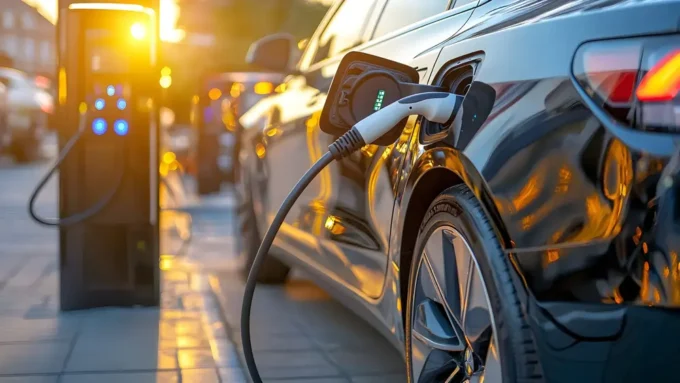
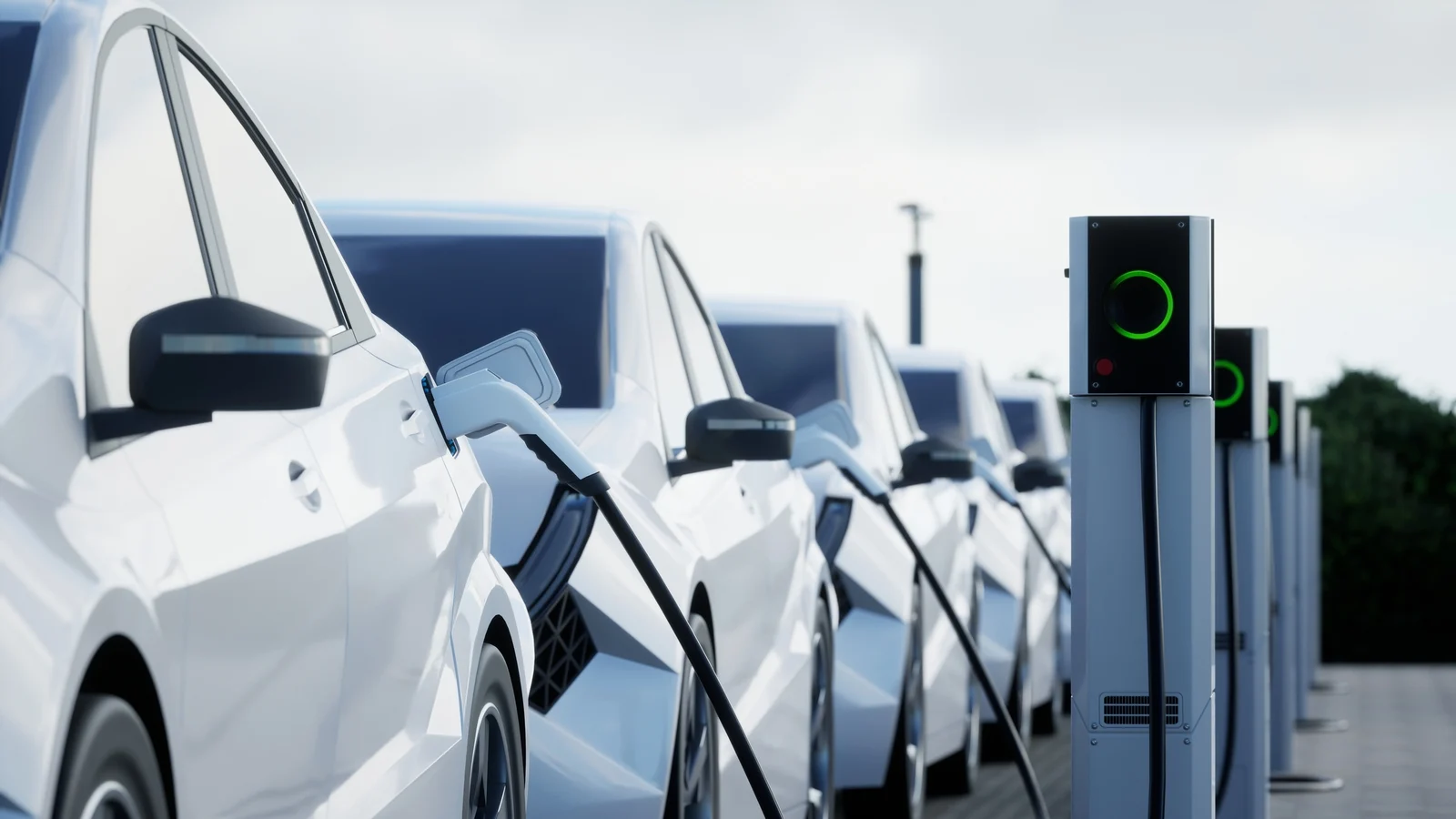
A major portion of investment has also gone toward expanding public charging infrastructure across Europe, which remains one of the most critical components of EV adoption.
According to the report:
- Between €23 billion and €46 billion has been invested in charging infrastructure rollouts
- More than 1 million public charging points have already been deployed across Europe
- Over €3.5 billion has been invested specifically in charging equipment manufacturing
The rapid expansion of charging networks is viewed as essential for:
- Supporting long-distance EV travel
- Reducing range anxiety among consumers
- Encouraging broader EV adoption
- Supporting fleet electrification
Governments and private sector companies have increasingly collaborated on charging deployment, particularly along major transportation corridors and urban centers.
However, experts note that infrastructure gaps remain in several regions, particularly in rural and lower-income areas where charging density remains relatively low.
Context is everything. While you follow today’s updates, use the Serrari Group Market Index and Marketplace to spot emerging shifts. Need to sharpen your edge? Our Wealth Builder Course turns these insights into a professional-grade strategy.
Germany Emerges as Europe’s EV Investment Hub
The report highlighted significant regional disparities in investment distribution, with Germany accounting for nearly a quarter of Europe’s total EV investment commitments, making it the region’s largest hub for electric vehicle and battery-related industrial activity.
According to New Automotive:
“The country anchors both domestic production and wider European value chains, with leading OEMs transitioning at scale alongside major international battery manufacturers.”
Germany’s strong position reflects several structural advantages, including:
- Its large and established automotive manufacturing base
- The presence of major global automakers and OEMs
- Mature supplier and industrial ecosystems
- Significant engineering and industrial infrastructure
The country has become a focal point for:
- EV assembly plant conversions
- Battery gigafactory investments
- Supply chain localization projects
- Automotive software and powertrain development
Germany’s dominance also reflects the broader importance of its automotive industry within the European economy, where major manufacturers are rapidly transitioning production lines from combustion-engine vehicles toward electric mobility platforms.
Other major beneficiaries of investment include:
- France
- Spain
Both countries have attracted substantial investments in EV manufacturing, battery production, and charging infrastructure as governments seek to strengthen domestic industrial competitiveness and secure long-term automotive employment.
The concentration of investment also reflects longstanding patterns within Europe’s automotive sector, where production has historically been centered around a relatively small number of large manufacturing economies with deep industrial supply chains and export-oriented automotive industries.
Policy Uncertainty Creates Long-Term Questions
Despite strong investment commitments, Europe’s EV transition continues to face policy and regulatory uncertainty.
The European Commission recently unveiled plans to soften the EU’s effective ban on new combustion-engine vehicle sales from 2035 following pressure from parts of the automotive industry.
The move marked one of the bloc’s most significant retreats from earlier green policy commitments and highlighted growing political tensions surrounding the pace of the EV transition.
Countries including:
- Germany
- Italy
- Several Central and Eastern European states
have formally opposed elements of the EU’s 2035 framework.
Interestingly, more than half of the tracked EV investments are concentrated in countries that have expressed concerns about aspects of the 2035 policy, suggesting that industrial investment continues despite political disagreements.
Analysts said long-term success will depend heavily on:
- Stable industrial policy
- Competitive energy prices
- Infrastructure deployment speed
- Continued consumer EV adoption
- Supply chain resilience
Outlook: Europe Races to Build a Competitive EV Ecosystem
Europe’s nearly €200 billion investment pipeline highlights the scale of the region’s effort to remain competitive in the rapidly evolving global EV industry. As automakers race to secure battery supply chains, expand manufacturing capacity, and strengthen charging infrastructure, Europe is increasingly treating electric mobility as both a climate priority and a strategic industrial objective.
In the near term, attention will focus on:
- Completion of announced battery and EV manufacturing projects
- Expansion of charging infrastructure networks
- Stabilization of EV demand growth
- Supply chain localization and resilience
Over the longer term, Europe’s success will likely depend on whether it can translate large capital commitments into a durable and globally competitive EV ecosystem capable of competing with China on cost, scale, battery production, and technology development.
The transition also represents a broader transformation for Europe’s automotive industry, which supports millions of jobs and remains one of the region’s most strategically important manufacturing sectors.
At the same time, policymakers and manufacturers continue to face challenges including:
- Higher energy costs
- Regulatory uncertainty
- Competition from lower-cost Chinese EV makers
- Pressure to maintain industrial competitiveness during the transition
Ultimately, the investment surge demonstrates how electric mobility is increasingly being viewed not only as a transportation and climate issue, but also as a major industrial and geopolitical challenge shaping the future of global manufacturing and clean energy supply chains.
Your financial future isn’t something you wait for—it’s something you build.
The real question is: when do you begin?
Move beyond simply staying informed.
Navigate the markets with clarity—track trends through the Serrari Group Market Index, uncover opportunities in the Serrari Marketplace, and build practical knowledge with our Curated Wealth Builder Course.
Stay connected to what truly matters.
Get daily insights on macro trends and financial movements across Kenya, Africa, and global markets—delivered through the Serrari Newsletter.
Growth opens doors.
Advance your career through professional programs including ACCA, HESI A2, ATI TEAS 7 , HESI EXIT , NCLEX – RN and NCLEX – PN, Financial Literacy!🌟—designed to move you forward with confidence.
See where money is flowing—clearly and in real time.
Track Money Market Funds, Treasury Bills, Treasury Bonds, Green Bonds, and Fixed Deposits, alongside global and African indexes, key economic indicators, and the evolving Crypto and stablecoin landscape—all within Serrari’s Market Index.