Türkiye has unveiled a $500 billion energy investment plan aimed at reducing its dependence on imported fuels, expanding renewable and nuclear power, and electrifying transport, industry and buildings by 2040. The strategy targets a nearly fourfold increase in wind and solar capacity and 20 million electric and hybrid vehicles. However, its ambitions face two major tests: securing substantial investment, particularly from foreign investors, and reconciling emissions reduction targets with the country’s continued reliance on coal, oil and natural gas.
Key Takeaways
- Türkiye plans to mobilise $500 billion in public and private energy investment by 2040.
- Wind and solar capacity is targeted to reach 175 GW, while renewables are expected to account for 77% of installed electricity capacity.
- The country aims to increase its electric and hybrid vehicle fleet to 20 million.
- Energy independence is a central objective, following years of substantial spending on imported energy.
- Financing, continued coal dependence and the pace of nuclear expansion could determine whether the targets are achieved.
Türkiye Unveils $500 Billion Energy Plan to Reduce Import Dependence
Türkiye has announced a $500 billion energy investment strategy aimed at transforming its energy system by 2040, with a central objective of reducing reliance on imported fuels and strengthening domestic energy production.
Energy and Natural Resources Minister Alparslan Bayraktar presented the National Energy 2040 strategy in Istanbul on November 5, ahead of the COP31 climate conference, which Türkiye is hosting in Antalya.
The plan centres on expanding renewable energy and nuclear power, increasing domestic oil and gas production, improving energy efficiency and shifting transport, industry and buildings towards electricity.
“Our goal is to make Türkiye energy independent by 2040,” Bayraktar said.
The scale of the investment reflects the challenge facing the country. Türkiye has historically spent as much as $70 billion annually on imported energy, including coal, oil and natural gas. Reducing this bill could ease pressure on its economy while improving its exposure to international fuel price fluctuations and supply disruptions.
The strategy therefore has two connected objectives: changing how energy is consumed and increasing how much of it is produced domestically.
Why Türkiye Is Accelerating Its Energy Transition
Türkiye’s plan is being driven by more than climate commitments. Energy security, rising electricity demand and the cost of importing fossil fuels are central reasons behind the proposed transformation.
The country’s electricity demand is projected to increase from 365 TWh in 2025 to 680 TWh in 2040. Growing demand from electric vehicles, data centres, heat pumps, green hydrogen production and other industrial activities will require a much larger and more reliable electricity system.
At the same time, dependence on imported fuels leaves Türkiye exposed to international energy prices. Increasing domestic renewable, nuclear, oil and gas production is intended to reduce that vulnerability.
The government wants electricity to account for 36% of the economy’s energy use by 2040, up from approximately 22% today. This means shifting more activities currently powered by fossil fuels towards electricity.
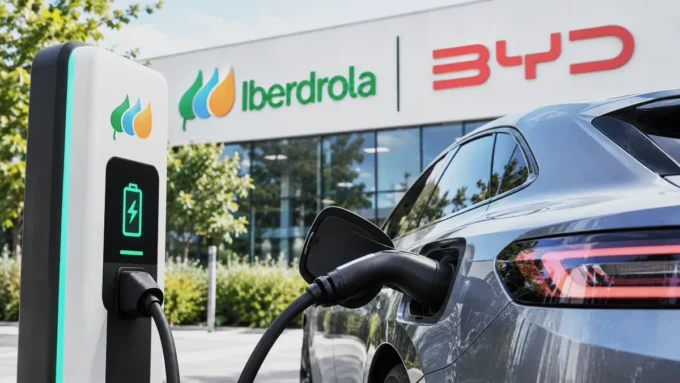
Transport is a major part of that transition. Türkiye currently has approximately 500,000 electric cars on its roads, but the government wants the combined electric and hybrid vehicle fleet to reach 20 million by 2040, out of an expected 41 million vehicles.
This shift could reduce demand for imported petrol and diesel. However, it will also increase electricity consumption, making investment in generation, transmission and distribution infrastructure essential.
Renewables and Grid Infrastructure Will Require Major Investment
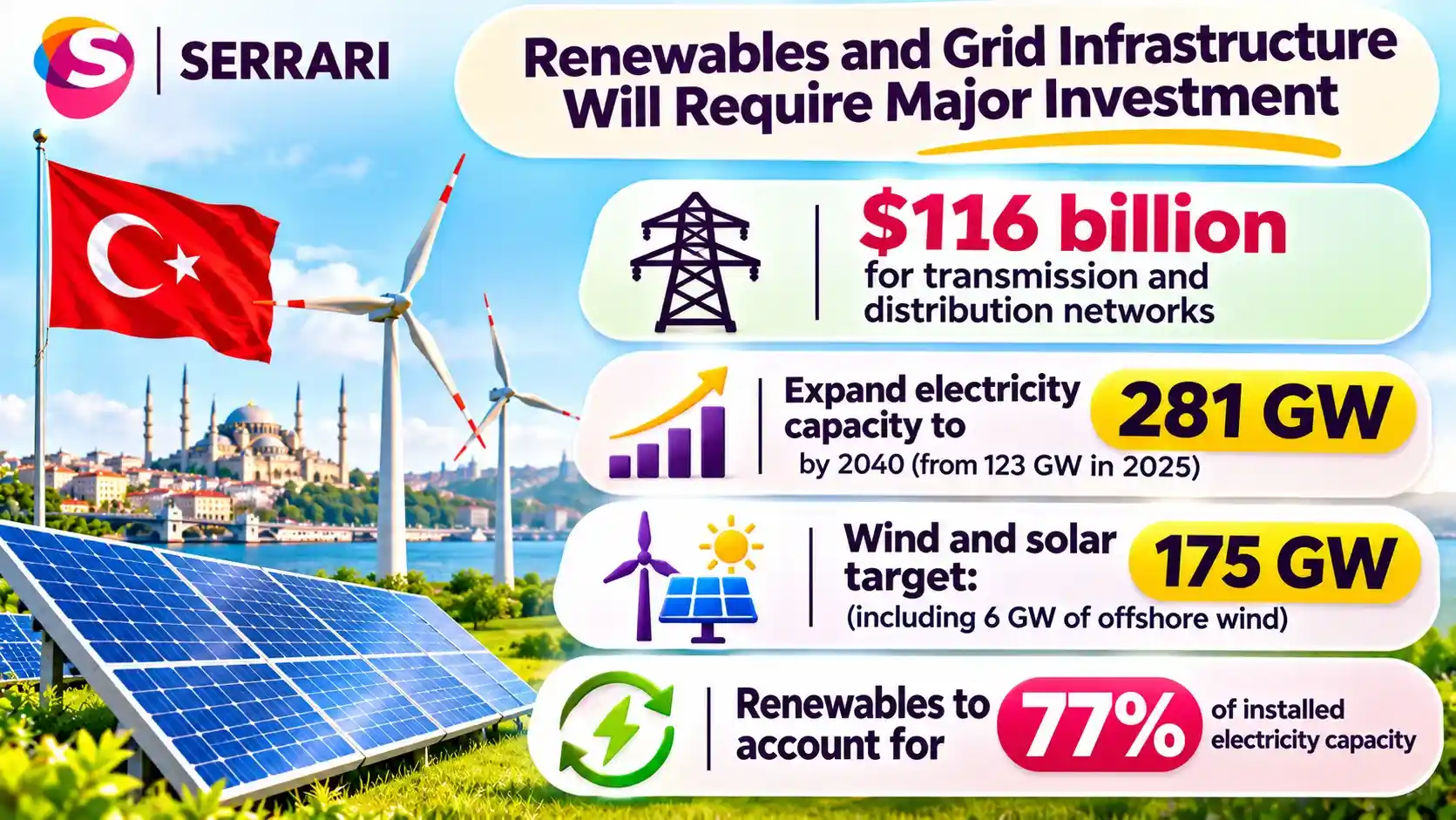
A significant part of the strategy involves expanding electricity generation capacity.
Türkiye plans to increase installed electricity capacity from 123 GW in 2025 to 281 GW by 2040. Renewables are expected to account for 77% of this capacity, compared with 63% currently.
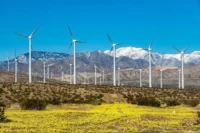
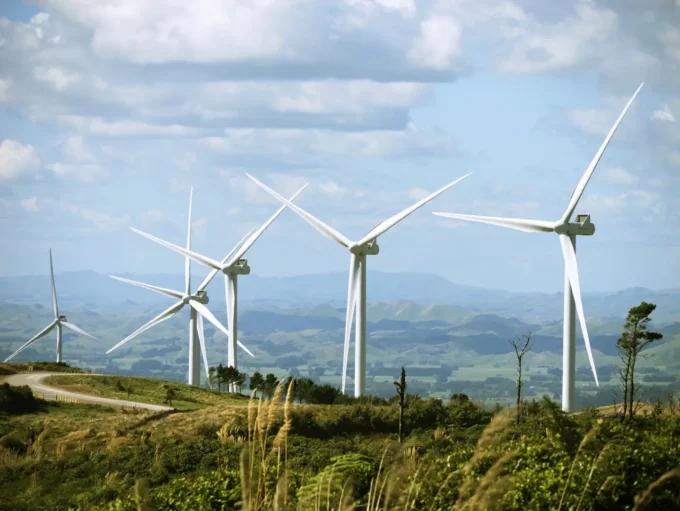
Wind and solar capacity is targeted to reach 175 GW, including 6 GW of offshore wind. The government also plans renewable energy tenders covering at least 2 GW annually.
However, generating more renewable electricity is only part of the challenge. The country will need stronger transmission and distribution networks to move electricity from generation sites to homes, businesses and industries.
The plan therefore includes approximately $116 billion in investment in electricity transmission and distribution infrastructure.
This is particularly important because wind and solar generation can vary depending on weather conditions and time of day. A larger, more capable electricity network will be necessary to integrate additional renewable capacity and maintain reliable supply as demand increases.
For investors, the planned expansion creates potential opportunities across renewable energy development, grid infrastructure, equipment manufacturing and electricity services.
Nuclear Power and Fossil Fuels Remain Part of the Strategy
Despite its renewable energy ambitions, Türkiye is not planning to eliminate fossil fuels immediately. Instead, the strategy combines renewable expansion with nuclear power and continued investment in domestic oil and gas production.
The country aims to reach approximately 10 GW of installed nuclear power generation by 2040. Its first nuclear power station, the Russian-built Akkuyu plant, is planned to have 4.8 GW of capacity when fully developed.
Nuclear power is expected to provide around 11% of electricity demand, helping reduce the need for imported natural gas in electricity generation.
Türkiye also wants to increase domestic and overseas oil and gas production. Bayraktar has set a combined production target of 1.7 million barrels of oil equivalent per day.
Black Sea gas production is expected to rise to 7.5 billion cubic metres annually in the coming years.
The continued role of fossil fuels, however, creates a tension within the strategy. Türkiye aims to reduce emissions while maintaining coal, oil and gas as part of its energy security approach.
Coal remains the country’s largest electricity source, accounting for approximately one-third of power generation. This makes Türkiye Europe’s largest coal-fired electricity generator, according to Ember.
Bayraktar has defended continued coal use on the grounds of energy security and employment, noting that coal mining and power stations support jobs for at least 30,000 to 40,000 people.
Although the government has referred to a just transition away from coal, the announced strategy does not provide a clear coal phase-out date.
This matters because expanding renewables does not automatically guarantee lower emissions if coal-fired generation remains significant or electricity demand grows faster than cleaner capacity.
Context is everything. Stay ahead of shifting trends with today’s market updates, and uncover emerging opportunities using the Serrari Group Market Index and Marketplace. Then, take control of your own financial future by exploring our Money & Life Reset Transformation Blueprint ™ to build stronger habits, create better systems, and design a path toward lasting wealth.
The $500 Billion Funding Challenge
The most immediate test of the plan may be securing the money needed to deliver it.
Of the proposed $500 billion investment, approximately $210 billion is expected to come through five state-owned companies: TEIAS, EUAS, Eti Maden, TPAO and BOTAS. These companies are expected to undergo restructuring and partial listings, with the government retaining majority ownership.
The remaining approximately $290 billion is expected from private investors, including foreign capital.
This is a substantial financing requirement. The investment needed from outside the state sector comes at a time when Türkiye is competing with other countries for international capital.
The scale of the challenge is clear when compared with foreign direct investment into the wider Turkish economy, which stood at $13 billion in 2025 and $4.2 billion in the first half of 2026, according to figures cited in the supplied reporting.
Attracting investment will therefore depend on investor confidence, regulatory certainty, the financial strength of projects and the ability to offer competitive returns.
For renewable energy developers, infrastructure companies and international investors, the plan could open a large pipeline of projects. But announcing investment targets is not the same as securing financing or completing construction.
The pace of implementation will be an important measure of whether Türkiye can turn its energy ambitions into operating infrastructure.
The Bigger Picture: Türkiye’s Energy Plan Faces a Climate and Security Balancing Act
The National Energy 2040 strategy reflects a wider challenge facing countries that want to reduce emissions without compromising energy security or economic growth.
Türkiye has pledged to achieve net-zero emissions by 2053 and is targeting a 40% emissions cut by 2040 under the new roadmap. Yet its continued reliance on coal and plans to expand oil and gas production raise questions about how quickly those commitments can be achieved.
The timing is particularly significant because Türkiye is preparing to host COP31. Its energy strategy will place the country’s own climate and investment decisions under international scrutiny as governments discuss how to finance the transition to cleaner energy.
The plan also has potential economic implications. Bayraktar estimates that it could create 108,000 direct jobs and support employment for approximately 250,000 families when indirect effects are included.
For businesses, the expansion of electricity infrastructure could support new investment in manufacturing, transport, renewable energy and technology. For households, greater electrification could eventually change how they heat homes, travel and consume energy.
However, the benefits will depend on whether investment arrives, infrastructure is delivered and emissions reductions are achieved alongside the country’s energy security objectives.
Why This Matters Now
Türkiye’s announcement comes as rising electricity demand, import costs and climate commitments are forcing countries to reconsider how they generate and consume energy.
The $500 billion strategy signals an effort to use domestic resources, renewable energy and electrification to reduce exposure to imported fuels while supporting future economic growth.
But the plan’s credibility will depend on two questions: whether Türkiye can attract the necessary public and private financing, and whether it can reduce coal dependence while maintaining reliable energy supplies.
For investors, the targets point to opportunities in renewable generation, nuclear power, electricity networks and energy technology. For the wider energy industry, Türkiye’s approach illustrates the difficult balance between energy independence, economic development and decarbonisation.
The real test will not be the size of the announced investment target, but how much of the proposed transformation is delivered by 2040.
Frequently Asked Questions
1. What is Türkiye’s National Energy 2040 plan?
It is a $500 billion energy strategy aimed at reducing dependence on imported fuels, expanding renewable and nuclear power, and increasing electricity use across the economy by 2040.
2. How much renewable energy capacity does Türkiye want to achieve by 2040?
Türkiye targets 175 GW of combined wind and solar capacity, with renewables expected to account for 77% of total installed electricity capacity.
3. How does Türkiye plan to reduce its dependence on imported energy?
The country plans to expand domestic renewable and nuclear power, increase oil and gas production, improve energy efficiency and encourage electric vehicle adoption.
4. What are the biggest challenges facing Türkiye’s energy plan?
The main challenges include raising the required $500 billion, attracting foreign investment, expanding electricity infrastructure and reducing coal dependence while maintaining energy security.
Your financial future isn’t something you wait for—it’s something you build.
The real question is: when do you begin?
Move beyond simply staying informed.
Navigate the markets with clarity—track trends through the Serrari Group Market Index, uncover opportunities in the Serrari Marketplace, and build practical knowledge with our Curated Wealth Builder Platform.
Stay connected to what truly matters.
Get daily insights on macro trends and financial movements across Kenya, Africa, and global markets—delivered through the Serrari Newsletter.
Growth opens doors.
Advance your career through professional programs including ACCA, HESI A2, ATI TEAS 7 , HESI EXIT , NCLEX – RN and NCLEX – PN, Financial Literacy!🌟—designed to move you forward with confidence.
See where money is flowing—clearly and in real time.
Track Money Market Funds, Treasury Bills, Treasury Bonds, Green Bonds, and Fixed Deposits, alongside global and African indexes, key economic indicators, and the evolving Crypto and stablecoin landscape—all within Serrari’s Market Index.