Malaysia has launched its National Carbon Market Policy (NCMP) to establish a structured framework for carbon trading and support its transition to a low-carbon economy. The policy integrates both voluntary and compliance markets, focusing on data integrity, transparency, and international alignment.
The initiative prioritizes building a robust carbon credit system before introducing a carbon tax, ensuring fairness for industries. With plans for a national carbon registry and stronger international cooperation, Malaysia is positioning itself as a credible player in global carbon markets.
Key Overview
- Malaysia launches National Carbon Market Policy (NCMP)
- Covers both voluntary and compliance carbon markets
- Prioritizes carbon credit framework before carbon tax
- Introduces national carbon registry and MRV systems
Malaysia Moves to Formalize Carbon Markets
Malaysia has officially launched its National Carbon Market Policy (NCMP), marking a significant milestone in the country’s efforts to regulate carbon trading and accelerate its transition toward a low-carbon economy.
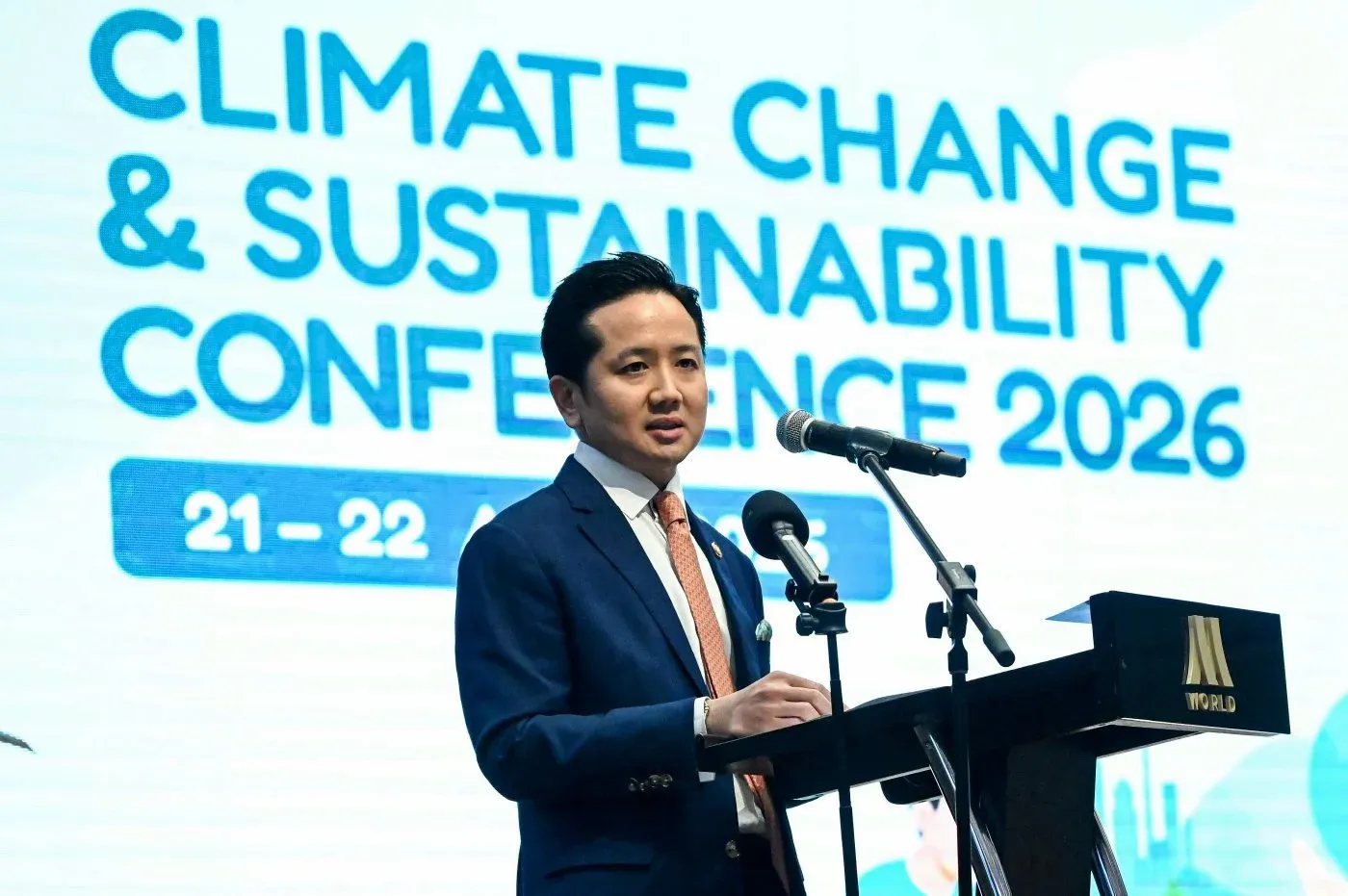
The policy was introduced by Arthur Joseph Kurup, Minister of Natural Resources and Environmental Sustainability, during the Climate Change and Sustainability Conference 2026. The launch signals a clear shift from high-level climate commitments toward practical implementation, as the government moves to establish the institutional and regulatory foundations required for a functioning carbon market.
The NCMP is designed to provide a comprehensive framework that integrates both voluntary and compliance carbon markets into a unified system. By bringing these two segments together, the policy aims to create a cohesive ecosystem where emissions reductions can be measured, verified, and monetized more effectively. This integration is particularly important as countries increasingly look to leverage both domestic and international carbon markets to meet climate targets.
According to the minister, the initiative is built on a strong emphasis on data integrity, transparency, and trust. These elements are critical in ensuring that carbon credits are credible, measurable, and verifiable, addressing one of the key challenges facing global carbon markets. Concerns around double counting, inconsistent standards, and low-quality credits have led to increased scrutiny, making robust governance frameworks essential.
The policy also reflects Malaysia’s broader ambition to position itself as a credible and competitive participant in international carbon trading. By strengthening its regulatory environment and aligning with global best practices, the country aims to attract investment, facilitate cross-border transactions, and support the development of a high-quality carbon market ecosystem.
Markets move fast; don’t get left behind. We’ve paired the Serrari Group Market Index with a curated Marketplace and a comprehensive Wealth Builder Platform to ensure you have the data—and the skills—to act on it.
Building a Credible Carbon Market Framework
A central objective of the NCMP is to establish a high-integrity carbon market capable of operating effectively at both the domestic and international levels. The policy underscores the importance of ensuring that every tonne of carbon reduced or traded is backed by reliable data, rigorous verification, and transparent reporting mechanisms.
To achieve this, Malaysia plans to develop a national carbon registry that will serve as the backbone of its carbon market infrastructure. The registry will track the issuance, ownership, transfer, and retirement of carbon credits, creating a transparent and traceable system that enhances market confidence.
Supporting this registry will be harmonized monitoring, reporting, and verification (MRV) systems, which are essential for maintaining consistency across projects and ensuring that emissions reductions are accurately measured. These systems will help prevent discrepancies and reduce the risk of double counting, a key concern in global carbon markets.
The framework is also designed to align with international standards, including mechanisms under Article 6 of the Paris Agreement and the Carbon Offsetting and Reduction Scheme for International Aviation (CORSIA). This alignment is critical for enabling cross-border carbon trading and ensuring that Malaysian credits are recognized and accepted in global markets.
In addition, the NCMP forms part of the broader National Climate Change Policy 2.0, approved in September 2025. Together, these policies aim to create a more structured, coherent, and enforceable climate governance framework, moving beyond voluntary commitments toward a system supported by legislation, institutional capacity, and clear regulatory oversight.
Four Strategic Pillars of the Policy
The NCMP is built around four core strategic pillars, each designed to support the development of a comprehensive and scalable carbon market ecosystem:
1. High-Integrity Carbon Market Development
This pillar focuses on establishing a robust carbon market that operates with high levels of credibility and transparency. It aims to support both compliance and voluntary markets while ensuring alignment with international carbon trading standards and mechanisms. By prioritizing integrity, the policy seeks to enhance trust among market participants and attract investment into high-quality carbon projects.
2. National Carbon Registry and MRV Systems
A key component of the framework is the development of a centralized carbon registry supported by harmonized MRV systems. This infrastructure will enable accurate tracking of carbon credits, ensure data consistency, and provide a reliable foundation for market transactions. The emphasis on traceability and verification is critical in maintaining market integrity and preventing fraud or misreporting.
3. International Cooperation and Market Integration
The policy promotes stronger international collaboration through Memoranda of Understanding and other partnerships. It also supports the transition of legacy Clean Development Mechanism (CDM) projects into new frameworks under the Paris Agreement. This pillar is designed to facilitate cross-border carbon trading and integrate Malaysia more fully into global carbon markets.
4. Foundation for Carbon Pricing Mechanisms
The NCMP also serves as a foundation for future carbon pricing instruments, including carbon taxes and emissions trading systems. By establishing a functioning carbon market first, the policy ensures that any future pricing mechanisms are supported by a credible system of carbon credits, reducing the risk of unintended economic impacts.
Together, these pillars create a comprehensive and forward-looking framework that balances environmental integrity with market efficiency. By addressing both technical and institutional requirements, the policy positions Malaysia to develop a carbon market that is not only operational but also scalable and internationally competitive.
Carbon Tax Delayed Pending Market Readiness
While Malaysia had previously considered introducing a carbon tax as early as 2026, the government has indicated that its implementation timeline will be reviewed in light of current priorities and external conditions.
According to Arthur Joseph Kurup, the immediate focus is on establishing a fully functional carbon credit system before introducing any form of carbon pricing. This sequencing reflects a deliberate policy approach aimed at ensuring that industries have access to credible, verifiable carbon credits that can be used to offset emissions. By doing so, the government seeks to avoid imposing financial penalties on businesses without first providing them with practical mechanisms to manage compliance.
This phased strategy also helps build market confidence, as a well-developed carbon credit ecosystem is essential for ensuring transparency, price discovery, and liquidity within the market. Without such a foundation, the introduction of a carbon tax could risk inefficiencies, distortions, or unintended economic impacts.
In addition to market readiness, policymakers are taking into account broader economic and geopolitical conditions. Global uncertainties, including fluctuations in energy prices and supply chain disruptions, have heightened concerns about the potential impact of additional regulatory costs on both industries and consumers. As a result, authorities are adopting a cautious approach to avoid placing undue pressure on economic activity during a period of volatility.
The proposed carbon tax, which falls under the jurisdiction of the Ministry of Finance, was initially expected to target emissions-intensive sectors such as iron, steel, and energy. However, its implementation remains flexible and will likely be aligned with the maturity of the carbon market framework. This approach underscores the government’s intention to balance climate policy objectives with economic stability and competitiveness.
Balancing Federal and State-Level Coordination
An important aspect of the National Carbon Market Policy is ensuring alignment between federal and state-level carbon initiatives, particularly in regions such as Sabah and Sarawak, which have already introduced their own carbon-related regulations.
The existence of multiple regulatory frameworks creates the potential for fragmentation, inconsistencies, and challenges in carbon accounting. Without effective coordination, differences in methodologies, pricing mechanisms, and reporting standards could undermine the integrity of the overall carbon market and limit its ability to function efficiently.
To address these challenges, the federal government plans to establish a special joint committee tasked with harmonizing policies across jurisdictions. This body will play a key role in aligning state-level frameworks with national objectives, ensuring consistency in measurement, reporting, and verification processes.
Such coordination is particularly critical as Malaysia seeks to participate in international carbon markets. A unified national framework is essential for ensuring that carbon credits meet global standards and are recognized by international buyers. It also helps streamline reporting obligations under global agreements.
The government has emphasized that while states may continue to develop their own initiatives, national-level oversight is necessary to ensure compliance with international commitments under the United Nations Framework Convention on Climate Change (UNFCCC) and the Paris Agreement. This balance between decentralization and central coordination reflects the complexity of managing climate policy across different levels of governance.
Outlook: Positioning Malaysia in Global Carbon Markets
The launch of the NCMP marks a significant milestone in Malaysia’s climate policy evolution, signaling a shift from planning and commitments toward execution and market development.
In the near term, the success of the policy will depend on the effective implementation of core market infrastructure, including the national carbon registry, harmonized MRV systems, and supporting regulatory frameworks. Ensuring that these systems are transparent, reliable, and aligned with international standards will be essential for building trust among market participants and attracting investment.
Another critical factor will be the ability to engage both public and private sector stakeholders. Active participation from industries, project developers, and financial institutions will be necessary to create a dynamic and liquid carbon market. This includes developing a pipeline of high-quality carbon projects that can generate credible credits for both domestic use and international trading.
Over the longer term, the policy positions Malaysia to play a more prominent role in global carbon markets. By establishing a credible and well-regulated system, the country can attract foreign investment, facilitate cross-border carbon transactions, and support its broader emissions reduction targets.
As carbon markets continue to expand worldwide, Malaysia’s approach—prioritizing integrity, coordination, and phased implementation—offers a pragmatic model for other emerging economies. By focusing on building strong institutional and technical foundations before introducing pricing mechanisms, the country is laying the groundwork for a sustainable and scalable carbon market ecosystem.
Your financial future isn’t something you wait for—it’s something you build.
The real question is: when do you begin?
Move beyond simply staying informed.
Navigate the markets with clarity—track trends through the Serrari Group Market Index, uncover opportunities in the Serrari Marketplace, and build practical knowledge with our Curated Wealth Builder Platform.
Stay connected to what truly matters.
Get daily insights on macro trends and financial movements across Kenya, Africa, and global markets—delivered through the Serrari Newsletter.
Growth opens doors.
Advance your career through professional programs including ACCA,HESI A2,ATI TEAS 7,HESI EXIT ,NCLEX – RNandNCLEX – PN, Financial Literacy!🌟—designed to move you forward with confidence.
See where money is flowing—clearly and in real time.
Track Money Market Funds, Treasury Bills, Treasury Bonds, Green Bonds, and Fixed Deposits, alongside global and African indexes, key economic indicators, and the evolving Crypto and stablecoin landscape—all withinSerrari’s Market Index.