The Power of a Business Strategy and Operating Plan
The Engine Behind Financial Growth and Success
Many businesses don’t fail because of lack of effort. They fail because of lack of direction. Revenue without strategy creates chaos. Activity without structure drains cash. A strong business strategy and operating plan transforms ambition into financial performance.
What You'll Learn
- What a business strategy really is
- Why an operating plan matters
- How both drive financial growth
- The key elements every business needs
- Target market
- Competitive advantage
The Engine Behind Financial Growth and Success

Many businesses don’t fail because of lack of effort.
They fail because of lack of direction.
Revenue without strategy creates chaos.
Activity without structure drains cash.
A strong business strategy and operating plan transforms ambition into financial performance.
What You’ll Learn

- What a business strategy really is
- Why an operating plan matters
- How both drive financial growth
- The key elements every business needs
What Is a Business Strategy?
A business strategy answers one core question:
How will this business win?
It defines:
- Target market
- Competitive advantage
- Revenue model
- Pricing position
- Growth approach
Without strategy:
Decisions become reactive.
With strategy:
Decisions align with long-term growth.
What Is an Operating Plan?
An operating plan turns strategy into daily execution.
It defines:
- Monthly revenue targets
- Cost controls
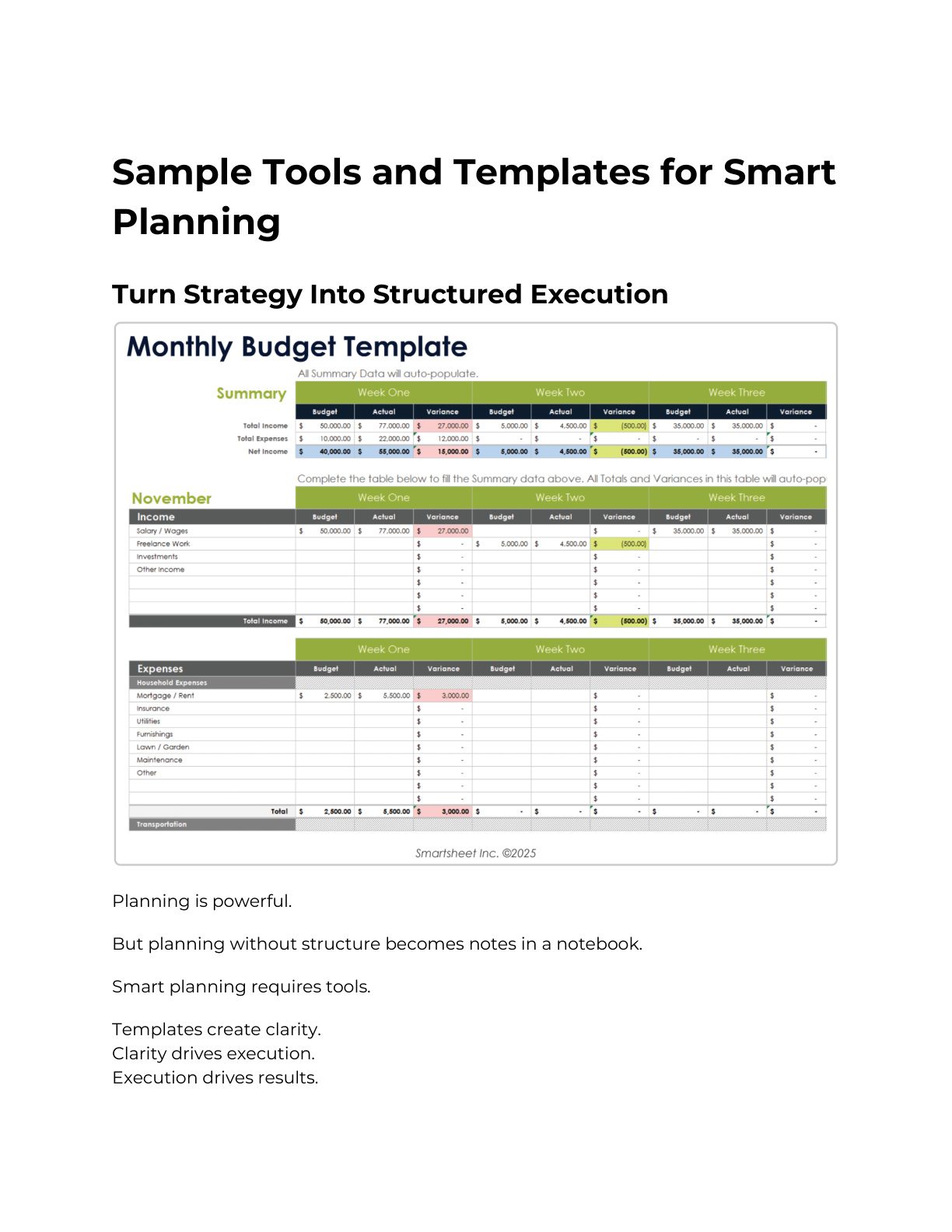
- Cash flow projections
- Team responsibilities
- Key performance indicators (KPIs)
Strategy is vision.
The operating plan is execution.
Growth
1⃣ Clarity Improves Capital Allocation
When strategy is clear:
- Marketing spend becomes intentional
- Hiring becomes focused
- Investments align with growth goals
Capital stops leaking.
2⃣ Predictability Improves Cash Flow
An operating plan creates:
- Revenue forecasting
- Expense planning
- Liquidity management
Predictability reduces financial shocks.
3⃣ Accountability Increases Performance
When targets are defined:
- Teams measure progress
- Leadership reviews results
- Adjustments happen quickly
Measurement improves margins.
To maximise capital allocation, pair your strategy with managing business cash flow.
The Financial Impact of No Strategy
Without strategy:
❌ Random expansion
❌ Inconsistent pricing
❌ Overspending on non-core activities
❌ Cash flow instability
❌ Poor scaling decisions
Growth becomes unstable.
Understanding your business net worth helps quantify the real cost of strategic gaps.
Strategy
- 1Clear target market
- 2Defined value proposition
- 3Sustainable competitive advantage
- 4Revenue growth plan
- 5Cost management discipline
Without these, growth lacks foundation.
The 5 Core Elements of an Operating Plan

- 1Revenue targets (monthly & quarterly)
- 2Expense structure
- 3Cash flow projection
- 4KPI tracking
- 5Review cycle (monthly & quarterly)
This is where financial control happens.
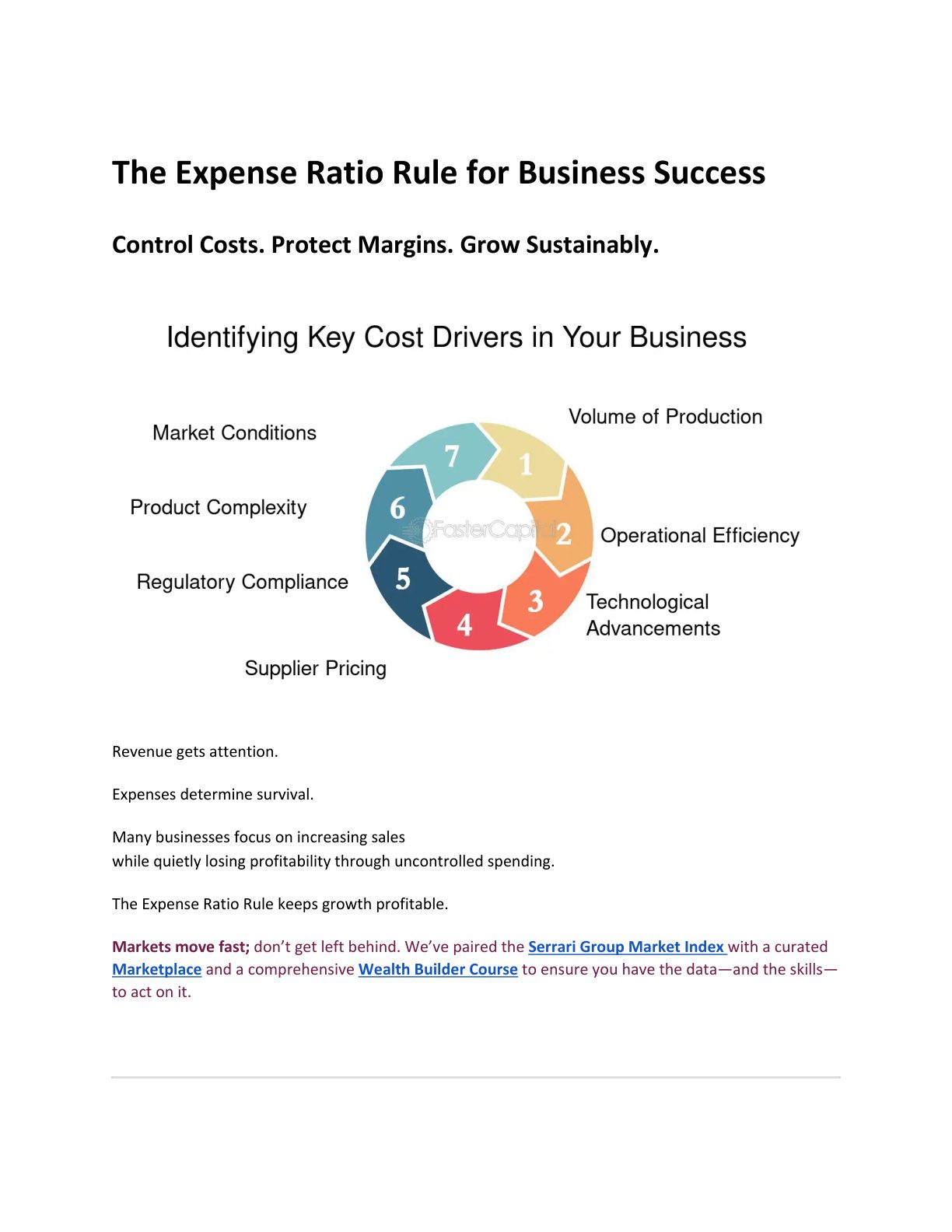
Track how efficiently your business spends by reading the expense ratio rule for business success.
Operations-focused
Both are required.
One without the other creates imbalance.
Quick Business Self-Assessment
Ask:
- Do we have clear revenue targets?
- Is our cost structure aligned with growth goals?
- Are we reviewing performance monthly?
- Does every department understand the strategy?
If not — financial inefficiency may exist.
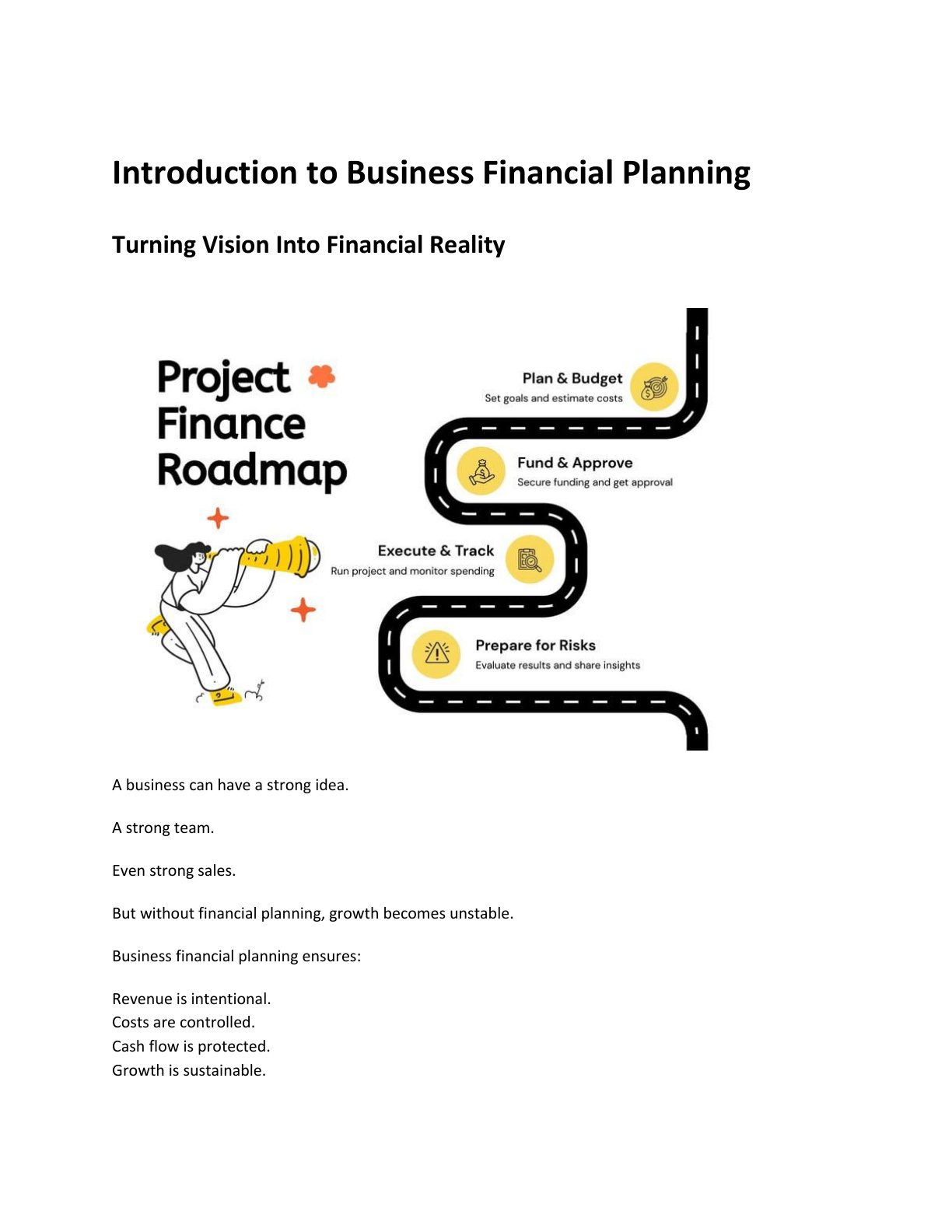
For a structured approach, explore our introduction to business financial planning.
Clear Strategy
- Structured Operating Plan
- Financial Discipline
- KPI Monitoring
- Continuous Adjustment
= Sustainable Business Growth
Businesses don’t grow by accident.
They grow by alignment.
Direction.
Execution.
Review.
Adjustment.
That’s how financial success becomes repeatable.
Use the Serrari Marketplace to discover financial tools that align with your strategy.

Speak with a Serrari advisor to build a personalised business growth strategy today.