The Expense Ratio Rule for Business Success
Control Costs. Protect Margins. Grow Sustainably.
Many businesses focus on increasing sales while quietly losing profitability through uncontrolled spending. The Expense Ratio Rule keeps growth profitable.
What You'll Learn
- What an expense ratio is
- Why it determines profitability
- Healthy expense benchmarks
- How to improve your ratios
- Common cost-control mistakes
- Operating margins
The Expense Ratio Rule for Business Success

Control Costs. Protect Margins. Grow Sustainably.
Revenue gets attention.
Expenses determine survival.
Many businesses focus on increasing sales while quietly losing profitability through uncontrolled spending.
The Expense Ratio Rule keeps growth profitable.
What You’ll Learn

- What an expense ratio is
- Why it determines profitability
- Healthy expense benchmarks
- How to improve your ratios
- Common cost-control mistakes
Expense Ratio = Total Expenses ÷ Revenue
It shows:
How much of every dollar earned
is consumed by costs.
Example:
If revenue is $100,000 and expenses are $70,000
Expense Ratio = 70%
That leaves 30% for profit.
Lower ratios = stronger margins.
Why Expense Ratios Matter
1⃣ They Reveal Financial Efficiency
Two companies can earn the same revenue.
Strong expense discipline pairs naturally with understanding business cash flow.
The one with lower expense ratio keeps more profit.
Revenue growth without cost control is fragile.
2⃣ They Protect Against Slow Periods
When revenue drops:
High expense ratios create pressure.
Low expense ratios create breathing room.
Cost discipline builds resilience.
3⃣ They Improve Valuation
Investors and lenders look at:
- Operating margins
- Cost efficiency
- Profit stability
Healthy ratios increase business value.
Key Expense Categories to Monitor
1⃣ Cost of Goods Sold (COGS)
2⃣ Operating Expenses (rent, salaries, utilities)
3⃣ Marketing & Sales Costs
4⃣ Administrative Costs
5⃣ Debt Servicing Costs
Track each separately.
Don’t treat “expenses” as one number.
To protect margins during rising costs, see how to beat inflation as a small business.
General Benchmark Guidelines
These vary by industry, but broadly:
- Service businesses: 50–70% expense ratio
- Product-based businesses: 60–80% (higher COGS)
- Lean startups: Should aim for steady improvement
The goal:
Progressively improve efficiency.
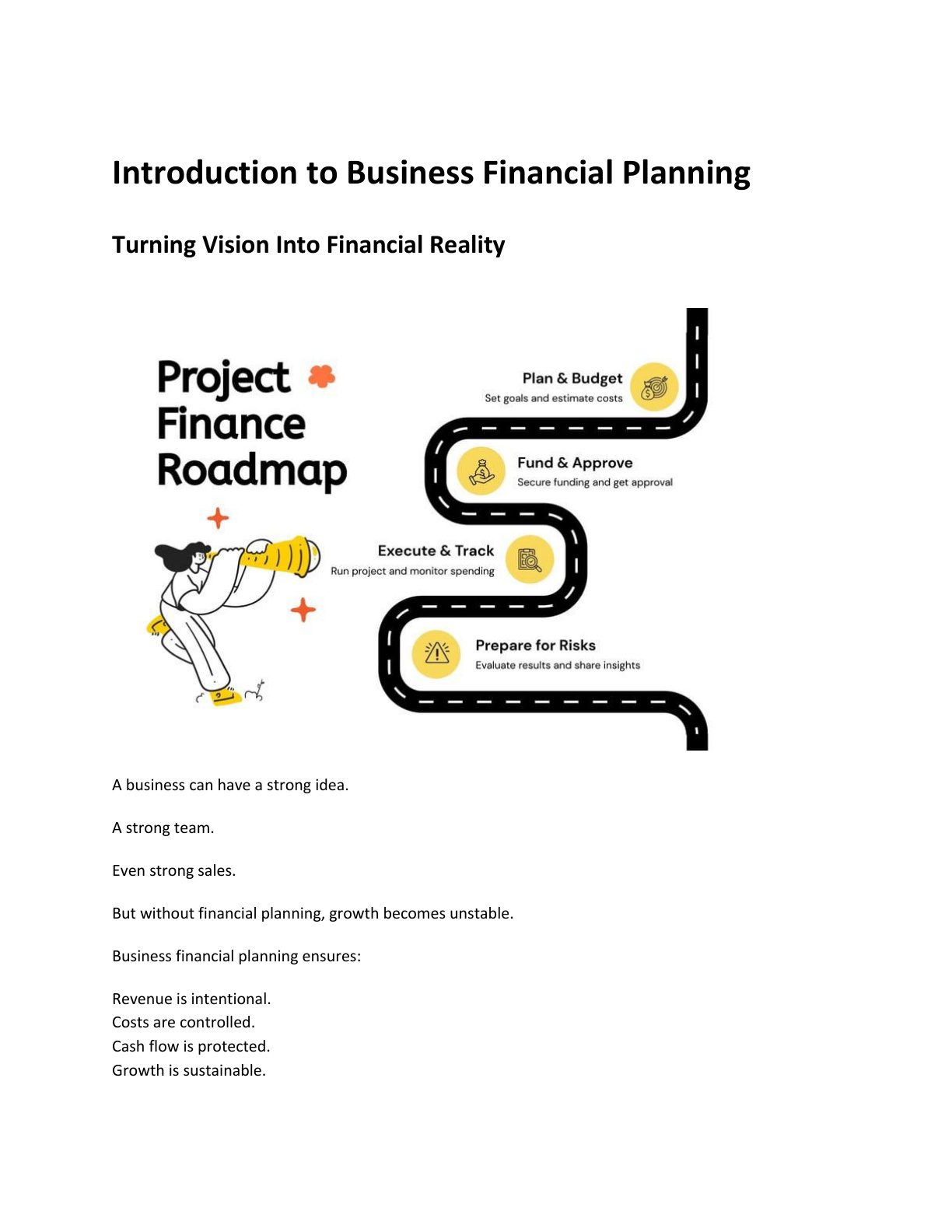
Reinforce ratio targets with a thorough introduction to business financial planning.
Step 1: Measure Monthly

You cannot improve what you don’t track.
Calculate:
Step 2: Identify Cost Leaks
Look for:
- Underperforming marketing channels
- Unused subscriptions
- Excess inventory
- Overstaffing
- Vendor inefficiencies
Small leaks compound.
Park freed-up cash in a Serrari Money Market Fund to earn yield without sacrificing liquidity.
Step 3: Optimize — Don’t Cut Blindly
Cutting essential growth drivers hurts long-term revenue.
Instead:
Improve efficiency.
Negotiate contracts.
Automate processes.
Control costs without killing growth.
Speak with a Serrari advisor to identify the right capital allocation strategy for your business.