Tanzania is nearing an agreement for a $42 billion liquefied natural gas (LNG) project that could strengthen its position as an energy hub in East Africa. Led by Equinor and Shell, the development is expected to unlock 47.13 trillion cubic feet of natural gas reserves. Most of the LNG would be exported, while a portion would serve the domestic market. The agreement remains unfinished as the government continues negotiations with project partners.
Key Overview
- Project value: $42 billion.
- Gas reserves targeted: 47.13 trillion cubic feet.
- Lead partners: Equinor and Shell.
- Other participants: ExxonMobil, Pavilion Energy, Medco Energi and Tanzania Petroleum Development Corporation.
- Electricity target: 8,000 megawatts of generation capacity by 2030.
- Project status: Agreements expected to be finalised in the coming months.
Tanzania Moves Closer to Major LNG Agreement
Tanzania is moving towards finalising a USD 42 billion LNG project as the government seeks to attract international investment, expand energy production and support industrialisation.
Finance Minister Khamis Mussa Omar said agreements on major investment projects could be concluded in the coming months. The LNG development is among the government’s priorities as it works to establish Tanzania as a significant energy hub in East Africa.
The agreement had previously been expected before June 2026, but negotiations have continued beyond that target. The latest update indicates that discussions are approaching completion, although a confirmed signing date has not been announced.
The project is one of the region’s largest proposed energy investments and could reshape Tanzania’s role in international gas markets if the remaining agreements are concluded and the development proceeds.
Equinor and Shell Lead the Development
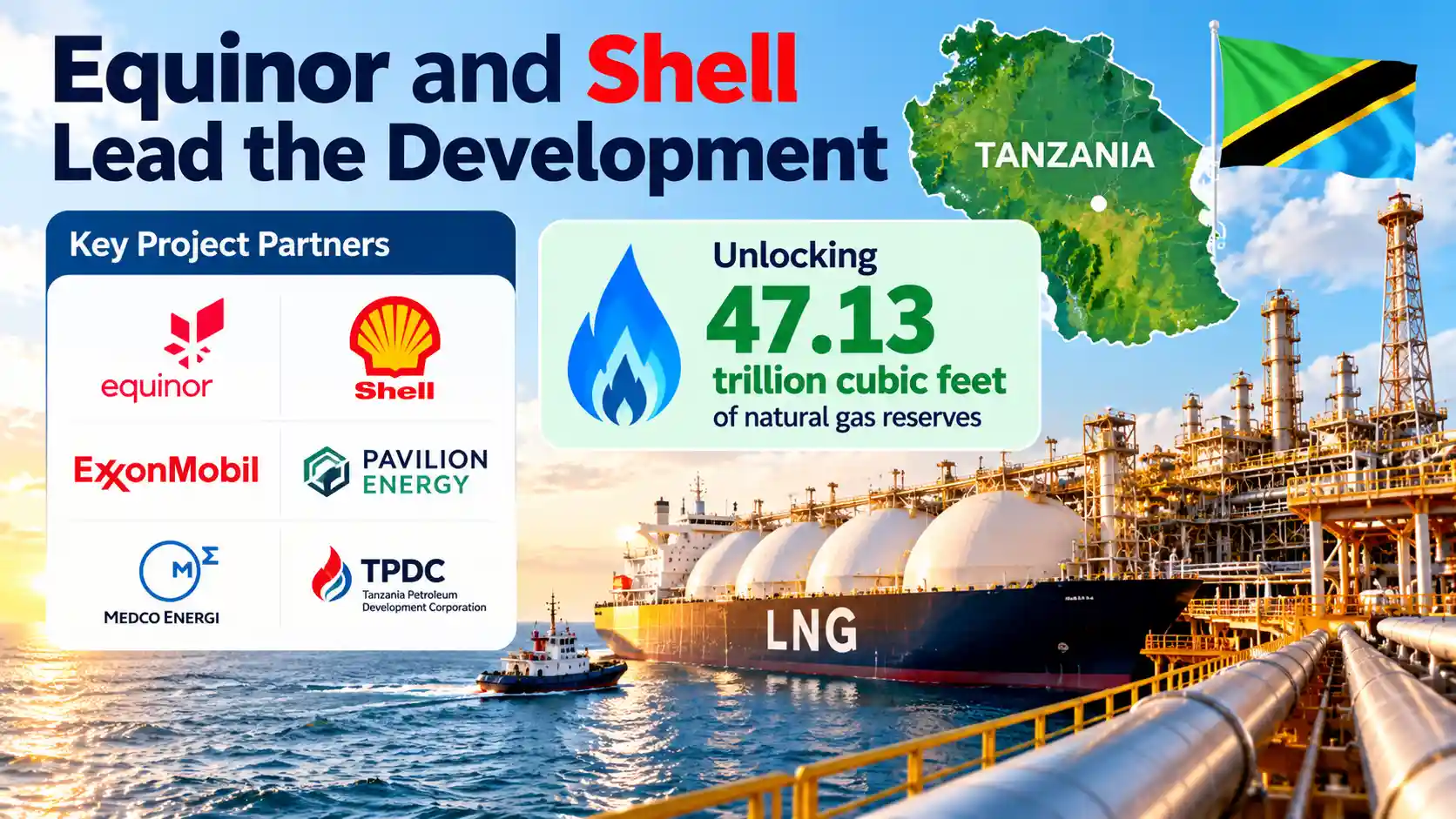
The proposed LNG project is led by Norway’s Equinor and the UK’s Shell. Other participants include ExxonMobil, Pavilion Energy, Medco Energi and state-owned Tanzania Petroleum Development Corporation (TPDC).
The development is expected to unlock 47.13 trillion cubic feet of natural gas , primarily from Tanzania’s deep offshore gas fields. The country has an estimated 57.54 trillion cubic feet of discovered gas reserves overall.
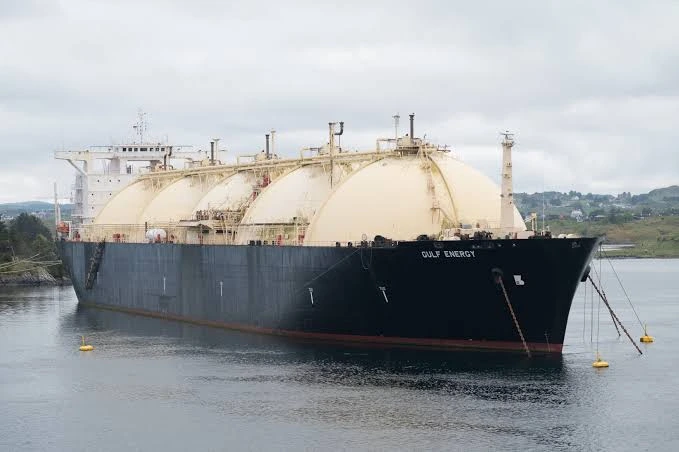
The project would convert offshore gas resources into liquefied natural gas for transportation by ship. Liquefaction allows natural gas to be cooled into liquid form, making it easier to transport to international markets.
Most of the planned output is expected to be exported, generating potential foreign-exchange earnings for Tanzania. A portion would also be allocated to the domestic market, supporting local energy needs.
However, the investment remains dependent on final agreements, financing arrangements, regulatory approvals and the project’s eventual construction timetable.
Energy Security and Industrialisation in Focus
Tanzania’s LNG ambitions form part of a wider strategy to expand the country’s energy industry and attract capital into projects capable of generating revenue.
The government aims to nearly double electricity generation capacity to 8,000 megawatts by 2030. It also wants around 75% of its energy to come from sources it classifies as clean, including hydropower, solar, wind and natural gas.
Natural gas can provide dispatchable electricity and serve as feedstock for some industrial processes. LNG exports could also generate revenue to support public spending and infrastructure development.
Nevertheless, the benefits are not automatic. The project’s contribution to employment, local suppliers, government revenues and domestic industrial activity will depend on the final fiscal terms, local procurement opportunities and how effectively the country manages its share of the development.
Context is everything. Stay ahead of shifting trends with today’s market updates, and uncover emerging opportunities using the Serrari Group Market Index and Marketplace. Then, take control of your own financial future by exploring our Money & Life Reset Transformation Blueprint ™ to build stronger habits, create better systems, and design a path toward lasting wealth.
Tanzania Seeks Wider Investment Opportunities
The LNG agreement is part of a broader effort to attract foreign investment into energy and natural resources. Tanzania is also nearing agreements on two critical-minerals projects, although the government has not disclosed detailed information about them.
At the same time, the country is pursuing changes intended to broaden access to its domestic capital markets. It has expanded foreign investor access to domestic bonds and introduced a sovereign yield curve, while encouraging corporate debt issuance.
Tanzania’s 2026/27 budget stands at approximately 62.3 trillion Tanzanian shillings, equivalent to about $23.7 billion. Domestic revenue now finances roughly two-thirds of the budget, while official development assistance has declined significantly.
The government is therefore seeking investment projects that can generate economic returns and help finance their operations. The LNG project’s wider economic implications will depend on how its costs, risks and revenues are distributed between the state and private investors.
Climate Goals and Long-Term Risks
The project also raises questions about how Tanzania will balance economic development with its longer-term climate objectives.
LNG can support energy supply and industrial activity, but producing and exporting natural gas also creates greenhouse gas emissions. These include emissions from extraction, processing, liquefaction, shipping and the eventual combustion of gas.
The substantial upfront investment and long operating life of LNG infrastructure could expose investors and the government to changes in global gas demand, commodity prices, financing conditions and climate policy.
Tanzania will therefore need to consider how the development fits alongside investments in hydropower, solar and wind energy. The government’s target of obtaining around 75% of its energy from sources classified as clean highlights the importance of determining how natural gas and renewable energy will contribute to the country’s future energy mix.
Outlook
Tanzania’s proposed $42 billion LNG development is approaching a significant milestone after years of negotiations. If the agreements are finalised, the project could unlock major offshore gas reserves, generate export earnings and support the country’s ambition to become an East African energy hub.
The immediate priorities are completing the outstanding agreements, clarifying financing and fiscal arrangements, and establishing a credible implementation timetable. The project’s long-term contribution will depend on whether it delivers sustained economic benefits while remaining compatible with Tanzania’s domestic energy needs and climate objectives.
Frequently Asked Questions
1. How much is Tanzania’s proposed LNG project worth?
The development is estimated to cost $42 billion.
2. Which companies are involved in the project?
Equinor and Shell are leading the project, alongside ExxonMobil, Pavilion Energy, Medco Energi and Tanzania Petroleum Development Corporation.
3. How much natural gas could the project unlock?
The development is expected to access 47.13 trillion cubic feet of natural gas reserves.
4. Has Tanzania finalised the LNG agreement?
No. The government expects to conclude agreements in the coming months, but a confirmed signing date and construction timetable have not been announced.
Sources: The Energy Year | The Voice of Africa| Intellinews | African Sustainability Matters
Your financial future isn’t something you wait for—it’s something you build.
The real question is: when do you begin?
Move beyond simply staying informed.
Navigate the markets with clarity—track trends through the Serrari Group Market Index, uncover opportunities in the Serrari Marketplace, and build practical knowledge with our Curated Wealth Builder Platform.
Stay connected to what truly matters.
Get daily insights on macro trends and financial movements across Kenya, Africa, and global markets—delivered through the Serrari Newsletter.
Growth opens doors.
Advance your career through professional programs including ACCA, HESI A2, ATI TEAS 7 , HESI EXIT , NCLEX – RN and NCLEX – PN, Financial Literacy!🌟—designed to move you forward with confidence.
See where money is flowing—clearly and in real time.
Track Money Market Funds, Treasury Bills, Treasury Bonds, Green Bonds, and Fixed Deposits, alongside global and African indexes, key economic indicators, and the evolving Crypto and stablecoin landscape—all within Serrari’s Market Index.