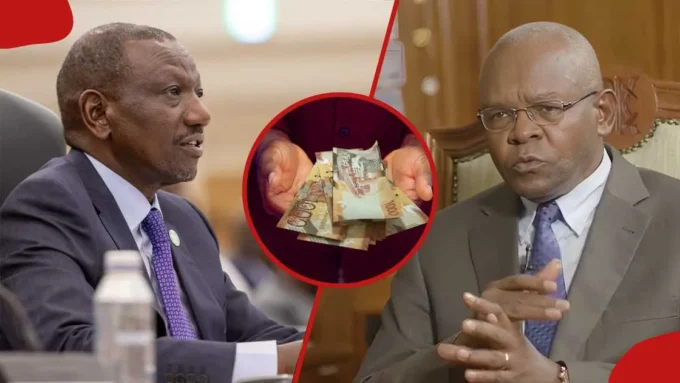
According to Bloomberg, Kenya’s eurobonds experienced a sharp decline as Moody’s Investors Service raised alarms over the country’s planned buyback of some of its debt. The credit rating agency warned that redeeming the bonds at a price below par value could be seen as a default, causing yields on the notes to surge by 46 basis points to 13.35%, marking the most substantial increase in almost a month.
The buyback proposal, announced by President William Ruto in June, aims to repurchase half of Kenya’s $2 billion of 2024 eurobonds before the end of this year. However, Moody’s Vice President and Senior Credit Officer, David Rogovic, expressed concerns over potential economic losses to investors in case of a distressed exchange.
“We need to analyze the details and terms of the buyback to determine whether it constitutes a distressed exchange and potentially leads to a default under Moody’s definition,” Rogovic stated.
Despite Moody’s negative outlook on Kenya’s debt and concerns over debt-service costs even after the buyback, Ruto has reiterated the country’s commitment to avoiding any debt defaults.
Kenya’s debt situation has been closely scrutinized by investors, given the country’s dollar shortages amid rising energy and food import bills. With the central bank’s hard currency reserves at $7.4 billion, some investors fear the possibility of a debt restructuring, similar to other African nations like Ghana and Zambia.
Nevertheless, Moody’s believes that Kenya has adequate financing options to repay the 2024 eurobond, a sentiment echoed by Fitch ratings in July when the outlook on the country’s debt was revised to negative.
As Kenya faces mounting challenges, market participants are keenly watching the situation’s developments to gauge their impact on the eurobonds and Kenya’s overall debt landscape. While uncertainty prevails, the government’s financing choices will play a crucial role in determining the bonds’ stability and investors’ confidence in the country’s debt market.
By: Montel Kamau Serrari Financial Analyst 2nd August, 2023
photo source Google