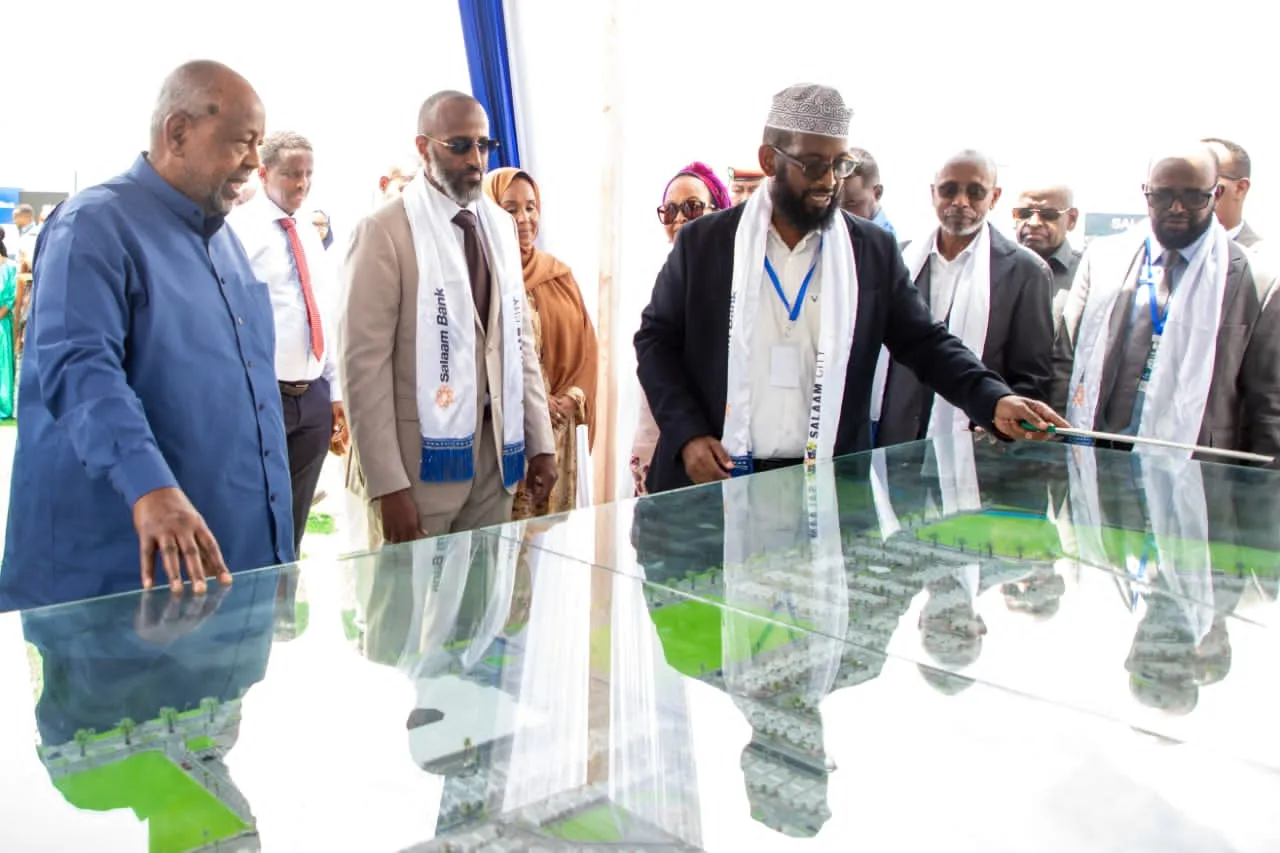
Djibouti has taken a significant step toward reshaping its urban landscape with the groundbreaking of Salaam City, a large-scale residential development valued at approximately $480 million (85 billion Djibouti Francs). Positioned as one of the country’s most ambitious housing initiatives to date, the project reflects both a response to growing urban demand and a broader strategy to position Djibouti as a modern economic hub in East Africa.
With more than 7,000 housing units planned, Salaam City is not just another real estate project. It is being designed as a fully integrated community, combining residential living with essential infrastructure such as schools, healthcare, retail, and recreational spaces. The development signals a shift in how African cities are being planned—moving away from fragmented expansion toward structured, master-planned urban environments.
At a time when rapid urbanisation is putting pressure on housing, infrastructure, and services across the continent, projects like Salaam City highlight the increasing role of private capital and regional investment groups in shaping the future of cities.
Markets move fast; don’t get left behind. We’ve paired the Serrari Group Market Index with a curated Marketplace and a comprehensive Wealth Builder Course to ensure you have the data—and the skills—to act on it.
A Closer Look at Salaam City
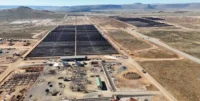
Salaam City will span approximately 2.4 million square metres on the outskirts of Djibouti City, transforming a largely undeveloped area into a modern urban centre. The scale of the project places it among the largest residential developments in the country’s history.
The development will include a diverse mix of housing options, ranging from apartments to standalone homes. This variety is intended to cater to different income segments and household needs, reflecting a more inclusive approach to urban planning.
Beyond housing, the project’s masterplan incorporates key social and economic infrastructure. Planned facilities include seven schools, a hospital and healthcare centres, a central mosque, commercial and office spaces, retail outlets, and parks and recreational areas. This integrated design aims to create a self-sustaining community where residents can live, work, and access services within a single ecosystem.
Construction is expected to be carried out in phases over a five-year period, with the first residents projected to move in by 2028. During the construction phase, authorities estimate the project will generate around 2,000 jobs, providing a short-term boost to employment while contributing to longer-term economic activity.
The Role of Salaam Group in Regional Expansion
The Salaam City project is being led by Salaam Real Estate, part of the broader Salaam Group, which has been steadily expanding its presence across East Africa and beyond.
The group’s portfolio includes ventures such as Salaam Bank Uganda, Salaam Investment Bank, and Salaam Microfinance Bank in Kenya, alongside operations in South Sudan and Malaysia. It also holds a majority stake in Takaful Insurance, positioning itself as a diversified financial and investment player.
This expansion strategy reflects a growing trend among regional investment groups: building interconnected ecosystems that span banking, real estate, and financial services. By doing so, these institutions are not only diversifying their revenue streams but also creating synergies that support large-scale development projects like Salaam City.
In this context, the project can be seen as part of a broader effort to integrate financial services with real estate development, enabling more efficient capital deployment and long-term value creation.
Urbanisation in Africa: The Bigger Picture
Salaam City’s significance becomes clearer when viewed against the backdrop of Africa’s rapid urbanisation.
Cities across the continent are growing at unprecedented rates, driven by population growth, rural-to-urban migration, and economic transformation. This expansion has created both opportunities and challenges.
On one hand, urbanisation can drive economic growth, innovation, and improved living standards. On the other hand, it often leads to housing shortages, informal settlements, and strained infrastructure when not managed effectively.
Djibouti, though smaller in scale compared to some of its regional peers, faces similar pressures. As a strategically located country at the crossroads of major global shipping routes, it has experienced steady economic growth and increasing demand for urban housing.
Projects like Salaam City represent an attempt to address these challenges proactively by creating planned communities that can accommodate future growth.
Context is everything. While you follow today’s updates, use the Serrari Group Market Index and Marketplace to spot emerging shifts. Need to sharpen your edge? Our Wealth Builder Course turns these insights into a professional-grade strategy.
Vision 2035: The Strategic Framework
The Salaam City development is closely aligned with Djibouti’s Vision 2035, a national strategy aimed at transforming the country into a regional economic hub.
At the core of this vision is the idea of leveraging Djibouti’s geographic position to drive trade, logistics, and investment. The country’s ports and infrastructure already play a critical role in regional commerce, particularly for landlocked neighbours.
However, economic growth requires more than infrastructure alone. It also depends on the development of livable cities that can attract talent, support businesses, and provide a high quality of life.
By investing in large-scale residential and mixed-use developments, Djibouti is attempting to create the urban foundation necessary to sustain long-term growth.
Why This Project Matters
The launch of Salaam City carries implications beyond the immediate real estate sector.
For Djibouti, it represents a step toward addressing housing demand while modernising urban planning. The inclusion of essential services within the development reflects a more holistic approach to city-building.
For investors, the project highlights the growing opportunities in African real estate markets, particularly in emerging urban centres where demand for housing and infrastructure continues to rise.
At a regional level, the involvement of Salaam Group underscores the increasing role of private capital in driving development. Governments alone often lack the resources to finance large-scale projects, making partnerships with private investors essential.
Risks and Challenges
Despite its promise, Salaam City faces several risks that could influence its success.
One of the primary challenges is execution risk. Large-scale developments often encounter delays, cost overruns, and logistical complexities. Managing a project of this size over multiple phases requires strong coordination and effective project management.
There is also market risk. The success of the development will depend on demand for housing at different price points. If affordability becomes an issue, certain segments of the project may struggle to attract buyers or tenants.
Financing risk is another consideration. While the project is backed by a substantial investment, changes in economic conditions, interest rates, or investor sentiment could impact funding availability over time.
Additionally, infrastructure integration will be critical. For Salaam City to function as a true urban hub, it must be effectively connected to existing transport networks, utilities, and services.
Finally, there is the broader challenge of urban sustainability. As cities expand, issues such as environmental impact, resource management, and long-term maintenance become increasingly important.
A Critical Perspective: Opportunity vs Reality
While Salaam City is positioned as a transformative project, it is important to question whether it can fully deliver on its ambitions.
Master-planned developments often promise integrated living environments, but their success depends on more than physical infrastructure. Community development, economic activity, and social cohesion all play a role in determining whether such projects become vibrant urban centres or underutilised spaces.
There is also the question of inclusivity. Large developments can sometimes cater primarily to higher-income groups, leaving lower-income populations underserved. Ensuring that Salaam City addresses a broad range of housing needs will be key to its long-term impact.
Looking Ahead: The Future of Urban Development in East Africa
The launch of Salaam City reflects a broader shift in how cities in East Africa are being developed.
As urban populations continue to grow, the demand for structured, well-planned communities is likely to increase. This creates opportunities for developers, investors, and governments to collaborate on projects that combine housing with infrastructure and services.
At the same time, the success of such developments will depend on their ability to balance ambition with practicality. Projects must not only be built but also sustained—economically, socially, and environmentally.
For Djibouti, Salaam City could serve as a model for future developments, demonstrating how strategic planning and investment can shape urban growth.
Conclusion
The groundbreaking of Salaam City marks a significant milestone in Djibouti’s journey toward modern urban development. With its scale, integrated design, and alignment with national strategy, the project has the potential to reshape how housing and infrastructure are delivered in the country.
However, its success is not guaranteed. Execution, affordability, and long-term sustainability will determine whether Salaam City becomes a thriving urban hub or falls short of expectations.
As Africa continues to urbanise, projects like this will play an increasingly important role in defining the continent’s economic and social future. The challenge lies in ensuring that growth is not only rapid, but also inclusive, resilient, and sustainable.
Your financial future isn’t something you wait for, it’s something you build.
The real question is: when do you begin?
Move beyond simply staying informed.
Navigate the markets with clarity—track trends through the Serrari Group Market Index, uncover opportunities in the Serrari Marketplace, and build practical knowledge with our Curated Wealth Builder Course.
Stay connected to what truly matters.
Get daily insights on macro trends and financial movements across Kenya, Africa, and global markets—delivered through the Serrari Newsletter.
Growth opens doors.
Advance your career through professional programs including ACCA, HESI A2, ATI TEAS 7 , HESI EXIT , NCLEX – RN and NCLEX – PN, Financial Literacy!🌟—designed to move you forward with confidence.
See where money is flowing—clearly and in real time.
Track Money Market Funds, Treasury Bills, Treasury Bonds, Green Bonds, and Fixed Deposits, alongside global and African indexes, key economic indicators, and the evolving Crypto and stablecoin landscape—all within Serrari’s Market Index.