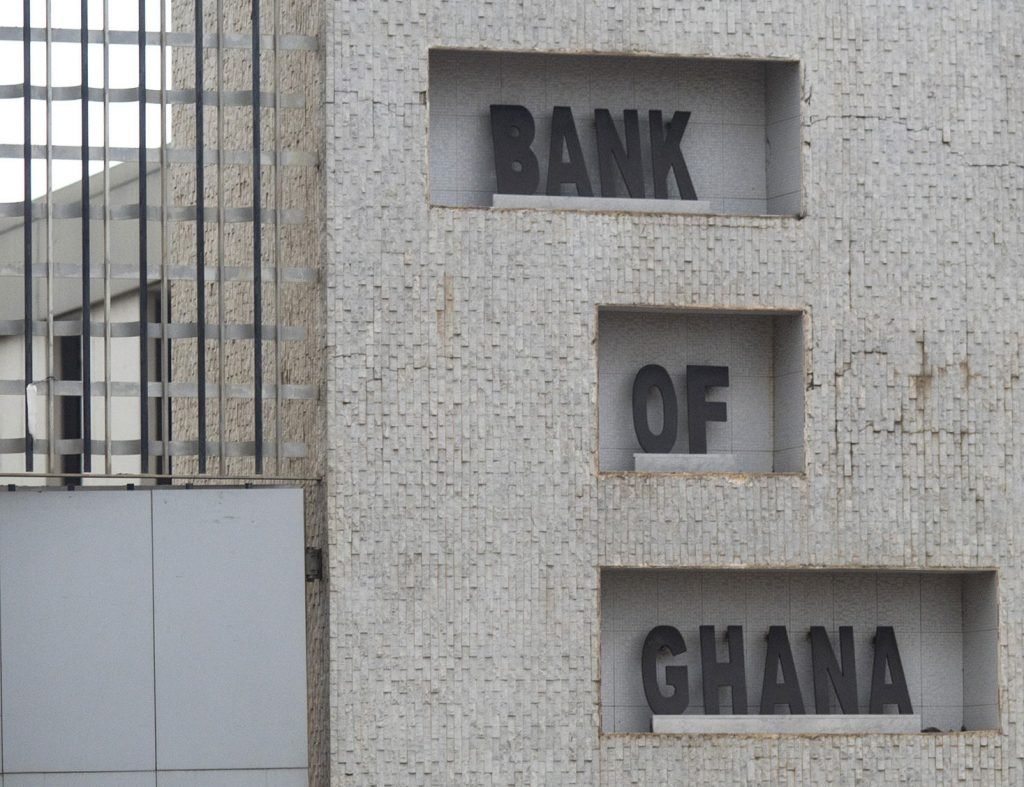
In a widely anticipated move, Ghana’s central bank announced today that it would keep its main interest rate steady at 30.00%. This decision, as forecast by a Reuters poll of analysts, comes against the backdrop of a complex economic landscape in the West African nation.
Ghana, known for its production of cocoa, gold, and oil, has been grappling with one of the most significant economic crises in its recent history. The country has been plagued by double-digit inflation and mounting public debt, leading to a series of anti-government protests in the capital, Accra, due to growing frustration over economic hardships.
The Ghanaian government has recently secured a lifeline in the form of a $3 billion support package from the International Monetary Fund (IMF). This financial assistance comes with a critical condition – debt restructuring, aimed at stabilizing the nation’s fiscal situation.
Bank of Ghana Governor Ernest Addison highlighted the positive impact of the IMF support, stating, “The policy mix under the three-year IMF extended credit facility is beginning to yield results. Economic activity is rebounding strongly. The exchange rate is stabilizing. Inflation is declining, and the level of foreign exchange reserves has improved.”
Governor Addison further emphasized that these indicators were on track to restore real incomes and purchasing power to the Ghanaian population, who have been grappling with the effects of soaring inflation.
In August, Ghana’s inflation rate slowed to 40.1% on a year-on-year basis, down from 43.1% in the previous month. While this represents progress, it still remains significantly above the central bank’s target range of 6%-10%.
The decision to keep the interest rate stable at 30% follows a series of rate hikes over the past two years, totaling 1,650 basis points. The central bank’s previous move in July involved a 50 basis point increase aimed at preventing inflation from derailing efforts at disinflation.
Today’s decision reflects the central bank’s optimism about the ongoing economic recovery, supported by lower inflation, a more stable exchange rate, and relatively robust economic growth. However, the bank remains vigilant, ready to intervene if the disinflationary trend falters in the face of ongoing economic challenges.
Ghana continues to face economic headwinds, but the central bank’s commitment to maintaining stability through this challenging period is seen as a vital step toward rebuilding the nation’s financial strength and resilience.
Photo Source: Google
By: Montel Kamau
Serrari Financial Analyst
25th September, 2023