

















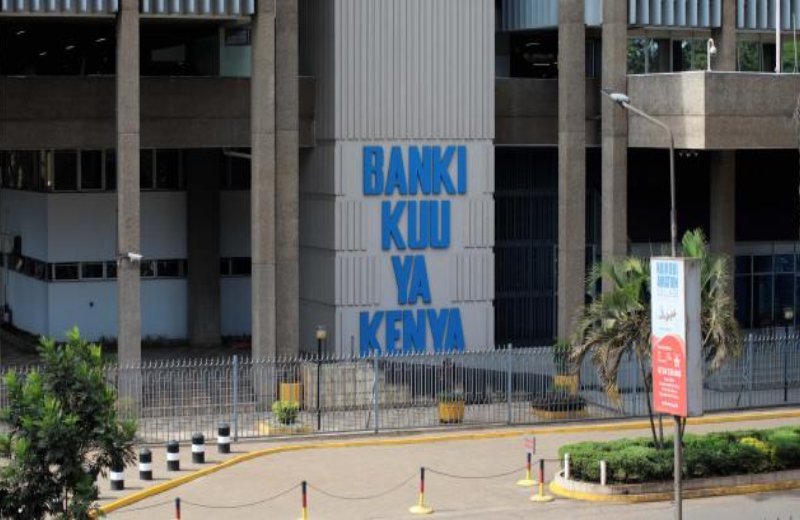
In a recently disclosed stress test, the Central Bank of Kenya (CBK) has unveiled concerns regarding the exposure of commercial banks to their largest borrowers. This test, conducted in May, paints a worrying picture of the banking sector, highlighting vulnerabilities that have gone under the radar until now.
The findings reveal that approximately half of Kenya’s commercial banks would require a minimum capital infusion of Sh109.4 billion if their top three borrowers were to default on their loans. This exposure to risk is a significant cause for concern.
This exposure surpasses previous estimates from a similar CBK stress test, which projected that 21 banks would require approximately Sh63 billion to maintain a minimum core capital adequacy ratio of 10.5 percent in the event of significant borrower defaults.
The root of the issue lies in the concentration risk associated with a few key clients. Under a severe scenario, even three top borrowers defaulting could severely impact most banks, potentially leading to a systemic problem.
In response to this revelation, the CBK has issued a stern warning to banks. They are urged to ensure that their top borrowers are performing and to develop strategies to manage any defaults proactively.
The implications of this stress test are not to be taken lightly. In a baseline scenario, the capital requirement stands at Sh26.2 billion, and in a moderate one, it rises to Sh62.8 billion, affecting 13 and 15 banks, respectively, should the top three borrowers in each bank default.
Banks have, in recent times, faced mounting exposure, particularly from corporate borrowers. Several prominent banks have taken measures like placing firms under administration or auctioning assets to recover their funds as defaults continue to rise.
The CBK further highlights a concerning concentration risk within the banking sector. As of June 2023, the households, manufacturing, trade, and real estate sectors accounted for 59.3 percent of total credit to the private sector. This concentration, according to the CBK, poses a systemic risk.
Non-performing loans have been a persistent concern for banks throughout this year, with the ratio of defaulted loans in the total amount loaned out reaching 15 percent in September.
These findings from the CBK’s stress test have raised valid concerns about the stability of Kenya’s banking sector. The sector faces a pressing challenge in managing concentration risks and bolstering their capital positions to prepare for potential loan defaults from major borrowers. How banks navigate this challenge will be closely monitored by industry experts and investors.
Photo ( Standard Media)
By: Montel Kamau
Serrari Financial Analyst
29th October, 2023