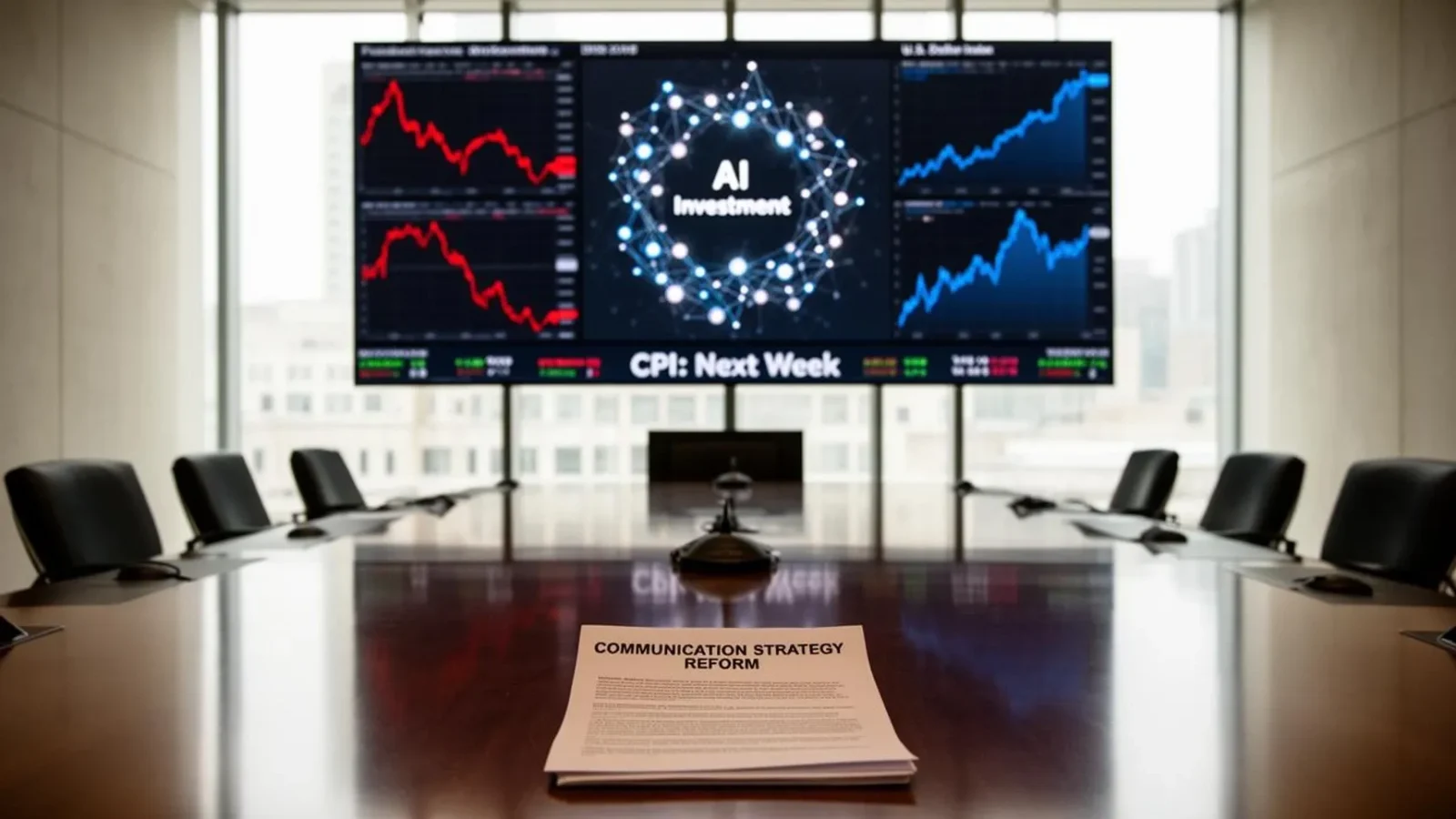
The CPI report July 2026 matters because it lands at a moment when markets are debating whether the Federal Reserve is still on hold or moving back toward a rate-hike path. Oil prices have risen again after renewed Middle East tensions, and Fed minutes showed that some officials were open to higher rates if inflation stays elevated. At the same time, stocks have held up, helped by semiconductor strength, healthy market breadth and expectations for strong Q2 bank earnings. Investors will read June CPI not only as an inflation report, but as a test of whether the second half of 2026 brings higher rates, stable rates or a renewed cut discussion.
Key Overview
- The S&P 500 closed Thursday, July 9, at 7,543.64, up 0.81%.
- The Nasdaq Composite rose 1.30% to 26,206.89, while the Dow gained 0.27% to 52,487.41.
- Brent rose about 7% for the week and moved back above $77, while WTI gained about 6% and traded above $72.
- Schwab said about 63% of S&P 500 stocks were above their 50-day moving averages, up from 50% a month earlier.
- Fed minutes showed a few participants saw a case for raising rates, even though the committee held at 3.50% to 3.75%.
- Tuesday, July 14 brings June CPI, Warsh testimony and major bank earnings on the same day.
June CPI Meets a Split Fed and a Fresh Oil Shock Tuesday
Tuesday Becomes the Market Hinge
The stock market this week starts with a single hinge point: Tuesday. CNBC’s week-ahead setup placed June CPI, Fed Chair Kevin Warsh’s congressional testimony and major bank earnings on the same day, giving investors a rare overlap of inflation, policy and earnings signals under the CNBC week-ahead market outlook.
The timing matters because markets ended last week resilient. The S&P 500 and Nasdaq advanced even as Middle East tensions lifted oil. That resilience will now be tested by whether CPI confirms sticky oil price inflation or gives the Fed enough room to stay patient.
Stocks Closed Higher Before the Test
Thursday’s close gave investors a constructive starting point. CNBC reported that the S&P 500 rose 0.81% to 7,543.64, the Nasdaq Composite gained 1.30% to 26,206.89, and the Dow Jones Industrial Average advanced 0.27% to 52,487.41 under the CNBC July 9 market close.
The gains were led by technology and semiconductors. CNBC said the VanEck Semiconductor ETF rose about 2.5%, while Micron gained roughly 4.5%. That leadership is important because it shows investors are still willing to pay for AI-linked growth even when oil and Fed policy create macro pressure.
Breadth Still Looks Healthy
The rally was not only a mega-cap story. Schwab said about 63% of S&P 500 stocks traded above their 50-day moving averages, up from 50% a month earlier, calling it a sign of healthy breadth under the Schwab market breadth and calendar note.
That breadth gives the market some cushion before the CPI print. If inflation comes in softer, broad participation could help extend the rally. If inflation surprises higher, breadth will show whether selling stays contained or spreads beyond the most rate-sensitive groups.
Fed Minutes Show a Family Fight
The Fed enters CPI week openly divided. The June minutes showed all participants supported holding the federal funds target range at 3.50% to 3.75%, but also said “a few participants” saw a case for raising the target range. The same minutes noted that many other participants still saw scenarios where maintaining or eventually lowering rates could be appropriate under the Federal Reserve June meeting minutes.
That is why Warsh’s testimony matters. The Fed Chair has called the debate a “family fight,” and investors will listen for whether he frames the split as healthy discussion or a sign that the September and October rate path has shifted toward renewed tightening.
Oil Is the Wildcard
Oil is the variable that could disturb the inflation story. Yahoo Finance’s market coverage noted that Brent and WTI rose as geopolitical tensions escalated, while Bloomberg framed money-market pricing as increasingly sensitive to the risk of higher rates later this year under the Yahoo Bloomberg oil and minutes update.
The risk is not only headline crude. Higher oil can feed gasoline, transport and input costs, which can make CPI look stickier. But oil can also reverse quickly on any Hormuz or ceasefire headline, so investors should avoid treating the week’s crude move as settled.
Context is everything. Stay ahead of shifting trends with today’s market updates, and uncover emerging opportunities using the Serrari Group Market Index and Marketplace. Then, take control of your own financial future by exploring our Money & Life Reset Transformation Blueprint ™ to build stronger habits, create better systems, and design a path toward lasting wealth.
Banks Open Earnings Season
Q2 bank earnings add the third leg of Tuesday’s market test. CNBC said JPMorgan, Bank of America, Goldman Sachs, Wells Fargo and Citi are all part of the week’s earnings focus, with Q2 earnings season expected to test whether strong corporate profit growth can continue under the CNBC bank earnings week preview.
Banks matter because they sit at the intersection of rates, credit and market activity. Higher rates can support net interest income, but they can also pressure borrowers, housing and credit quality. If bank executives sound cautious, that could offset any relief from a softer CPI print.
Semiconductors Remain the Bullish Offset
The semiconductor trade remains the key bullish offset. CNBC reported that SMH gained 2.5% on Thursday, while broader technology strength helped the Nasdaq outperform. The week-ahead setup also highlighted continued enthusiasm around AI-linked earnings and capital spending under the CNBC semiconductor market leadership note.
This matters because AI leadership can keep equity indexes supported even when oil and rates pressure other sectors. The risk is concentration. If CPI pushes yields higher and semiconductors weaken at the same time, the market would lose its main cushion.
What to Watch After CPI
A soft CPI print would likely support growth stocks, lower Treasury yields and reduce pressure on the Fed to discuss hikes. A hot print would strengthen the case for policy firming and could pressure rate-sensitive sectors, small caps and long-duration growth.
The next markers come quickly. PPI, the Beige Book, ASML, Morgan Stanley and BlackRock follow on July 15. TSMC, Netflix and UnitedHealth follow on July 16. Together, these releases will show whether inflation, corporate earnings and AI demand can still coexist with higher oil.
Conclusion
June CPI is not arriving in isolation. It lands with Fed Chair Warsh testifying, major banks reporting and oil back as the inflation wildcard. Markets have held up so far, helped by semiconductors, broadening participation and confidence in Q2 earnings.
But Tuesday can change the tone. If CPI confirms sticky inflation, the Fed’s “family fight” becomes more market-moving. If CPI cools, the rally may broaden further. For global investors, this is not just one data release. It is the first major test of the second-half rate path.
FAQs
1. Why is June CPI important for global markets?
June CPI is important because it will shape expectations for the Federal Reserve’s next policy moves. Inflation affects Treasury yields, the dollar, equity valuations and global risk appetite. Since the report lands while oil prices are rising and Fed officials are divided, investors will use it to judge whether a later-year rate hike is becoming more likely.
2. Why does Warsh’s testimony matter on CPI day?
Warsh’s testimony matters because it gives markets a live read on how the Fed Chair interprets the inflation data, oil shock and internal policy split. The June minutes showed that a few participants saw a case for raising rates, while others saw scenarios where holding or eventually lowering rates could still be appropriate. His tone could affect rate expectations immediately.
3. How can oil prices affect CPI and stocks?
Oil prices affect CPI through gasoline, transport and input costs. If oil stays higher, inflation may look stickier, making it harder for the Fed to cut and easier for hawks to argue for higher rates. For stocks, higher oil can hurt consumer, transport and industrial names, while energy producers may benefit.
4. Why are bank earnings important this week?
Bank earnings are important because large banks provide early signals on credit, loan demand, trading activity and consumer strength. JPMorgan, Bank of America, Goldman Sachs, Wells Fargo and Citi report around the same time as CPI and Warsh’s testimony, making their commentary especially important for the market’s view of the economy.
5. What should investors monitor after Tuesday?
Investors should monitor Treasury yields, oil prices, bank earnings commentary, semiconductor leadership, market breadth and the Fed’s communication ahead of the July 29 FOMC meeting. The key question is whether CPI strengthens the case for a rate hike or allows markets to keep pricing a more balanced second-half policy path.
Sources: CNBC, Schwab, Yahoo Bloomberg, Federal Reserve, CNBC Bank earnings
Your financial future isn’t something you wait for—it’s something you build.
The real question is: when do you begin?
Move beyond simply staying informed.
Navigate the markets with clarity—track trends through the Serrari Group Market Index, uncover opportunities in the Serrari Marketplace, and build practical knowledge with our Curated Wealth Builder Platform.
Stay connected to what truly matters.
Get daily insights on macro trends and financial movements across Kenya, Africa, and global markets—delivered through the Serrari Newsletter.
Growth opens doors.
Advance your career through professional programs including ACCA, HESI A2, ATI TEAS 7 , HESI EXIT , NCLEX – RN and NCLEX – PN, Financial Literacy!🌟—designed to move you forward with confidence.
See where money is flowing—clearly and in real time.
Track Money Market Funds, Treasury Bills, Treasury Bonds, Green Bonds, and Fixed Deposits, alongside global and African indexes, key economic indicators, and the evolving Crypto and stablecoin landscape—all within Serrari’s Market Index.