FedEx is accelerating its clean energy strategy in Asia Pacific with new solar installations, including a major project at its Shanghai hub. The initiative reflects a broader shift toward low-carbon logistics, combining renewable energy, electric vehicles, and digital technologies to reduce emissions and improve efficiency. As trade volumes continue to grow across the region, the company is positioning sustainability as a core component of its logistics network, embedding clean energy directly into operations.
Key Overview
- FedEx launches on-site solar system at Shanghai cargo hub
- System generates 743,000 kWh annually, cutting emissions and pollution
- Expansion includes projects in China, Korea, and Singapore
- Strategy integrates solar energy, EVs, and digital efficiency tools
FedEx is advancing its renewable energy efforts in the Asia Pacific region with the launch of a new on-site solar installation at its Shanghai International Express and Cargo Hub. The project represents more than just an infrastructure upgrade—it signals a broader shift in how logistics companies are integrating sustainability into their core operations.
As supply chains expand and global trade volumes increase, logistics networks are becoming more energy-intensive. In response, companies like FedEx are moving beyond traditional efficiency measures and investing in renewable energy solutions that can be embedded directly into their operational footprint.
The Shanghai installation reflects this approach. By generating electricity on-site, FedEx is reducing its reliance on external power sources while increasing control over its energy mix. At the same time, the project highlights how sustainability initiatives are increasingly being integrated into everyday logistics activities rather than treated as standalone efforts.
Notably, FedEx has become the first—and currently the only—logistics company operating within the cargo area of Shanghai Pudong International Airport to generate its own solar power on-site. This positions the company as an early mover in adopting localized renewable energy solutions within major logistics hubs.
Markets move fast; don’t get left behind. We’ve paired the Serrari Group Market Index with a curated Marketplace and a comprehensive Wealth Builder Course to ensure you have the data—and the skills—to act on it.
Inside the Shanghai Solar Installation
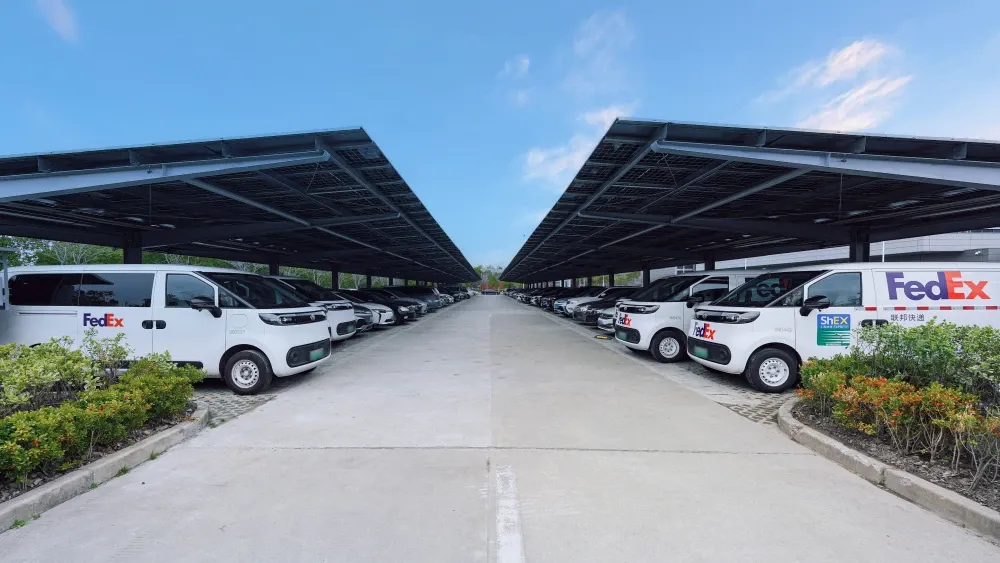
The solar system has been installed over existing parking facilities at the Shanghai hub, covering more than 4,000 square meters. This design approach allows the company to maximize the use of available space without requiring additional land, demonstrating how renewable energy can be integrated into existing infrastructure.
The system is expected to generate around 743,000 kilowatt-hours of electricity each year. This output will primarily support office operations at the facility, contributing to a higher share of renewable energy in daily activities.
The environmental impact of the installation is significant. FedEx estimates that the system will reduce nearly 417 metric tons of carbon dioxide emissions annually when compared with coal-based electricity. In addition, it will cut approximately 2.1 tons of particulate matter and 4.21 tons of sulfur dioxide emissions each year.
These reductions are particularly important in regions where air pollution remains a concern, highlighting how renewable energy projects can deliver both climate and local environmental benefits.
Building a Network of Solar-Powered Facilities
The Shanghai project is part of a broader expansion of renewable energy across FedEx’s operations in the Asia Pacific region. Rather than focusing on isolated projects, the company is developing a network of solar-powered facilities that collectively contribute to its sustainability goals.
In South Korea, the FedEx Incheon Gateway has been operating with 2,400 rooftop solar panels since November 2022. These panels generate approximately 19 percent of the facility’s monthly energy requirements, providing a steady source of clean electricity. The facility also uses fully LED lighting, resulting in annual energy savings of more than 22,000 kilowatt-hours.
In Beijing, a rooftop solar installation at the FedEx North China Regional Headquarters became operational in 2023, further strengthening the company’s renewable energy capacity in China.
Singapore provides another example of how solar energy is being integrated into logistics operations. Since January 2025, more than half of the electricity used at the FedEx South Pacific Regional Hub has been supplied by on-site solar generation. The installation also supports the company’s electric vehicle fleet, illustrating how renewable energy and transport electrification can work together within a single operational system.
These projects demonstrate a consistent strategy: deploying renewable energy across key logistics hubs to reduce emissions while supporting operational needs.
Linking Renewable Energy With Electrification
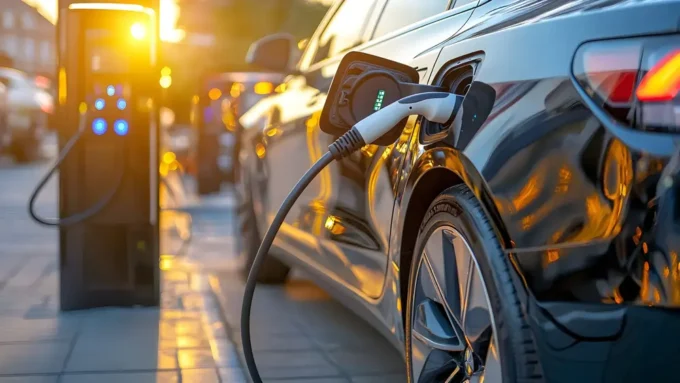
FedEx’s approach to sustainability goes beyond energy generation. The company is also expanding its electric vehicle fleet, aligning transport electrification with its renewable energy initiatives.
Globally, FedEx now operates more than 8,000 electric vehicles. In China, more than 25 percent of operations have been electrified, while electric vehicle adoption continues to expand in Japan, Korea, New Zealand, and Thailand.
Recent developments include the introduction of electric cargo vans in Korea, serving high-density routes in Seoul and Busan, as well as the deployment of new EVs in Singapore.
By combining solar energy generation with electric vehicle usage, FedEx is creating a more integrated and efficient system. Clean electricity produced on-site can be used to power electric vehicles, reducing dependence on fossil fuels and lowering overall emissions.
This integrated approach reflects a broader shift in logistics, where energy and transport systems are increasingly being designed to work together.
Enhancing Efficiency Through Technology
In addition to renewable energy and electrification, FedEx is leveraging digital tools and emerging technologies to improve operational efficiency.
Solutions such as FedEx Sustainability Insights and FedEx Ship Manager Lite allow customers to make more sustainable shipping choices, helping reduce emissions across the supply chain.
The company is also deploying advanced technologies, including artificial intelligence, autonomous systems, and Internet of Things (IoT) solutions. AI-powered sorting robots and automated guided forklifts are improving efficiency within logistics facilities, reducing energy consumption and enhancing productivity.
These technologies play a critical role in supporting sustainability efforts by optimizing operations and minimizing waste.
Context is everything. While you follow today’s updates, use the Serrari Group Market Index and Marketplace to spot emerging shifts. Need to sharpen your edge? Our Wealth Builder Course turns these insights into a professional-grade strategy.
Expanding Solar Capacity Globally
FedEx’s renewable energy initiatives extend beyond Asia Pacific. To date, the company has generated more than 31 gigawatt-hours of solar energy from over 30 locations worldwide.
This growing portfolio reflects a broader commitment to increasing the use of renewable energy across its global operations. The company has set a target of powering its operations with 100 percent renewable energy by 2040, and solar energy is expected to play a central role in achieving this goal.
The solar installation in Jiangsu province in East China further supports this expansion. With a capacity of 1.5 megawatts, the system is expected to generate approximately 1.8 million kilowatt-hours of electricity annually—enough to power around 400 households for a year.
Community Engagement and Environmental Impact
FedEx is also extending its sustainability efforts into local communities through its FedEx Cares program. The initiative focuses on environmental restoration and community engagement across the Asia Pacific region.
In the last financial year, employee participation in sustainability-focused programs increased by 20 percent, while the number of such programs grew by 14 percent. Activities included tree planting, mangrove restoration, and riverbank clean-ups.
FedEx team members planted 3,465 trees and native plants, contributing to ecosystem preservation and environmental restoration efforts.
These initiatives highlight the company’s broader approach to sustainability, which includes both operational improvements and community engagement.
Asia Pacific: A Strategic Focus for Growth
FedEx has identified Asia Pacific as a key region for future growth, reflecting both its scale and its importance in global trade flows. As one of the world’s most dynamic trade corridors, the region is expected to play an increasingly central role in global logistics, driven by rising demand, expanding industrial activity, and growing cross-border commerce.
At the same time, this growth brings added pressure to reduce emissions and improve sustainability across logistics operations. Governments, businesses, and customers across the region are placing greater emphasis on cleaner supply chains, creating both a challenge and an opportunity for logistics providers.
By investing in renewable energy and low-carbon technologies, FedEx is positioning itself to respond to these evolving demands while supporting continued operational growth. These investments are not only aimed at reducing environmental impact but also at strengthening the resilience and efficiency of its logistics network in a rapidly changing market environment.
Salil Chari, president of FedEx Asia Pacific, emphasized the importance of this approach:
“We are investing in infrastructure that accelerates decarbonization at scale… building an efficient, future-ready network.”
A Broader Industry Transition
FedEx’s renewable energy expansion reflects a wider shift within the logistics industry, where sustainability is becoming increasingly central to operational strategy. As companies face growing pressure to reduce emissions and improve environmental performance, investments in solar energy, electrification, and digital technologies are becoming more widespread across global logistics networks.
This shift is being shaped not only by regulatory requirements, but also by evolving customer expectations and the need for greater efficiency in increasingly complex supply chains. As a result, the integration of renewable energy into logistics operations is no longer seen as optional. Instead, it is emerging as a core component of long-term strategy, supporting both emissions reduction goals and more resilient, future-ready logistics systems.
Outlook: Scaling Clean Logistics for the Future
FedEx’s expansion of solar energy across Asia Pacific highlights a clear direction for the logistics sector. By integrating renewable energy, electric vehicles, and digital technologies, the company is building a more sustainable and efficient logistics network.
The Shanghai installation represents a practical example of how clean energy can be embedded into operations, delivering measurable environmental benefits while supporting business needs.
Looking ahead, the continued expansion of solar energy and electrification is likely to play a central role in reducing emissions across logistics networks. As more facilities adopt similar models, the cumulative impact could be significant.
For FedEx, the challenge will be to scale these initiatives while maintaining operational efficiency and meeting growing demand. For the broader industry, the message is clear: sustainability is becoming a defining factor in the future of logistics.
As global trade continues to evolve, companies that successfully integrate renewable energy into their operations will be better positioned to navigate changing market conditions and contribute to a lower-carbon future.
Your financial future isn’t something you wait for—it’s something you build.
The real question is: when do you begin?
Move beyond simply staying informed.
Navigate the markets with clarity—track trends through the Serrari Group Market Index, uncover opportunities in the Serrari Marketplace, and build practical knowledge with our Curated Wealth Builder Course.
Stay connected to what truly matters.
Get daily insights on macro trends and financial movements across Kenya, Africa, and global markets—delivered through the Serrari Newsletter.
Growth opens doors.
Advance your career through professional programs including ACCA,HESI A2,ATI TEAS 7,HESI EXIT ,NCLEX – RNandNCLEX – PN, Financial Literacy!🌟—designed to move you forward with confidence.
See where money is flowing—clearly and in real time.
Track Money Market Funds, Treasury Bills, Treasury Bonds, Green Bonds, and Fixed Deposits, alongside global and African indexes, key economic indicators, and the evolving Crypto and stablecoin landscape—all withinSerrari’s Market Index.